About Mojstrana–Dovje
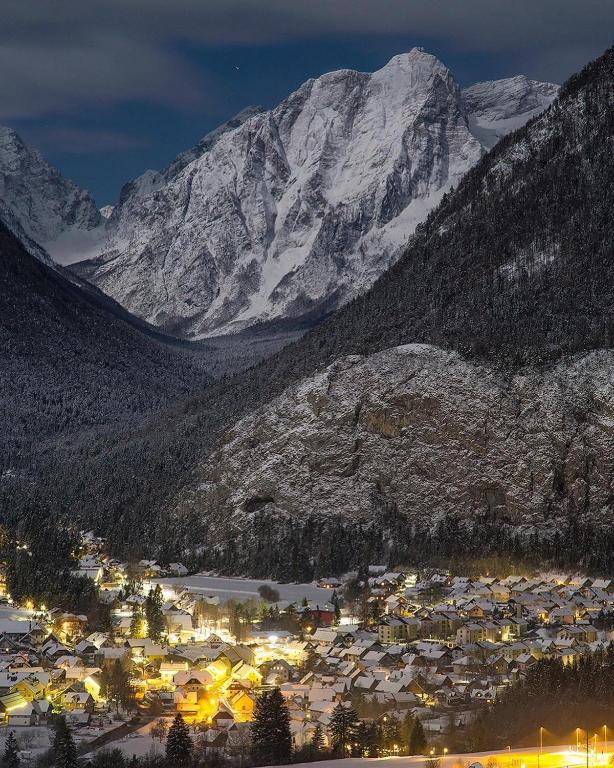
Mojstrana makes a rewarding base when you want the Julian Alps beyond a quick waterfall stop. The Slovenian Alpine Museum explains the climbing culture before you follow the Bistrica towards Peričnik or cycle along the former railway.
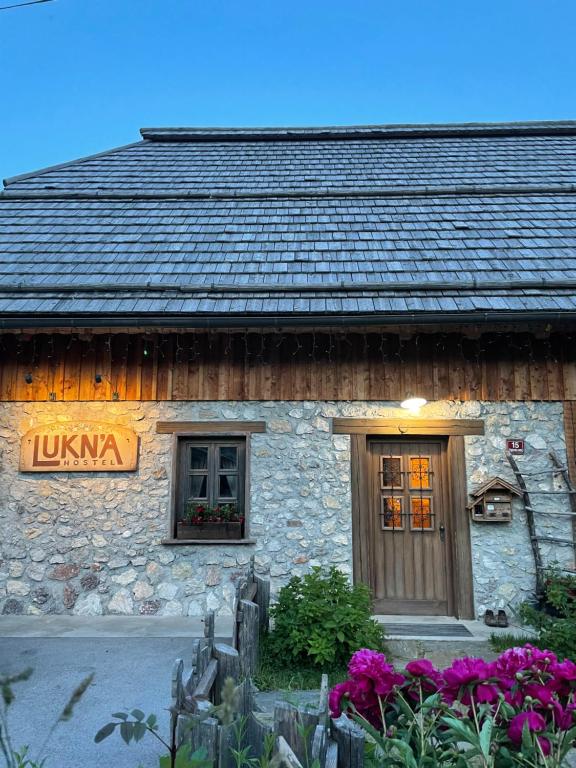
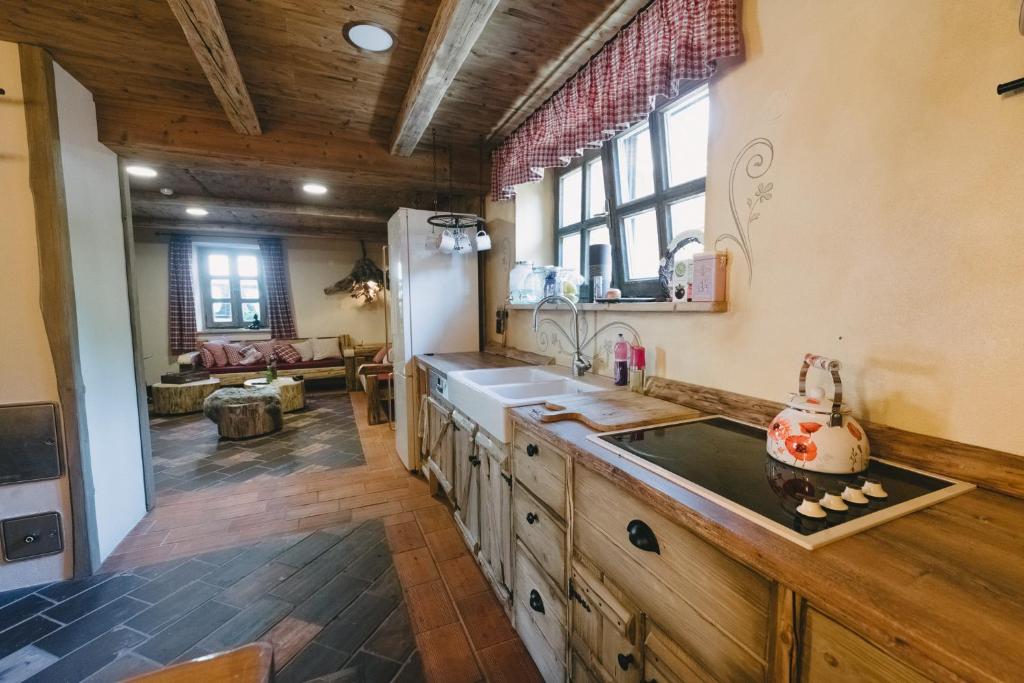
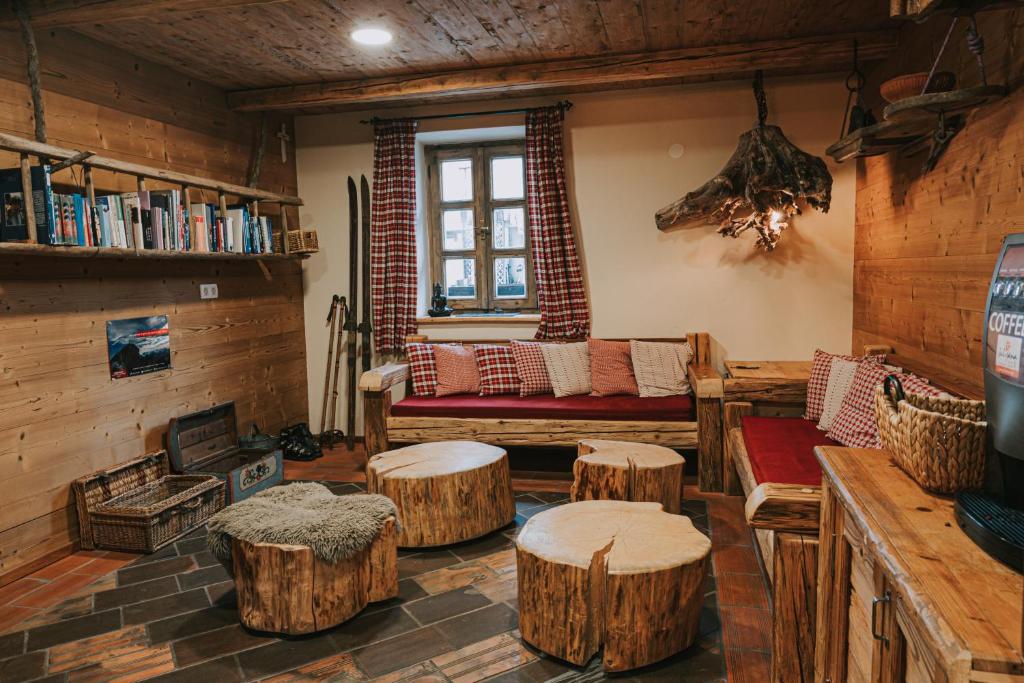
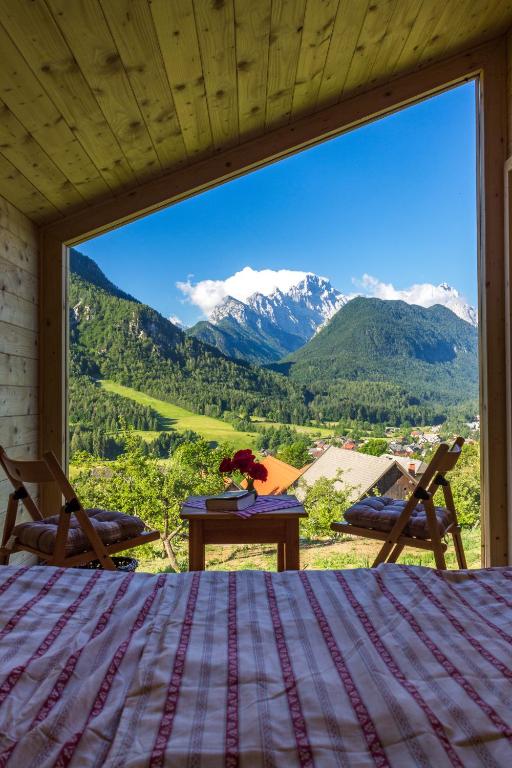
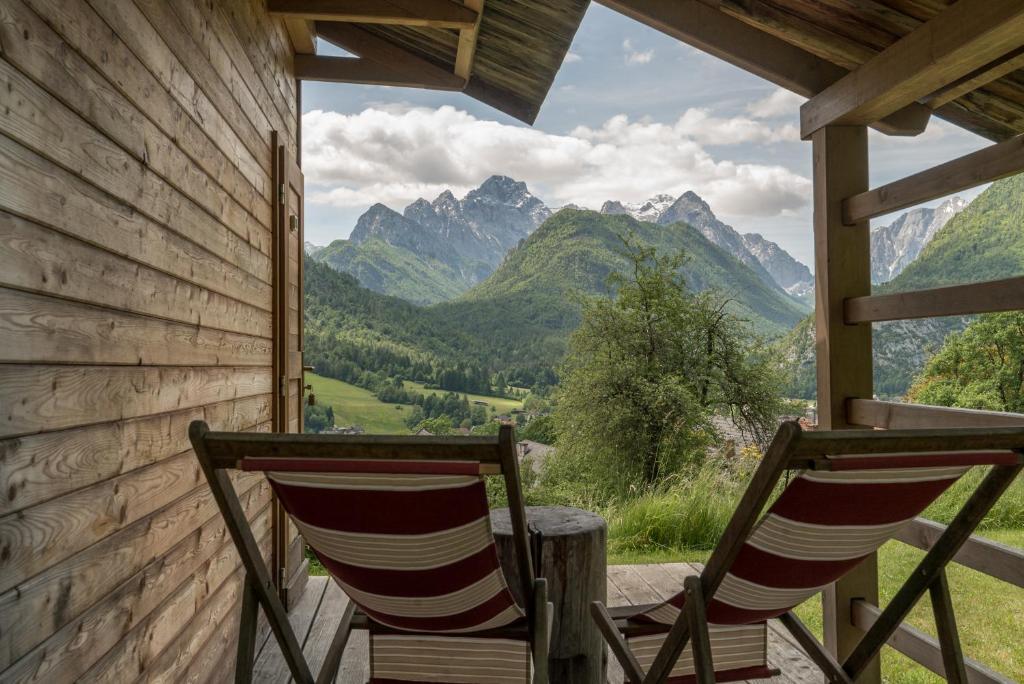
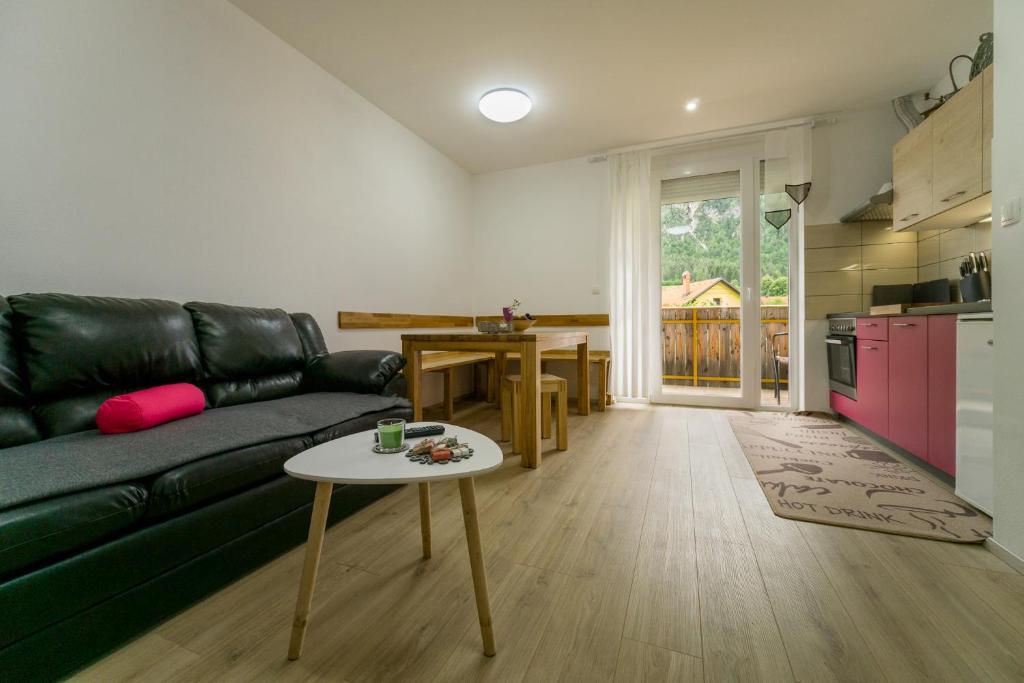
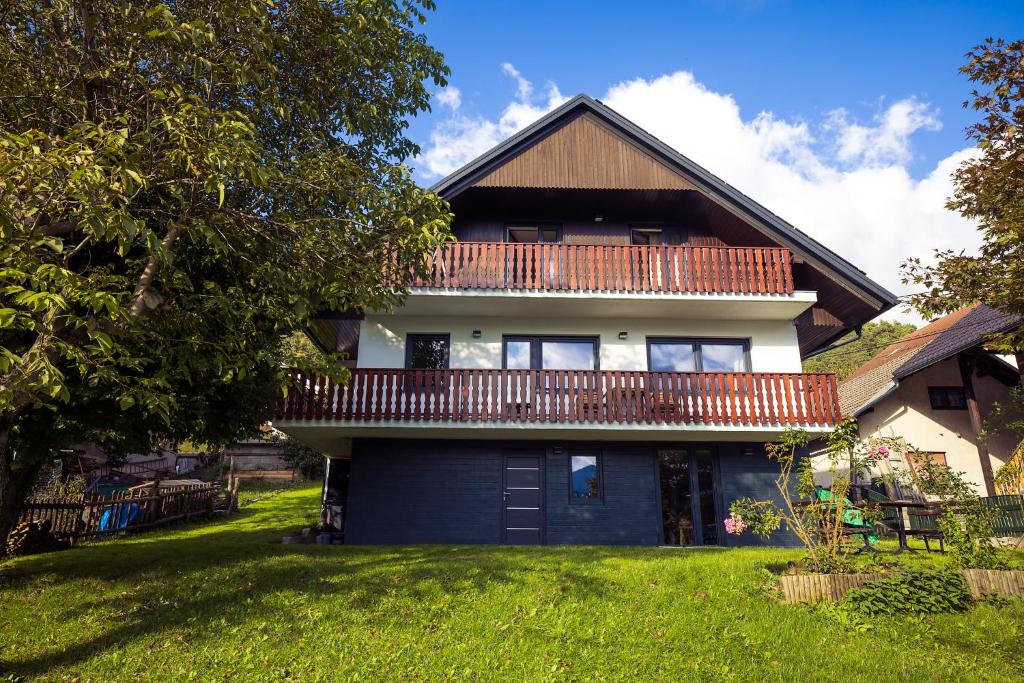
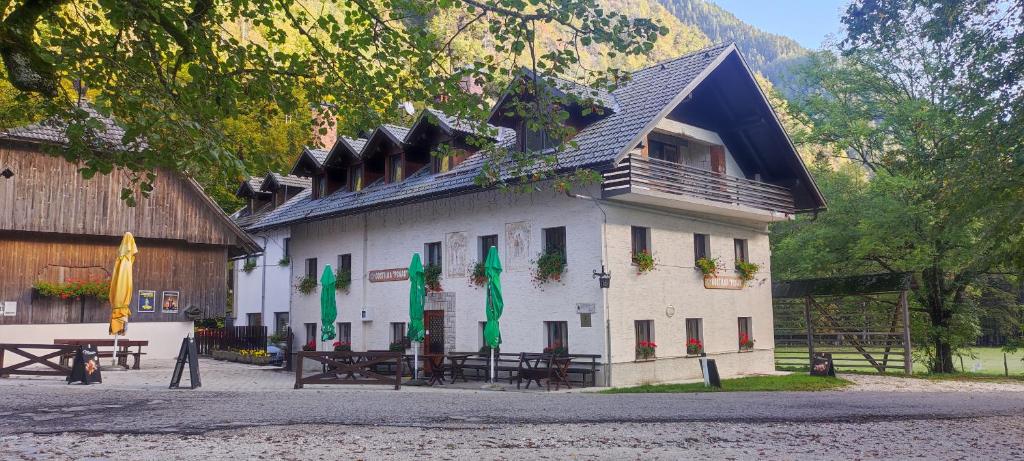
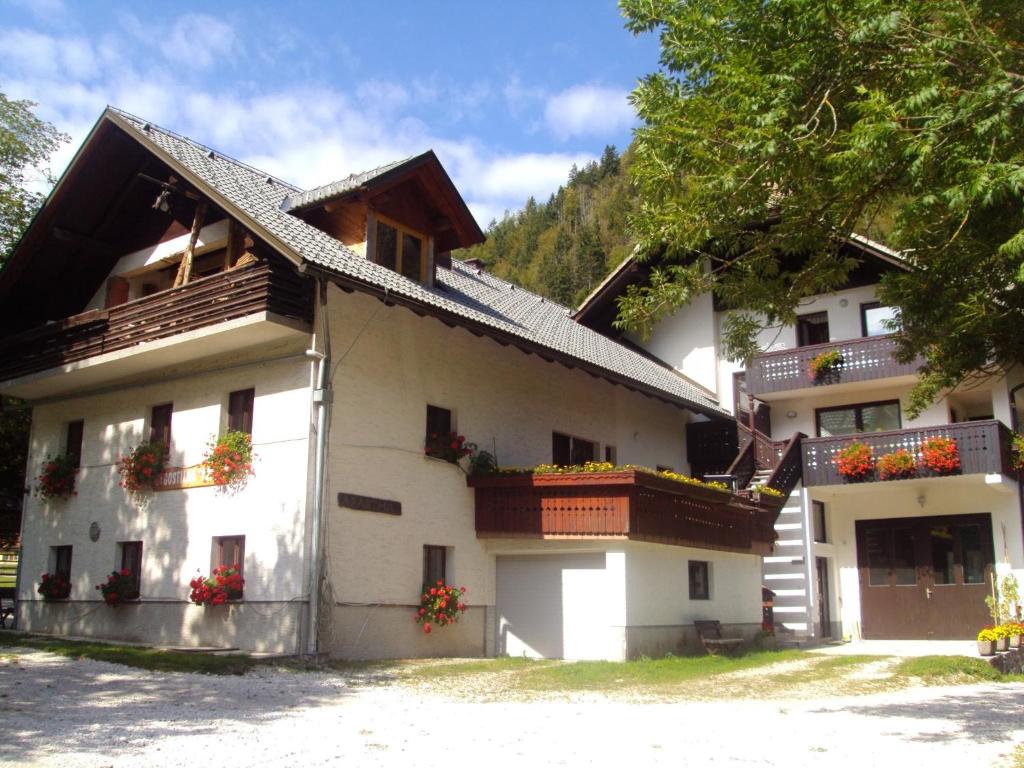
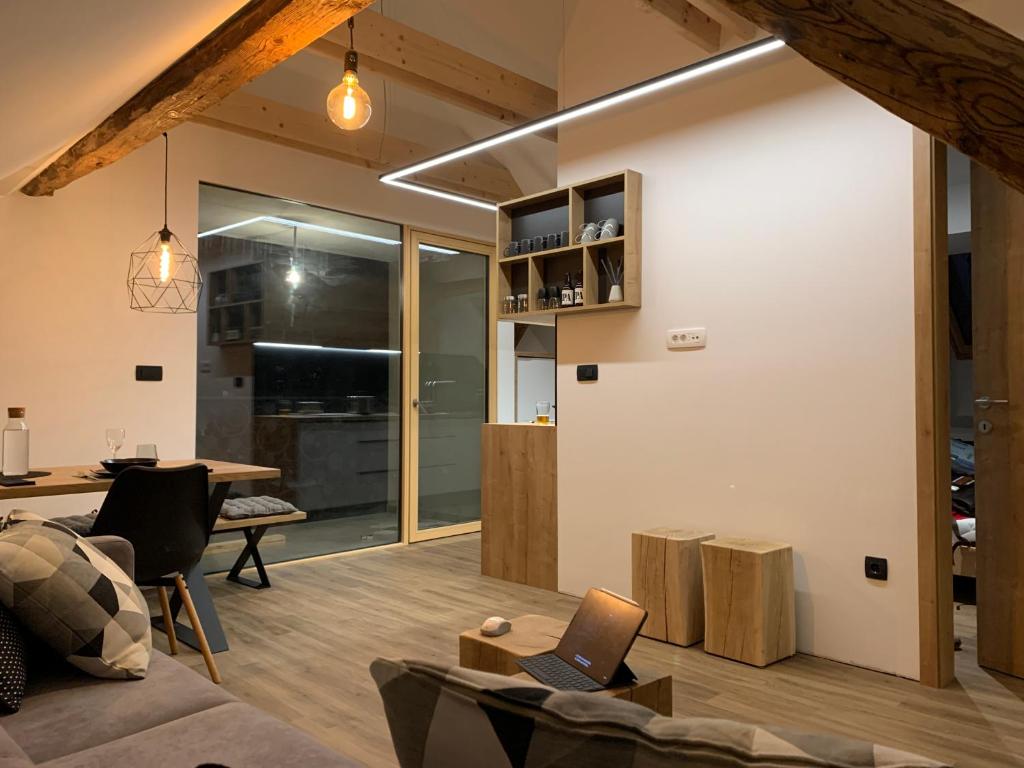
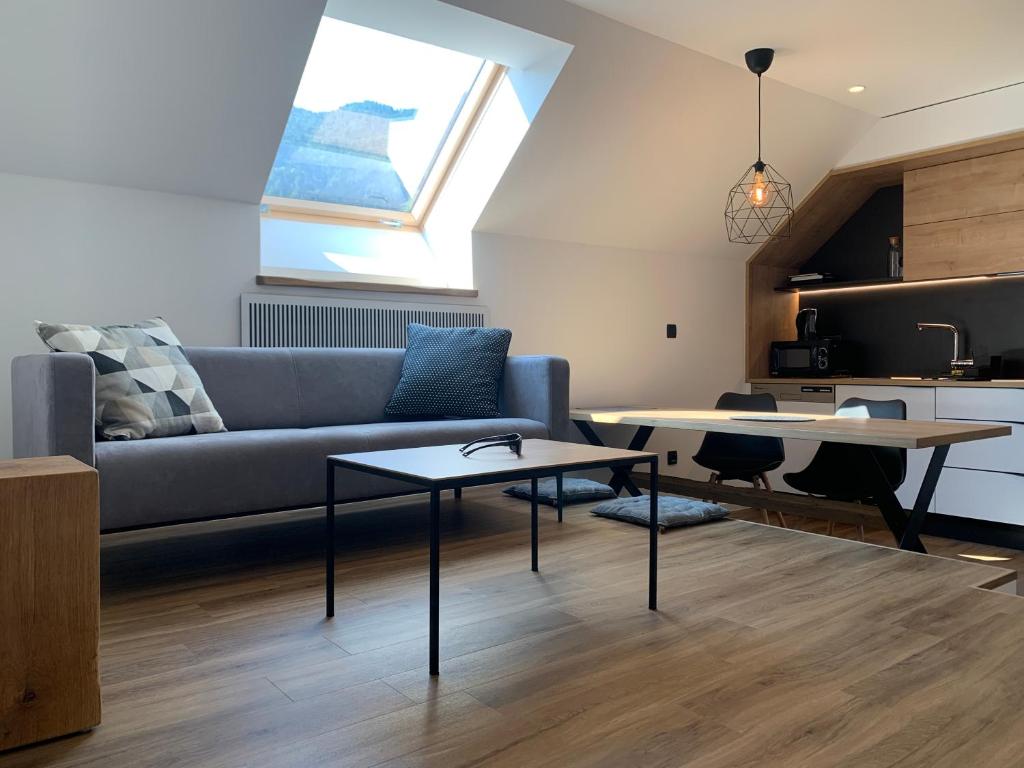
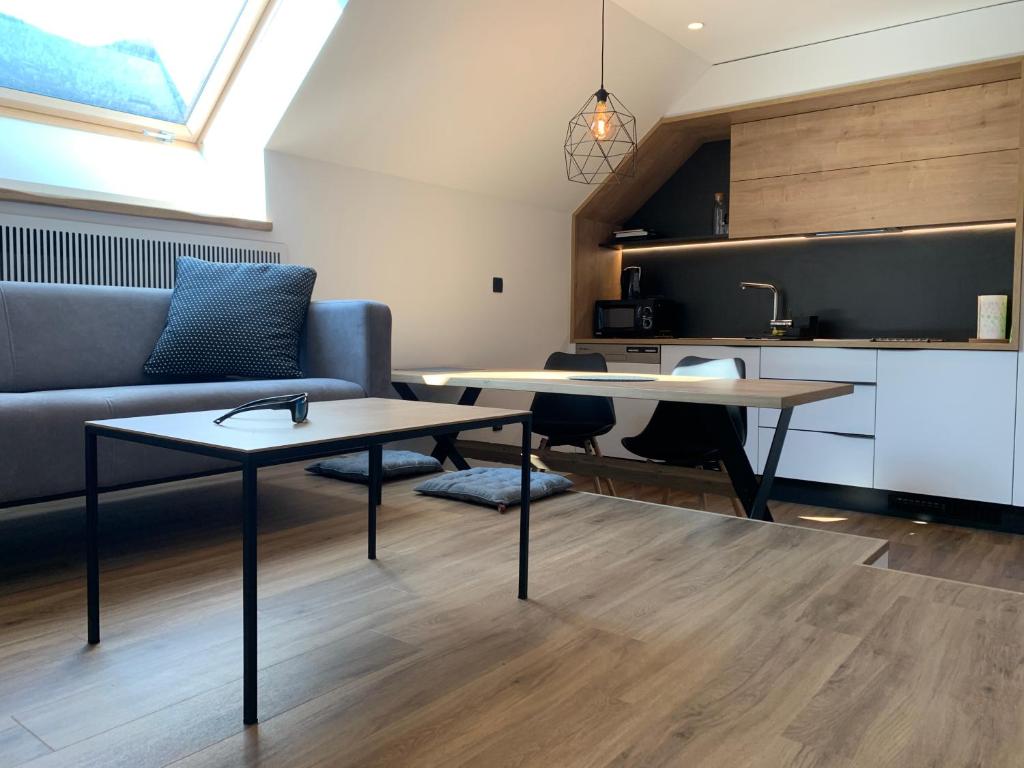
Across the main road and Sava Dolinka, Dovje offers hillside views and a quieter village setting; over the pass, Zgornja Radovna opens towards the Krma and Kot valleys. Stay for several nights to match outdoor plans to the weather. Central apartments, sociable rooms and secluded farm stays involve quite different shopping, transport and evening routines.
Common questions
How many nights should I stay?
Two nights give you a museum visit and one outdoor day. Three or four allow separate outings towards Peričnik, the cycle route and the upper valleys, with a reserve for mountain weather. Staying in the village makes short changes of plan easy; a more remote farm or cabin works best when you are happy to prepare food and spend an evening there.
Can I arrive and get around without a car?
The nearest railway station is Jesenice, about 10 km away. Local tourism information describes regular buses towards Kranjska Gora and an hourly Ljubljana connection, but check the operator’s timetable for your particular day and return journey. Confirm the stop: Mojstrana Dovje is by the main road, while some services enter the village. Central Mojstrana is the simplest base. For uphill Dovje addresses or Zgornja Radovna, arrange the final transfer rather than assuming a convenient local bus.
Is the Vrata road open, and when do shuttles run?
As checked in November 2026, the upper Vrata road closed on 13 November, with reopening expected around 15 March 2027 and an extension possible. There is no winter road maintenance; follow the current closure notice. The 2026 valley bus ran daily from mid-June through 15 September, then on Fridays, Saturdays and Sundays for the rest of September. That season has ended. Confirm the next summer schedule separately, including the last return, and use the designated Prodi park-and-ride rather than museum parking for a day in the valley.
How much walking does Peričnik involve?
The waterfall is about 4 km from Mojstrana. The often-quoted ten-minute approach starts at the roadside hut below the falls, not in the village, so allow for reaching it and returning. The lower fall is roughly 50 metres high. The path behind the water is slippery and unsecured; it is optional, not a necessary part of a family visit. Ask about current trail conditions, especially after rain or in freezing weather, and do not treat a winter road closure as permission for an easy walk.
Can beginners visit the Triglav valleys?
A lower valley walk and an ascent of Triglav are different undertakings. The Triglavska Bistrica Trail starts by the museum and continues towards Peričnik and the head of Vrata, where the north face dominates the view. Walking the whole route and returning is a substantial outing; choose a shorter section or arrange seasonal transport. The national park warns that bad weather and winter conditions can make even this valley route dangerous. High routes from Vrata, Krma or Kot need appropriate experience, equipment and a separate plan.
Is the cycle route suitable for a relaxed day?
The D2 route follows much of the former railway towards Kranjska Gora. The official itinerary measures about 13.3 km from the museum to the Kranjska Gora junction; the return adds the same distance. It climbs gradually, and the village connection includes a short gravel stretch and a climb to the main cycleway. It is not entirely flat or free of road crossings. Families can choose a shorter out-and-back; continuing to Lake Jasna adds distance and a road section.
What works in rain, and what is seasonal?
The Slovenian Alpine Museum is the main indoor option, with mountaineering history and activities that help children understand the landscape. Its published winter pattern, from 18 November through April, is Tuesday to Sunday; check holidays and special closures. Pocar Homestead in Zgornja Radovna normally opens on summer weekends, with group visits by arrangement, so it is not a dependable winter fallback. Waterfall paths, valley roads and summer shuttles each follow their own conditions rather than one common opening season.
What local food should I look for?
Krapi are filled dumplings with different village recipes. The Dovje version combines millet, curd cheese, fried onion and chives, but the destination’s food guide describes it as a home tradition rather than a dish routinely served in Dovje restaurants. Mojstrana and Radovna have their own versions, including buckwheat dough. Ask what is being prepared that day and whether meat or dairy is used. For a farm stay, arrange meals ahead; for an apartment, check shop opening times before an evening or Sunday arrival.
Prices are set by the booking site. We may earn a small fee, at no cost to you.