About Sevnica
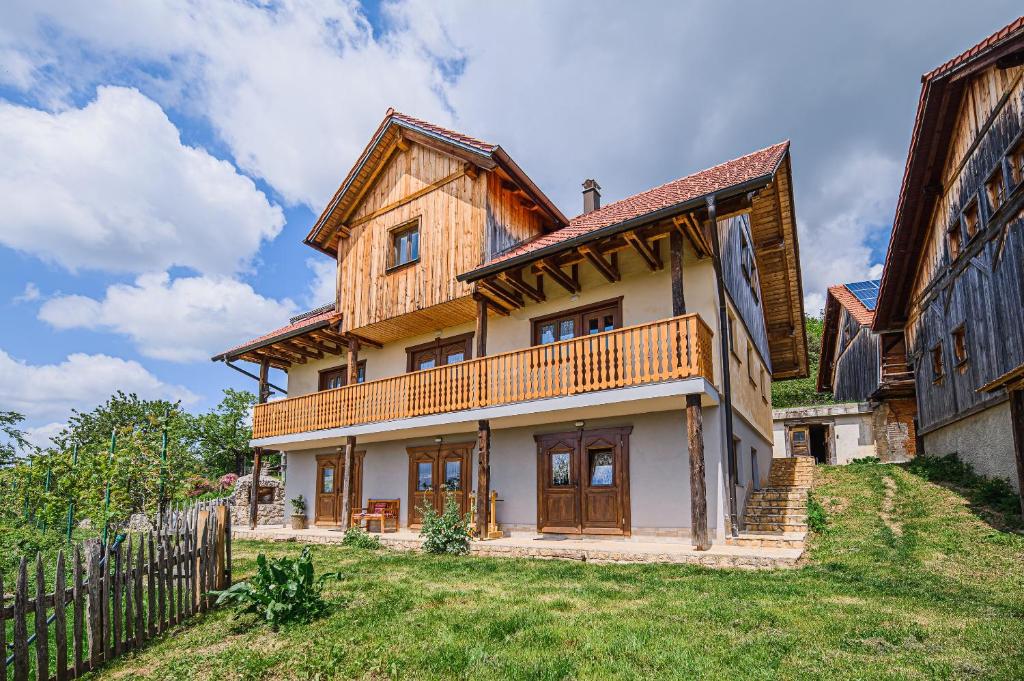
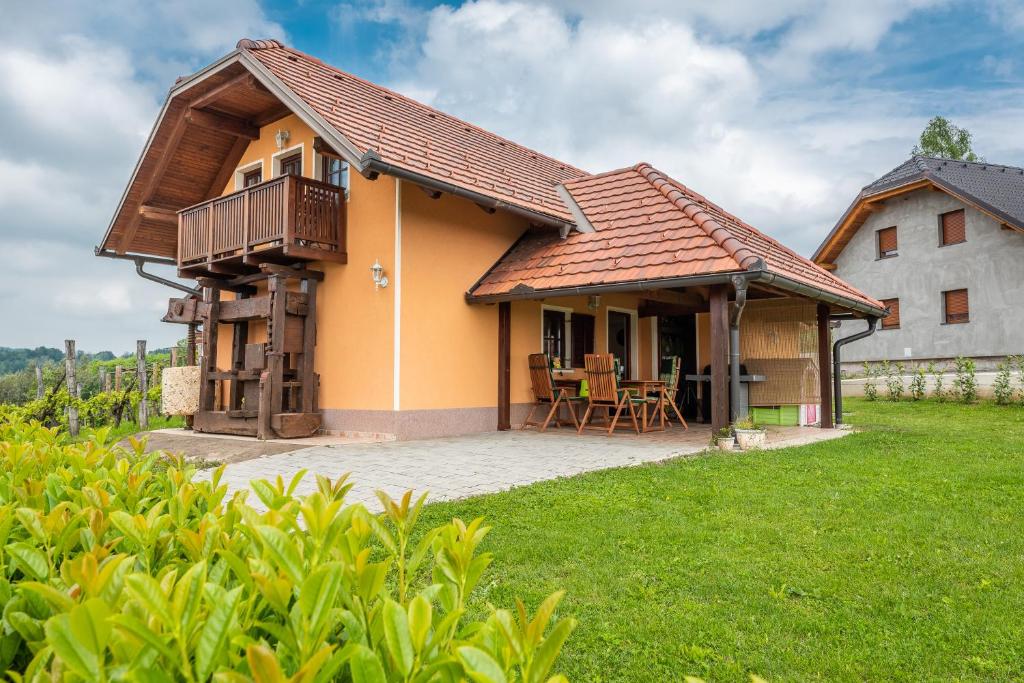
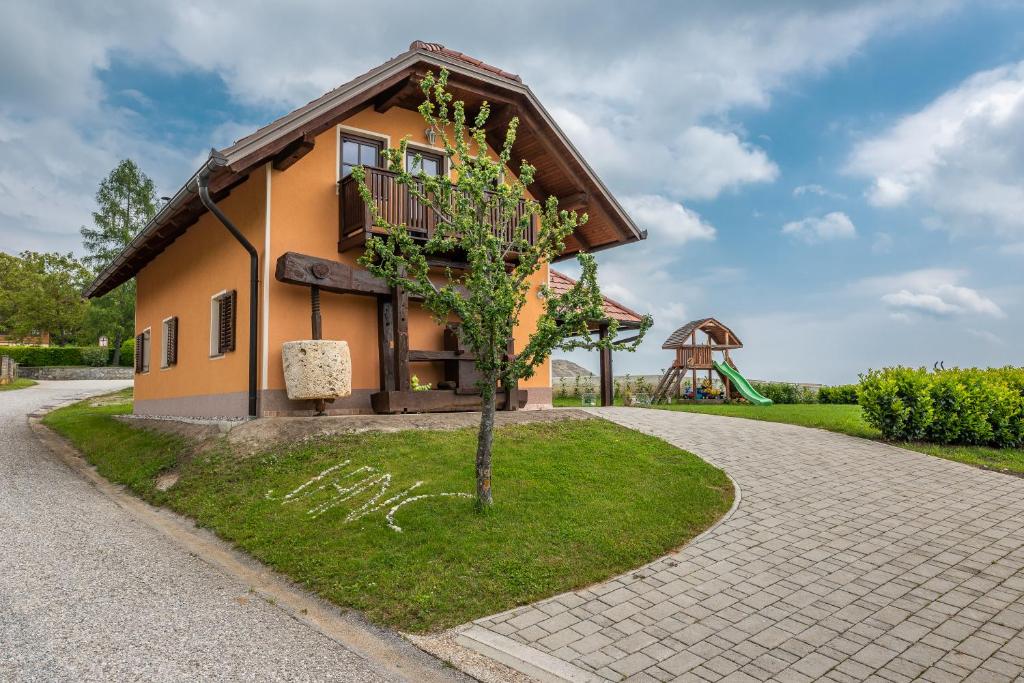
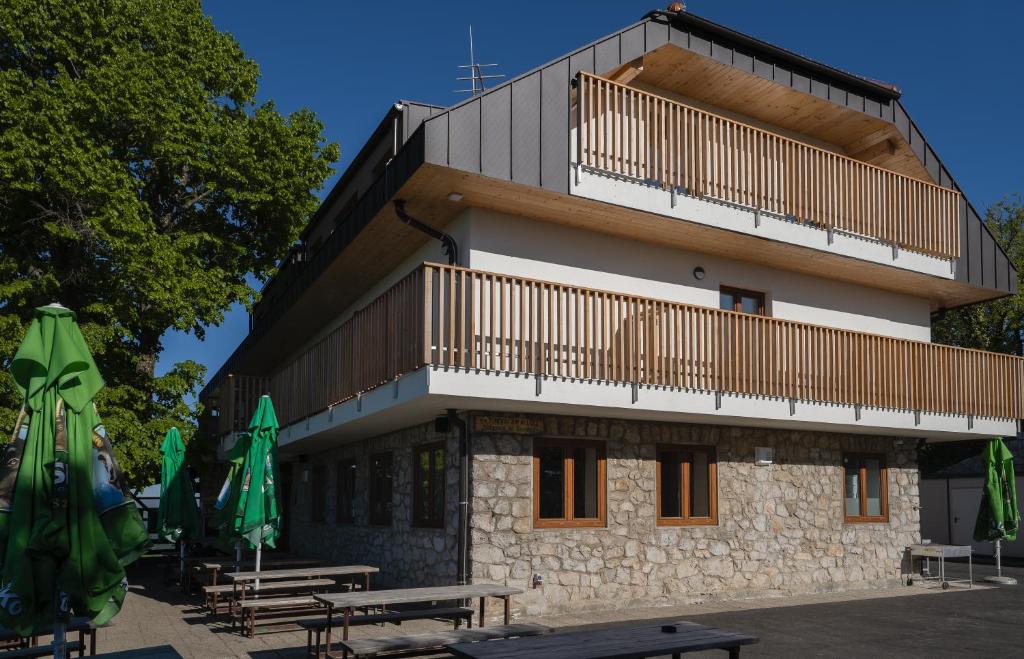
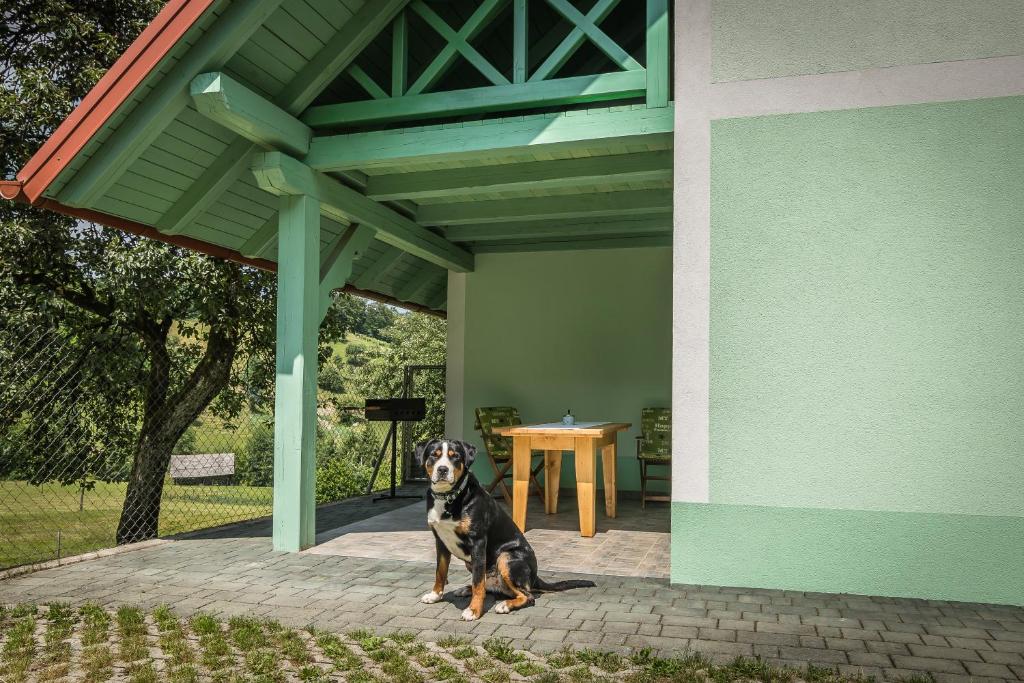
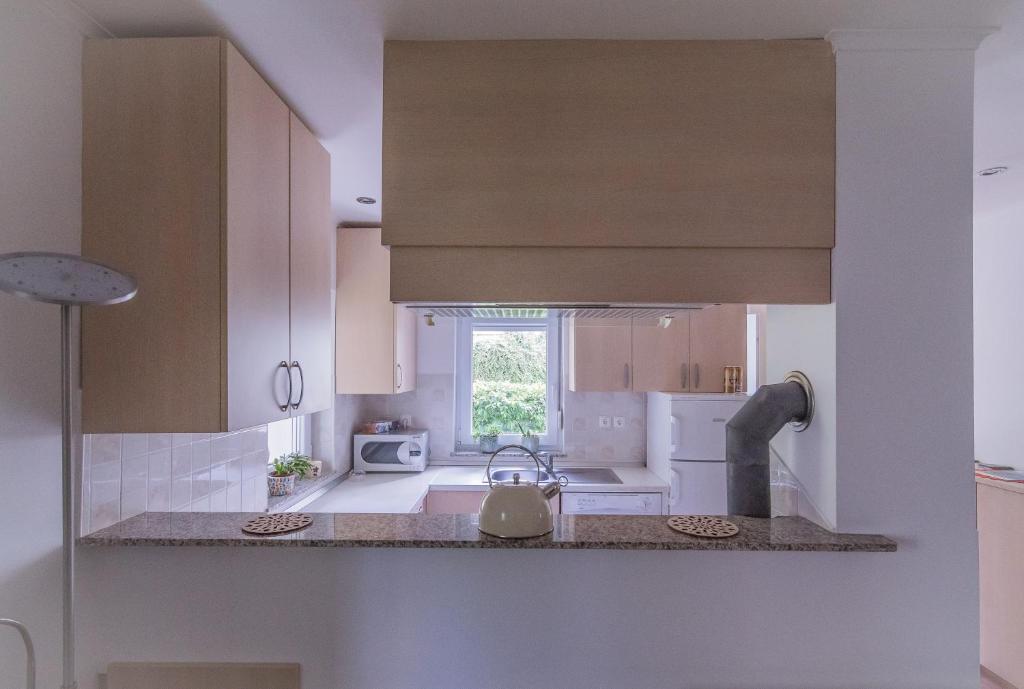
Sevnica rewards a stay that combines the Sava valley with the hills above it. Spend one day between the old town and its castle, then another on Lisca or among the farm terraces and vineyards. The railway makes the town a useful pause between Ljubljana and the eastern border, while the surrounding houses suit a slower break with your own kitchen and countryside views.
These are different holidays: central Sevnica keeps meals and trains manageable; the slopes buy space and quiet at the cost of extra driving. Choose your base around the evening you want, as well as the sights.
Common questions
How many nights make sense in Sevnica?
Two nights give the castle and old town a day, with another for Lisca or a farm-based countryside outing. Add a night if you want to walk up from the valley rather than drive to the mountain, or simply spend time at a vineyard house. One night works as a railway stop, but check the castle calendar before making that the main reason for the visit. Choose a modest programme: the hill roads make short map distances misleading.
Can I stay here without a car?
Yes, most easily in the town. Sevnica is on the Ljubljana–Dobova railway corridor, with onward connections depending on the service; check the current Slovenske železnice journey planner and engineering notices. You can organise a town-and-castle visit around a central base, allowing for the uphill approach. Farms in Podvrh or Metni Vrh and houses near Studenec need a separate last-mile plan. Arrange any station pickup, taxi and return journey before arrival, rather than expecting village transport whenever you need it.
How do castle visits work?
The castle interior is visited with a guide. Its collections, historic rooms and frescoes make it worth planning around, while the park and slope above the old town add a separate outdoor stop. The published calendar closes the castle in January and February. Normal public visiting days are Friday to Sunday in March and November–December, and Tuesday to Sunday from April to October; selected holidays differ. Confirm the tour before travelling. The frescoed Lutrovska klet on the slope is included in the guided castle visit.
Is Lisca an easy walk from the station?
It is a full hiking outing, even though the marked route is technically easy. The mountaineering association's station–Krakovo–Cirje–Lisca route is about nine kilometres one way, with roughly 773 metres of ascent and an estimated three and a half hours uphill. Allow time for the return and check conditions. The 2.2-kilometre Jurko educational path is a shorter option already on Lisca; reaching its mountain starting point is a separate journey. Do not confuse that path with a short walk up from town.
What is useful to know about Ajdovski gradec?
This archaeological site above Vranje preserves remains of a late-antique settlement, including early Christian churches and a water cistern. The approach runs through the countryside towards Vranje, then climbs on foot from the parking area for about fifteen minutes. That walking time starts at the parking area, not in Sevnica. Wear shoes suited to a forest path and check winter footing. The castle's model and film provide context for the ruins; organised guided visits to the site require advance arrangements.
What works for families or a rainy day?
The castle collections offer an indoor focus when tours are running. At Kvedrova cesta 32 by the station, the railway museum has a model layout with tracks, stations and tunnels alongside railway objects. Visits are normally on the first Saturday of the month or by arrangement, so it needs planning rather than a casual daily drop-in. In clear weather, the shorter educational walk on Lisca can suit a different family day from the long valley ascent. Match the route to children's ability and keep time for the return.
How should I plan wine and local food?
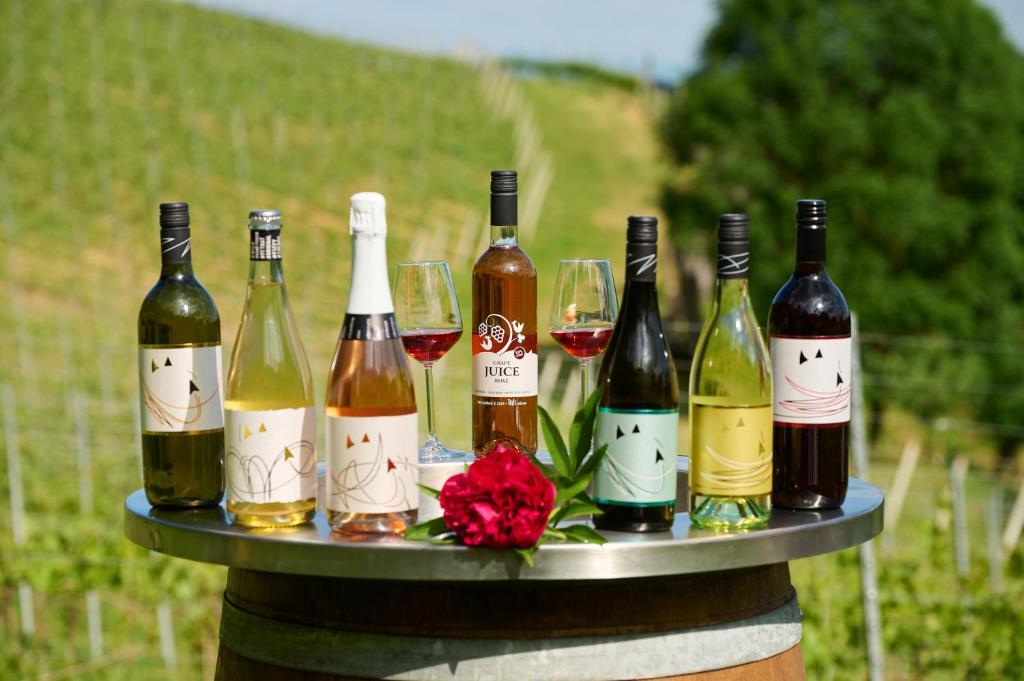
Modra frankinja, also known as Blaufränkisch, is a useful starting point for exploring the local vineyards. The castle has its own vineyard and wine cellar, and a tasting can be arranged as part of a considered visit. Contact the producer or host in advance rather than assuming a cellar is always staffed. At a rural stay, ask whether dinner or breakfast is available on your dates and what must be ordered ahead. Keep a driver or transfer arranged for tastings; a kitchen is valuable when a quiet hill address is the main attraction.
How does the season change the choice of base?
In warmer months, terraces and longer walking days make the hill bases especially appealing. Spring and autumn plans need flexibility for wet paths and changing mountain weather. Winter makes reliable heating, arrival roads and shorter daylight more important, while the castle's January–February closure changes a culture-focused itinerary. Some farm apartments are seasonal and mountain kitchens close on particular weekdays. Check the exact accommodation and meal calendar rather than treating the town, farm and mountain as if they all follow one timetable.
Prices are set by the booking site. We may earn a small fee, at no cost to you.