About Haenertsburg
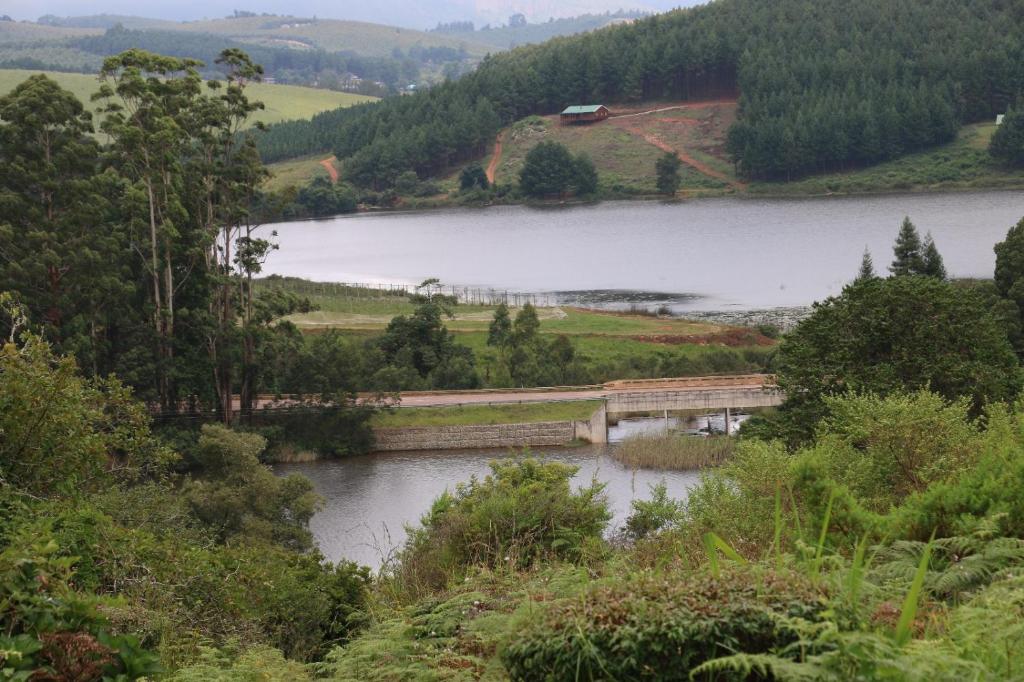
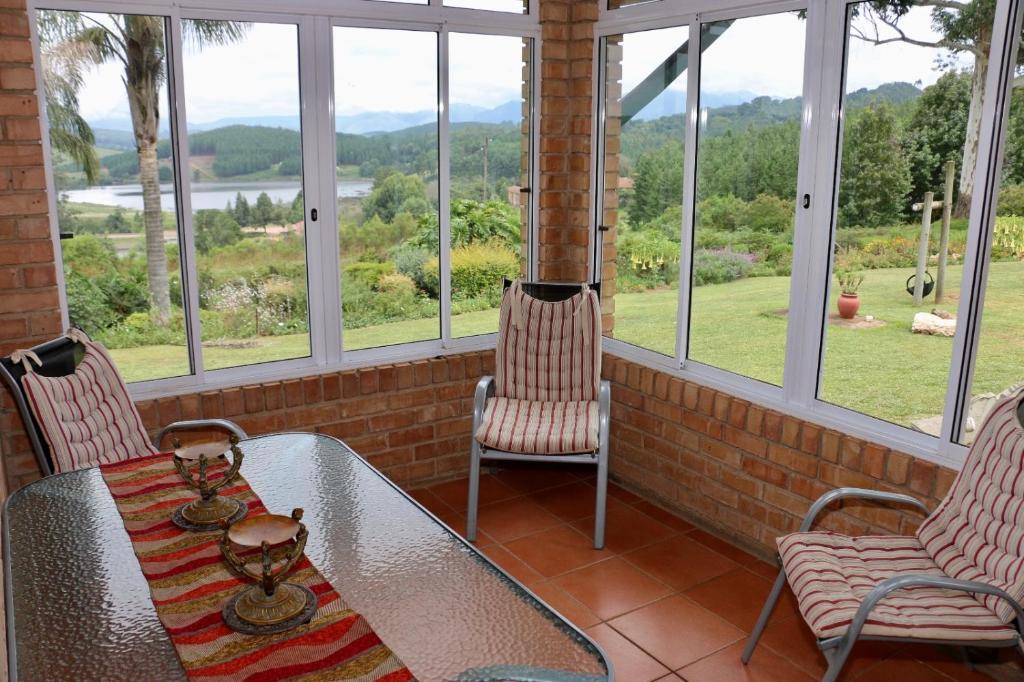
Haenertsburg works best as a small mountain stay, with time for a village breakfast, a walk and an unhurried evening by the fire. The main accommodation choice is between the compact village, farm cottages overlooking the Stanford Lake area and garden stays along Cheerio Road. In the village, you can walk to cafés and keep daily plans flexible.
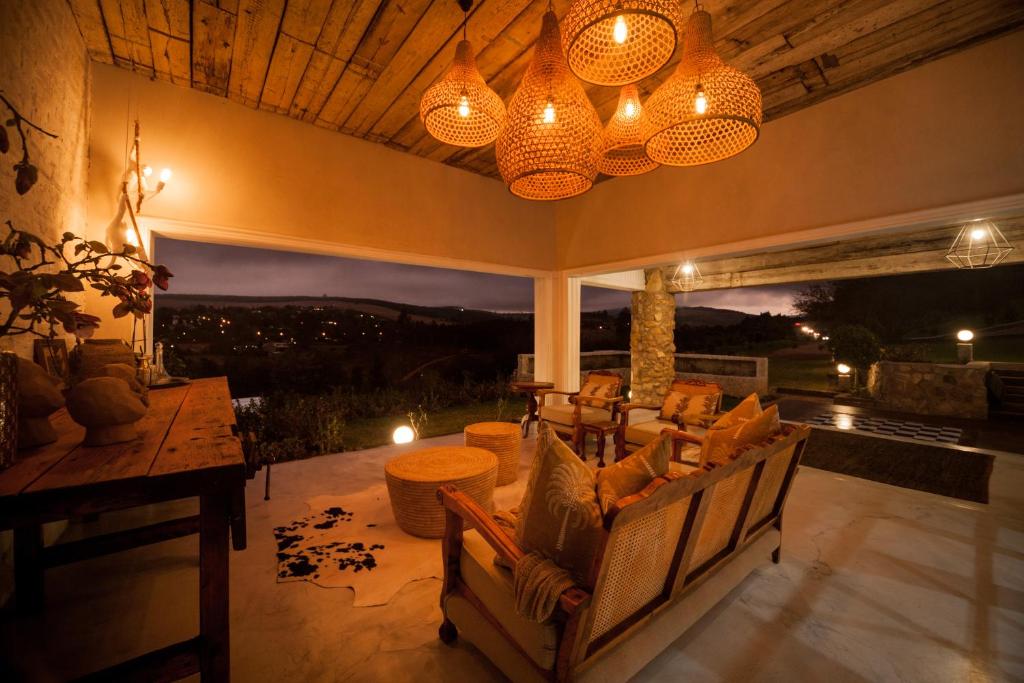
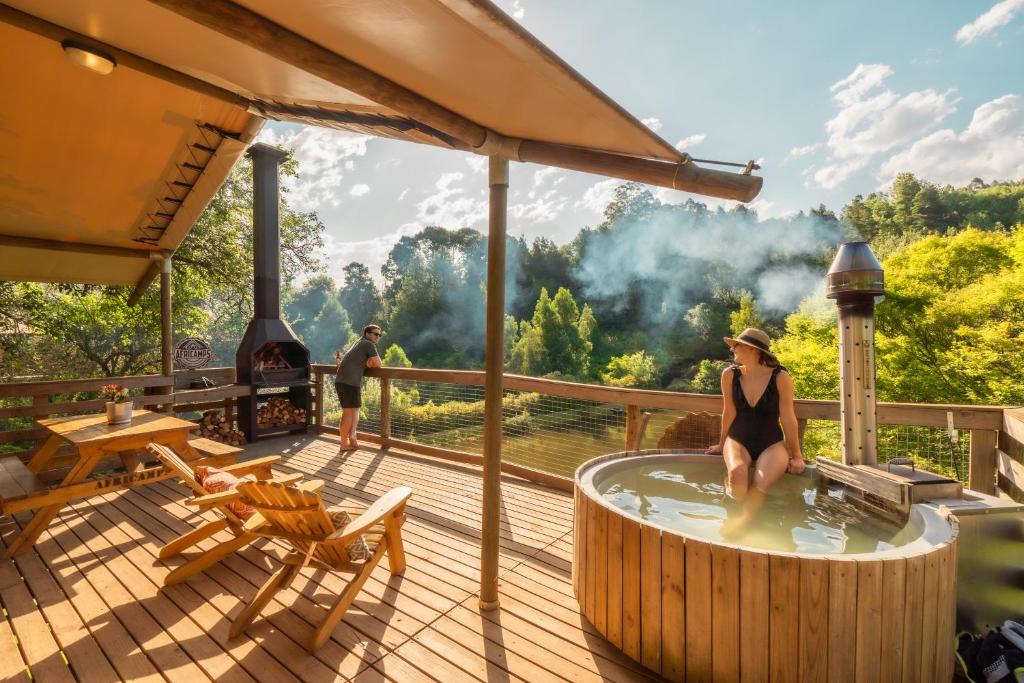
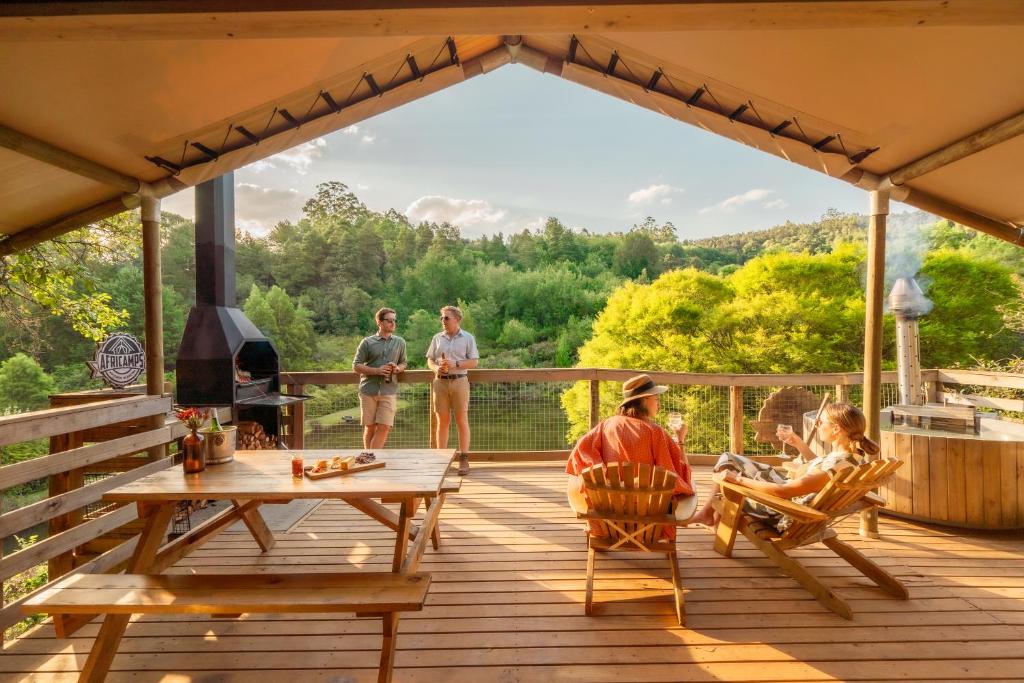
The lake setting rewards a car and a well-stocked kitchen. The garden lanes add larger cottages or furnished tents, with different pools, hot tubs and meal arrangements. These are nearby settings within one base; choose the room layout and evening routine before choosing the view.
Common questions
How many nights should I stay?
Two or three nights gives you time for a village afternoon, a grassland walk and a garden visit without rushing between them. Add a night if the accommodation itself is part of the plan, especially with a kitchen, pool or hot tub. Keep some flexibility for mist and rain. One base is enough for the village, Stanford Lake setting and nearby Cheerio lanes.
Should I choose the village, lake cottages or garden lanes?
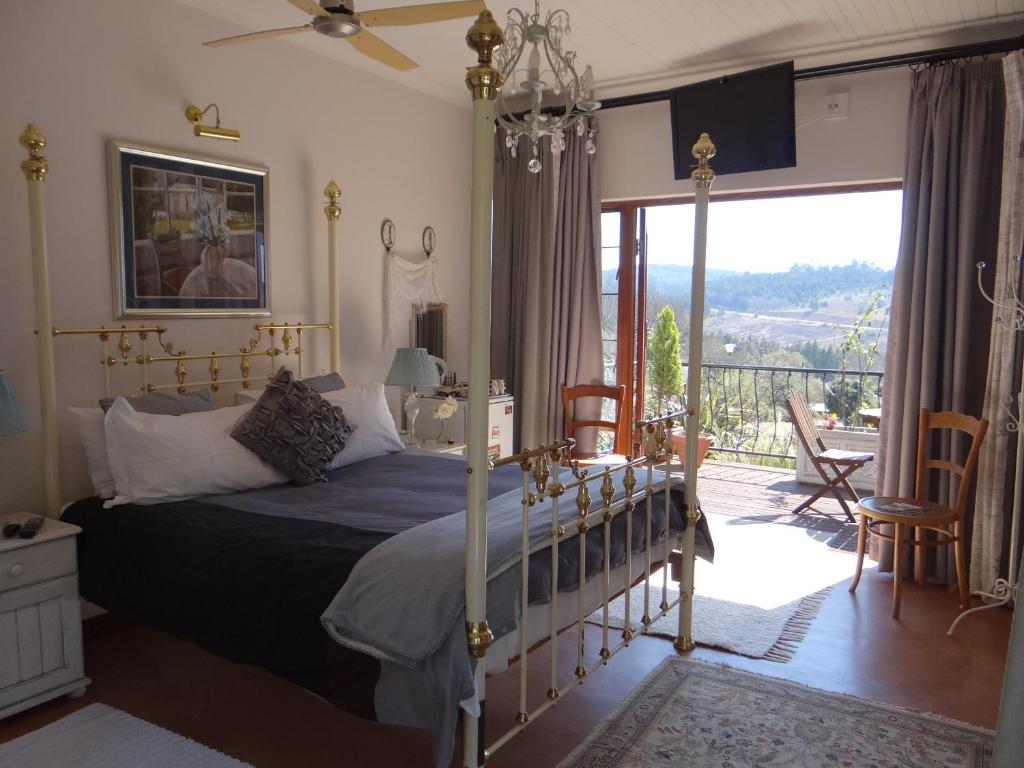
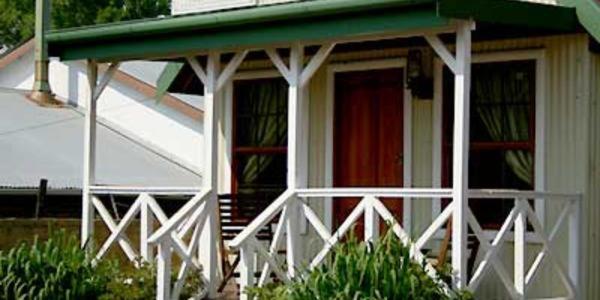
Choose the village for the simplest access to cafés, shops and the start of the local walking trail. The lake cottages suit independent meals and an outlook over the water, with your transport arranged. The garden lanes offer more choice between family houses and furnished tents. These are nearby accommodation settings, not separate destinations that require a night in each. Check the exact unit rather than relying on an estate's general amenities.
How do I arrive by road or air?
From Gauteng, follow the N1 toward Polokwane and the R71 east toward Haenertsburg and Tzaneen. The village is about 60 km from Polokwane city. Polokwane International Airport lists car-rental operators; prebook a car or transfer to your exact entrance. A local report dated 18 November 2026 announces a temporary R71 Magoebaskloof Pass closure on the morning of 21 November, with the R528 Georges Valley route as the alternative. Confirm your route and arrival time with your host if travelling that morning.
Can I stay without a car?
A village stay can work if you book both your arrival and departure transfers and plan most meals and walks locally. The compact centre is walkable, but a nearby estate may involve a main-road crossing. Lake cottages and garden-lane stays need more transport planning for groceries and outings. Do not assume a regular airport shuttle, an on-demand taxi or a late pickup. Ask the host to confirm the actual arrangement before reserving a remote unit.
Which local walk should I plan?
The Louis Changuion Trail starts and ends in the village, passing grassland and patches of indigenous forest. The shorter option is about 5 km, marked with white footprints; the full yellow-footprint loop is about 10 km. Allow roughly four to five hours for the full route at an unhurried pace. Get a current map and local conditions, carry water and suitable footwear, and leave daylight for the return. Smoking and fires are prohibited on the trail.
When is a good time to visit?
September and October are rewarding for gardens, but cherry and azalea flowering moves with the weather; confirm the current display rather than booking around a guaranteed peak date. October to March is generally the wetter period. May to August is cooler and drier, making working heating and dry firewood more important. Pack layers and rain protection in any season, and keep walking plans flexible when mist settles over the hills.
Are garden visits and fishing included with my stay?
Not automatically. Gardens, cafés and fishing waters have separate owners and opening arrangements, even along the same lane. Confirm garden access and tea service before visiting. One cottage resort has an on-site fly-fishing dam and a separate Letaba fishing venue about twenty minutes away; they are not two facilities on the same grounds. Ask about equipment, permission, current stocking and access. A lake-view cottage does not itself include fishing, boating or swimming rights.
What should families check before booking?
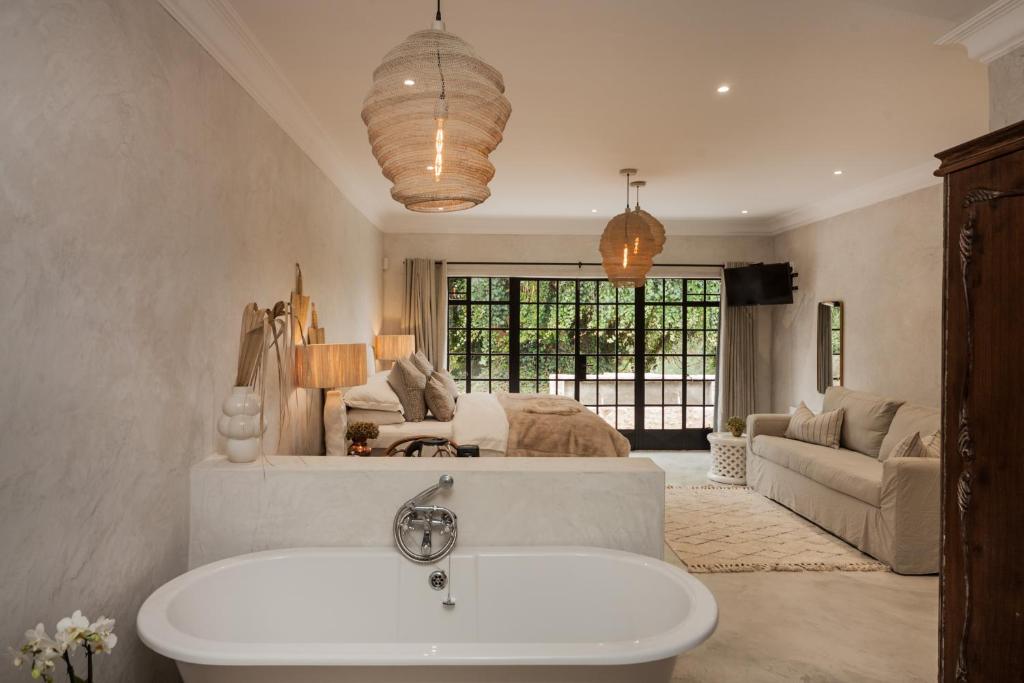
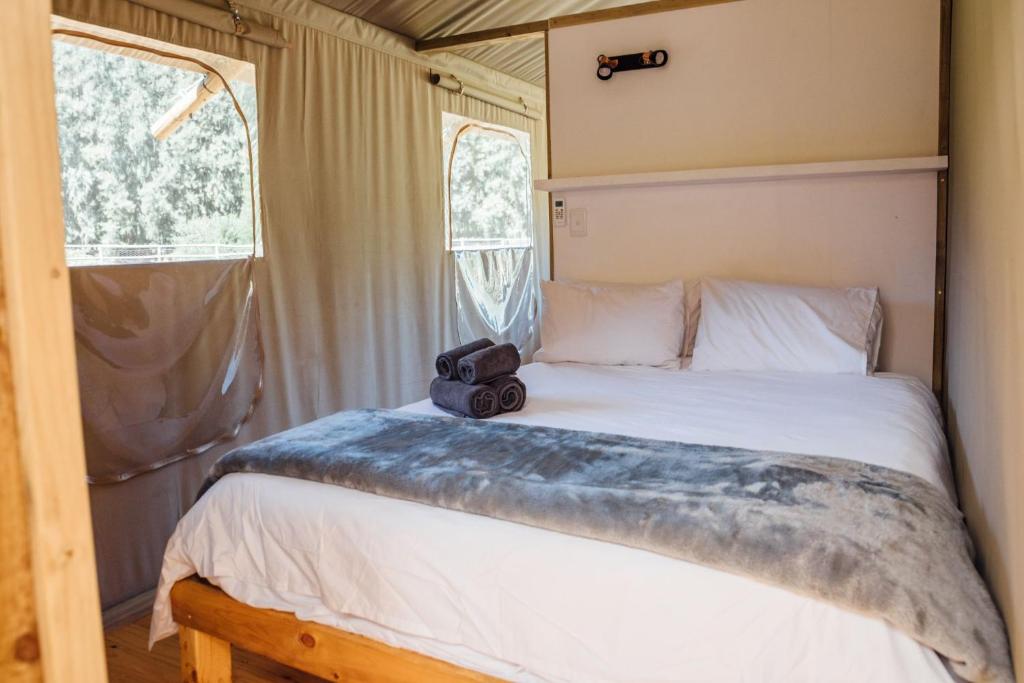
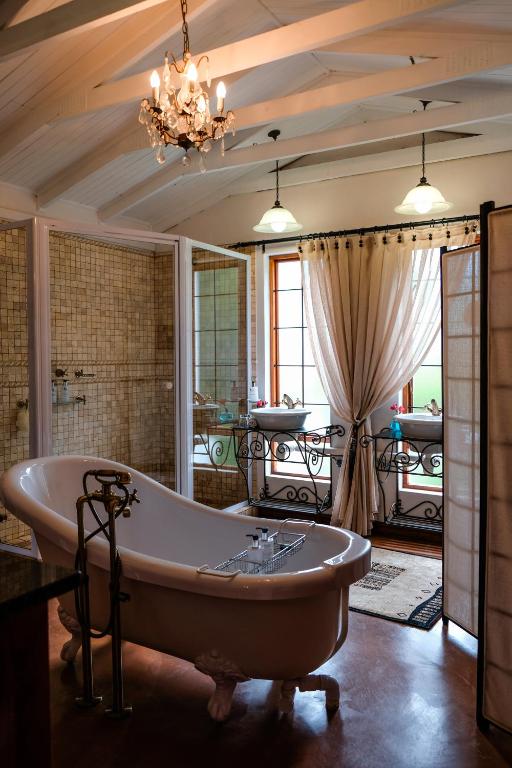
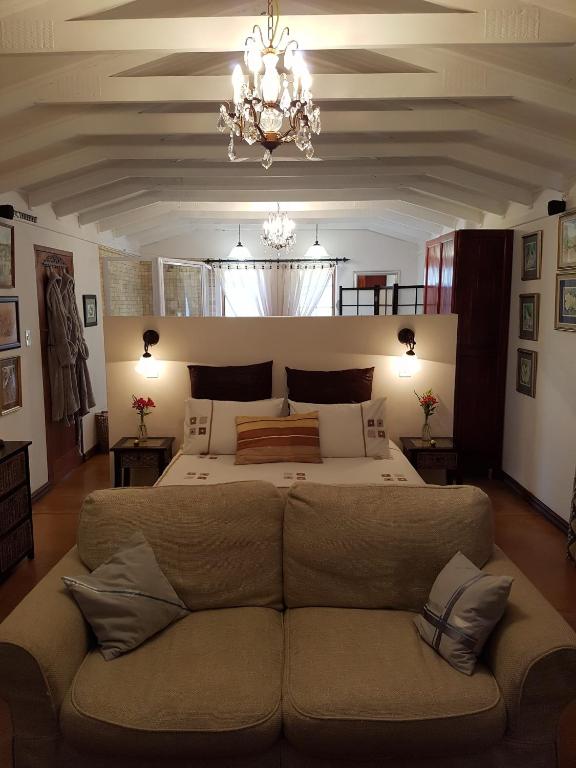
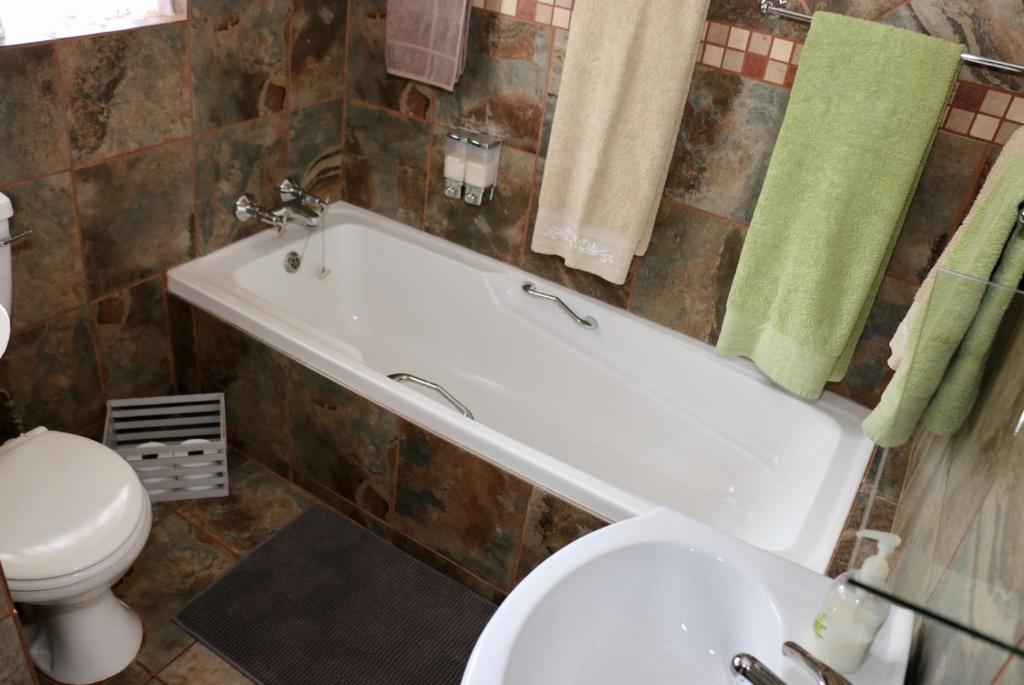
Look beyond the maximum occupancy. A cottage may use a sofa bed in its living room, another may put beds in a loft, and a two-bedroom cabin may have only one bathroom. The selected tent operator has both five-person family tents and two-person studios. Confirm stairs, bathroom access, pool and hot-tub supervision, and any cot. One village guesthouse publishes conflicting under-five policies across booking sites, so obtain explicit confirmation for your child's age and room.
Is self-catering practical, and can I buy supplies locally?
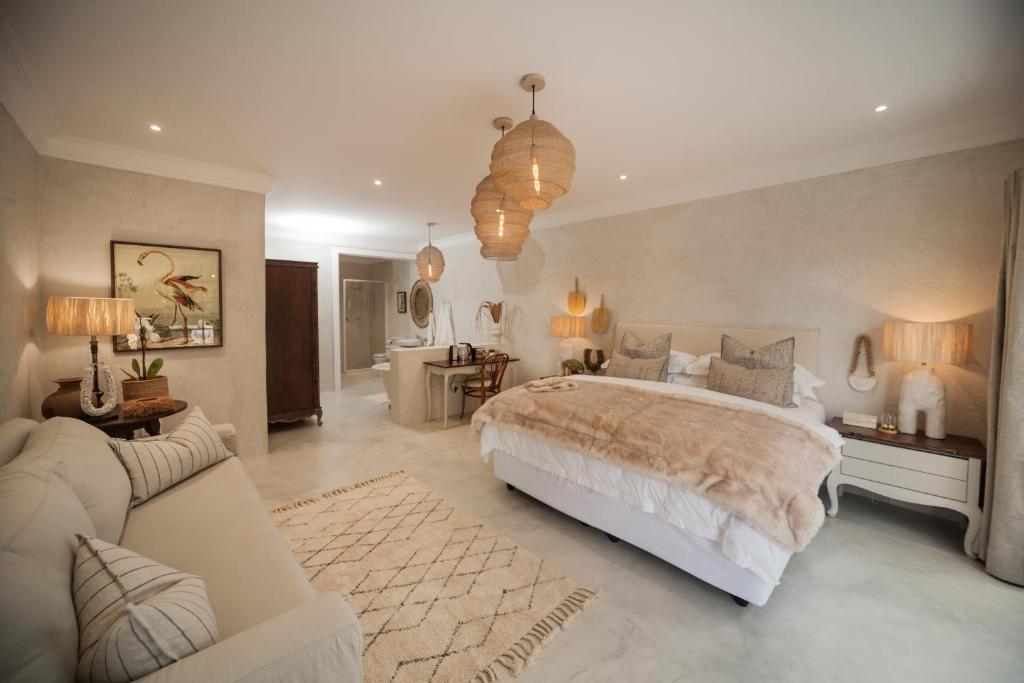
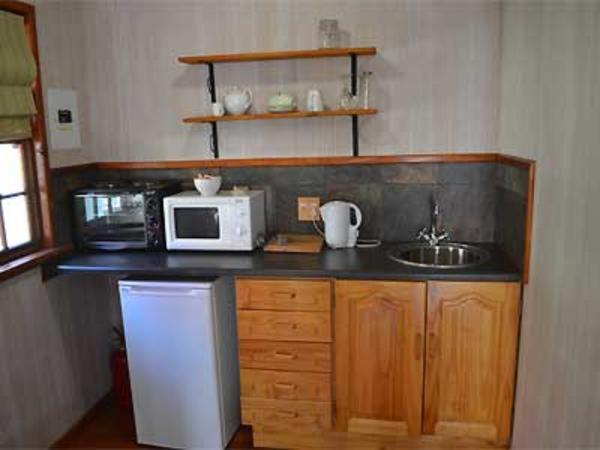
Yes. Village tourism information lists a grocery shop, petrol station and ATM, alongside cafés and restaurants. Buy the ingredients you need before settling into a farm cottage, and check opening times for your arrival day. A guesthouse room may have only a fridge and tea facilities, while a cabin has a full kitchen. Some tent stays offer breakfast or braai ingredients for you to cook. Confirm dinner arrangements and café days rather than assuming there is an evening restaurant on site.
What can I do on a quieter day without a long hike?
Browse the village's books, crafts and antiques, pause for a café meal and visit the arbour park a few blocks from the centre. It offers a gentler outing than the hill above the village. The cemetery has broad views but requires an uphill walk and should be visited respectfully. A prearranged garden visit can fill the afternoon. These shorter options leave time to enjoy your accommodation if mist or rain makes a longer trail less appealing.
Prices are set by the booking site. We may earn a small fee, at no cost to you.