About Tulbagh
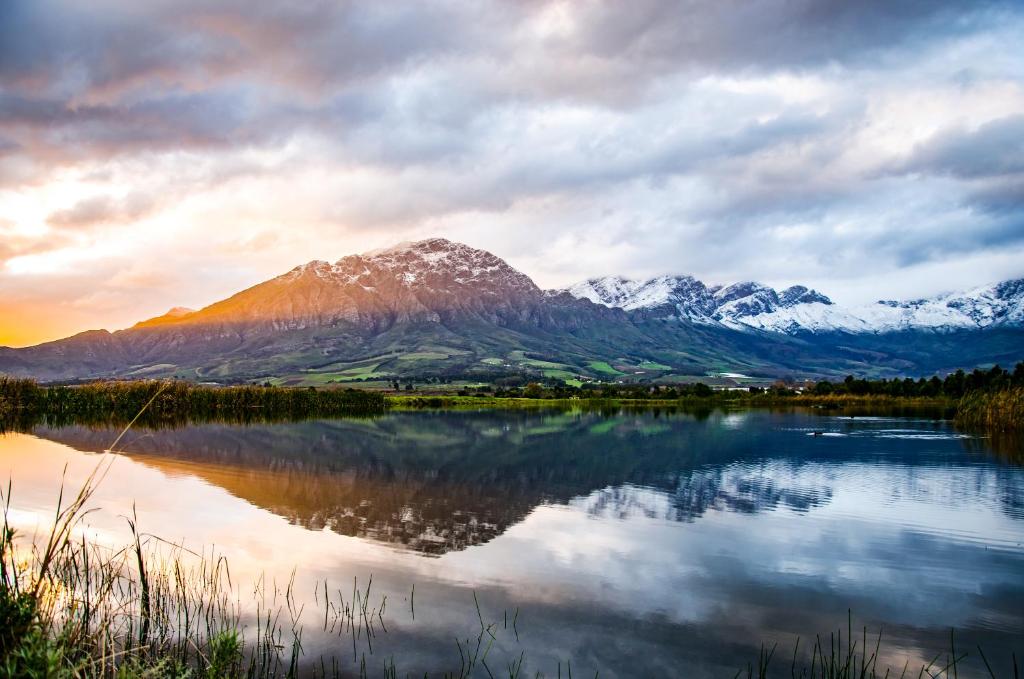
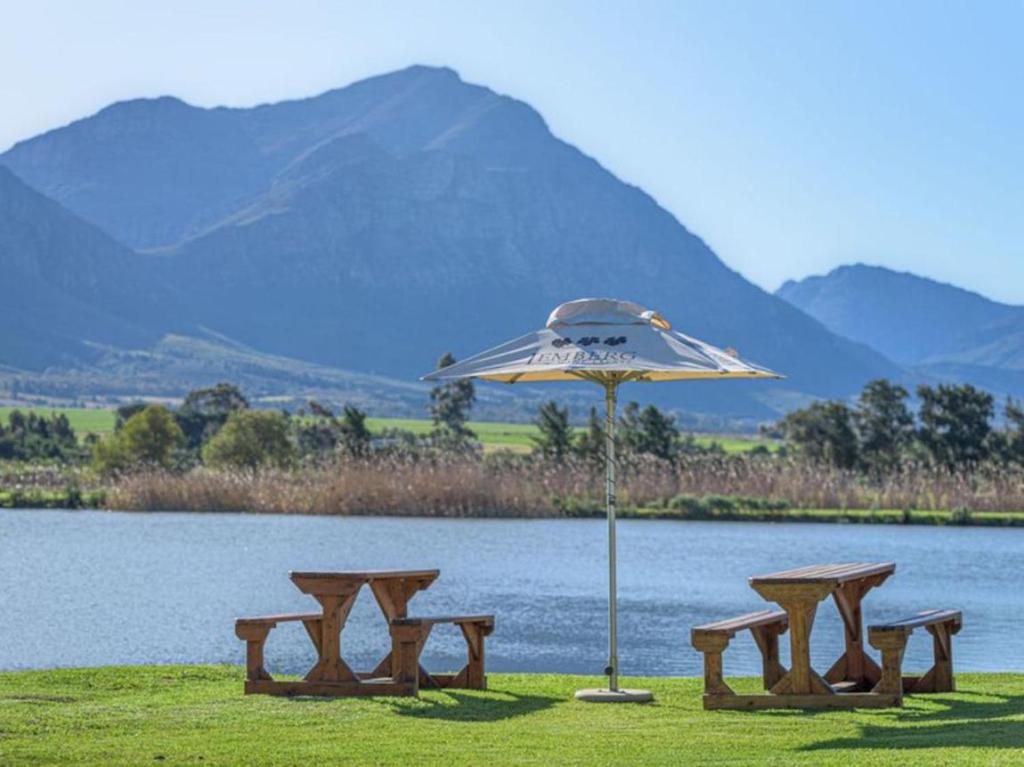
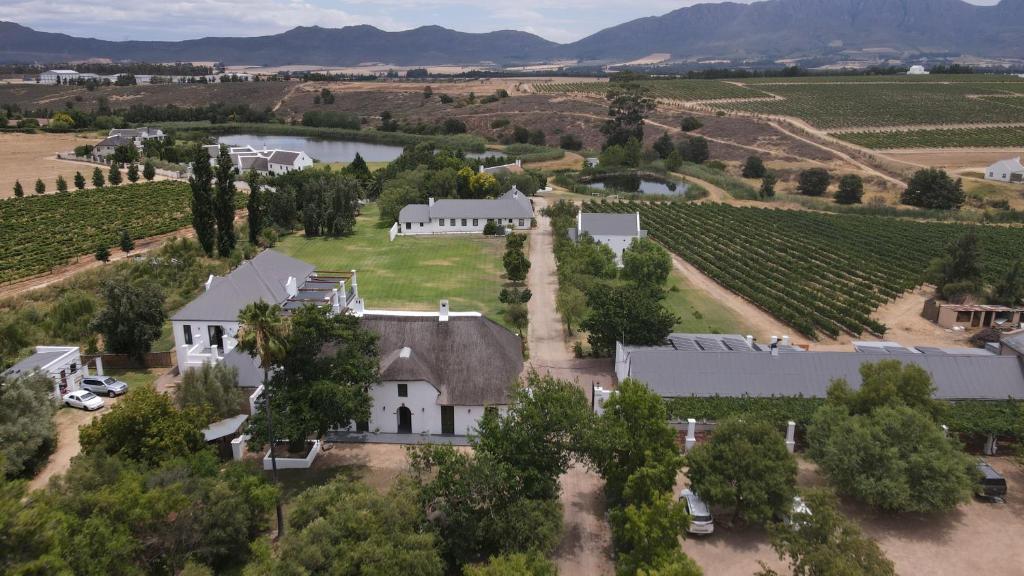
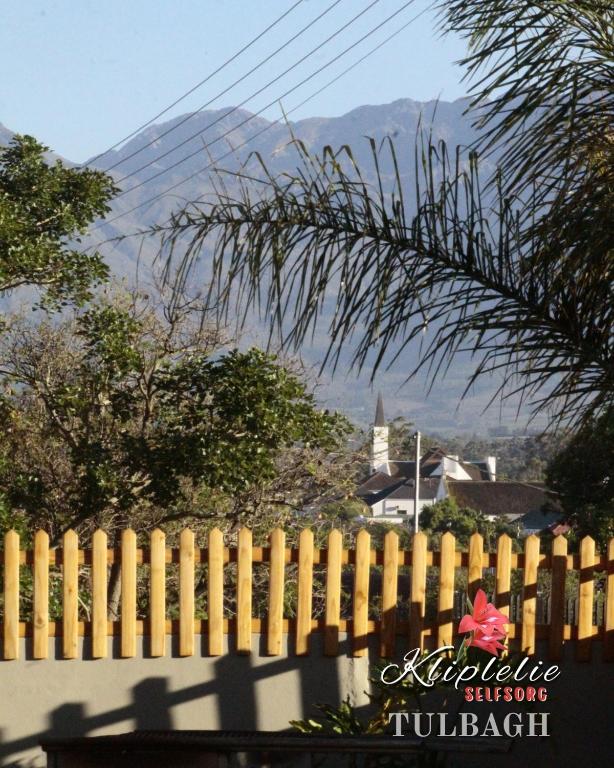
Tulbagh combines a walkable historic centre with vineyards, olive farms and cottages spread beneath the mountains. An overnight stay gives Church Street more than a quick photo stop: you can visit the museum buildings, plan a tasting without rushing back to Cape Town, or leave a separate morning for a permitted farm walk. The accommodation is unusually varied.
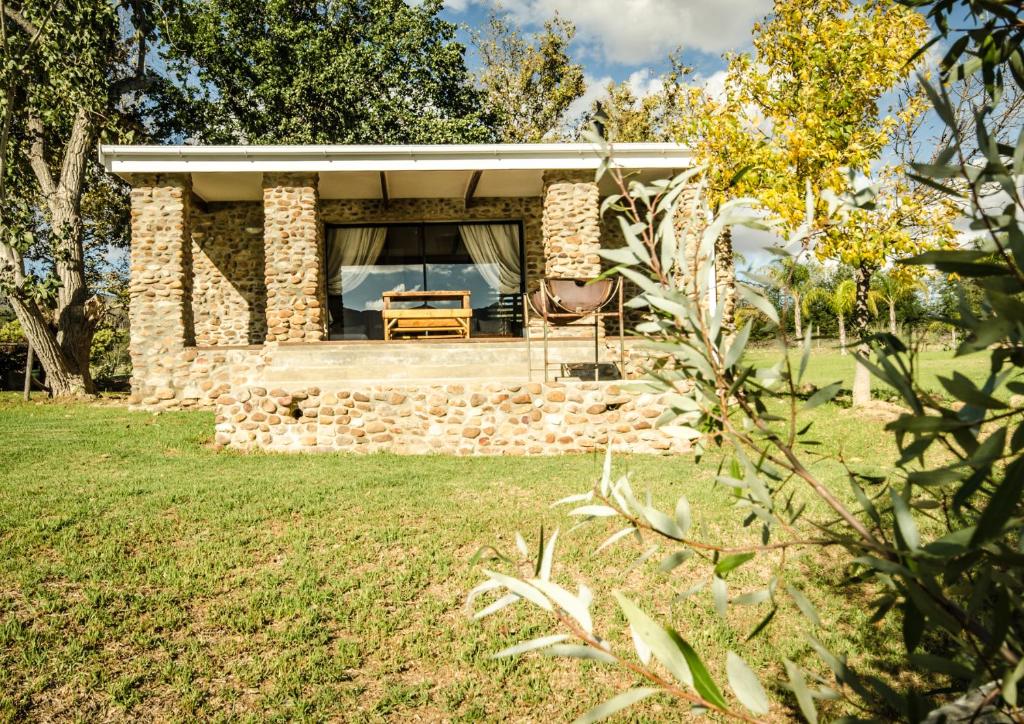
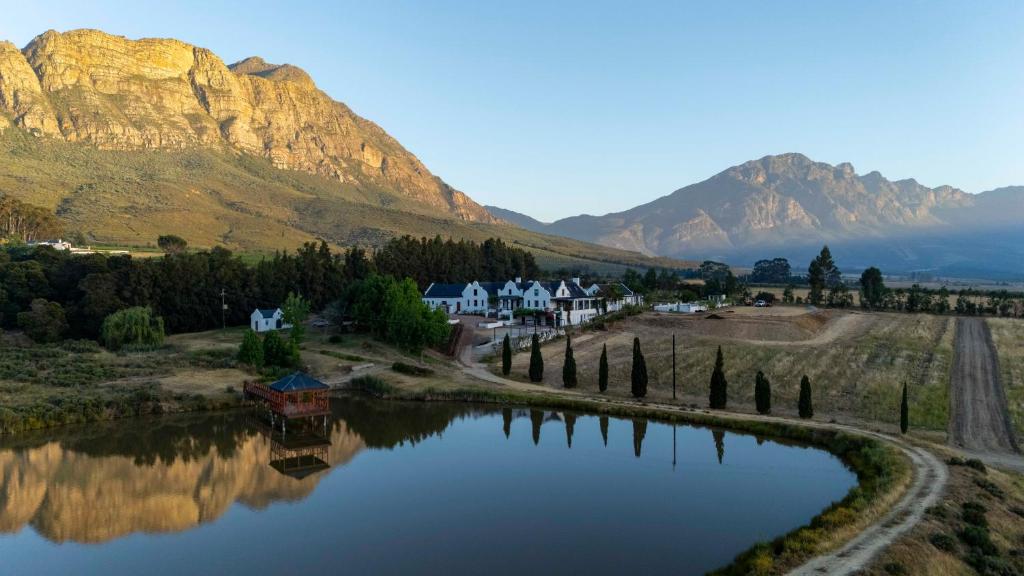
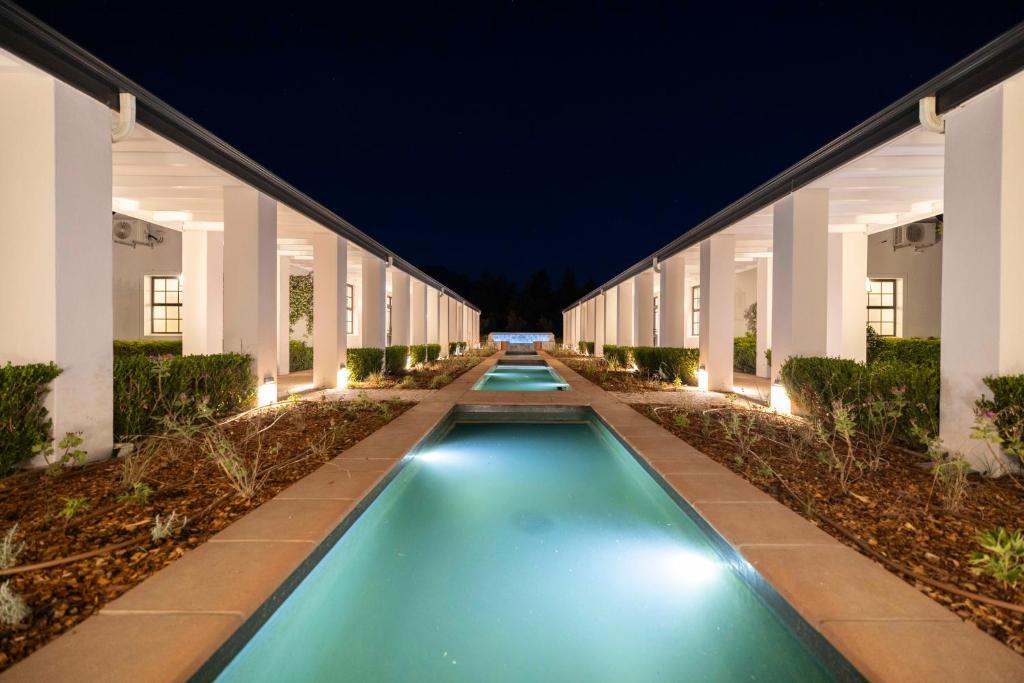
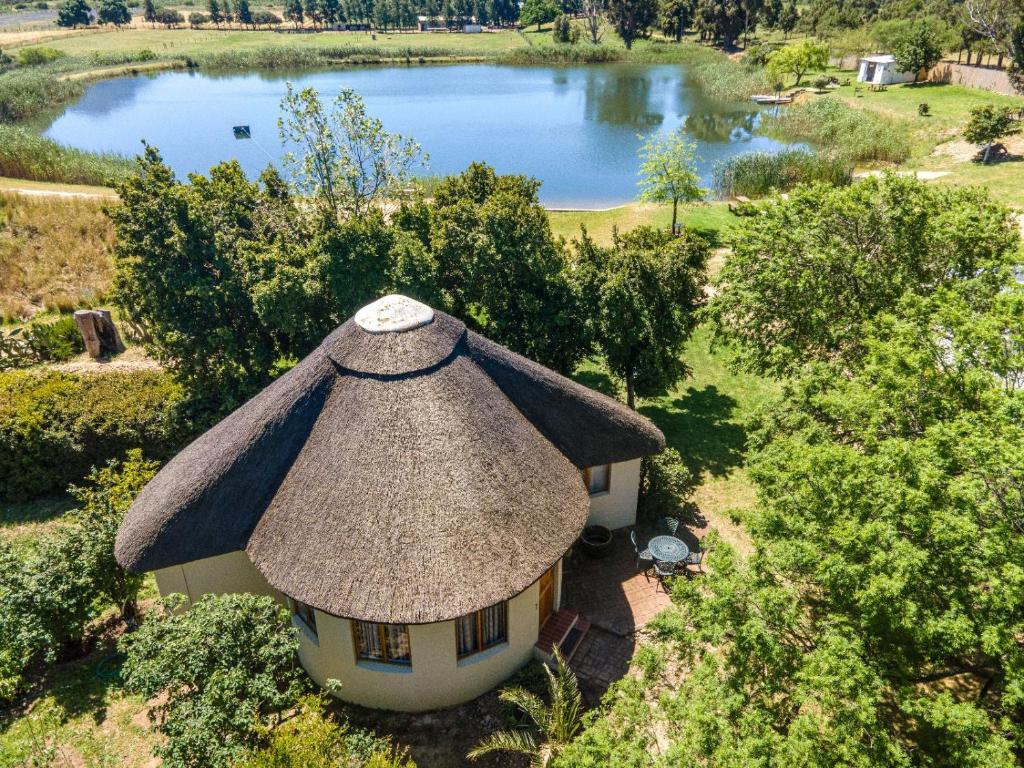
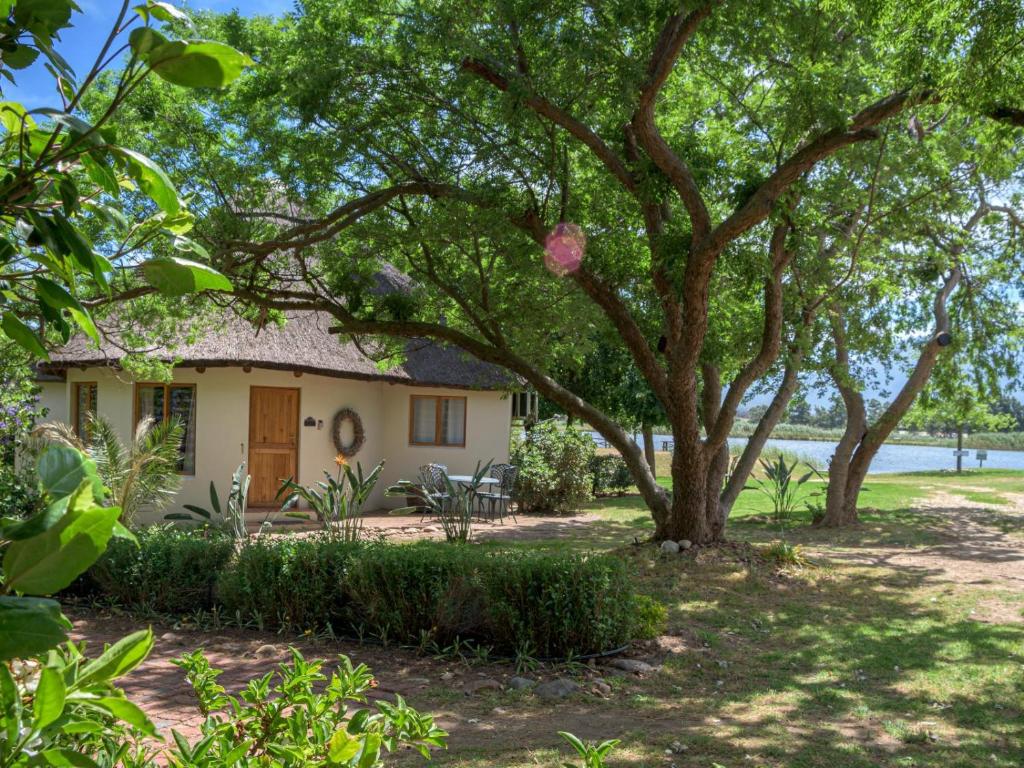
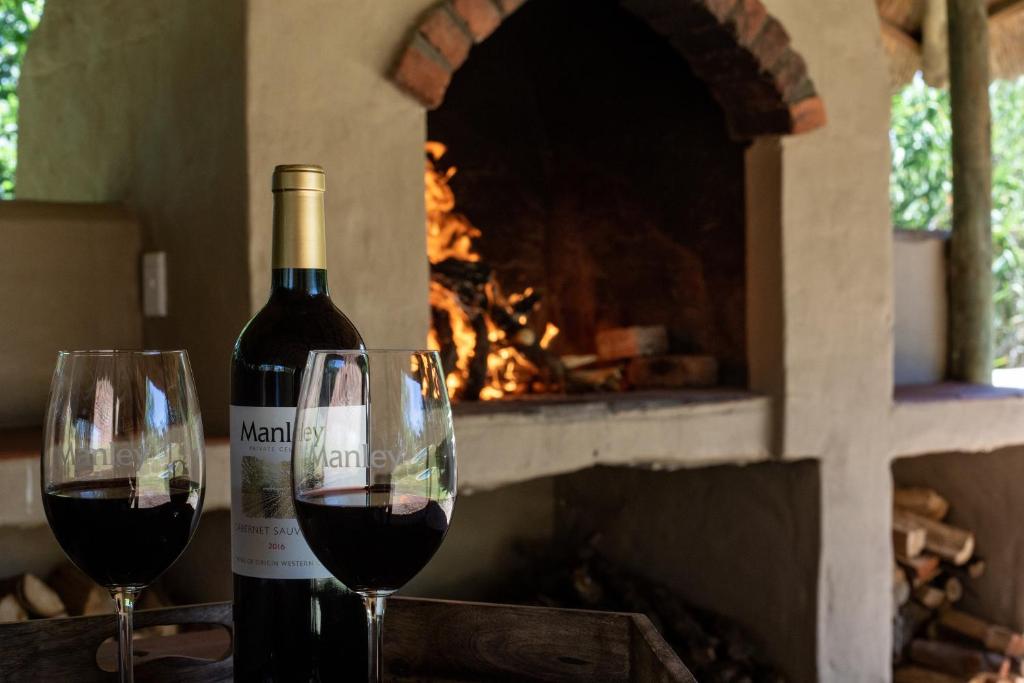
A town room may put dinner nearby, while a vineyard cottage can offer a fireplace and a proper cooking kitchen. A treehouse, open sleeping loft or room beside a farm dam brings different privacy and family considerations. Compare the exact room plan, meals and last stretch of road before choosing a view.
Common questions
Which setting is best for a first visit to Tulbagh?
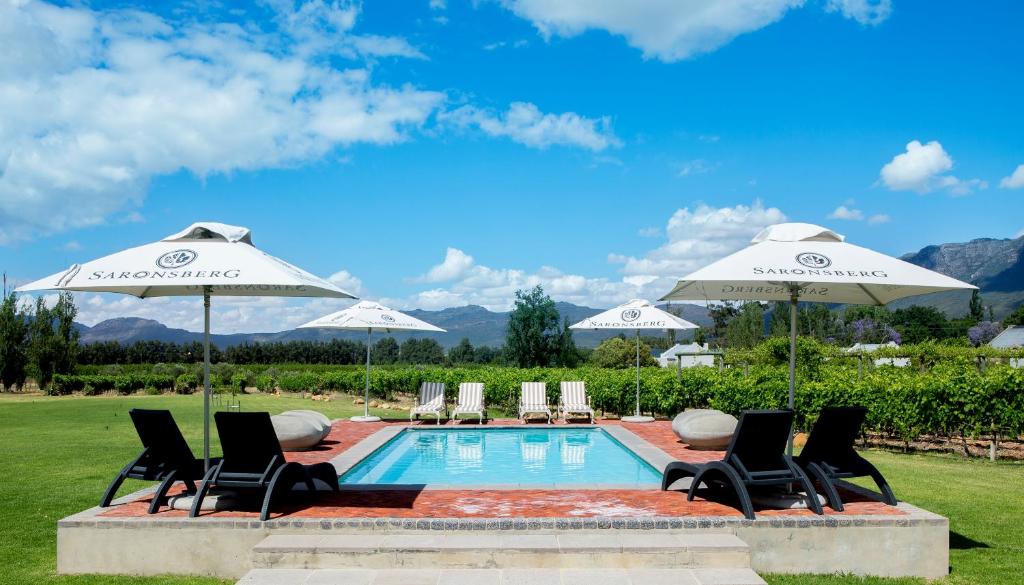
Stay in the heritage streets if your priority is Church Street, museum visits and choosing meals in town. Pick the northern or northwestern farms if you want time on a veranda, a pool or a kitchen for several nights. Winterhoek and Theuniskraal have useful small-cottage and larger-house choices; the Twee Jonge Gezellen lanes offer more variation between cooking cottages and serviced suites. The southwestern R44 option suits travellers comfortable with its specific shared-kitchen and bathroom layouts. Choose the daily routine before the mountain view.
How do I reach Tulbagh from Cape Town?
One established road approach follows the N1 towards Paarl, leaves at exit 47 for the R44 towards Wellington, and continues onto the R46 through Nuwekloof Pass before the Tulbagh turn. The main approach is tarred, but a farm's final lane may be gravel. Get the host's gate pin and current road advice, and leave time for the agreed reception window. If you are arriving without a car, arrange the full road transfer and the final farm pickup before travelling.
How many nights should I stay, and is a car necessary?
Two nights allow a heritage visit and a separate tasting or farm outing; three make room for a longer walk and unhurried meals. The central streets work for a short stay on foot once you have arrived. Farm accommodation and tasting stops are spread across the valley, so a car or prearranged rides make a substantial difference. Tulbagh Tourism lists local shuttle and minibus operators. Agree pickup, waiting and return arrangements, especially for a tasting day, rather than expecting a scheduled circuit.
What can I see along Church Street?
The restored street brings together Cape Dutch, Victorian and Edwardian buildings, with the 1969 earthquake an important part of the town's story. The museum's own current description covers four historic buildings, including the Oude Kerk, built in 1743. Allow time for interiors as well as the street, but confirm which museum buildings are open that day. A pleasant walk past the façades does not imply that every historic house is open to visitors. Start with the tourism office if you need current access advice.
How should I plan wine and olive tastings?
Reserve the tasting and any meal separately, then arrange a driver or local transfer if you plan to drink. Krone at Twee Jonge Gezellen takes reservations for its Cap Classique tastings, with an underground-cellar option booked separately; check the current calendar, particularly for Sundays and holidays. An olive tasting at Oakhurst offers a different stop, subject to confirming the session. Sleeping on a wine farm does not automatically include a tasting, a restaurant dinner or transport between estates.
Which walk has clear permit and access information?
Murludi publishes a 4 km River Route around orchards and an irrigation dam, and an 8 km Elsbos Route extending into the Witzenberg foothills. Its suggested walking range is about one and a half to three hours, depending on the route. Obtain the required permit on the farm and check seasonal opening hours before setting off. Pets and open fires are prohibited, and vehicles stay at the parking area. Carry water, suitable shoes and sun protection, with a rain jacket in winter; other farms and mountain paths need their own access checks.
When is a good time to visit, and what should I pack?
November to February is generally hot and dry, while June to August is cooler and rainy. Spring can bring green vineyards and orchard blossom, and the harvest period adds activity to the valley, but specific displays and events need current confirmation. Start walks early in hot weather and bring a warm layer for cooler evenings. For winter stays, check the fireplace and heating arrangements. In summer, confirm the room's cooling and whether it, hot water and cooking equipment work during a power interruption.
Should I choose a room with meals or a cooking cottage?
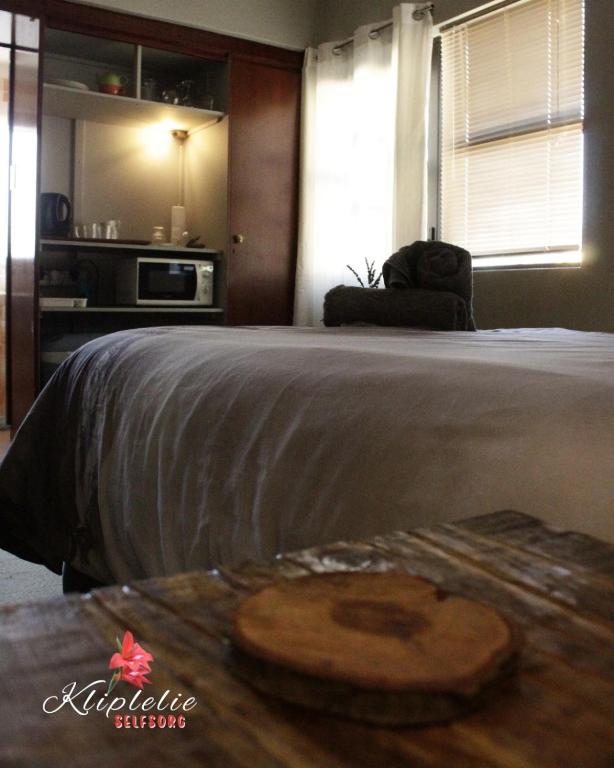
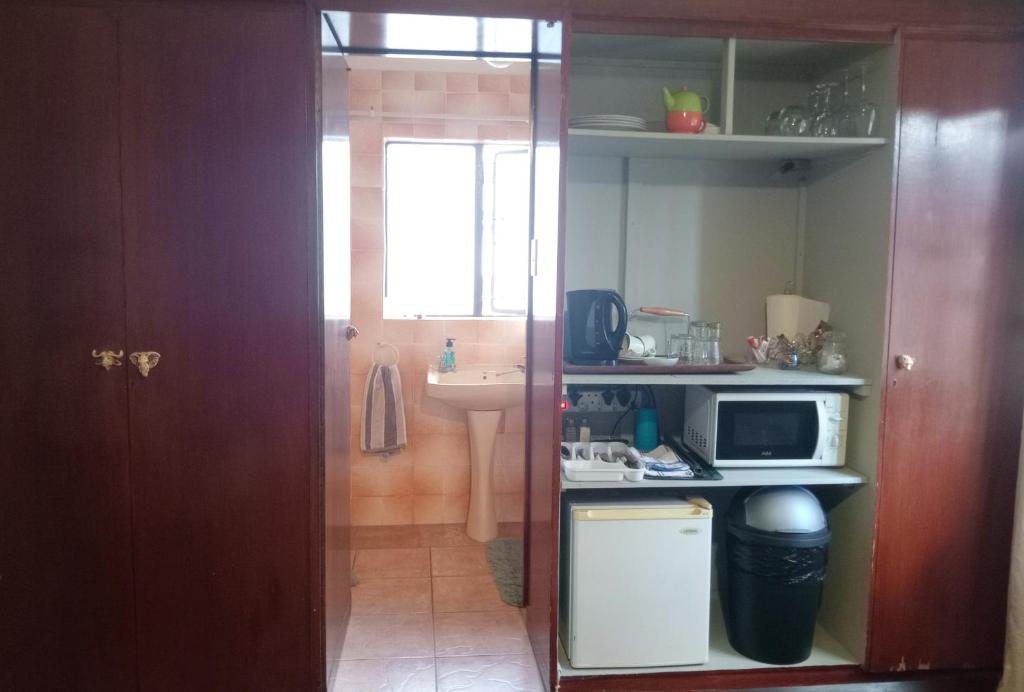
A town hotel or a farm suite with confirmed dining is convenient for a short break. For longer stays or children, a cottage with a hob, oven and suitable fridge gives more independence. Some studios and treehouses instead provide a microwave, bar fridge and kettle; a barbecue does not make the indoor kitchen complete. Check breakfast inclusions by category, reserve dinner or order a meal basket before arrival, and buy groceries before settling into a farm. Housekeeping can also differ between serviced rooms and cottages.
Which details matter most when booking with children?
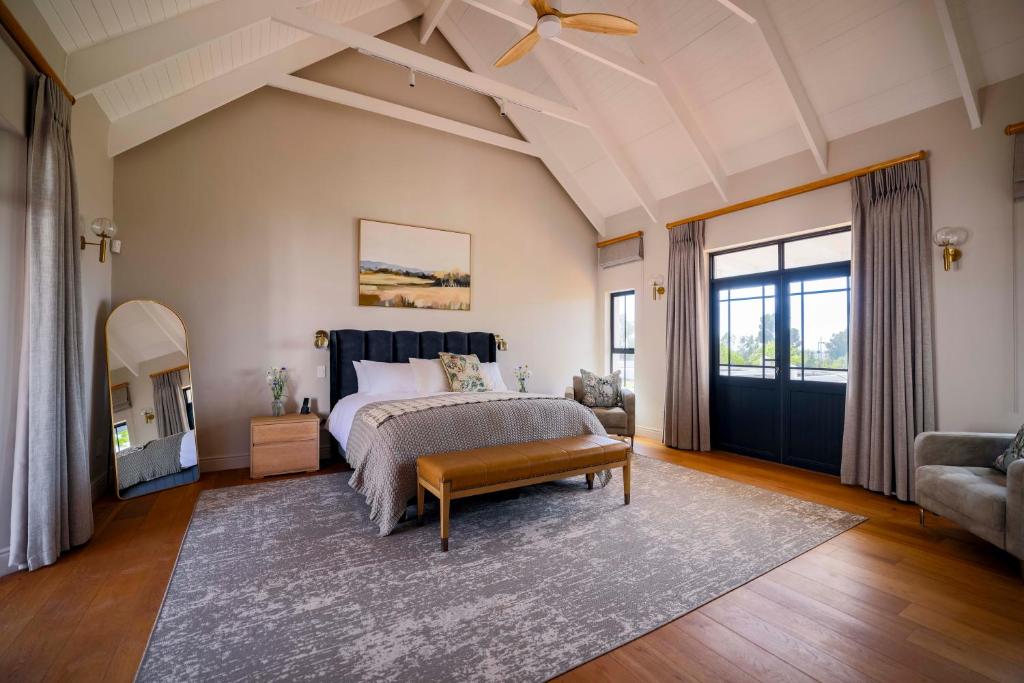
Ask for a room plan and the exact number of separate bedrooms. The central hotel's family category has a children's bedroom for a two-adult, two-child group, while some farm cottages use an open alcove or loft for extra sleeping places. Two bedrooms may share one private cottage bathroom or each have their own. The raised treehouse category excludes under-thirteens, and the small West Street room is adults only. Many listings provide no cots or extra beds, so confirm each child's age and existing sleeping place before paying.
What else should I confirm before a farm stay?
Send your expected arrival time, request the correct gate directions and ask about the current final road surface. Confirm pet approval for the exact unit, because a property's general listing and a particular cottage may have different rules. Ask which pool or hot tub you may use and how children are supervised around water features; a dam view does not establish swimming or boating access. If you need reliable internet or electrical equipment, check those requirements directly. These small arrangements decide whether a rural stay is comfortable for your group.
Prices are set by the booking site. We may earn a small fee, at no cost to you.