About Wakkerstroom
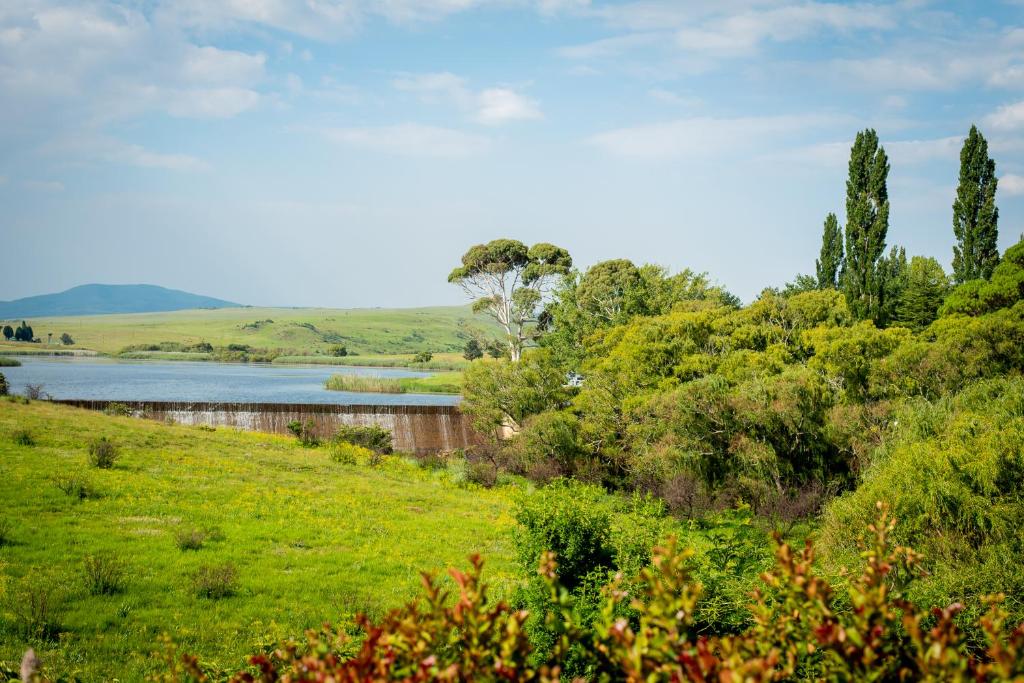
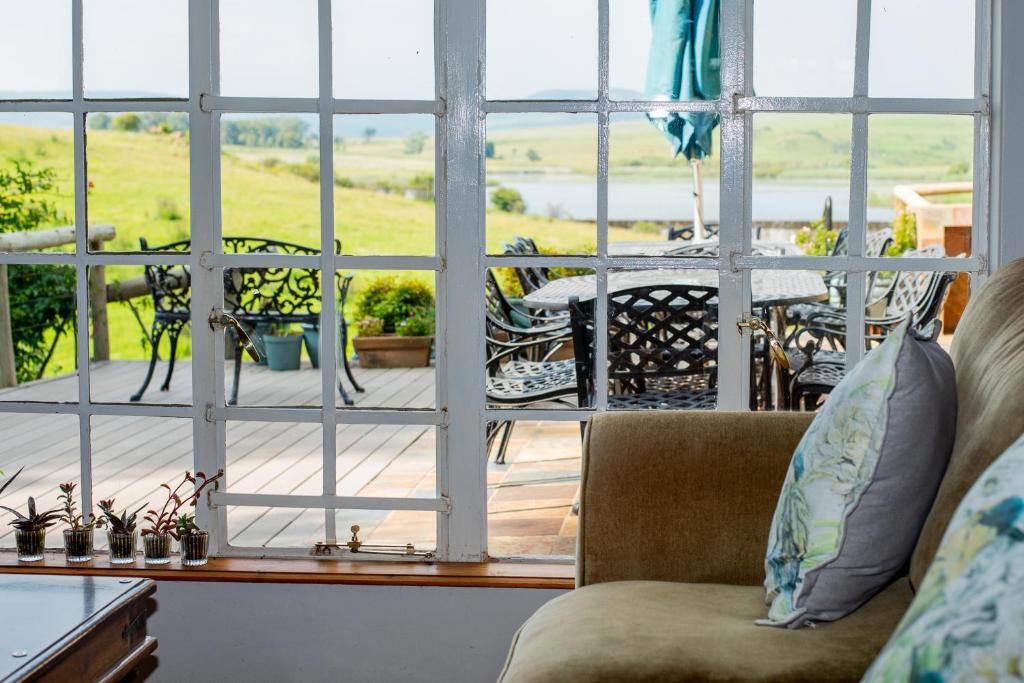
Wakkerstroom is a small village in Mpumalanga, close to the KwaZulu-Natal border, with wetlands and open grassland around it. An overnight stay gives you time for a birding morning as well as the village's food, gardens and old buildings. The practical choice is how much you want to do from your door.
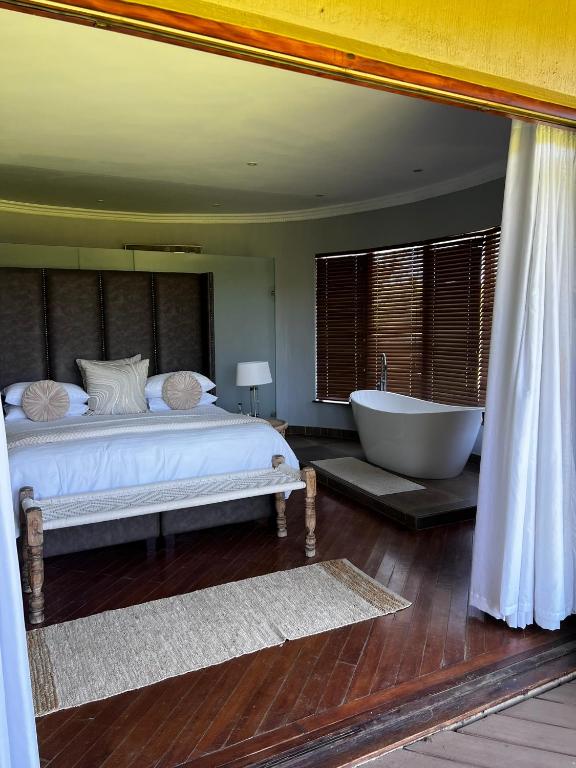
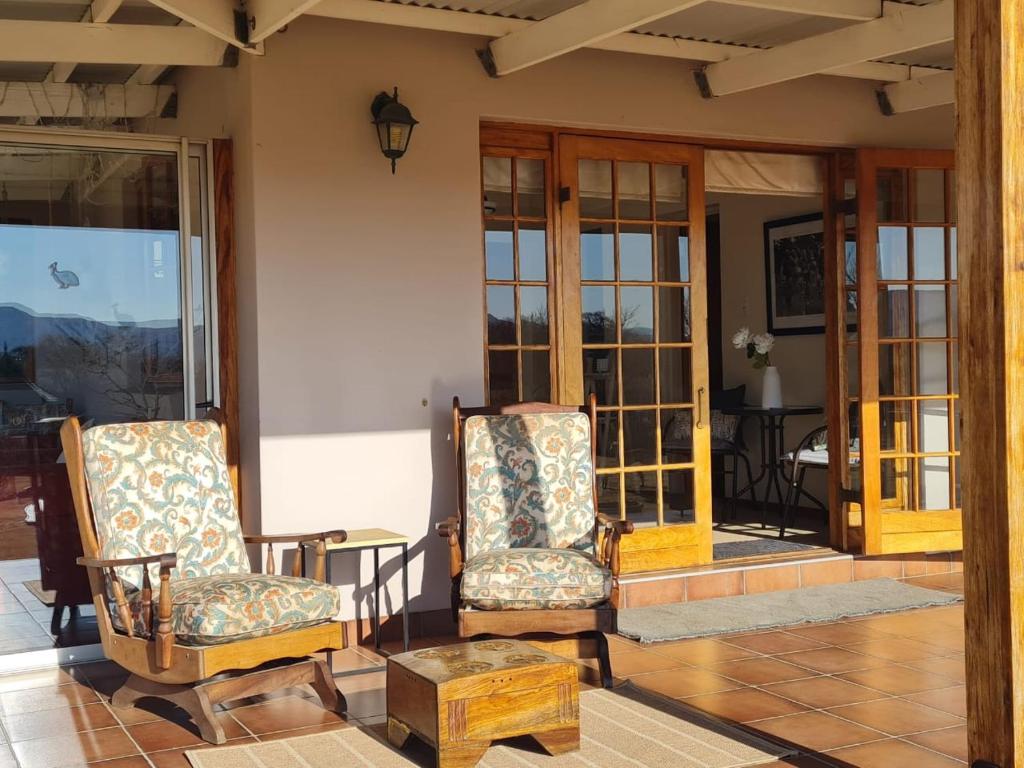
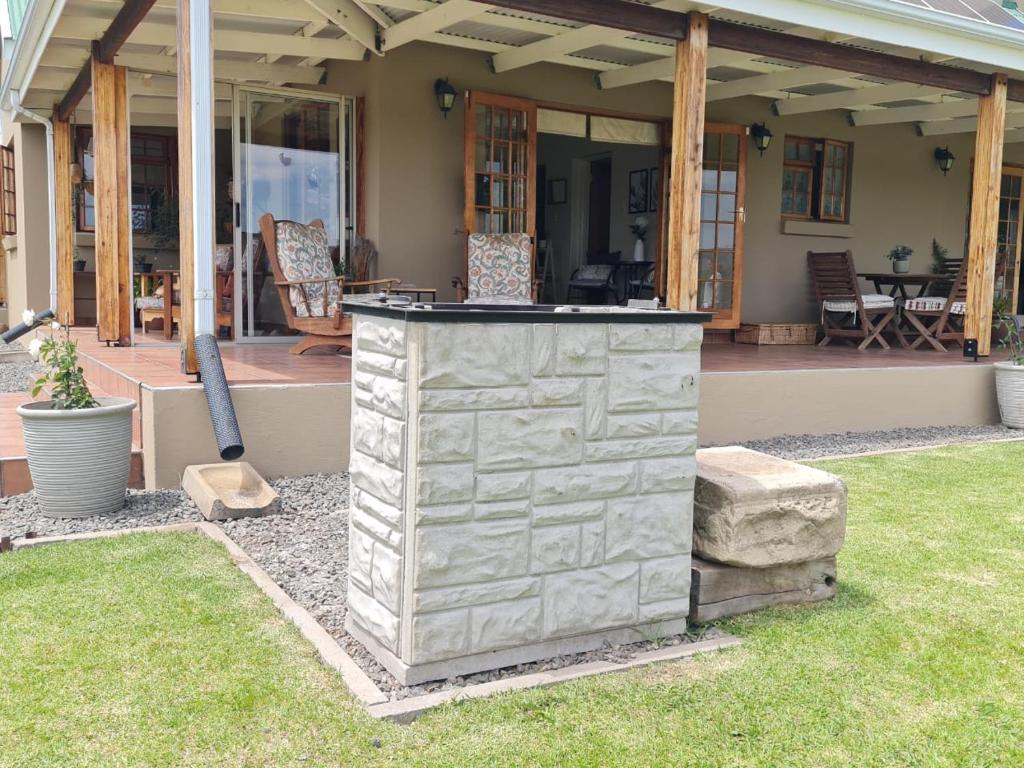
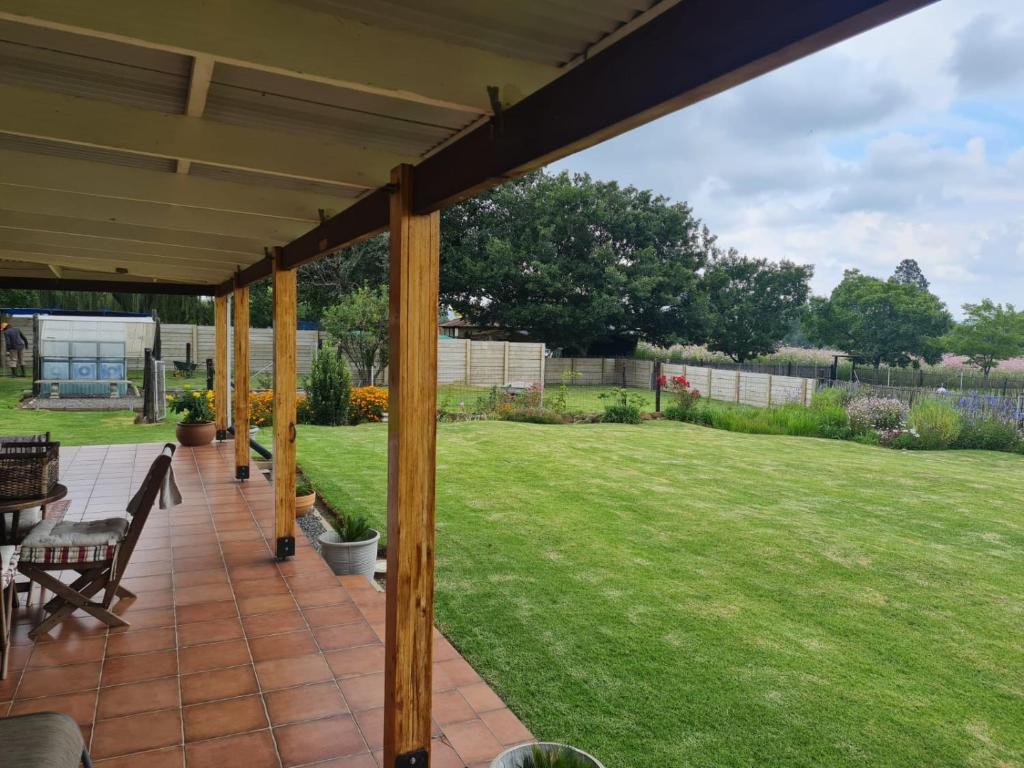
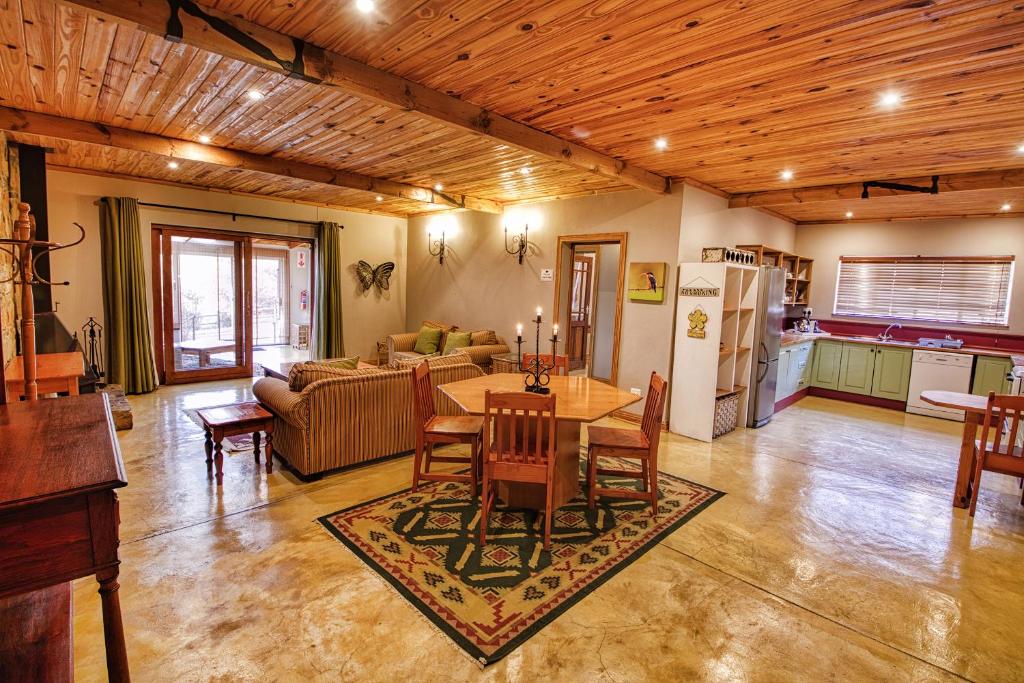
Central rooms put meals within the village; nearby farms offer more space and countryside, but require a plan for dinner and driving. A room with breakfast, a cottage with a proper kitchen and a guest room with a microwave provide quite different stays here.
Common questions
How many nights should I spend in Wakkerstroom?
Two or three nights is a useful starting point: allow one early wetland visit, a longer grassland outing and time for the village. Add nights if you want specialist birding or unhurried days at a cottage. You can explore the three nearby stay settings from one base; there is little reason to move accommodation between them during a short visit.
Do I need a car?
A car makes the farm stays and wider birding routes easier. Central village meals and short walks can be done on foot, but much of the surrounding birding follows gravel roads. Without a car, arrange both your arrival and departure, then confirm transport for each guided outing. Ask who provides the vehicle and where you will meet before booking a rural room.
How do I reach Wakkerstroom from Johannesburg?
South African Tourism describes the N3 toward Durban, then the R23 at Heidelberg through Standerton and Volksrust. Take the R543 toward Piet Retief for about 28 km from Volksrust to Wakkerstroom. Local tourism estimates roughly three and a half hours from Johannesburg city. Allow time for stops and the final farm approach, confirm current directions with your host and aim to arrive in daylight.
Where should a first wetland visit begin?
BirdLife identifies the raised road heading north toward Amersfoort and the picnic area below it as useful starting points. Clive Beck and WoW hides are on the northern side; Iain Drummond and Crane hides are on the western side. As checked in November 2026, local tourism marks Iain Drummond Hide as under repair. Confirm which hides and paths are usable before planning your visit.
Should I book a guide, and can I visit the conservation centre?
A trained local bird guide is useful for the grassland routes, changing conditions and birds that are difficult to find. Agree the meeting point, transport and your interests in advance. BirdLife currently states that its Grasslands Conservation Centre is closed to the general public and no longer offers accommodation. Arrange guiding directly through the published local contacts; do not plan a drop-in visit to the centre.
When is a good time to visit?
South African Tourism recommends summer for birdlife and wildflowers, while the local bird club describes birding throughout the year, including resident species in cooler months. Decide around your interests and the current forecast rather than a guaranteed checklist. Bring binoculars, comfortable walking shoes, warm layers for highland mornings and weather protection. Ask about recent rain and the condition of any gravel route you intend to use.
Which room arrangements work for families?
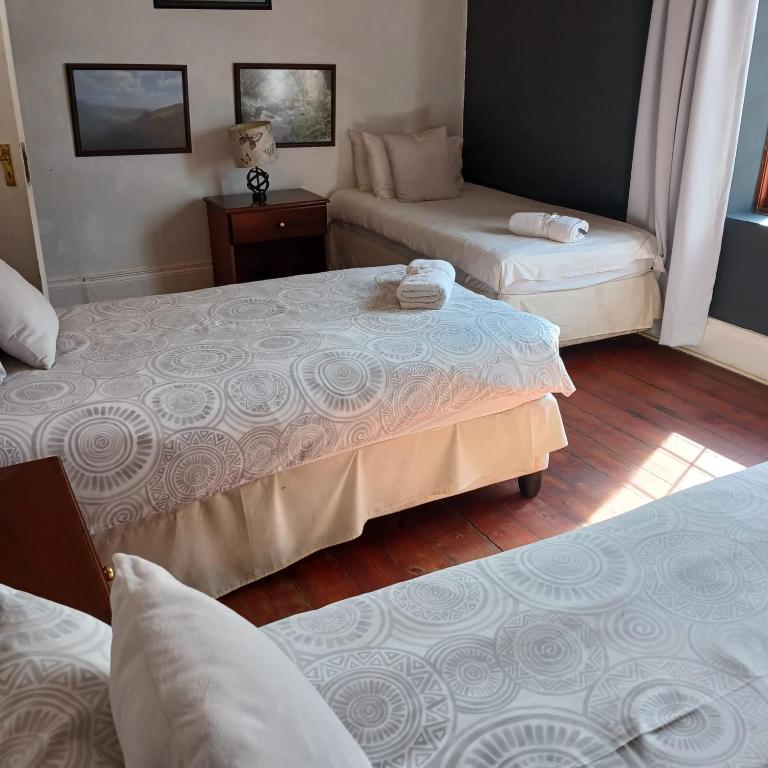
There are village suites with a queen bed and three singles for two adults and up to three children, as well as country cottages with separate bedrooms. Some larger cottages have a bathroom for each bedroom; others have a different layout. Reserve the actual beds and bathrooms you need. The selected two-person guest room on Uys Street is for adults only. Cots depend on the property and category; extra beds are often unavailable.
Can I cook, and how should I arrange an early breakfast?
Choose a self-catering cottage or Shed if you want a kitchen, and check its hob, refrigerator and cooking equipment before buying supplies. A guest room described with a kitchenette may have only a microwave, small fridge and kettle. For dawn birding, agree breakfast timing or a takeaway arrangement with the host beforehand. Confirm dinner availability and your meal plan too, especially when staying beyond the village.
Is there enough to do if I am not a birder?
A slower village day can include cafés, local shops and a self-guided heritage walk. St Mark's Church is at 82 Kerk Street; check access if you want to see inside and respect worship or private events. Gardens and a country stay can be part of the visit themselves. Fishing needs a separately confirmed venue, access permission and equipment; ask the host before bringing tackle.
Can I walk in the hills or drive up Ossewakop?
BirdLife describes walking on the commonage hills behind the village. Ask locally about a suitable route, weather and your return plan. Ossewakop's summit approach from the Utrecht road is steep; the published driving advice favours drier conditions and a four-wheel-drive vehicle. Check current conditions before attempting it. For wider farm walks or birding loops, obtain the relevant access permission and avoid crossing private boundaries without agreement.
Prices are set by the booking site. We may earn a small fee, at no cost to you.