About Witsand
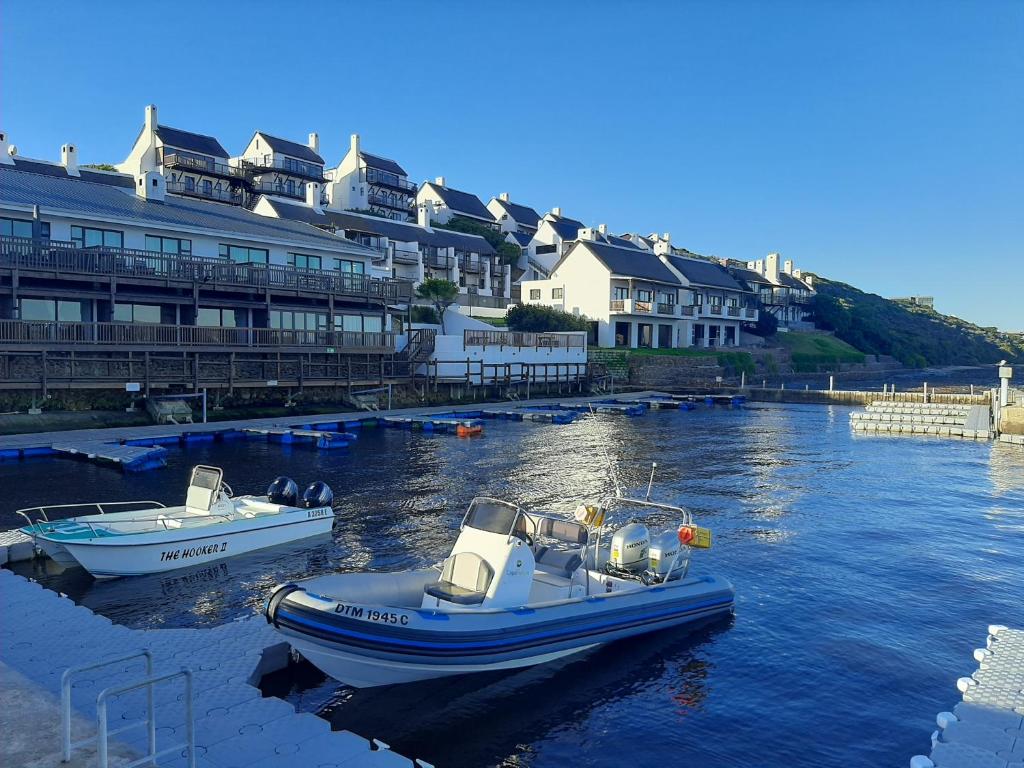
Witsand and adjoining Port Beaufort form a small coastal village on the north bank of the Breede River mouth, reached from the N2 near Heidelberg. People stay for shore-based whale watching, the long sandy bay, estuary outings and time to cook in a rented house between walks.
Two nights leave a weather window for the beach and another for the river; longer stays suit family groups and water sports. Choose between the Port Beaufort river approach and Main Road, private rooms or a house around Protea and Galjoen streets, and larger homes along Tuna Road in Duinepark.
Common questions
How long should I stay in Witsand?
Two nights give you a full day around the beach and estuary plus another morning to fit a walk around the wind or tide. Three or more nights suit a family house stay, fishing plans or water sports that depend on conditions. The village works especially well when you want a kitchen and an unhurried coastal break rather than a sequence of long driving excursions.
How do the three accommodation settings differ?
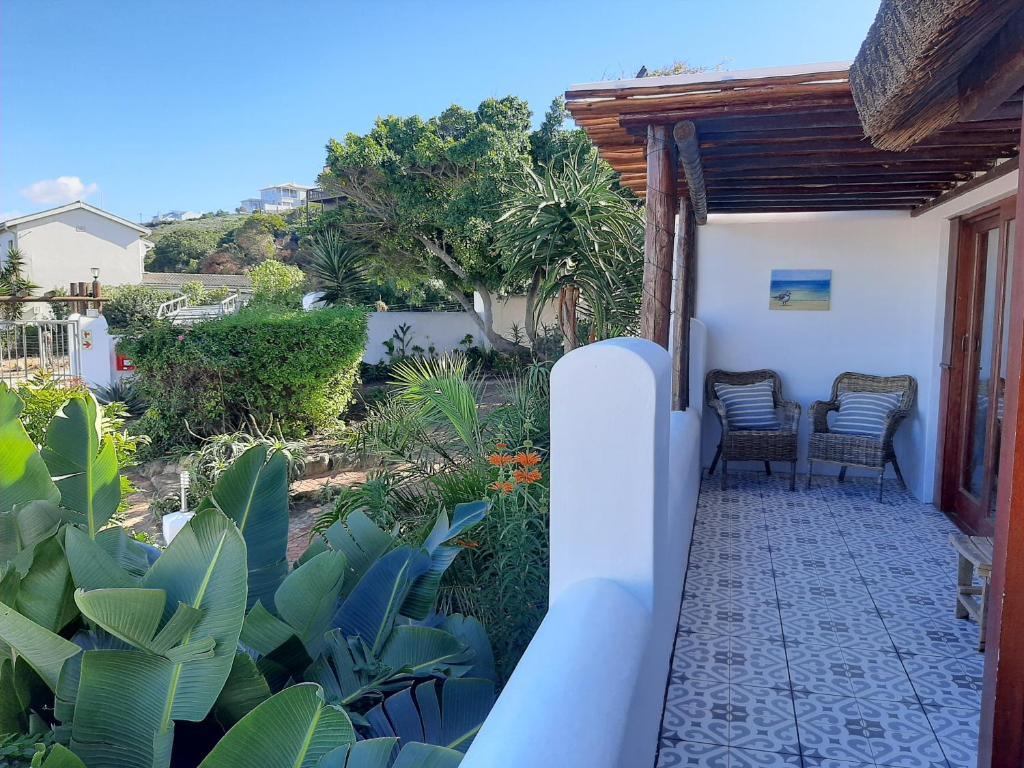
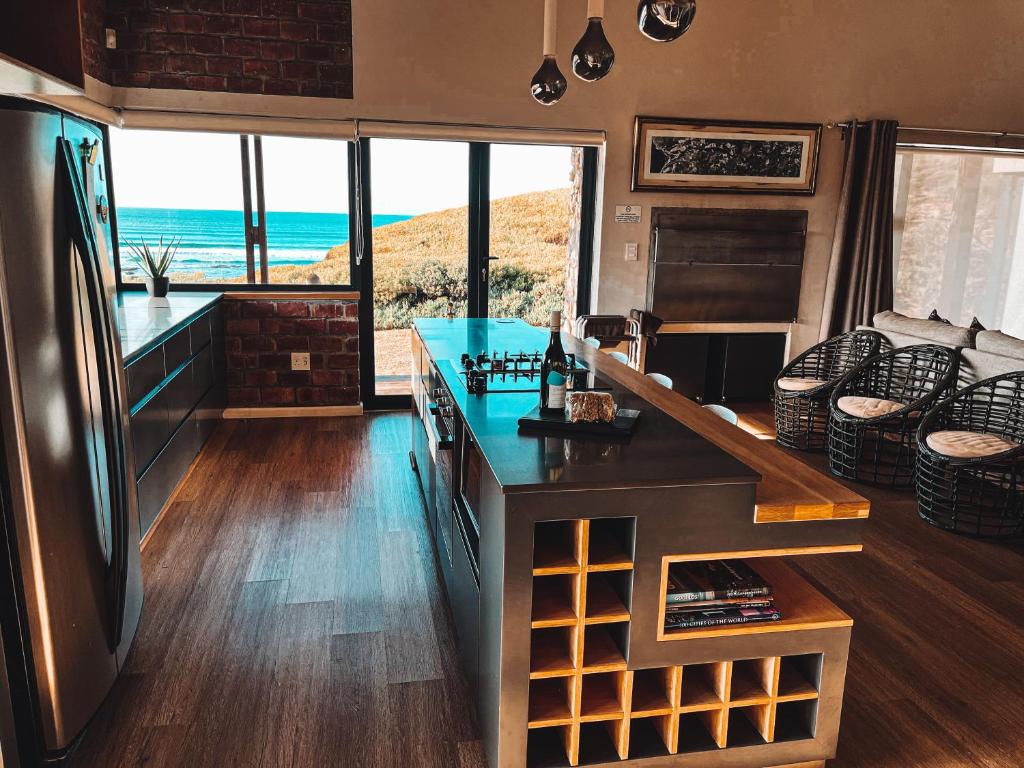
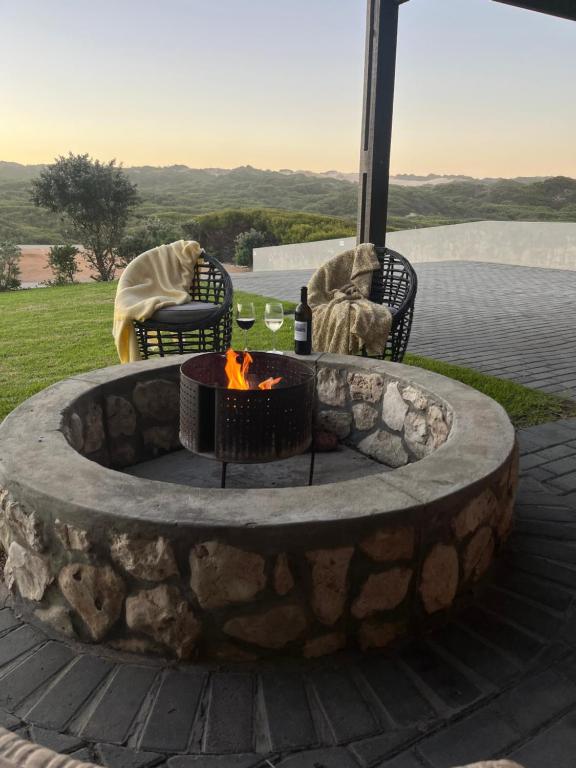
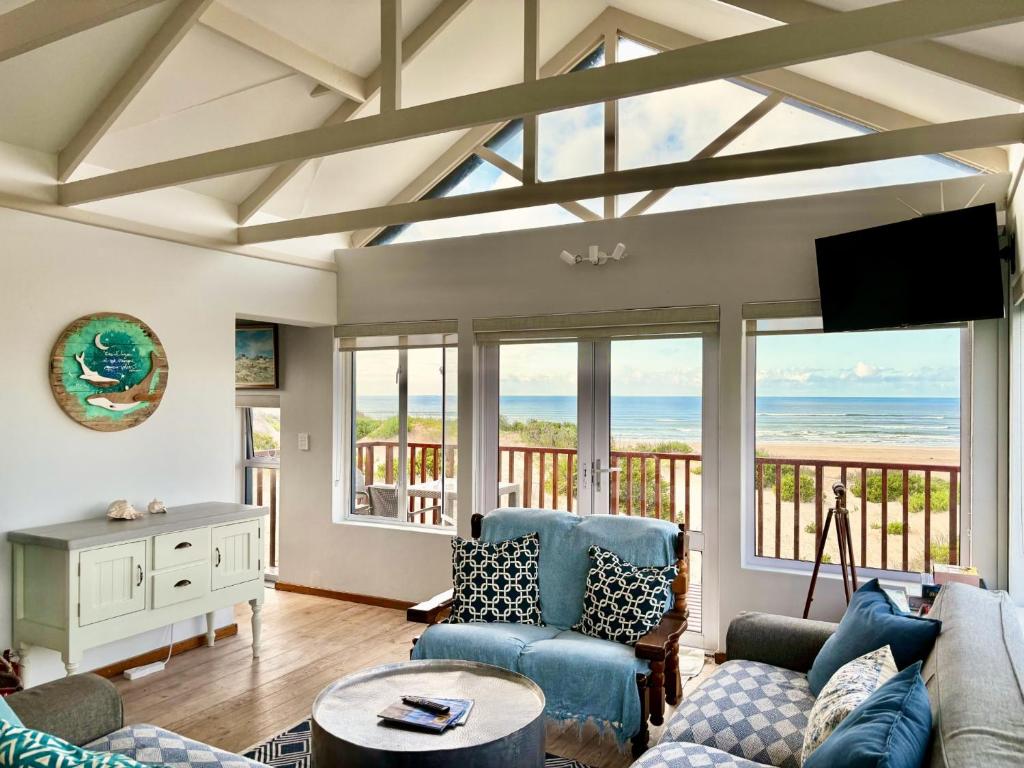
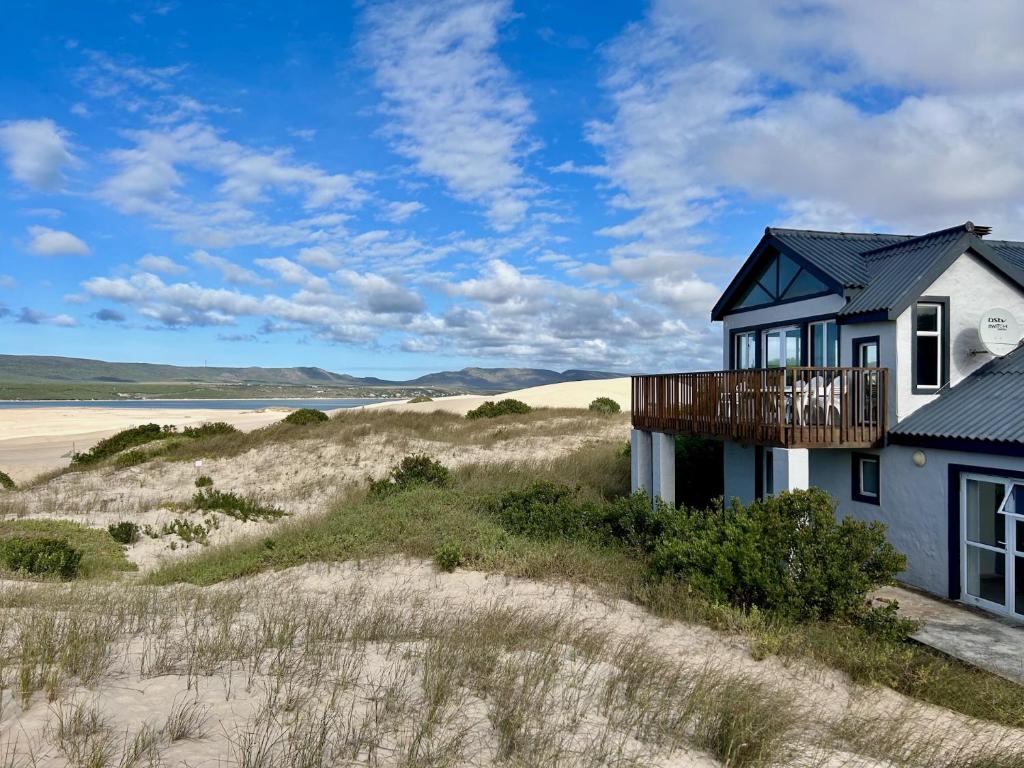
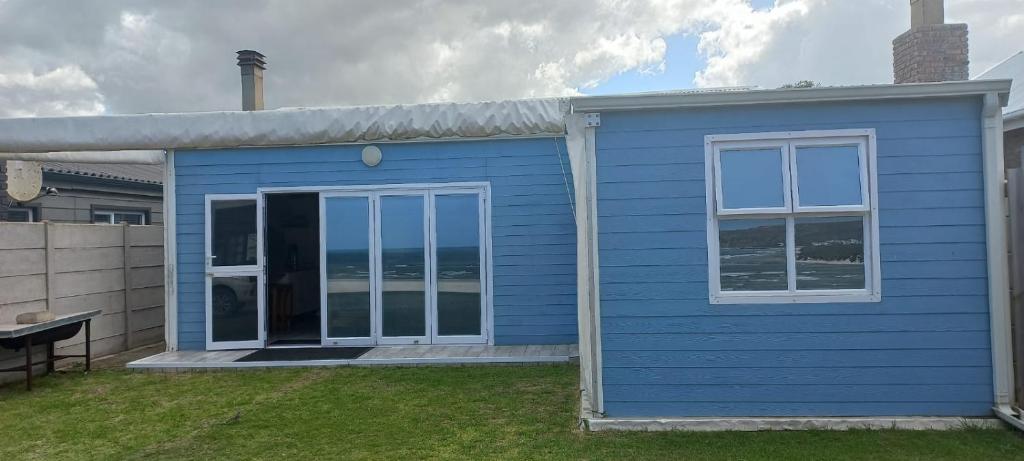
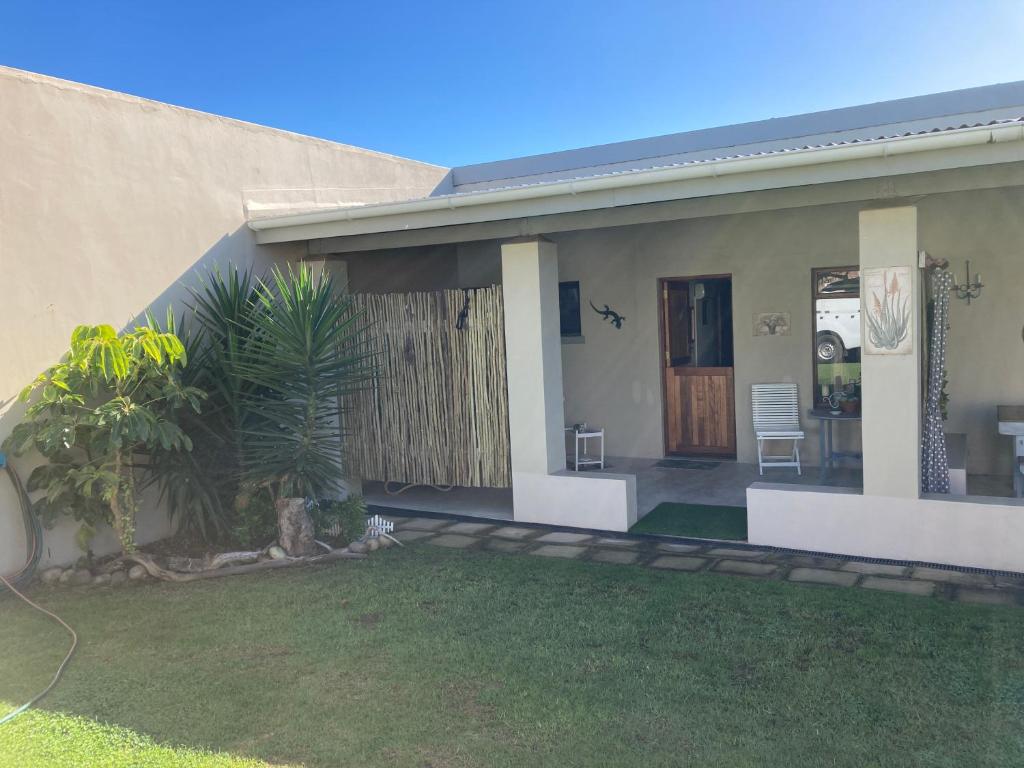
Port Beaufort and Main Road combine the river approach with inland rooms, whereas Protea and Galjoen streets offer beachside guest rooms and a complete family house. Duinepark and Tuna Road have the selected three-bedroom homes, with different garden, sea-view and bathing facilities. These are adjoining parts of one village, so choose by the actual address, room layout and kitchen rather than assuming that every property fronts the beach or river.
How do I get there, and do I need a car?
The village is reached by a tarred road from the N2 near Heidelberg; arrange a hire car or a driver for the full journey if you are arriving without your own vehicle. A car is useful for carrying groceries, luggage or boat equipment and moving between the river end and beach streets, although you can walk locally once settled. Confirm the entrance and key collection with your host, particularly for a cottage within a larger resort or a late arrival.
When can I see whales, and what weather should I expect?
Southern right whale watching from the shore is usually a winter and spring activity, broadly June to November, with sightings dependent on the animals and sea conditions. Summer is warmer, drier and often windy, with the southeasterly frequently strengthening around midday, while winter brings cooler weather, rain and cold fronts. Keep a windproof layer and binoculars handy, and leave your walking or water-sport plans flexible around the forecast.
Can I swim in the sea, tidal pool or Breede River?
The tidal pool in front of Middle Camp, between Anchorage and Duinepark, is a different setting from the open beach and the river mouth. Ask locally about the day’s conditions, use a beach section between flags when lifeguards are on duty, and keep children under close adult supervision. Do not assume that the river mouth is a designated bathing place or that lifeguards, an open dune path or calm water are available throughout the year.
Which walks are worth planning?
The nature reserve has five connecting marked paths ranging from 0.3 to 1.1 km, including the Grysbok, Jetty and River Edge trails, so you can choose a short outing and a suitable return point. Stay on the paths, keep dogs on leads and leave bicycles out of the reserve; these distances describe individual paths, not a single flat circuit. From Die Blokke at the end of Tuna Street, the shoreline walk towards Moodiese Put is about 3 km one way at low tide, requiring a return plan and a generous margin for changing tide and sea conditions.
What can I see beyond the beach?
Barry Memorial Church on Main Road and the Moodie Memorial on Barracouta Street make concrete stops on a village stroll. The Kraaltjie slipway and Duma or Government Jetty show the working river side of Port Beaufort, where you should keep clear of launching boats and vehicles. Treat the church as a stop to view from outside unless access has been confirmed, and use Die Blokke for a separate look over the bay.
How should I arrange paddling, kite lessons or a boat outing?
Arrange equipment, instruction or an outing with an operating local provider and check the wind, tide and your experience level before setting out. Powerboat owners need to check municipal registration and the appropriate day or annual licence with the Lower Breede River Conservancy Trust before launching, as well as any separate fishing requirements. The conservancy’s October 2026 navigation update stresses changing channels and sandbanks, so use current local advice, wear lifejackets for boating or paddling and confirm boat parking with your accommodation.
Can I eat locally, and which rooms have kitchens?
Witsand has cafés, restaurants, a basic grocery shop and fuel, while Heidelberg offers a practical stock-up stop before arrival. Confirm the day’s dinner options and any guesthouse breakfast arrangement, especially if you plan to arrive late. For cooking, distinguish a full private kitchen from a room with only a kettle, fridge and microwave, or a family unit that relies on a communal stove; the selected houses and river cottage offer different equipment from ordinary guest rooms.
What should families, guests with pets and anyone avoiding stairs check?
Book the exact layout: the river cottage has a steep loft staircase, some beachside family units use living-room beds, and the houses need confirmation of approved occupancy rather than a count of beds alone. Check which bathroom belongs to your unit, whether it is on the same floor as the bedroom, and whether a cot can be supplied for that category. Pet permission varies by property and booking channel, including a direct conflict at one Duinepark house, so obtain written approval and follow local beach signs and the reserve’s lead requirement.
Prices are set by the booking site. We may earn a small fee, at no cost to you.