About Teruel
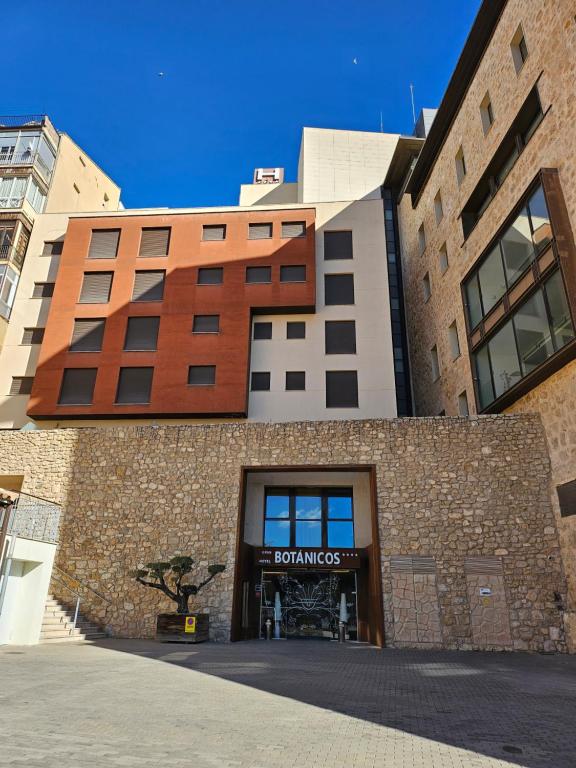
Teruel is worth a night for an evening around the Torico and a morning among its Mudéjar towers before day visitors arrive. The historic centre is compact, but the railway station sits below it at the foot of the Escalinata, so hotel entrances matter if you have luggage. Across the viaduct, the Ensanche is practical for a trip split between the old town and Dinópolis.
The Parador on the N-234 suits a driving trip when a quieter evening and time at the hotel are part of the plan. Two nights give the old town and Dinópolis separate space. Teruel rewards an overnight because its historic centre combines several distinct stories.
Around Plaza del Torico, the small bull statue and early-twentieth-century Modernist facades create an animated square for a first evening. In the morning follow the UNESCO-listed Mudéjar heritage instead of rushing between viewpoints.
The cathedral's painted wooden ceiling, and the brick towers of San Martín, San Salvador and San Pedro, show architecture shaped by both Christian and Islamic traditions. The two later towers have elaborate glazed ceramic decoration; the older San Pedro tower belongs to the church complex associated with the story of Diego and Isabel, the Lovers of Teruel.
Visit the Mausoleum of the Lovers as a separate interior experience, with its own admission arrangements. The Provincial Museum inside the former Casa de la Comunidad offers archaeology and regional ceramics when the weather is poor. Teruel is also a city of changes in elevation.
The railway station sits below the old town, and the monumental Escalinata del Óvalo was built in the early twentieth century to connect these levels. Its terracotta, ironwork and neo-Mudéjar detailing are worth seeing, but carrying suitcases up the staircase is another matter. Plan the actual route to the hotel entrance or use a taxi if the climb is difficult.
At the edge of the centre, the sixteenth-century Los Arcos aqueduct crosses a ravine and reveals the city's topography. Children may prefer to spend a separate day at Dinópolis, a dinosaur and palaeontology attraction outside the historic streets.
Stay in the Ensanche for a road trip that includes Dinópolis, choose the old town for dinners and early tower walks, or use the Parador beyond the centre when a quiet hotel afternoon matters most. The municipal event calendar includes celebrations based on the Lovers in February, La Vaquilla in July and Modernist Week in November.
Check the dates and likely nighttime activity before selecting a room near the main square. Two nights allow one day for architecture and another for the museums or dinosaur park.
Common questions
Can I arrive by train?
Check Renfe services from Zaragoza or Valencia. The station is below the old town at the Escalinata. Match the walking route and your luggage to the hotel entrance before booking.
Which area makes sense with children?
The Ensanche is useful for a car trip including Dinópolis. If your family plans mostly involve the cathedral and the old town, a central room cuts down on trips back to the hotel.
What should I do on a cold or rainy day?
Check the hours for the cathedral and the Mausoleum of the Lovers, and split outdoor tower visits into shorter walks. In summer, look for shade or spend the hottest part of the day indoors.
Do I need the car once I arrive?
For the historic centre, you can park and walk. Treat Dinópolis or a Parador stay as a separate transport decision, and check rides or buses for your dates.
How many nights should I book?
One for the old town, dinner and a morning walk. Book two if you want a full Dinópolis visit or time at the Parador.
Which Mudéjar monuments are UNESCO-listed?
The cathedral's decorated ceiling and the towers of San Pedro, San Martín and San Salvador are key highlights. Each interior can have separate access arrangements.
Where can I see the Lovers of Teruel story?
The San Pedro complex includes the Lovers' Mausoleum, associated with Diego and Isabel. It is different from the dinosaur park Dinópolis.
Why is the Óvalo staircase important?
It was built to connect the station below with the old town above. Its neo-Mudéjar architecture is a sight, but luggage may make the climb difficult.
When are the principal festivals?
The municipal calendar lists the Lovers' celebrations in February, La Vaquilla in July and Modernist Week in November. Confirm dates each year.
Prices are set by the booking site. We may earn a small fee, at no cost to you.