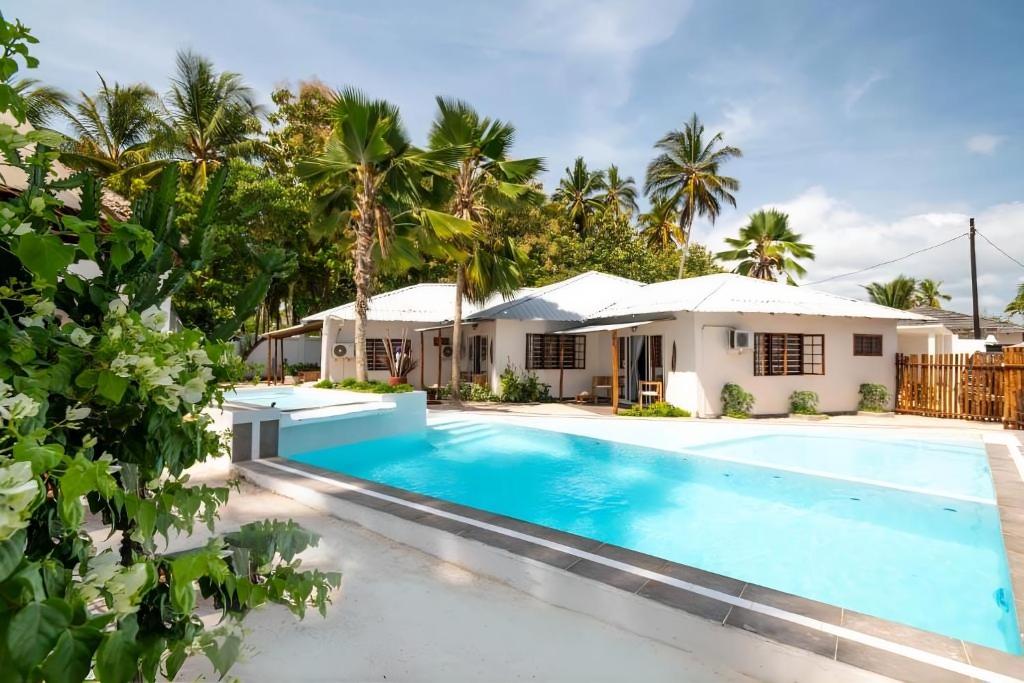
About Kiwengwa & Pongwe
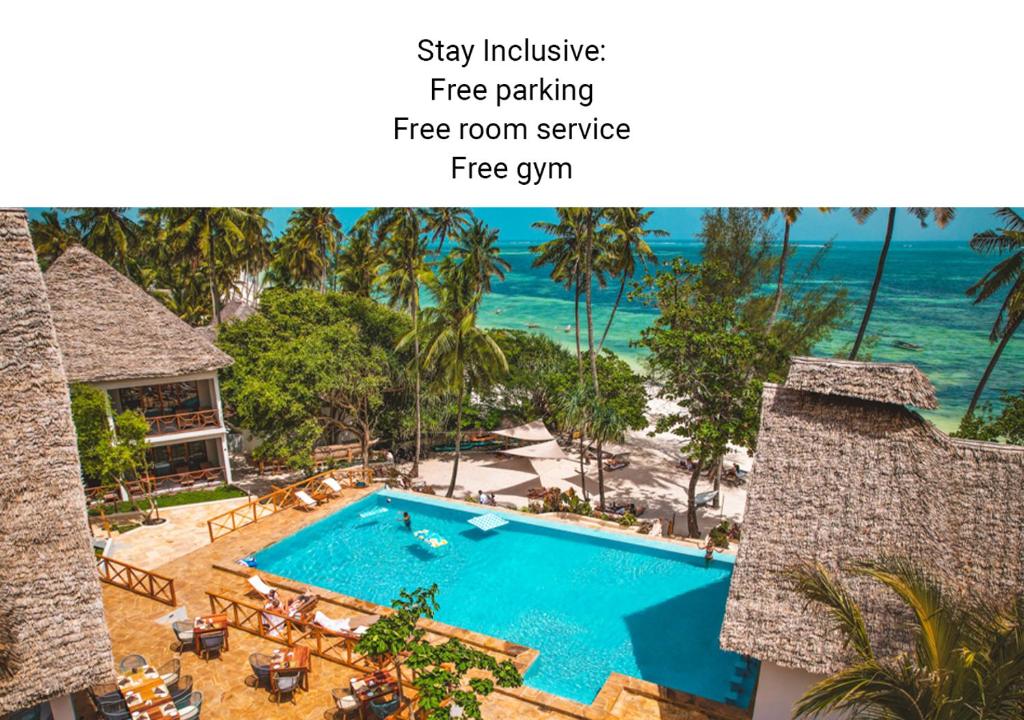
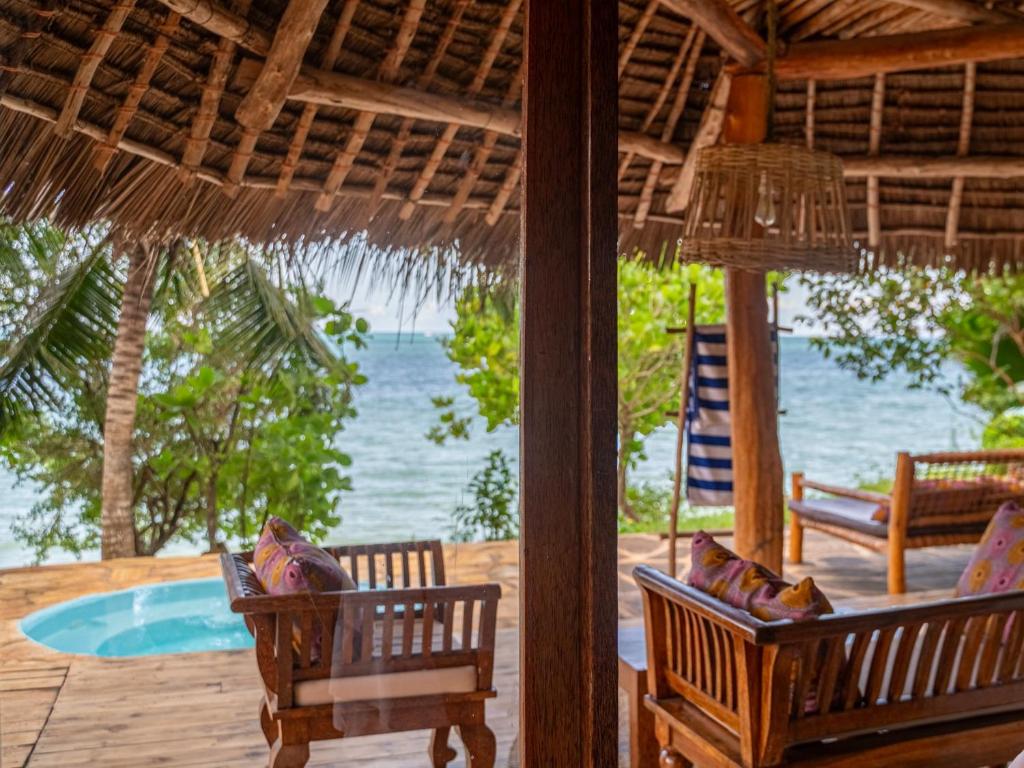
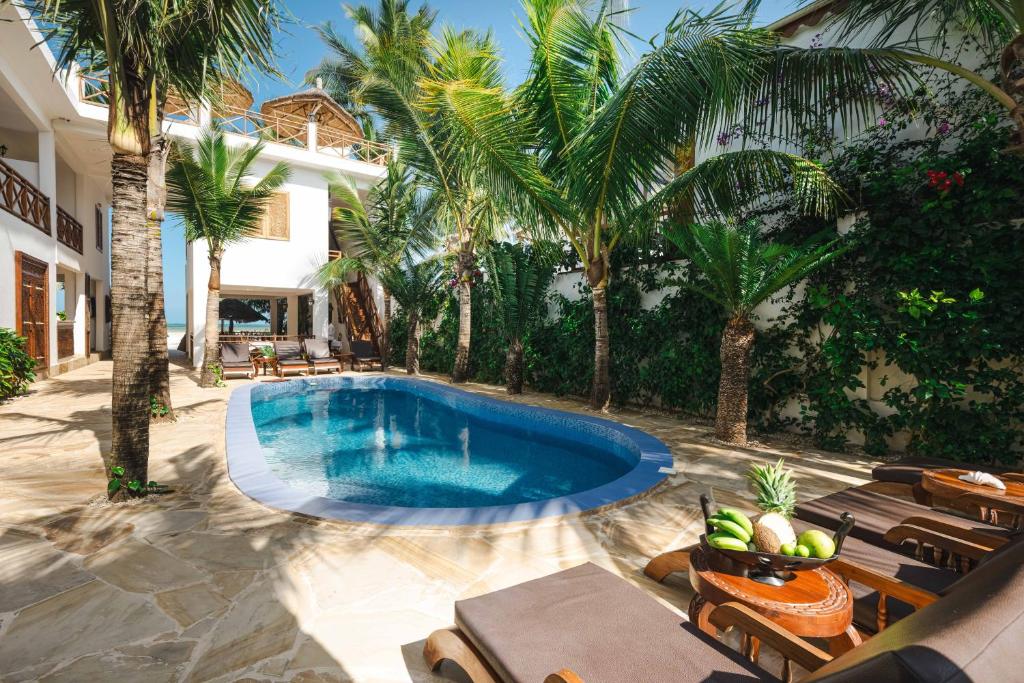
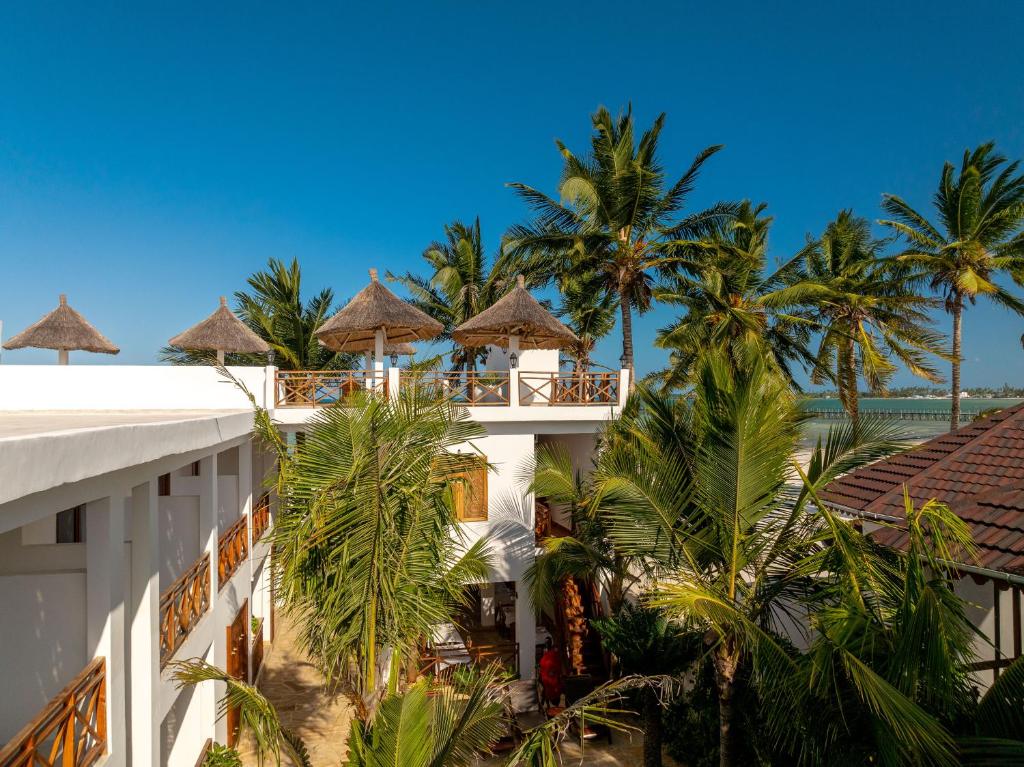
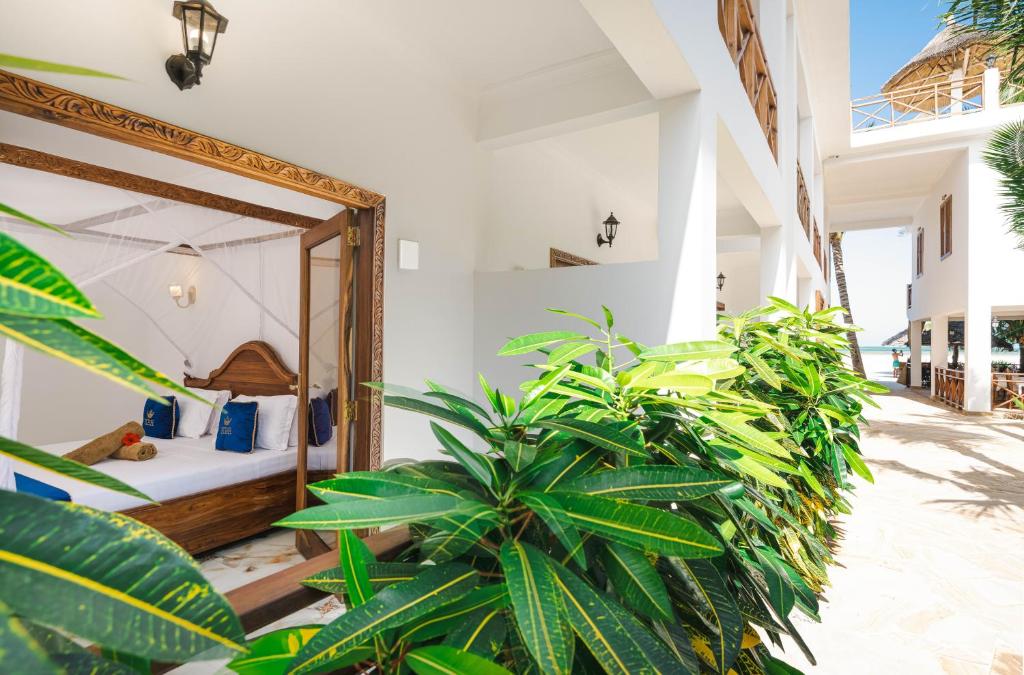
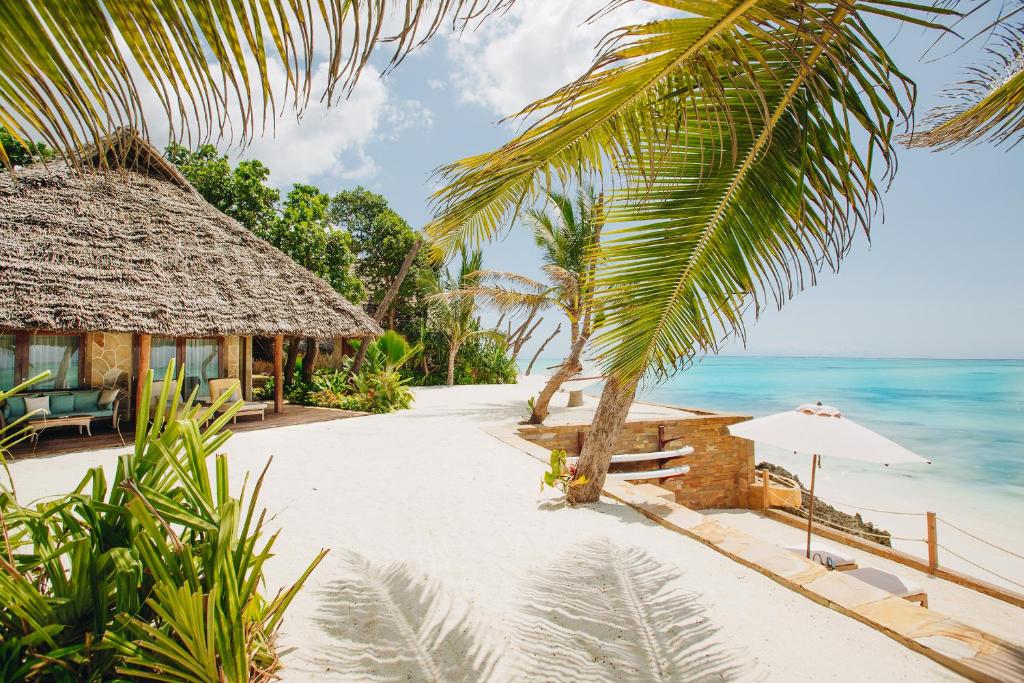
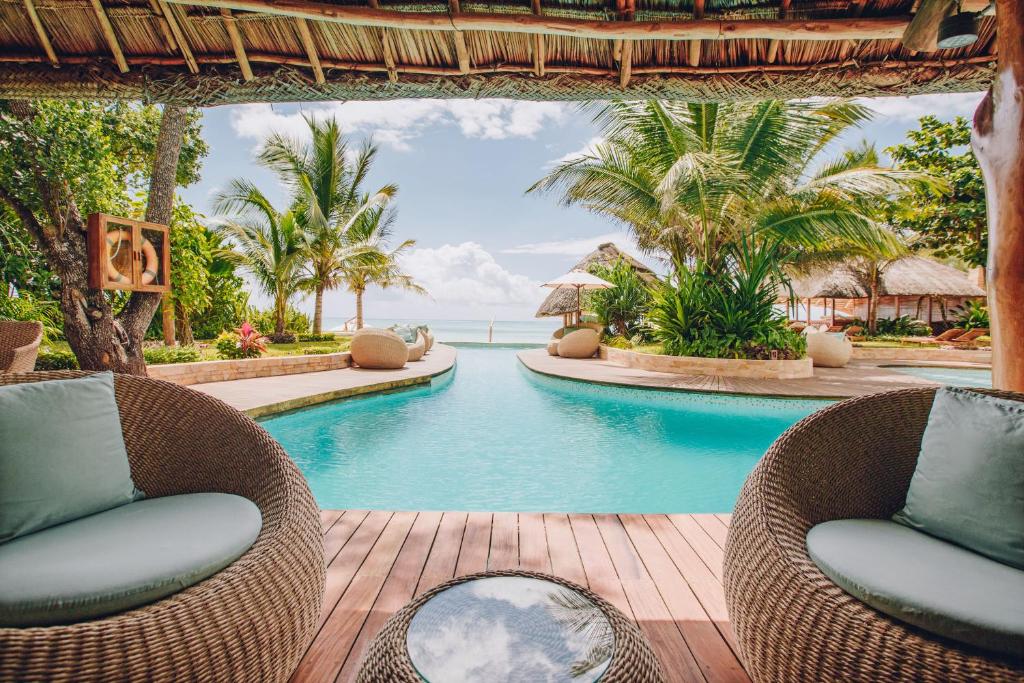
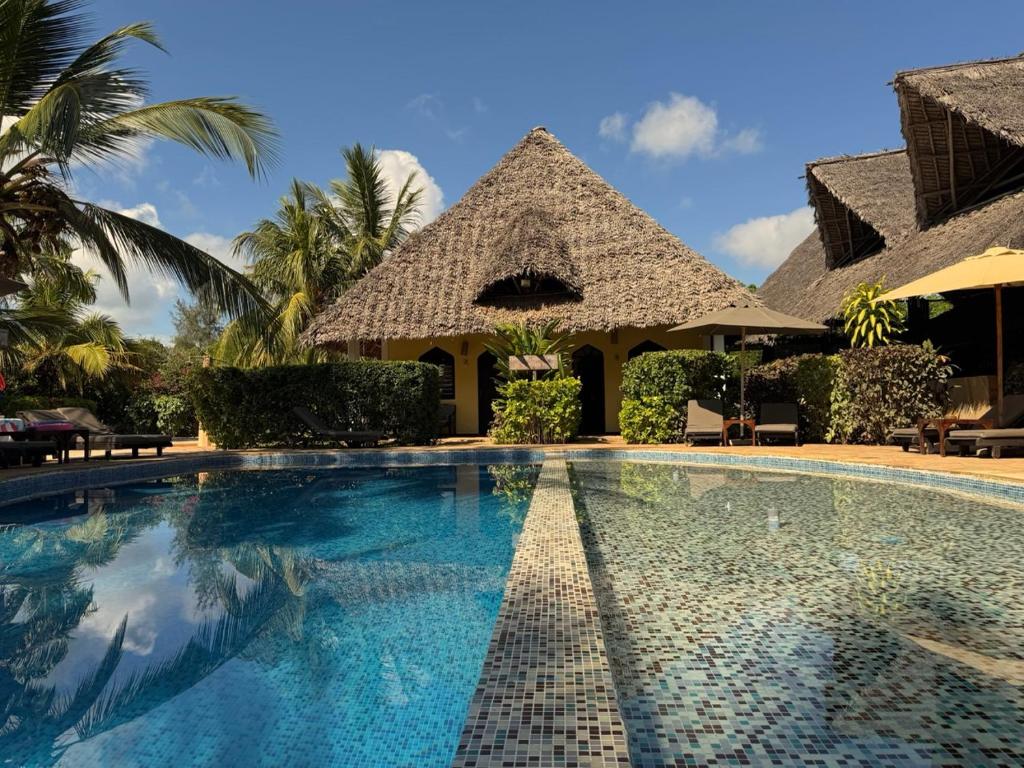
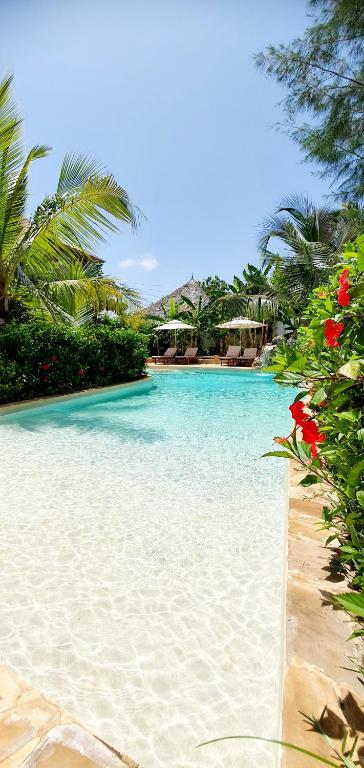
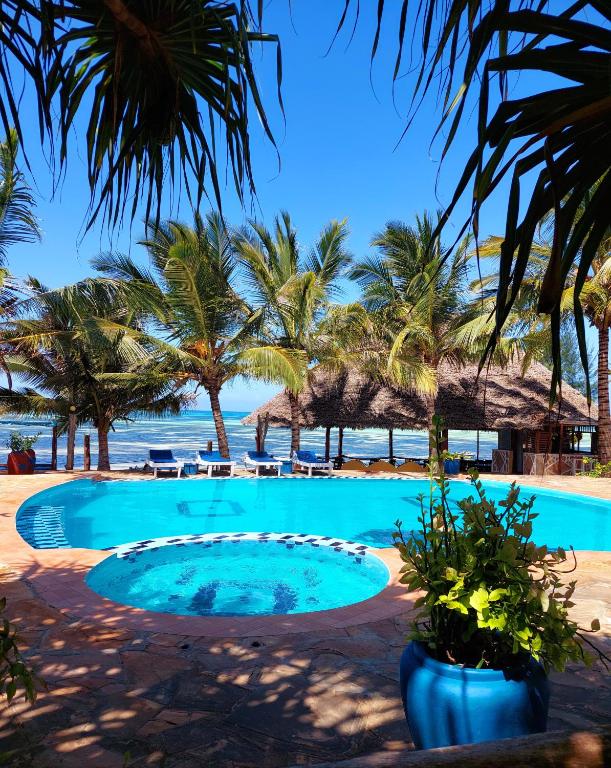
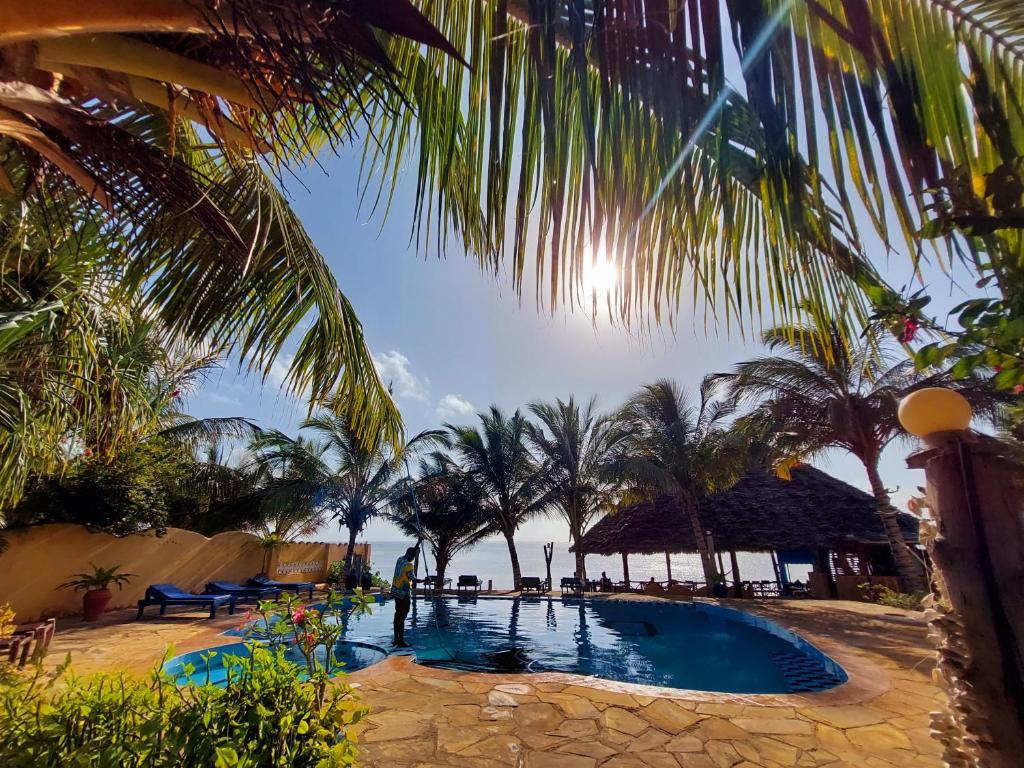
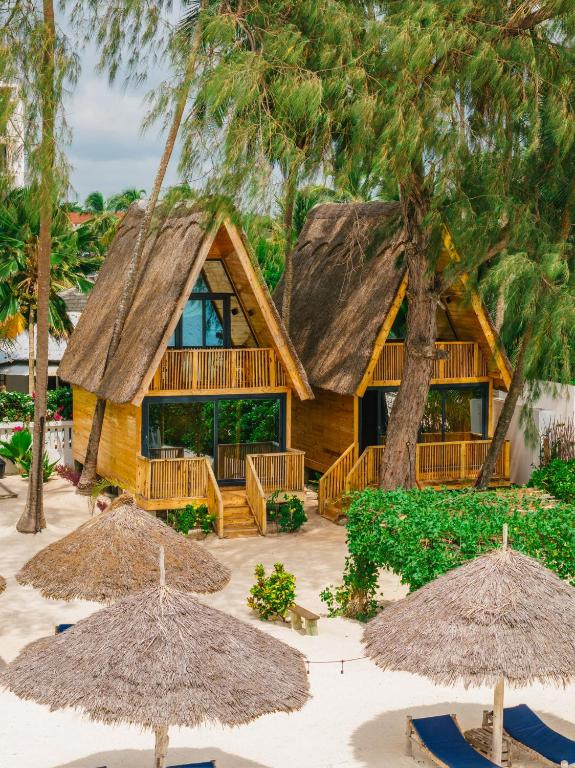
Kiwengwa and Pongwe suit a beach holiday built around a good room, unhurried meals and the changing colour of the lagoon. Along Kiwengwa’s long sand frontage, larger resorts share the coast with small lodges and village access lanes.
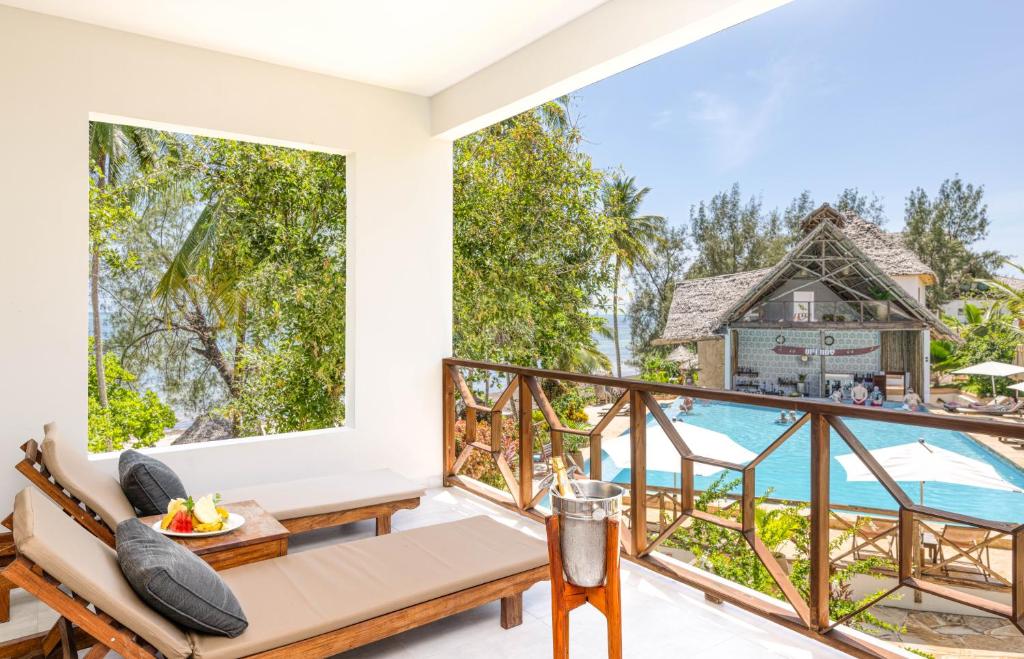
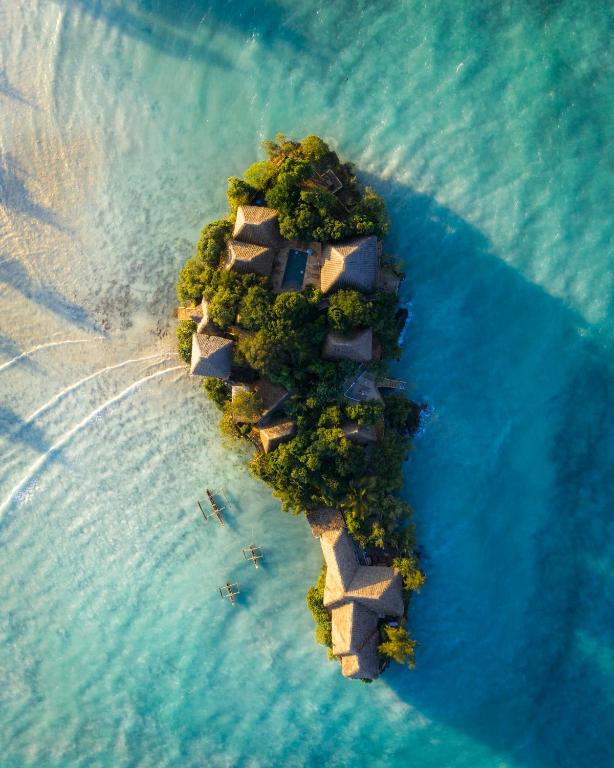
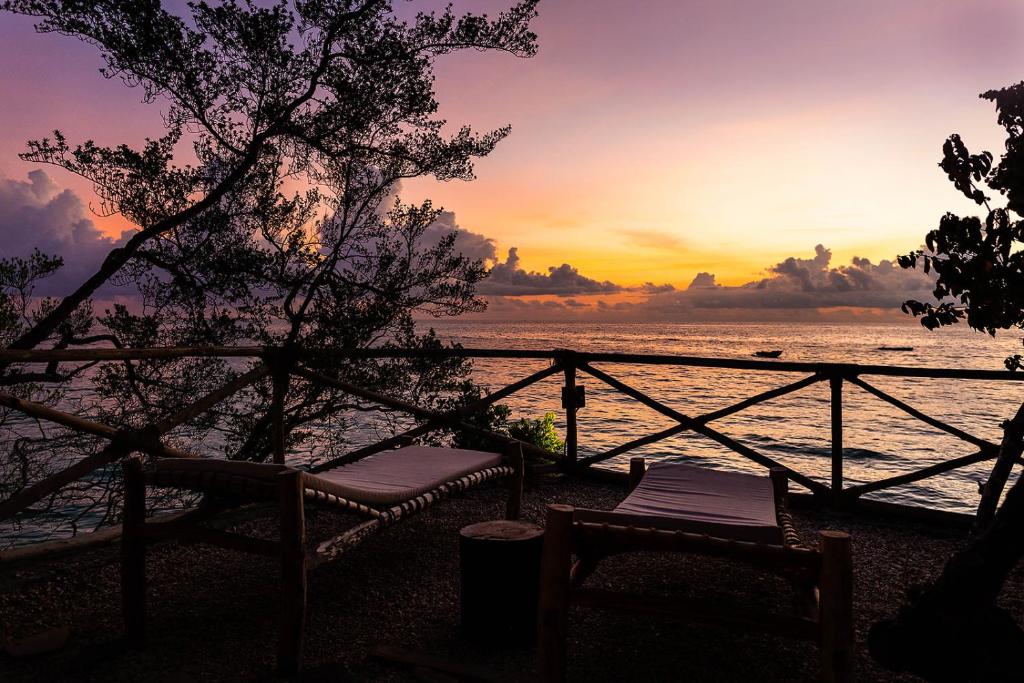
Southern Kiwengwa and Kumba Urembo bring more intimate gardens and rocky sea-facing settings; Pongwe adds a sheltered bay and a tiny tidal-islet stay. These differences matter more than a broad east-coast address. Choose the actual beach entrance, pool and room layout first, then leave time for a guided forest visit, a water-sports lesson or a day in Stone Town.
Common questions
How many nights should I stay?
Four or five nights allow a beach holiday with a forest outing or water-sports lesson, without making every day depend on the arrival time. A longer stay works if you enjoy pool days and a settled dining routine, but choose a room you will be comfortable using during rain or a power cut. If history is a priority, add a separate Stone Town night or reserve one full day for the journey and visit.
Which part of the coast suits my trip?
Kiwengwa and Gulioni offer the strongest mix of resort services, small beach lodges and places to eat outside your hotel. Southern Kiwengwa and Kumba Urembo favour smaller properties, with a choice between sandy entrances, inland gardens and rocky sea-facing terraces. Pongwe is the slower bay option, so choose one accommodation for the beach break and arrange occasional rides instead of changing hotels between neighbouring sections.
How do I arrive, and do I need a car?
Hotels in Kiwengwa and Pongwe publish airport-transfer estimates of about forty-five to sixty minutes, so think roughly an hour and allow more for traffic or a rough final lane. Give the driver the property’s confirmed entrance and directions, and arrange a meeting point if you arrive by ferry in Stone Town. A hire car is unnecessary for a hotel-centred holiday, provided you organise rides for other villages, excursions and dinners that finish after dark.
Can I swim from the beach throughout the day?
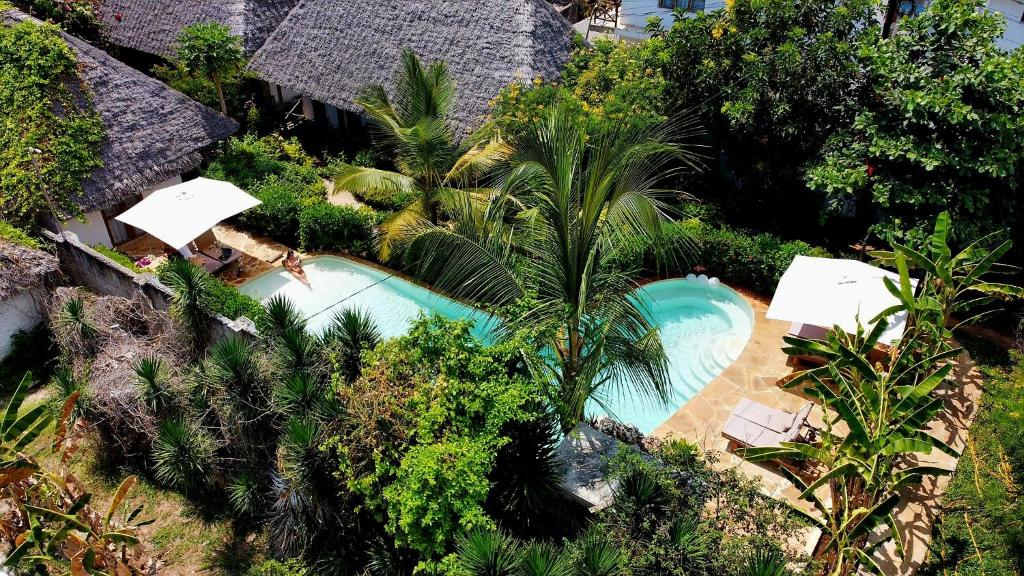
This is a tidal east-coast lagoon, and a beachfront address does not mean deep water all day. Pongwe’s sheltered cove is generally more useful for swimming around mid to high tide, while low water exposes sand and reef flats and some southern Kiwengwa frontages remain rocky or awkward to enter. Ask about the day’s suitable swimming area, avoid stepping on living coral and choose a pool you will enjoy when the sea has retreated or seaweed accumulates.
Can I learn kitesurfing or try other water sports?
Kiwengwa has an established beach-based centre offering kitesurfing, windsurfing and wing-foiling lessons, along with paddleboard equipment. Tell the instructors your experience and ask about suitable conditions, the meeting point and what equipment is included before choosing a session. Keep the timing flexible, since wind and water depth affect the plan, while calmer periods may suit a gentle paddle instead.
When is a good time to visit?
June to September generally brings the drier part of the year, while January and February tend to be hotter and relatively dry. March to May is the main rainy season, and shorter rains commonly occur from October to December, with variation between years. Choose dates for the kind of stay you want, keep boat and water-sports plans adaptable, and confirm seasonal restaurant or facility operations before committing to a particular hotel.
What should families check in the room description?
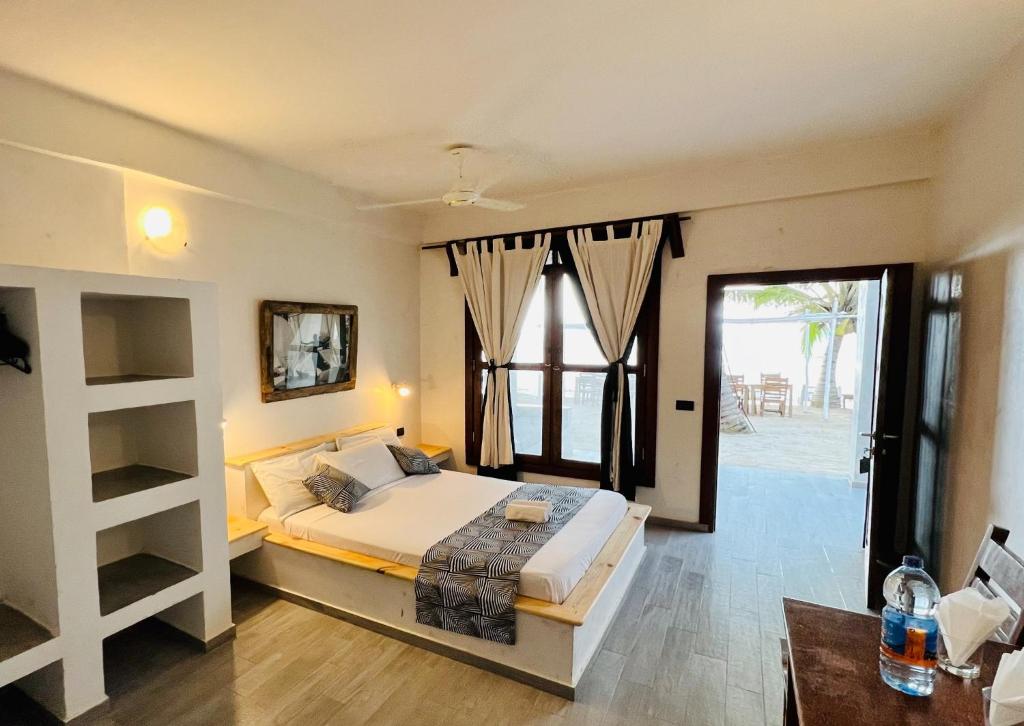
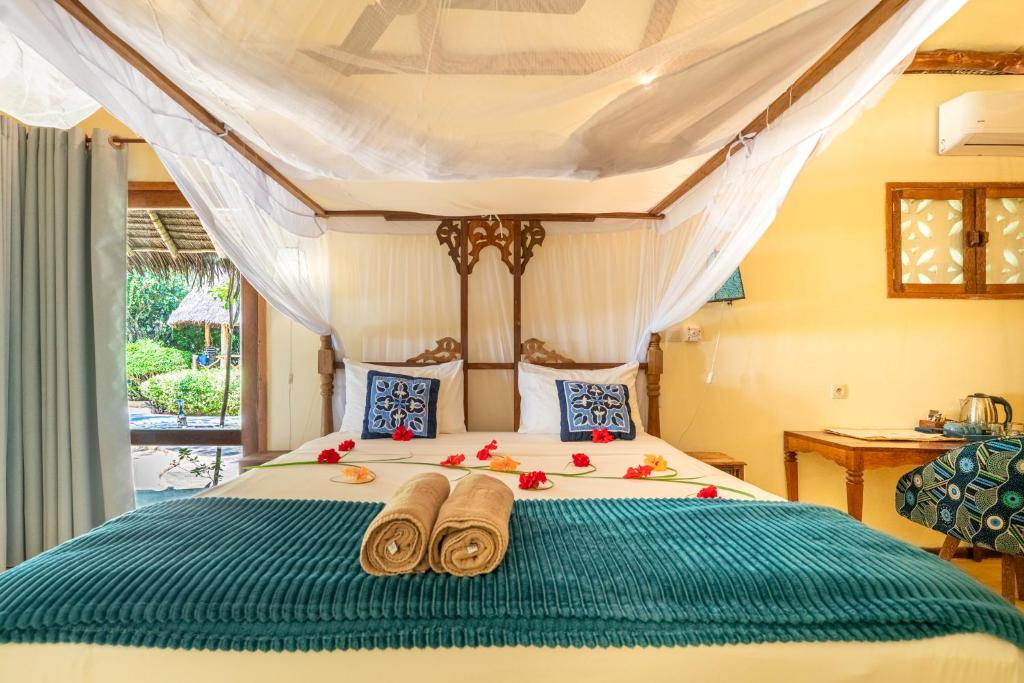
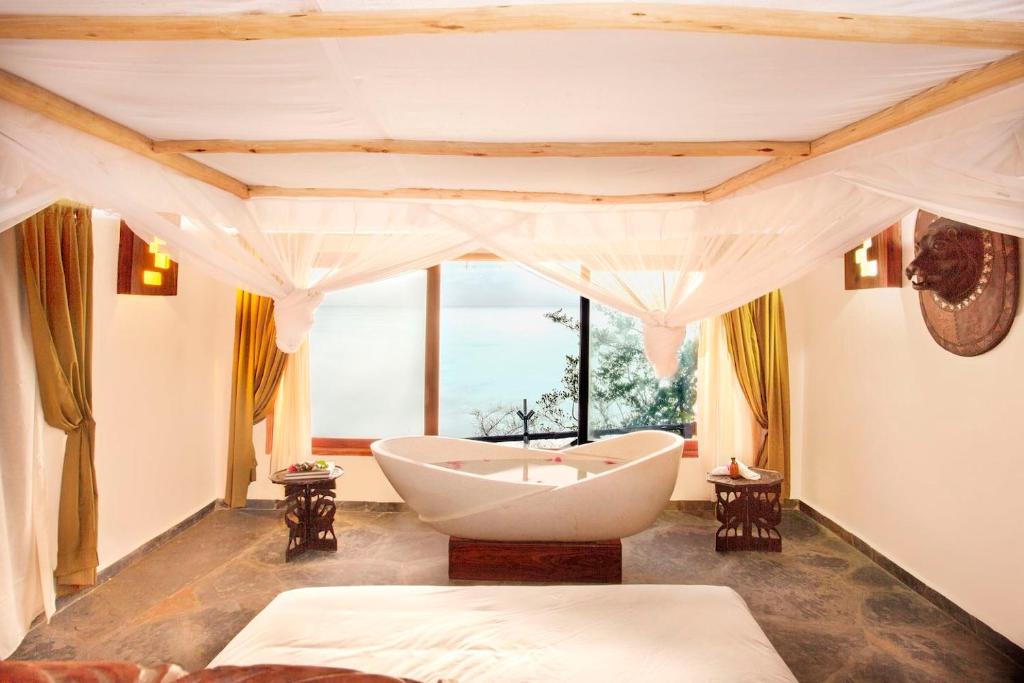
Enter every child’s age because some properties welcome families, some start at fourteen and others operate as adults-only stays. A two-bedroom suite with one bathroom, a bungalow reached through the children’s sleeping area and a mezzanine room provide different privacy, so check beds, stairs and whether the shower is screened from the bedroom. Also confirm pool access, connecting doors, children’s meals and the cooling system, as a bed-cooling canopy is different from air conditioning throughout the room.
Should I book a meal plan, and what are evenings like?
Kiwengwa has more resort dinners and evening performances, while smaller Kumba Urembo and Pongwe properties often centre the evening on their own restaurant. Ask which meals, drinks and restaurants are included, because half-board need not include beverages and sister properties may restrict each other’s dining or pools. If you plan to eat elsewhere, reserve the table and return transport, and tell a small lodge early if you need dinner after a late arrival or have dietary requirements.
What is worth doing away from the beach?
The Kiwengwa–Pongwe Forest Reserve protects coral-rag woodland with limestone caves, giving this coast a distinctive nearby land-based outing. Ask your hosts to arrange a local guide and confirm the currently accessible trail and cave sections, with closed shoes for uneven ground. A respectful village walk or an organised Stone Town and spice-farm excursion adds another perspective, while asking before photographing people keeps everyday village life from becoming a spectacle.
Prices are set by the booking site. We may earn a small fee, at no cost to you.