About Koh Jum
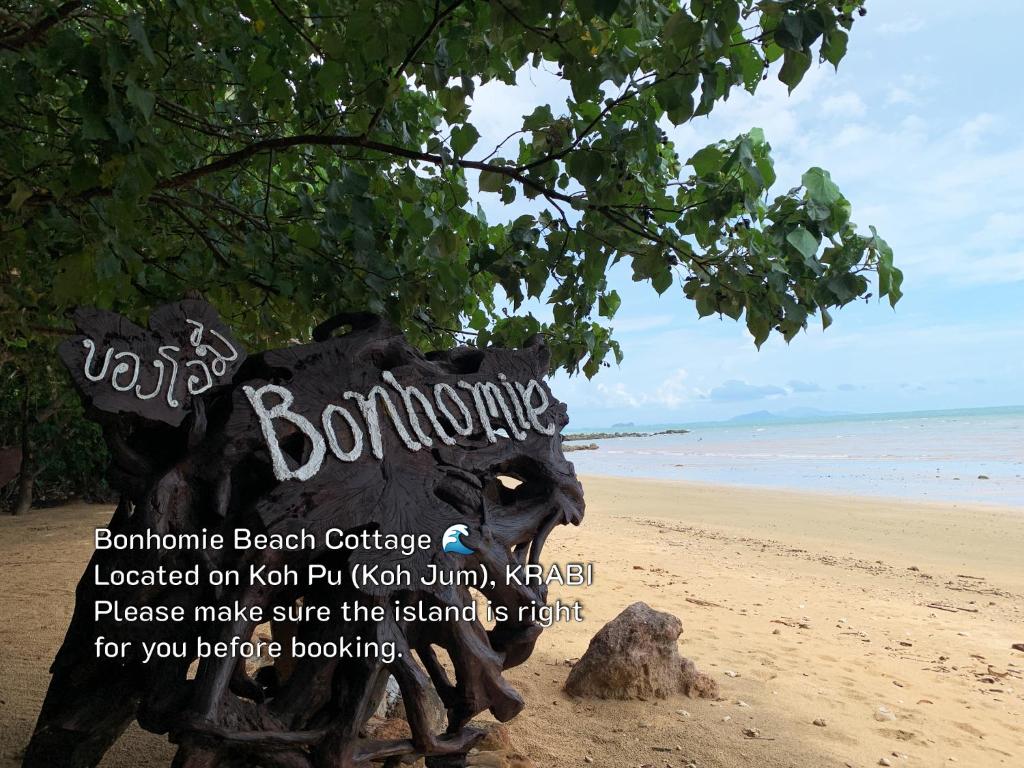
Koh Jum sits in the Andaman Sea about 25 kilometres south of Krabi town, roughly halfway to Koh Lanta, and it carries two names: the south is Koh Jum, the steeper, greener north is Koh Pu. Around 1,500 people live in its three villages — Ban Koh Pu, Ban Ting Rai and Ban Koh Jum — most of them Muslim families who fish and tap rubber.
There are no cars worth mentioning, no banks and no ATMs, so bring cash. Year-round you reach the island by longtail boat from Laem Kruat pier (about 45 minutes to Mutu Pier on the east coast, then a transfer across to the west-coast resorts); from late October to April the Krabi–Koh Lanta ferries and speedboats call too.
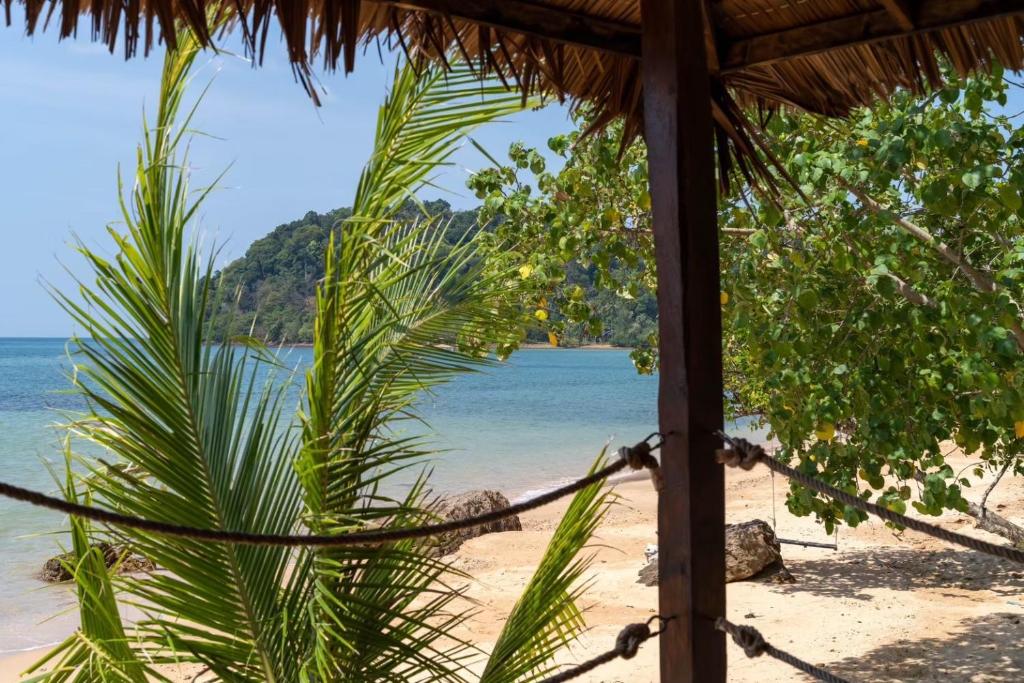
The west coast is one long run of beaches — Banyan Bay, Luboa, Ting Rai, Magic, Ao Si, Golden Pearl, Andaman — with Phi Phi's silhouette on the horizon and huge sunsets. From May to October the monsoon closes most resorts and stops the tourist boats, leaving only the Laem Kruat longtail.
Common questions
How do you get to Koh Jum?
Year-round, the only sure way is the longtail boat from Laem Kruat pier on the mainland (about an hour south of Krabi town by road) to Mutu Pier on Koh Jum's east coast — roughly 45 minutes, then a transfer across the island to the west-coast resorts. From late October to April, slow ferries between Krabi (Klong Jilad pier) and Koh Lanta stop at Koh Jum Pier, and speedboats run from Krabi, Railay, Ao Nang, Phi Phi, Lanta and even Koh Lipe. Krabi is the nearest airport.
What is the difference between Koh Jum and Koh Pu?
They are the same island. Southerners call it Koh Jum and northerners call their half Koh Pu, and locals are proud of the difference. The island has three villages — Ban Koh Pu, Ban Ting Rai and Ban Koh Jum — and around 1,500 residents, mostly Muslim families living from fishing and rubber tapping.
When is the best time to visit Koh Jum?
November to April: calm seas, sunshine, every boat running and every resort open. From May to October the monsoon brings rough seas, the tourist ferries stop and most resorts close; only the longtail from Laem Kruat runs all year.
How do you get around on Koh Jum?
There are no cars to speak of. Most visitors rent a scooter or bicycle — the main roads are concrete and easy — or flag down a motorbike-sidecar taxi. The north (Koh Pu) has rougher gravel tracks, and some beaches are reachable only on foot or by longtail boat.
Is there an ATM on Koh Jum?
No — there are no banks or ATMs on the island, and many restaurants are cash-only, so bring enough cash for your whole stay. A few of the larger resorts accept cards.
Prices are set by the booking site. We may earn a small fee, at no cost to you.