About Pak Chong
Pak Chong is useful for a night when you want to arrive by train, eat in town and start fresh the next morning. The evening market is near the station, so you can drop your bags first and walk back out for food. If your next day is for Khao Yai National Park, arrange transport from the hotel before turning in. The town, the park gate and the visitor centre are separate stops. A driver or tour is especially useful if your plans include more than one stop inside the park. On hot afternoons, leave the market for evening. During the rains, check park notices and keep an alternative town dinner or riverside stay in mind. Allow one night for the railway and market, or two if a full park day is on the itinerary.
The railway town and Khao Yai National Park are not the same destination. Pak Chong is useful for the station, practical shops and an evening market; the forest begins beyond the northern entrance on the Thanarat Road corridor. Khao Yai National Park's official visitor information makes an important distinction: the Pak Chong–Khao Yai local bus or songthaew can take visitors to the Chao Por Khao Yai Shrine entrance, but there is no regular public transport connecting the attractions inside the park. Simply reaching the gate does not give you a way to visit the visitor centre, viewpoints, trails and waterfalls. Before booking a train into Pak Chong, arrange a car with a driver or a reputable guided outing that covers your entire route and return. The park's own guide describes the 50-kilometre road through the park toward the southern Noen Hom entrance, so this is not a short walk in a city garden.
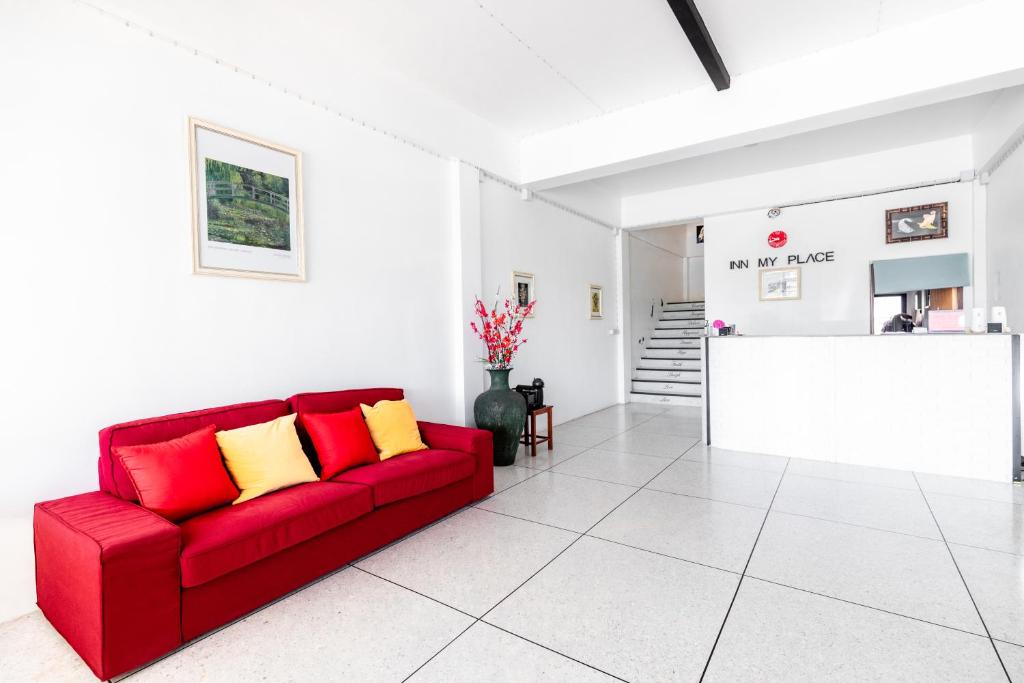
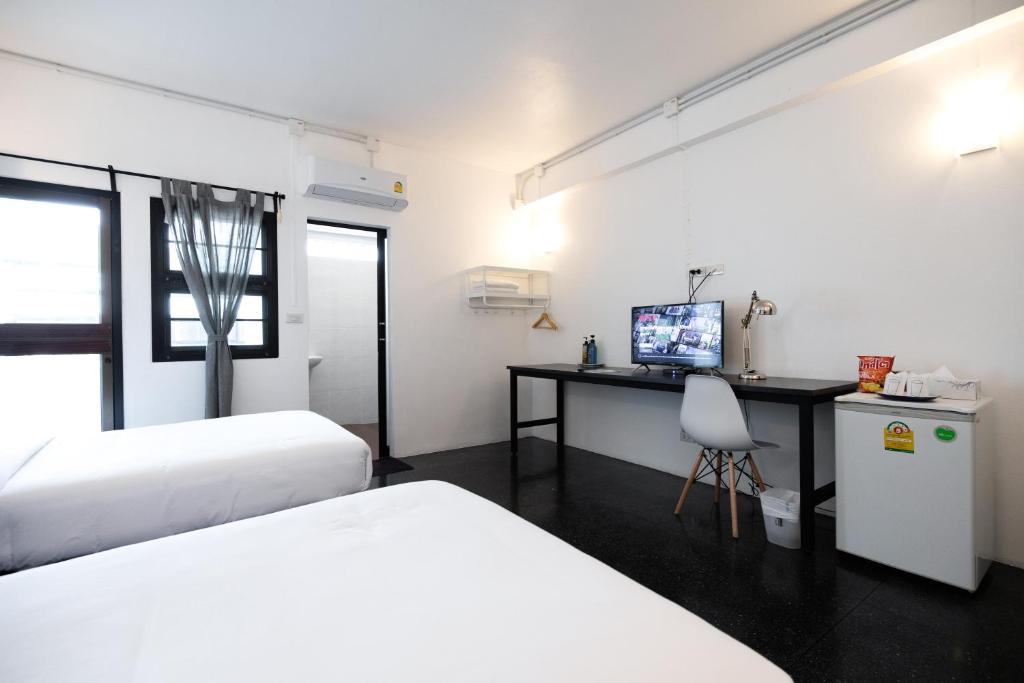
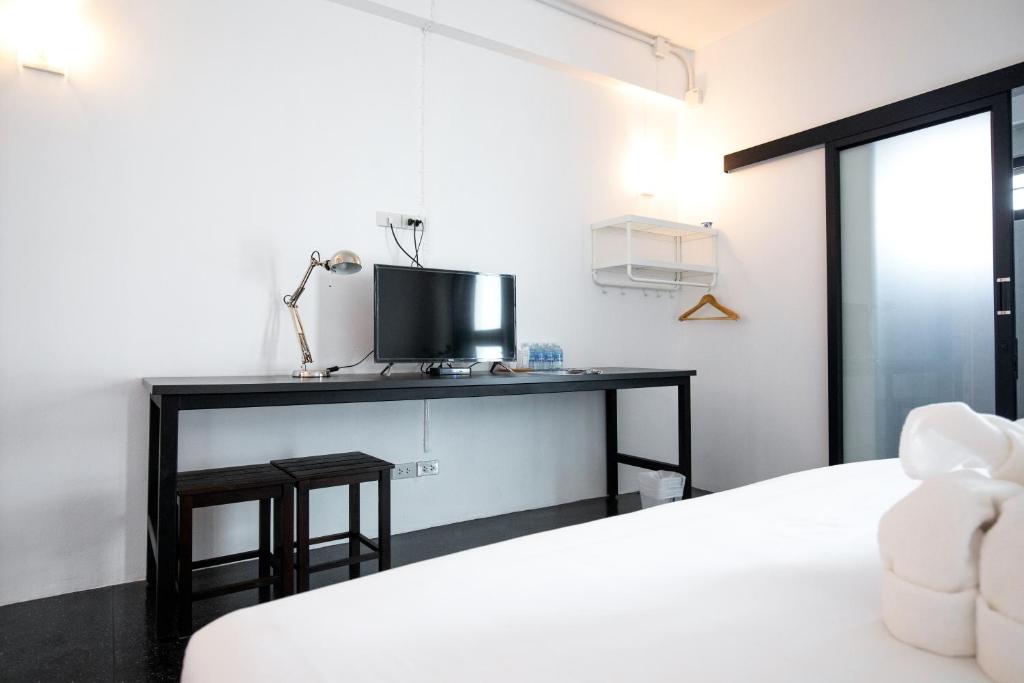
For an independent evening, choose the streets around Pak Chong railway station and market. You can drop a bag at a simple hotel or hostel, buy street food and spend time among local shops without committing to another long drive. The railway is on Thailand's northeastern line, and published train schedules should be checked for the exact service and date. Do not assume a late arrival guarantees that every stall at the market will still be serving food. The Pino on Pakchong-Subsanoon Road and the station-area hostels offer different combinations of privacy, walking distance and pickup convenience. Ask where your morning driver can stop, particularly if you are travelling with heavy luggage.
A riverside property such as Ban Mai Vintage creates a slower overnight experience. You are choosing the property and a peaceful setting rather than the station market immediately outside your door. Some guests may prefer to eat at their accommodation and leave a visit to the town as a separate trip. The Old Mittraphap Road area is more road-oriented: its useful feature is meeting a vehicle for onward travel rather than strolling to the park. Mittraphap is a long arterial corridor, so an address there can be nowhere near the particular attraction you have in mind. Use the real hotel map pin and ask for driving instructions.
Within Khao Yai, the official attractions include waterfalls, forest walks, viewpoints and wildlife watching. Visitors may see hornbills, deer or elephants, but animal encounters are neither guaranteed nor something to approach. Use a suitable ranger or guide for any activity requiring one, follow posted trail conditions and never feed wildlife. The park offers a ranger-led night safari booked through its visitor centre; the official guidance explicitly forbids driving around independently to spot animals at night. The park normally posts daytime gate hours, yet specific activities and weather-related closures can change. Check the notice close to departure rather than relying on an old blog post.
For a first visit, two nights in or around Pak Chong let you separate arrival and market time from one full national-park day. A third night allows a slower itinerary with an additional authorised forest activity or a rest day. Wet weather can make jungle trails slippery and waterfalls dangerous even when the forest looks beautiful, so bring shoes suitable for walking, rain protection and water. The upland forest can feel cooler than the town. Choosing a hotel by the railway is sensible for transit convenience; choosing a resort nearer the park can save driving but makes dinner and transfers less spontaneous. These are different travel styles, not simply different price bands.
Common questions
Can I arrive without a car?
Yes. Search for Pak Chong railway station and check the service for your date. Arrange a separate ride for the national park.
Can I walk from town to the park?
Plan a vehicle for the park. Confirm whether your ride covers the entrance, the visitor centre and the return to the hotel.
Where should I sleep for the market?
Stay near the station and confirm your actual walking route. Use the market as an evening stop after check-in.
What should I do if it rains?
Check the park’s current notices before leaving town. If your planned outing cannot run, keep your hotel and dinner plans independent of it.
Does the local bus reach waterfalls inside Khao Yai?
The park's official transport guide says the Pak Chong–Khao Yai service reaches the northern entrance but not the internal attractions. Arrange a driver or organised tour for the visitor centre, waterfalls and return.
Can I drive through the park looking for animals at night?
No. Independent night wildlife drives are prohibited. The official park offers a ranger-led night safari booked at the visitor centre subject to availability and current rules.
How should I handle wet-season park visits?
Read current park notices and trail conditions. Rain may make forest paths and waterfall areas hazardous; use appropriate footwear and an alternative plan in town if an outing is not permitted.
Prices are set by the booking site. We may earn a small fee, at no cost to you.