About Kosiv
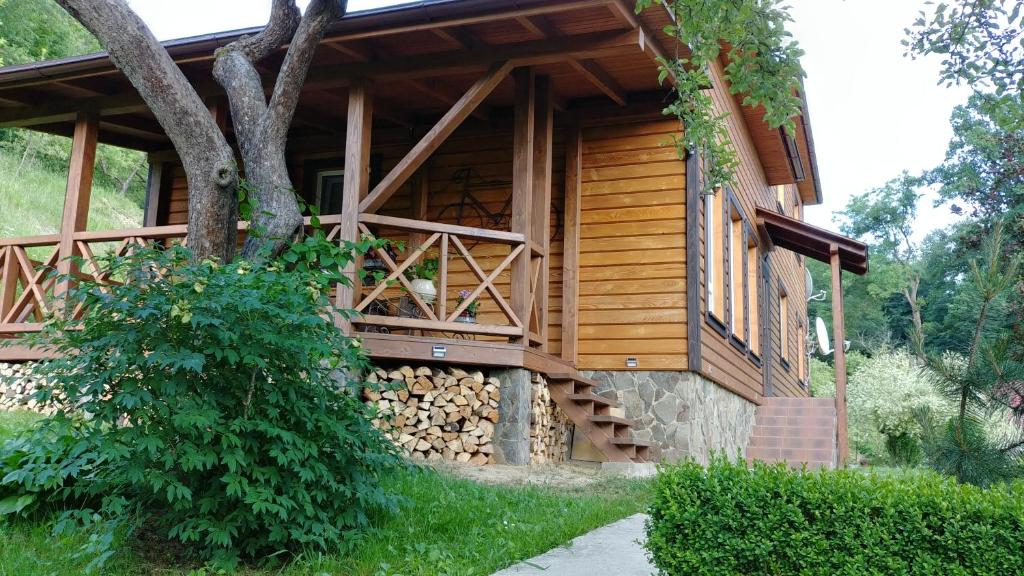
Kosiv rewards an overnight stay with time for its Hutsul craft traditions: a museum visit, a conversation with a potter and a Saturday morning at the market. The town lies among wooded foothills in Ivano-Frankivsk Oblast, with small guesthouses and country-style rooms spread beyond the centre.
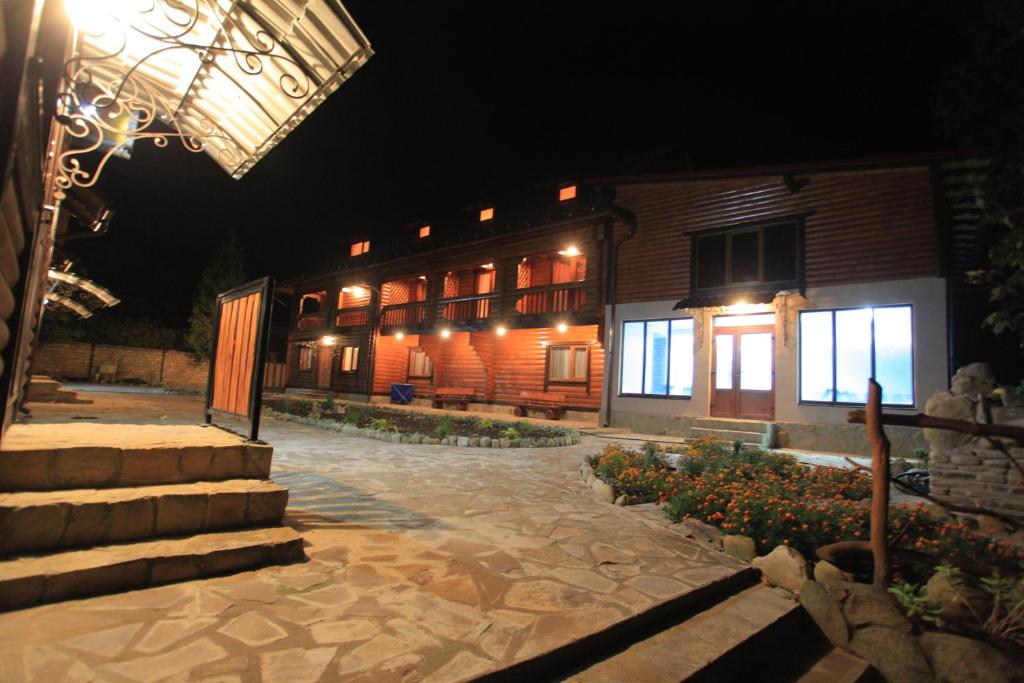
Choose Pavlyka for a town-based routine, the western lodging streets for gardens and indoor swimming, or the market approach for an early start among the stalls. The exact address matters more than a broad Kosiv label. As checked on 19 November 2026, FCDO advises against all but essential travel to the oblast; Ukraine’s airspace remains closed.
Common questions
What travel advice applies to Kosiv?
As of 19 November 2026, FCDO advises against all but essential travel to all of Ivano-Frankivsk Oblast. If you need to stay, check the latest official advice and local restrictions, then agree on arrival, shelter access and backup heat, power and water with your host. Ukraine’s airspace remains closed, so plan a land journey and confirm the operating conditions for your actual dates.
How do I arrive from Ivano-Frankivsk or Kolomyia?
The station ticketing timetable for 19 November shows buses from Ivano-Frankivsk’s Zaliznychna 30-A stop, with examples taking about two hours and forty minutes to three hours to Kosiv. Kolomyia is a closer road connection: published departures from its Grand bus station on Antonenka-Davydovycha 15 include journeys of roughly forty minutes to an hour, although other routes take longer. Kosiv’s station is on Nebesnoi Sotni 13; confirm the exact stops, travel date and onward pickup, because a railway arrival in either gateway does not put you at the Kosiv accommodation.
Can I stay without a car?
Yes, if you choose the address around your plans and arrange the first transfer. A near-town stay is useful for the museum and shops, while a market-side room suits a Saturday visit; western garden stays may involve longer walks or a taxi. Ask for the walking route with luggage, not just the straight-line distance, and agree on transport to a mountain trailhead before leaving the accommodation. Return buses should be checked independently of the outward journey.
When is the craft market, and should I stay nearby?
The main bazaar takes place on Saturdays on the eastern edge of Kosiv beside the Rybnytsia, near the Smodna approach. The nature-park visitor portal recommends visiting before noon, and recent reporting confirms the weekly Saturday pattern. Staying the previous night makes an early visit easier; a near-market room is practical, but its road setting differs from the western garden stays. Ask sellers about the maker and material, and leave room in your luggage for fragile ceramics.
What makes Kosiv ceramics worth a separate visit?
UNESCO added the tradition of Kosiv painted ceramics to its intangible-heritage list in 2019. The craft combines scratched outlines with characteristic green and yellow decoration, often depicting Hutsul life, customs and the natural world. Start at the folk-art museum on Nezalezhnosti 55, whose published visiting pattern is Tuesday to Sunday, with Monday closed. For a workshop or studio visit, arrange a time in advance; a museum ticket and a hands-on activity are separate plans, and the listing recognises a living craft tradition rather than making every building a UNESCO monument.
Which local walks can I plan without a full mountain day?
The national park describes the Ostry viewpoint route from nearby Horod as an easy 1.5-kilometre trail taking about an hour. Its Mykhalkiv route starts on Kosiv’s Druzhby Street and is rated moderate, with three kilometres and about two hours on the published route. These are the park’s trail descriptions, not door-to-door totals from your hotel: add the approach and return, check the actual starting point and current conditions, and choose footwear for unpaved ground. Neither a short distance nor an easy rating proves that a route is suitable for a pushchair.
What should families check about pools and room rules?
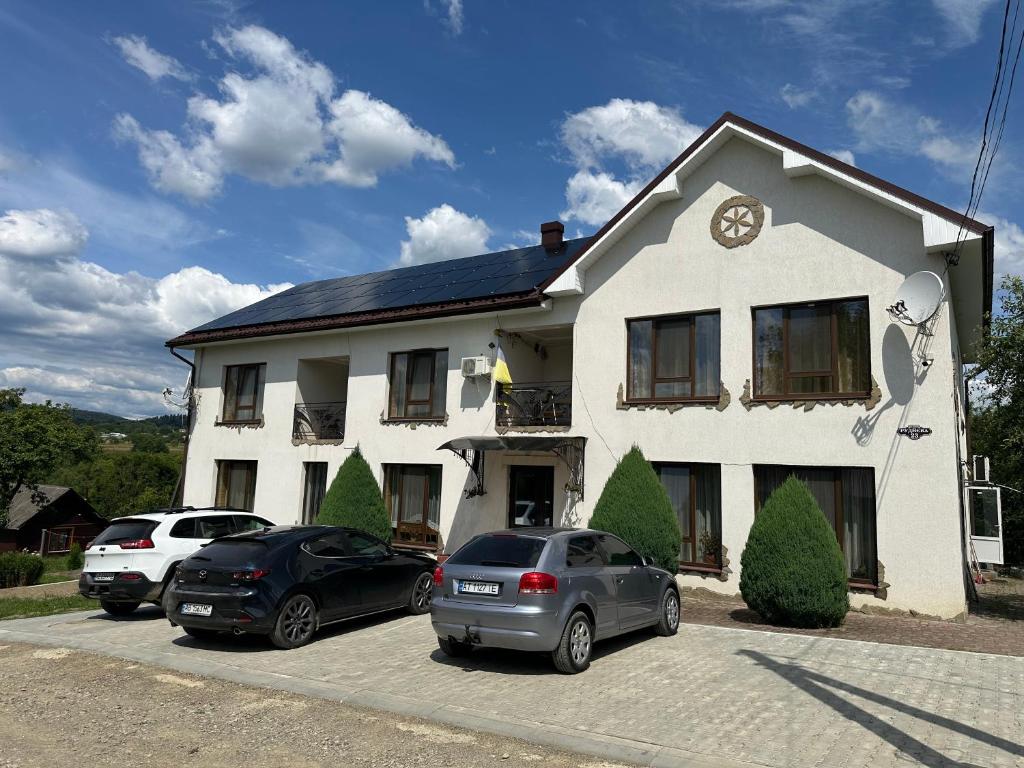
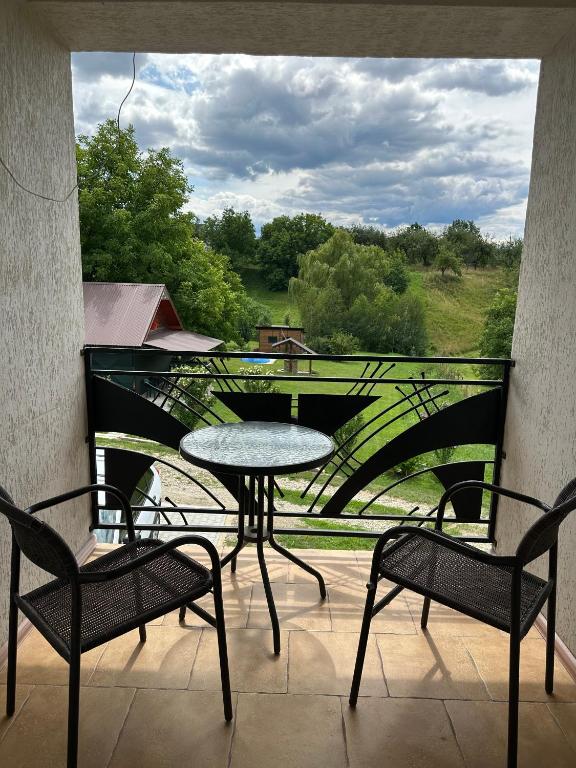
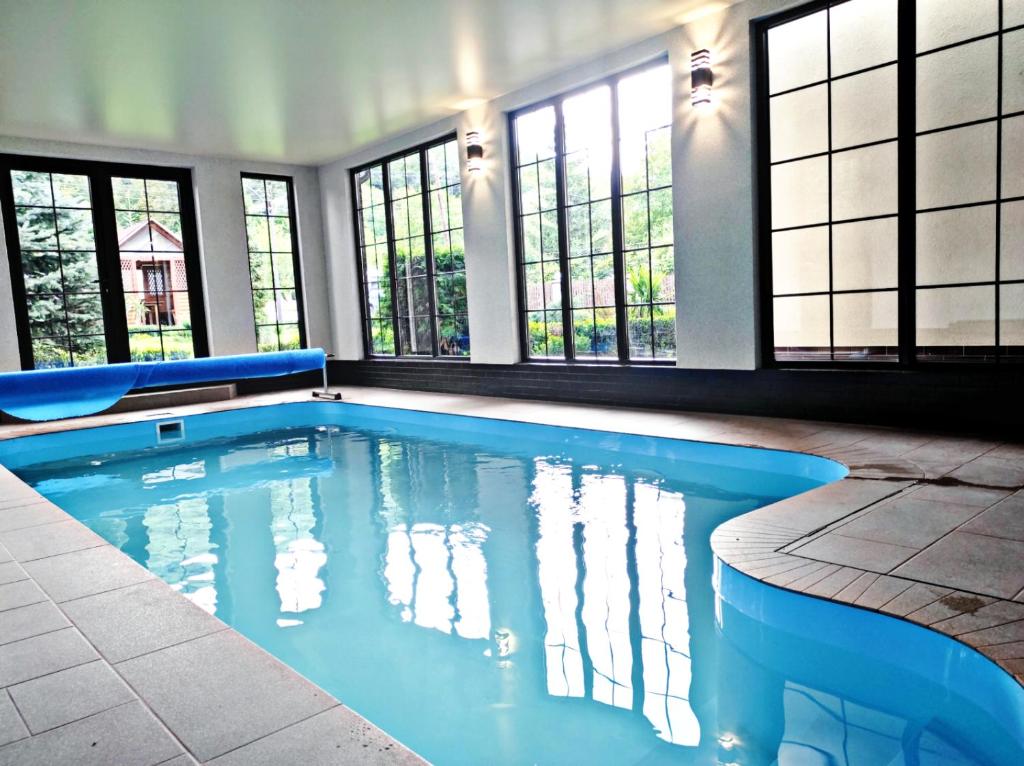
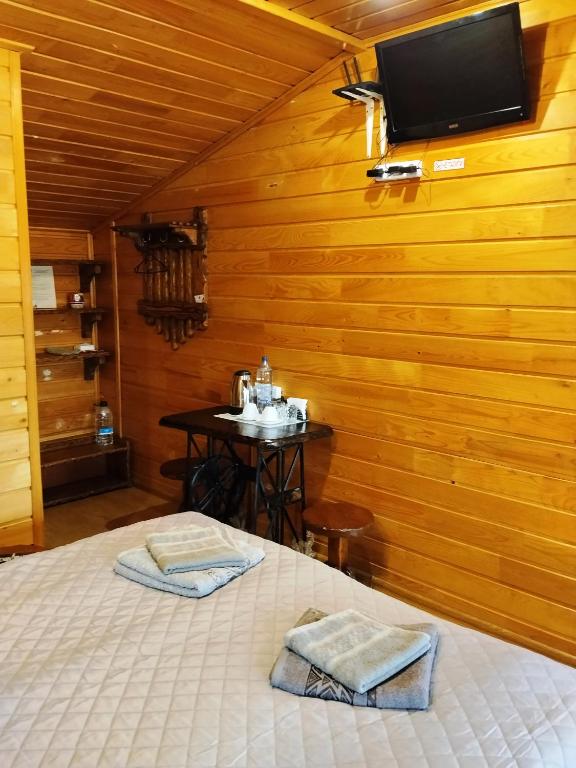
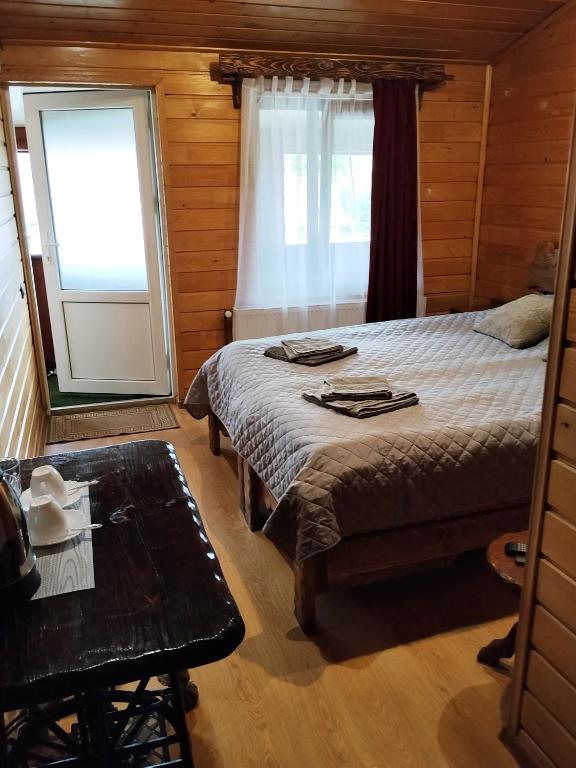
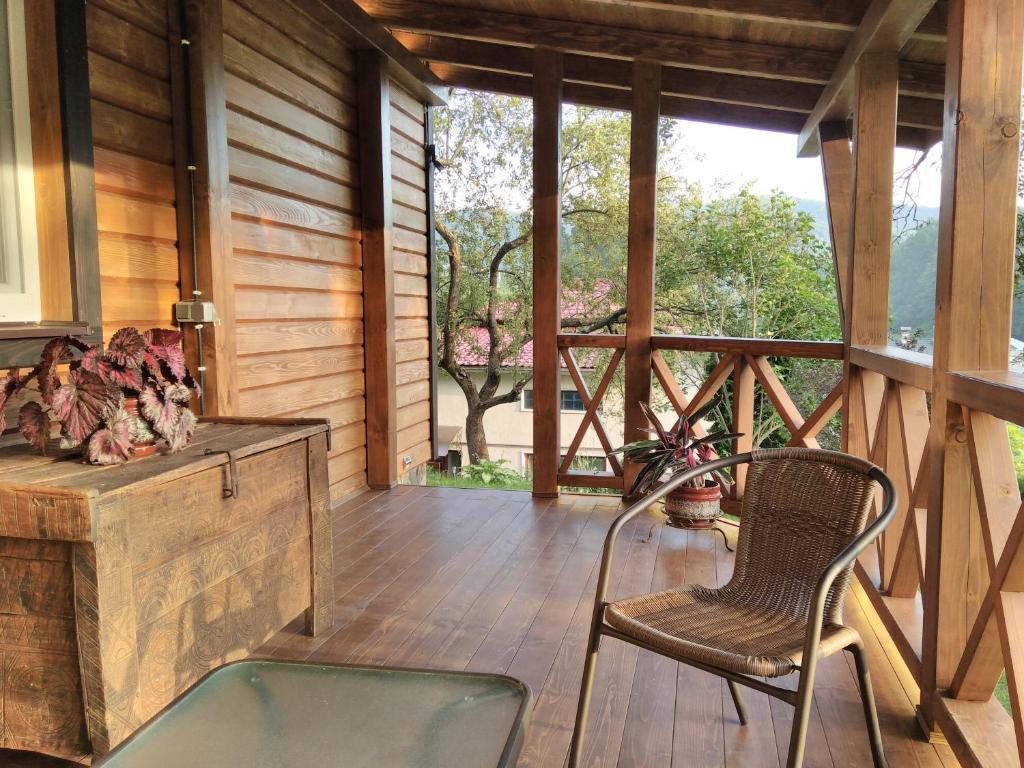
Two selected western stays have indoor pools, while the garden stay on the Verbovets approach advertises seasonal outdoor swimming. Confirm the exact pool, operating dates and children’s access before promising a swim. One western property accepts children from six years old and does not provide cots or extra beds, so check the policy as carefully as the room photograph. Ponds and river edges need supervision, and a room labelled family may still have stairs or only the beds shown in that category.
How many nights work, and what changes with the season?
Two nights let you separate a craft or museum visit from a modest walk; three leave time for a booked workshop and a slower day at the accommodation. If the market is central to the trip, include Friday night and Saturday morning. Warmer months make terraces and outdoor swimming more useful, while colder weather shifts the choice towards reliable heating, indoor facilities and meals on site. Keep a museum or craft visit available when hill conditions do not suit the group, and avoid planning the whole stay around one weather-dependent outing.
Do the guesthouses have private kitchens and meals?
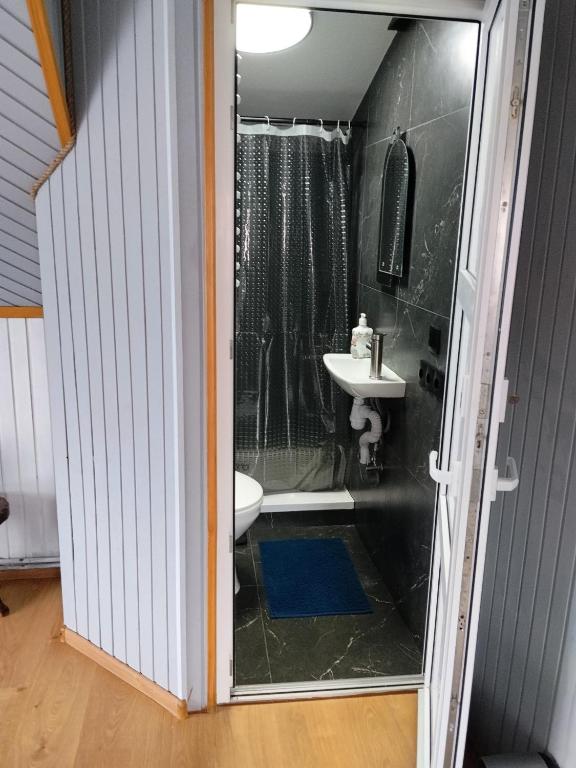
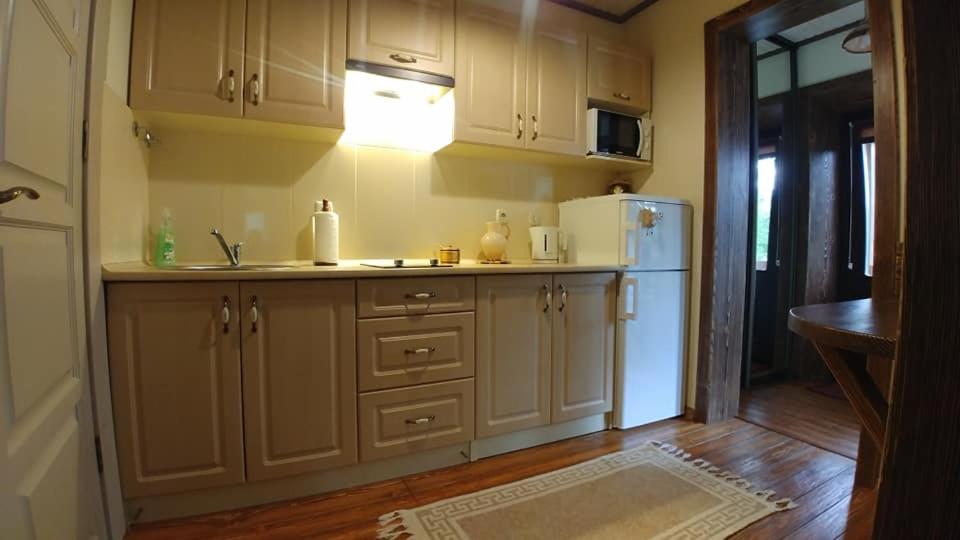
The arrangements vary substantially: a studio can have its own kitchen, an ordinary room may use a shared one, and only a particular apartment category may offer private cooking space. Confirm the kitchen, bathroom and sleeping layout of the unit you are actually booking. Where hosts prepare meals, agree on breakfast or dinner in advance and check the current kitchen schedule. Ask about stairs, heating, cleaning and arrival instructions before bringing a family or groceries for several days.
Prices are set by the booking site. We may earn a small fee, at no cost to you.