About Block Island
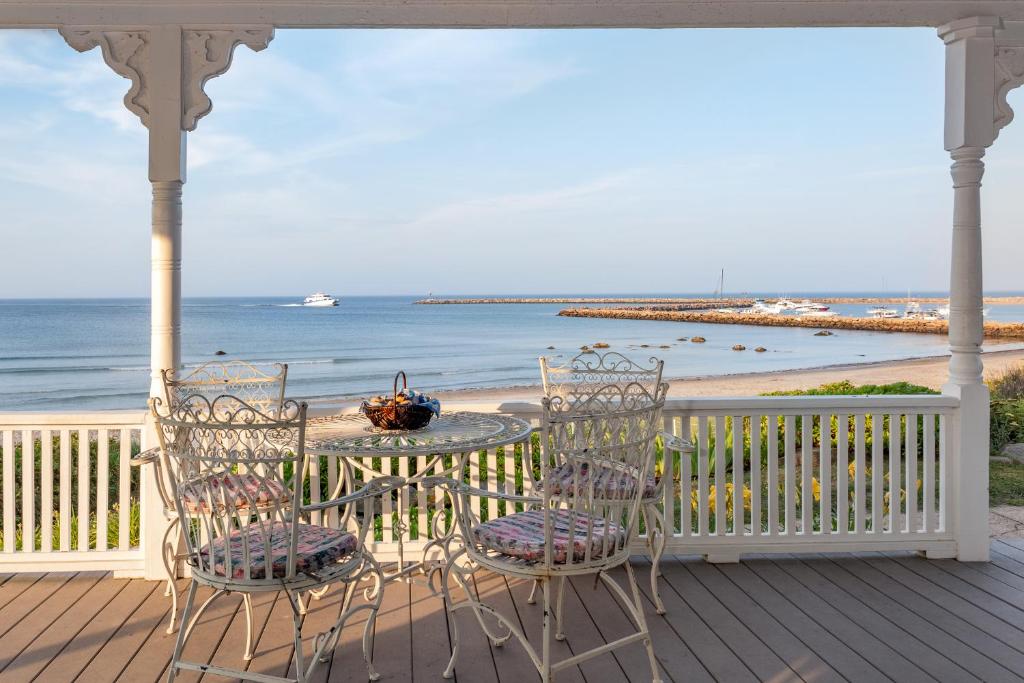
Block Island rewards an overnight stay with beach walks, grassy inland paths and time to watch the ferries come and go. Old Harbor puts restaurants and the principal ferry landing close to your room; the lower Corn Neck Road shoreline adds beachfront houses. Spring and High Streets climb towards inns with lawns and sea views.
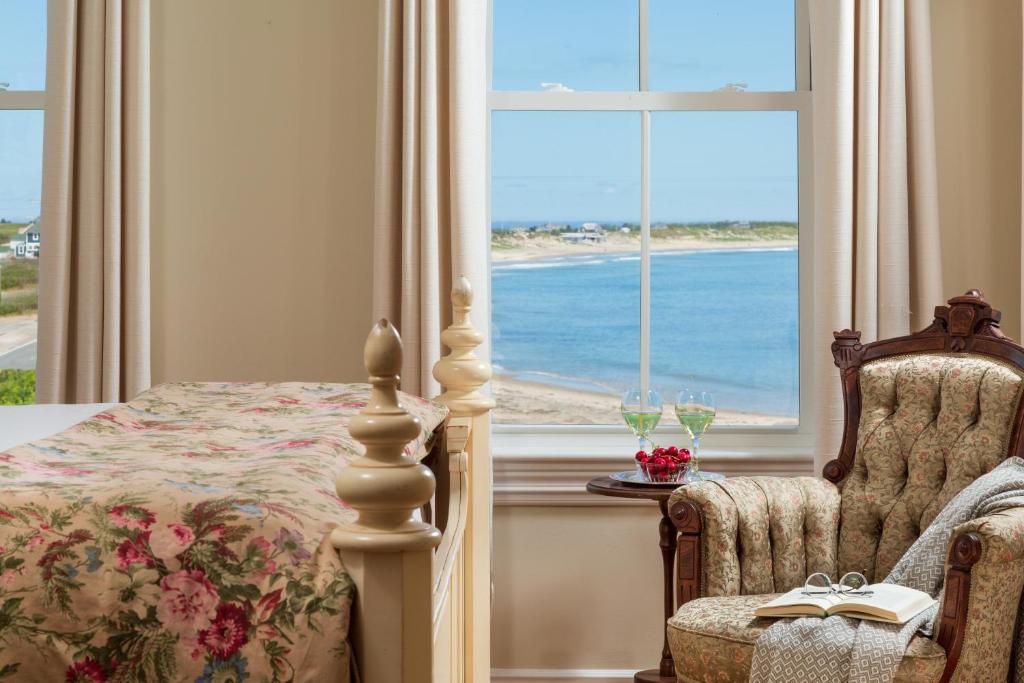
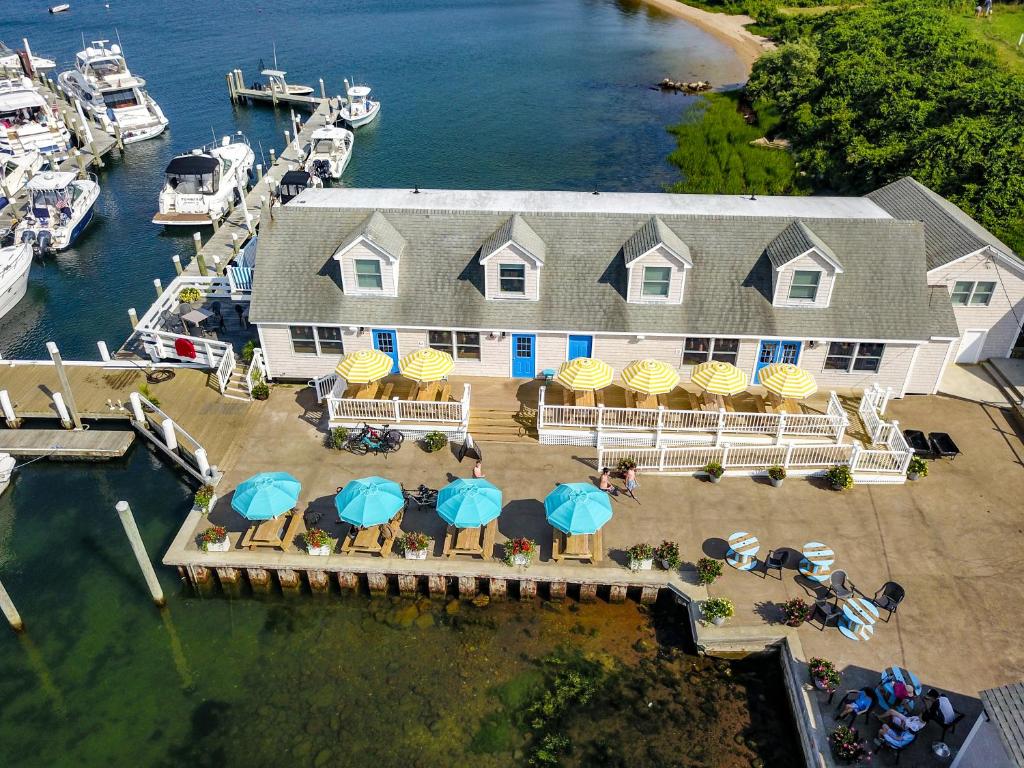
New Harbor, on Great Salt Pond, offers a marina setting, while Old Town Road provides a quieter inland base. Choose the arrival port and room layout together: a sea view, an easy walk with luggage and a bathroom reached without stairs are separate advantages.
Common questions
Which ferry arrival should I plan around?
The year-round traditional ferry from Point Judith reaches Old Harbor in about 55 minutes; the seasonal high-speed crossing takes about half an hour. New London's seasonal Block Island Express also uses Old Harbor, with its mainland terminal opposite the railway station. Viking's seasonal Montauk service uses the New Harbor side at 80 West Side Road. Check your particular operator and season before choosing a hotel transfer; the two island harbors are not interchangeable.
Should I bring a car, and how do vehicle reservations work?
You can manage a short stay without one, especially around Old Harbor, using taxis for farther trips. Only the traditional Point Judith ferry carries vehicles; reserve that space with the operator separately from a hotel booking. The ferry asks vehicles to check in about an hour before departure, so add mainland driving and parking time. A passenger reservation or high-speed ticket does not reserve a place for a car.
Can I reach the island by train or plane?
New London is a useful rail connection because the Block Island Express terminal is across from Amtrak and near Shore Line East connections; the boat is seasonal. For Point Judith, the ferry operator places Kingston Amtrak station about twenty minutes away by road and Providence airport about forty-five minutes away, so arrange the final transfer. New England Airlines flies from Westerly year-round, with a crossing of roughly twelve minutes; check operating conditions before relying on a tight connection.
How easy is it to explore without driving?
Old Harbor makes meals, shops and the ferry straightforward on foot, while island taxis serve both harbors and the airport. A bicycle can broaden the day, but inland hills and the distance back from a beach matter more than the island's compact outline suggests. Arrange luggage transport and any late return in advance. A hotel shuttle may have limited hours or a specific route, so confirm it rather than assuming it replaces every taxi journey.
Which beach setting is practical for a family day?
Fred Benson Town Beach has restrooms, showers, food and summer lifeguards, making it a useful starting point when those services are operating. Other stretches offer a different experience, and beach access alone does not establish supervision or safe water. The tourism beach map warns against swimming at Cow Cove by the North Lighthouse because of dangerous rip currents. Choose the day's beach using current conditions and posted guidance, and keep children within close reach.
Can everyone go down to the beach at Mohegan Bluffs?
The descent involves 141 steep steps followed by a rocky scramble, with the climb back up still to come. It is unsuitable for limited mobility, and the beach has no lifeguards or restrooms. You can enjoy the cliff scenery from the Edward S. Payne overlook without completing the descent. Wear suitable shoes, carry water and respect marked paths or erosion closures; an ocean view from above can be the right outing on its own.
When should I stay, and what changes outside summer?
June through August brings the broadest choice of restaurants, shops and seasonal transport, along with busy beach weekends. Spring and autumn can suit a slower visit, but check the actual inn, dinner options and ferry dates together. The traditional Point Judith route runs year-round; that does not mean every hotel or café remains open in winter. Treat old seasonal listings as a prompt to confirm directly, rather than a promise for your travel dates.
What should I check for children or accessible accommodation?
Ask for the specific room's guest-age policy, beds, bathroom and route from the street. Some small inns restrict younger guests, some rooms share a bathroom, and many older buildings have stairs without a lift. Ground-floor suites can help, but check doorways and bathing arrangements. For the ferry, discuss the actual vessel and sailing with the operator: accessible lower-deck space and access to upper decks are different questions.
Are there walks beyond the beach?
The Greenway guide describes more than 28 miles of walking routes through the island's hills and open land. This is a network of separate choices, not a single loop to finish in an afternoon. Use the official trail map to select a starting point and a manageable route, then arrange how you will return. Wear shoes suited to uneven ground, take drinking water and remain on marked paths rather than cutting across private land.
How many nights work, and what if weather disrupts the boats?
Two nights allow a harbor evening, a beach day and one inland or bluff outing; three give more room to change plans. Check minimum stays before fixing the ferry, especially for summer and holiday weekends. Wind and sea conditions can disrupt transport, so leave flexibility before an important onward connection. Read the accommodation's cancellation terms separately from the ferry operator's policy; one cancelled service does not automatically cancel every part of the trip.
Prices are set by the booking site. We may earn a small fee, at no cost to you.