About Saugerties
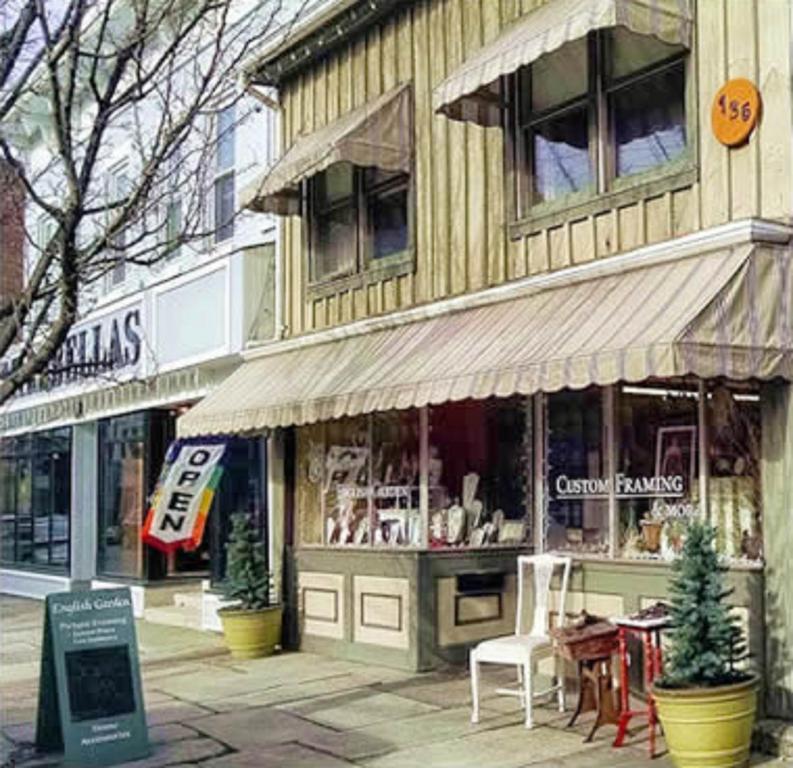
Saugerties gives you a compact village between the Hudson River and the wooded approaches to the Catskills. Main and Partition streets suit a weekend of shops, coffee and dinner on foot, while the lighthouse and Esopus Creek add outings close to town. Staying here makes sense when you want both village evenings and time outdoors without changing accommodation each night.
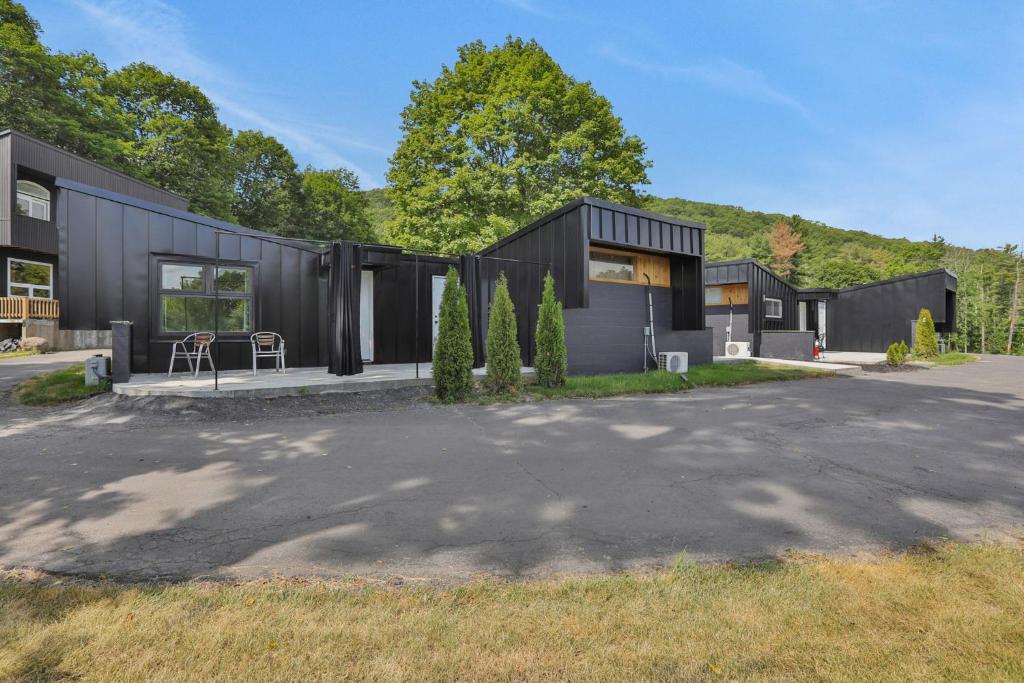
The important choice is between a room above the central streets, a woodland cabin or trailer west along Route 212, and a road base north on Route 32. These settings offer quite different trips despite sharing a Saugerties address.
Common questions
Where should I stay for a first visit, and how many nights?
Start around Main and Partition streets if cafés, independent shops and dinner are the main reasons for coming. Two nights allow a full day with room to change a walk around the weather or tide. Add another night if you want a slower woodland stay and several separate outings. Choose Route 212 for time outdoors at the accommodation, or Route 32 for easy road logistics; neither is a substitute for a village room when walking to dinner is the priority.
Can I arrive and get around without a car?
A village-focused visit is possible with a planned arrival transfer. Amtrak serves nearby Rhinecliff, followed by a road journey; Saugerties is not a station stop. Trailways uses the Route 32 park-and-ride near the Thruway interchange, outside the historic centre. UCAT’s KS route links Kingston and Saugerties on weekdays and Saturdays, with stops around Main Street. Check the current timetable and arrange onward taxis in advance. A rural room, lighthouse outing and evening return each need their own transport plan.
Can I walk to the lighthouse whenever I like?
The nature trail is about half a mile each way from the trailhead and normally opens during daylight year-round. Parts flood with the tide twice daily, so consult the lighthouse’s tide table before setting out. The public riverside deck has weekday access and closes on Saturdays and Sundays. Interior visits follow a separate summer programme. Check weather and closure notices too; reaching the beginning of the path does not guarantee a dry route or access inside.
How should I plan a visit to Opus 40?
This is an outing to Harvey Fite’s bluestone quarry sculpture, west of the village, rather than a gallery on Main Street. As checked in November 2026, the operator has closed for the 2026 season and points visitors towards 2027; check the new calendar before planning around it. When open, advance tickets are sensible for popular dates. The sculpture has uneven surfaces, slopes and drops. Wheelchairs and strollers cannot go onto the sculpture itself, although designated viewing points and selected access routes are available.
Where can I take a shorter nature walk near the village?
Esopus Bend Nature Preserve offers a separate outing from the tidal lighthouse path. Use the conservancy’s current map and choose an entrance before driving: there is a small parking area at 10 Shady Lane and another at 50 Sterley Avenue. Parking is limited, and the Sterley lot is not ploughed in winter. Keep the route suited to daylight and ground conditions rather than assuming every entrance remains usable after snow.
How do the season and wet weather change the visit?
Plan warm-weather trips around outdoor time, then check the actual attraction calendar before choosing late autumn or winter. The lighthouse trail can be icy, Opus 40 closes seasonally, and a cabin’s heating matters more than a photograph of its terrace. For rain, keep time for village shops, a meal and the Orpheum film programme on Main Street. Check the particular screening if step-free access matters, since accessibility varies by auditorium. Leave some flexibility instead of making every day depend on dry ground.
What should families and travellers with access needs check before booking?
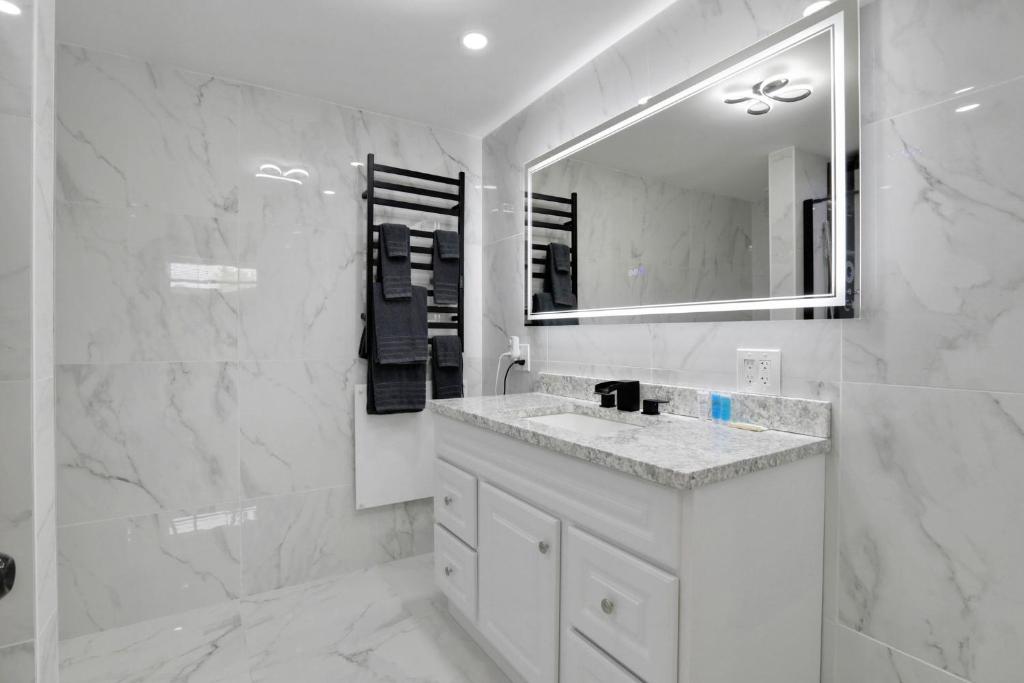
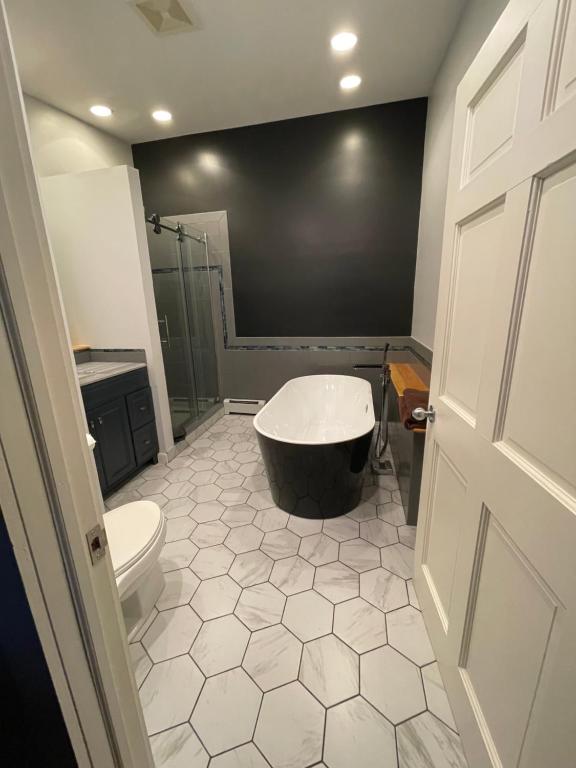
Compare the number of proper beds, bathroom privacy and guest-age conditions for the exact room. Woodland tents and enclosed cabins are not interchangeable: check the walk to shared showers, heating and cooking facilities. In older village buildings, ask about stairs and how luggage reaches the room. For a conventional hotel, reserve the required accessible bathroom layout rather than relying on the property’s general accessibility label. Confirm parking and arrival instructions, especially if you will reach a small inn after dinner.
Prices are set by the booking site. We may earn a small fee, at no cost to you.