About Termez
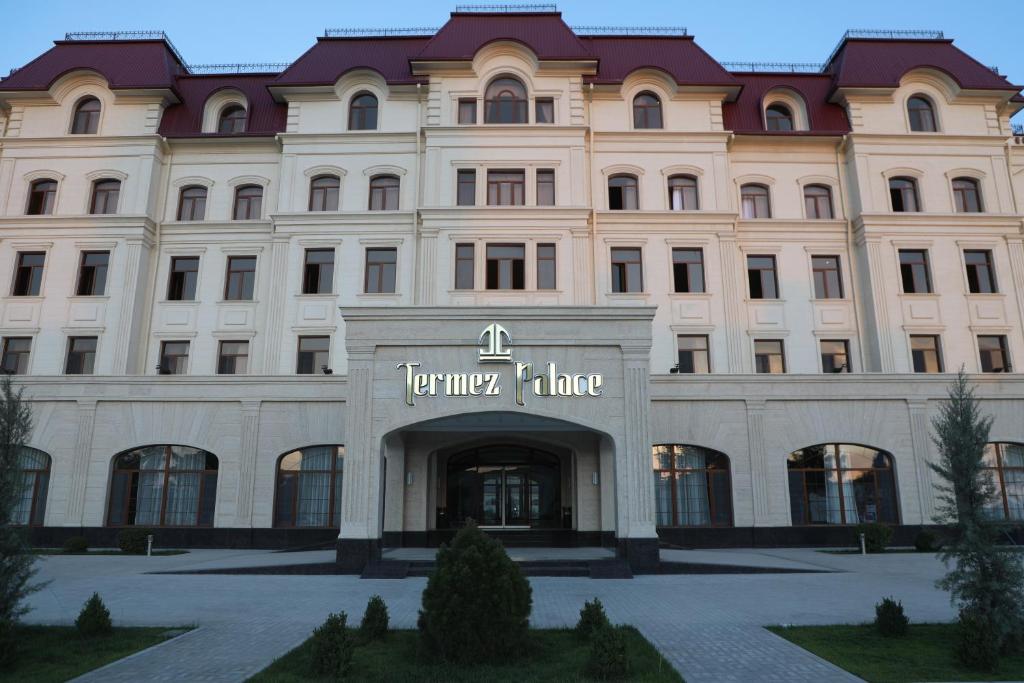
Termez works best when you give the archaeological museum and the sites outside town separate time. Start in town to see the museum and find dinner close to your room, then arrange a car for the Buddhist remains at Fayaztepa and other stops you want to see. A homestay works if the household setting matters to you. Choose Airitom only when your plans are on that side or you prefer a full-service hotel and are comfortable arranging a ride into town. Two nights leave a morning for the outlying sites without making your arrival depend on the timing of your train or flight.
Termez is unlike Uzbekistan's better-known tiled Silk Road cities. It sits in the far south, where the Surkhandarya oasis and the Amu Darya borderlands hold remains of Buddhist monasteries, Kushan settlements and Islamic religious complexes. The reason to stay rather than pass through is that these sites are spread over different parts of the city and its outskirts. Your first afternoon is best spent in the Termez Archaeological Museum, which the national tourism agency describes as having ten galleries and more than forty thousand artefacts. The displays explain the cultures of ancient Bactria, the Kushan period and northern Tokharistan. After seeing the museum, you will recognise more of what remains at the exposed archaeological locations the following morning.
Fayaztepa is one of the important Buddhist monastery complexes associated with ancient Termez. The site contains remains of a sanctuary, monastic rooms and a courtyard; a copy of a Buddha triad found there is displayed at the archaeological museum, while the original is preserved in Tashkent. This is a landscape of partial foundations and restored structures, not an intact temple with regular worship. Arrange the journey by car, check whether the site is open to visitors and allow time to see the surrounding heritage area without hurrying. The Surkhandarya archaeology route also includes Kara Tepe, Kampyrtepa and Ayrtam, but they are not all a short urban walk and should not be bundled into one unverified circuit.
The city's Islamic monuments provide a second story. Sultan Saodat is an ensemble of mausoleums built over several centuries for Termez's sayyid families, with brick domes, courtyards and arched entrances. The memorial of al-Hakim at-Termizi is another sacred site connected with a historic Muslim thinker. The national tourism guide also lists the Kyrk Kyz fortress ruins. Decide whether your interest is primarily Buddhist archaeology, Islamic heritage or both; then ask a local driver to arrange a sensible order and return trip. Do not assume every sacred or archaeological site has the same opening arrangements or photography rules.
Choose central Termez for meals, the museum and an easier first evening. A residential guesthouse can offer a smaller, quieter base if you confirm check-in and food with the host. Airitom, outside the central town, works for those whose plans are on that side or who want a full-service hotel and will use a driver for city visits. Termez's summers are exceptionally hot, according to Uzbekistan's tourism office, so visit open-air ruins early and save indoor exhibitions for hotter hours. In winter, conditions are generally milder but cold spells can occur. Two nights allow you to separate arrival from a full heritage day and avoid placing an exposed archaeological excursion directly after a long journey.
Common questions
How do I get to the archaeological sites?
Arrange a driver and agree on stops in advance. Start with the museum to put the finds in context. Check current opening and access details for Fayaztepa separately.
Can I visit without renting a car?
Yes if you stay in town and arrange local rides. Do not rely on the same transport for the city and every outlying site.
When should I walk around?
In hot months give exposed sites the early part of the day. Keep the museum for a separate indoor visit and check its hours before travelling.
How long is useful?
One night gives you a city stop. Two give you time to see the museum and then spend a separate morning outside town.
What does Termez Archaeological Museum explain?
Uzbekistan's tourism office describes ten halls with more than 40,000 objects, including material from ancient Bactria, the Kushan period and northern Tokharistan. Visit before Fayaztepa: a copy of the Buddhist triad found there is displayed at the museum, giving context to the outdoor foundations.
Can I see both Buddhist and Islamic heritage in one day?
It may be possible with a driver, but the sites are scattered and their access arrangements differ. Prioritize Fayaztepa and one Islamic complex such as Sultan Saodat or the al-Hakim at-Termizi memorial, rather than assuming all ruins can be seen quickly. Confirm hours, permitted areas and return transport.
Why should I plan the outdoor ruins for the morning?
The official destination guide warns that Termez has exceptionally hot summers. Exposed sites offer less shelter than the city museum, so start outdoor visits early, carry water and use the hotter hours for an indoor exhibition or rest. In winter check for short cold spells as well.
Prices are set by the booking site. We may earn a small fee, at no cost to you.