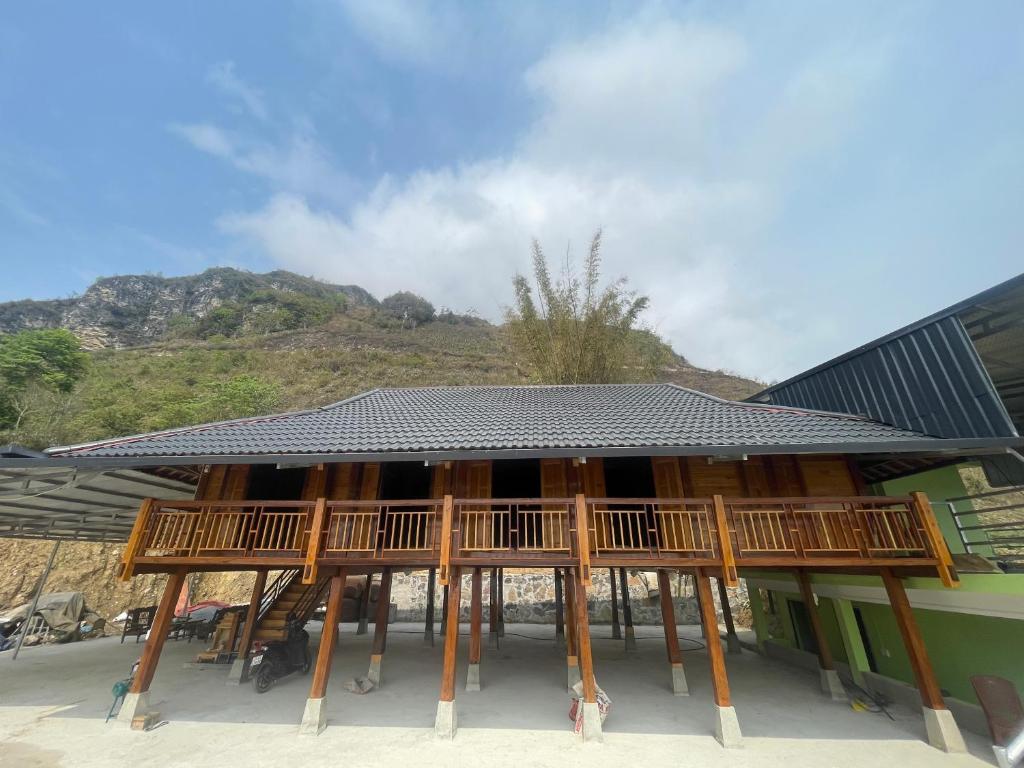
About Dong Van
Dong Van sits at the heart of the Dong Van Karst Plateau, Vietnam's first UNESCO Global Geopark (2010) — more than 2,300 square kilometres of limestone towers, corn and buckwheat terraces and villages of Hmong, Dao, Tay and Lo Lo people pressed against the Chinese border.
For most travellers the town is the main overnight stop on the Ha Giang Loop, the roughly 350-km motorbike circuit out of Ha Giang city: ride over the passes from Yen Minh, sleep here, then take on the Ma Pi Leng Pass above the Nho Que river gorge the next morning.
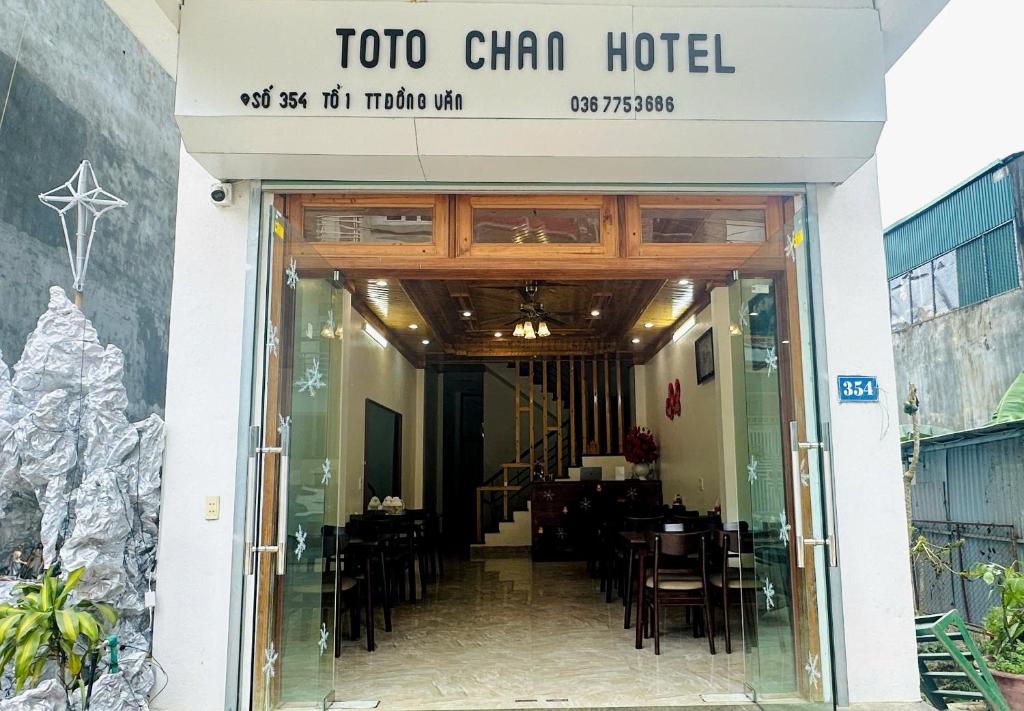
The old quarter's old Sino-Vietnamese shophouses hold cafés and small hotels, and on Sunday the weekly market draws villagers down from the hills.
Practicalities matter up here: Hanoi is five to seven hours away by limousine van or sleeper bus to Ha Giang city, then a half-day's ride; foreigners need a border-area permit for the loop; December to February is properly cold and foggy, while October and November bring the buckwheat flowers.
Common questions
How do you get to Dong Van?
There is no airport anywhere near. From Hanoi, sleeper buses take six to eight hours and limousine vans five to six hours to Ha Giang city; from there it is about 145 km of mountain road to Dong Van, a half-day by motorbike or local bus. Most visitors arrive as part of the Ha Giang Loop, riding themselves or on the back of an easy-rider guide's bike.
Do I need a permit or a special licence for the Ha Giang Loop?
Yes on both counts. Dong Van, Lung Cu and Ma Pi Leng sit inside a restricted border zone, so every foreign visitor needs a border-area permit — guided tours include it and rental shops can arrange it for independent riders. To ride your own bike legally you also need a 1968-convention international driving permit with the right motorcycle category; riding pillion with an easy rider avoids the licence issue entirely.
When is the best time to visit Dong Van?
October and November are the famous weeks: dry, clear roads and the buckwheat flower season that turns the plateau pink-white. September brings golden rice harvests, and March to April peach and plum blossom. December to February is cold and often foggy — pack real layers. Broadly, October to April is the cooler, drier window for riding.
Is the Sunday market worth planning around?
Yes. Every Sunday morning the weekly market pulls Hmong, Dao, Tay and Lo Lo villagers down from the surrounding hills, and the old quarter and market square turn into the region's liveliest morning. It means Saturday night is the busiest of the week — on peak autumn weekends, book your room ahead rather than riding in and asking around.
Should I stay in Dong Van or Meo Vac?
Dong Van for most people: it has the old quarter, the most accommodation choices on the loop, and the best access to the Vuong Palace at Sa Phin and the Lung Cu flag tower. Meo Vac, 25 km south past the Ma Pi Leng Pass, is the alternative if you want to wake up closest to the pass and the Nho Que river boats.
Prices are set by the booking site. We may earn a small fee, at no cost to you.