About Flinders Island
Flinders Island lies in eastern Bass Strait, with granite mountains, coastal walks and small settlements linked by country roads. Staying several nights gives you time to choose outings around the wind, cook with groceries bought before a longer drive, and return to the same comfortable base.
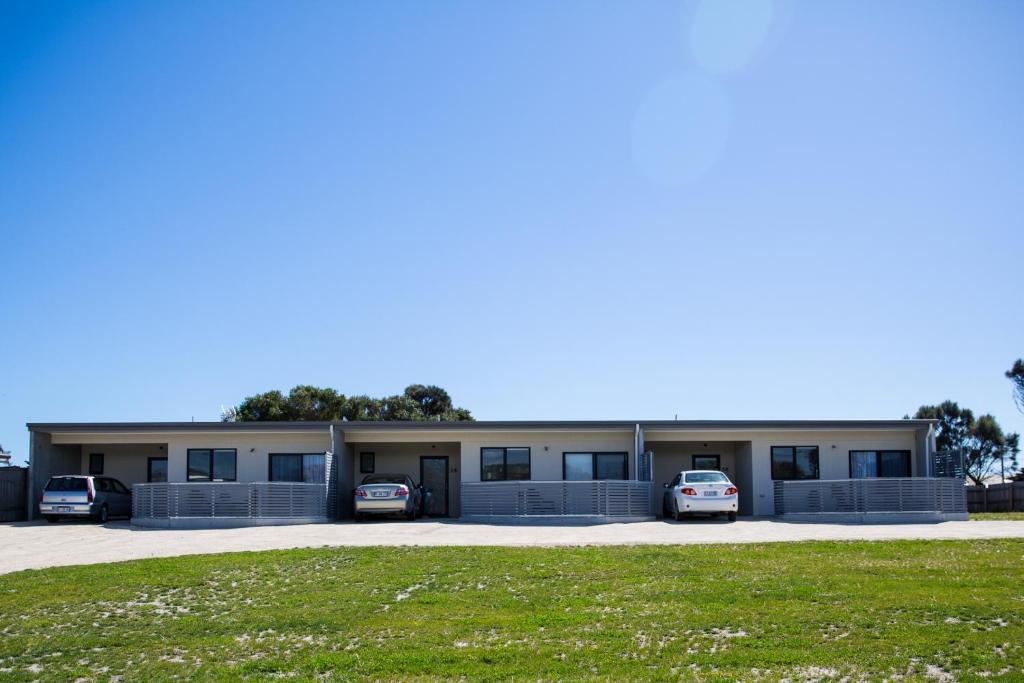
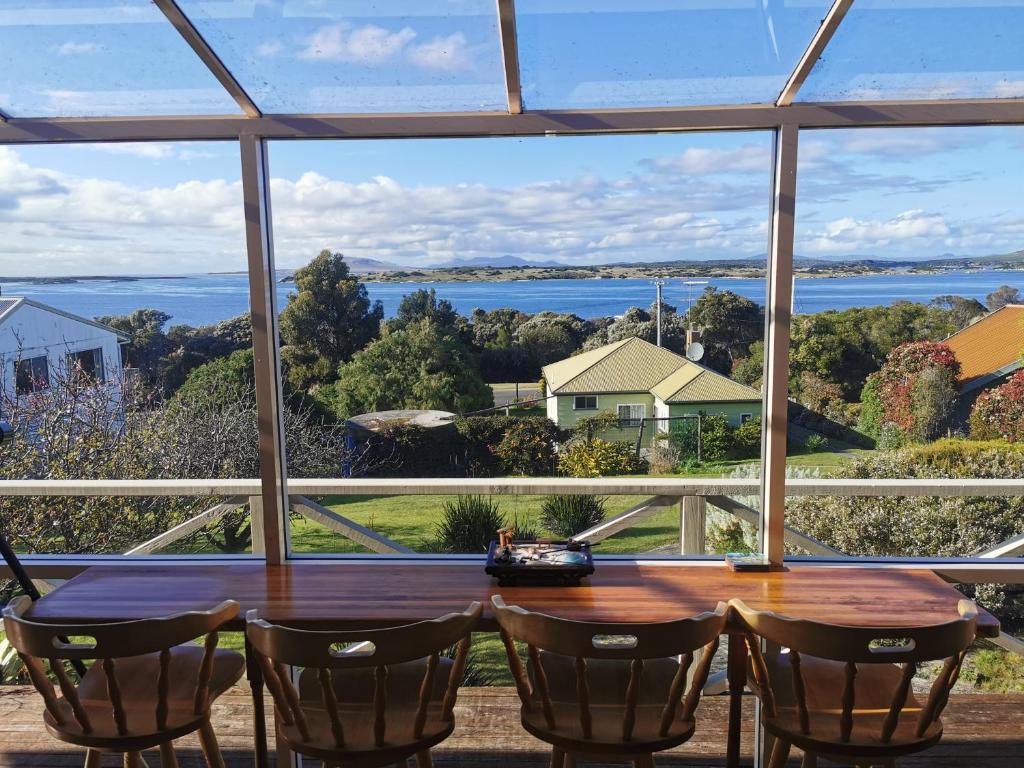
Whitemark is the practical choice for shops and arrival, while its northern approach has smaller private stays. Sawyers Bay suits a coastal retreat, and Lady Barron offers a southern village base overlooking Franklin Sound. Choose your actual bedroom layout as carefully as the view, then reserve transport before settling the rest of the itinerary.
Common questions
How do I reach Flinders Island?
Sharp Airlines’ current timetable links Flinders Island with Melbourne Essendon in about an hour and Launceston in about 35 minutes; check your dates, because flights vary by season and do not use Melbourne Tullamarine. Do not rely on older advice about a scheduled direct Hobart flight. Bass Strait Freight currently describes its service as freight only, so confirm vehicle shipping separately and plan passenger arrival by air.
Do I need a car?
There is no public transport, so reserve an airport rental car early or arrange all transfers and tours before arrival. Sealed and unsealed roads connect the villages and beaches, but check your rental agreement and current road conditions before choosing a smaller track. Staying in Whitemark reduces shopping trips, while slower driving and avoiding unnecessary dawn, dusk or night journeys help with wildlife on the roads.
When should I visit, and how long should I stay?
Most visitors come between December and May: summer, from December to February, suits beach days, while autumn brings cooler and quieter outings. Winter, from June to August, can be wild, and westerly winds are particularly noticeable in late winter and spring, so pack windproof and waterproof layers. We suggest four or five nights to leave room for changing weather, with flights, car hire and accommodation booked together.
Where should I buy food and fuel?
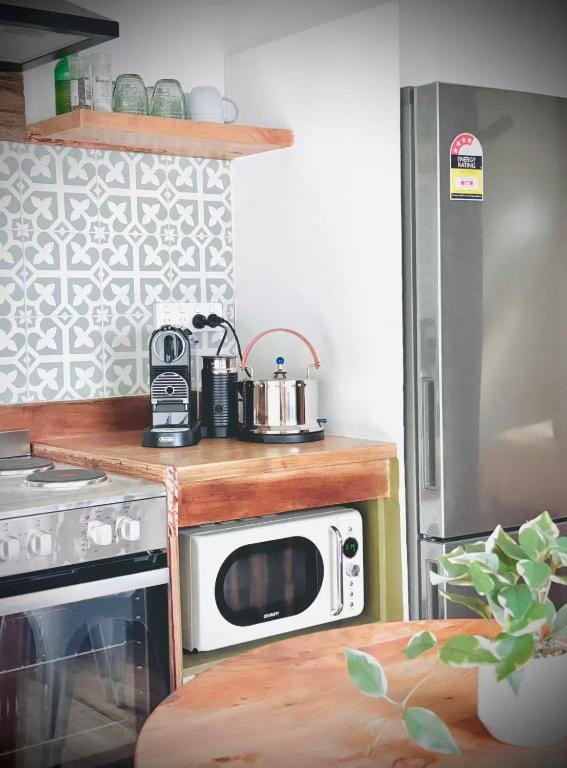
Stock up in Whitemark or Lady Barron before longer outings, because the council says there are no places to buy fuel, food or drinks north of Whitemark. Sunday trading is limited, so arrange arrival groceries in advance and confirm restaurant days before depending on an evening meal out. A kitchen is useful here, but bring drinking water on walks and do not assume water at a picnic site is treated.
Will my phone work on the island?
The council identifies Telstra as the only mobile network and advises arranging a suitable SIM before arrival, because none are sold on the island. Coverage is still patchy, with known gaps around Trousers Point, so download maps and save entry instructions before leaving town. Ask separately about the connection at your accommodation if you need to work or make an important call.
Which walks suit a first visit?
Trousers Point is a two-kilometre coastal circuit taking about an hour and a half, with Grade 2 terrain, occasional steps and exposed edges. Strzelecki Peaks is a much harder Grade 4 walk of about six kilometres return, usually four to five hours, with steep ground and a cold, windy summit. Both require a national parks pass; carry water and layers, check forecasts and park alerts, and avoid the peaks on days of high fire danger.
Can I assume the beaches are safe for swimming?
No: Parks warns that the beaches around Trousers Point are unpatrolled, and attractive water does not remove the risks from swell, wind or exposed rocks. Check local conditions before entering, supervise children closely and choose a shore walk when the sea is unsettled. A coastal address does not guarantee a lifeguard or an easy, step-free route to the sand.
What can I do when beach weather is poor?
Allow at least an hour for the Furneaux Museum at Emita, which explores the islands’ cultural and natural history. Its published visiting days are Tuesday to Sunday from 26 December to 30 April, and weekends from 1 May to 24 December. Outside the main season a weekday appointment needs at least 48 hours’ notice and a volunteer’s availability, so confirm the date instead of assuming it will be open when rain arrives.
Which layouts work for children or a group?
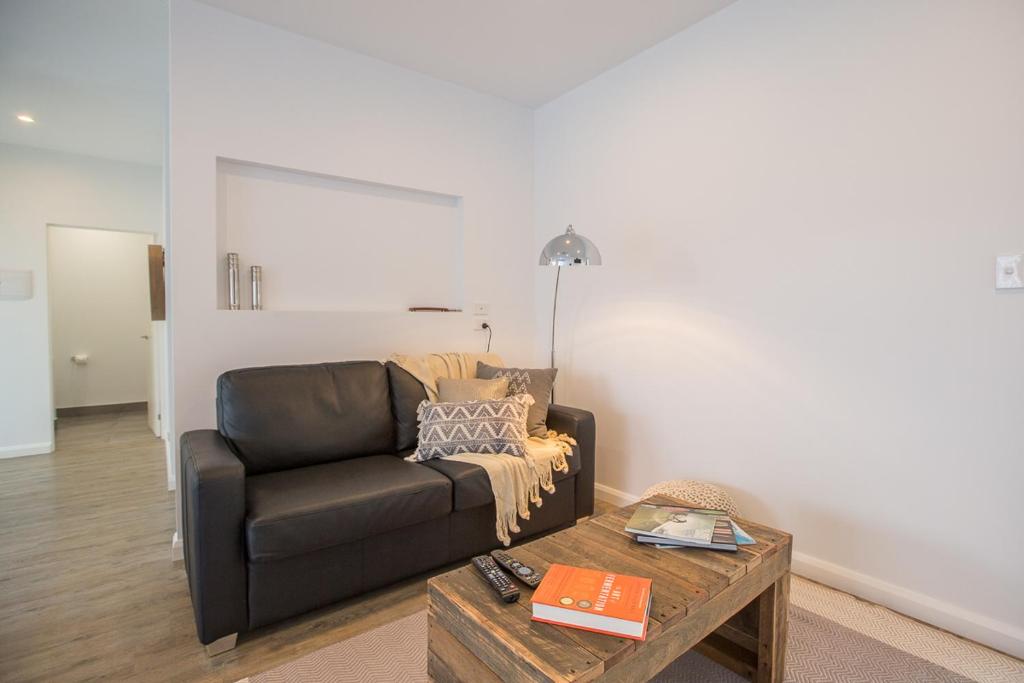
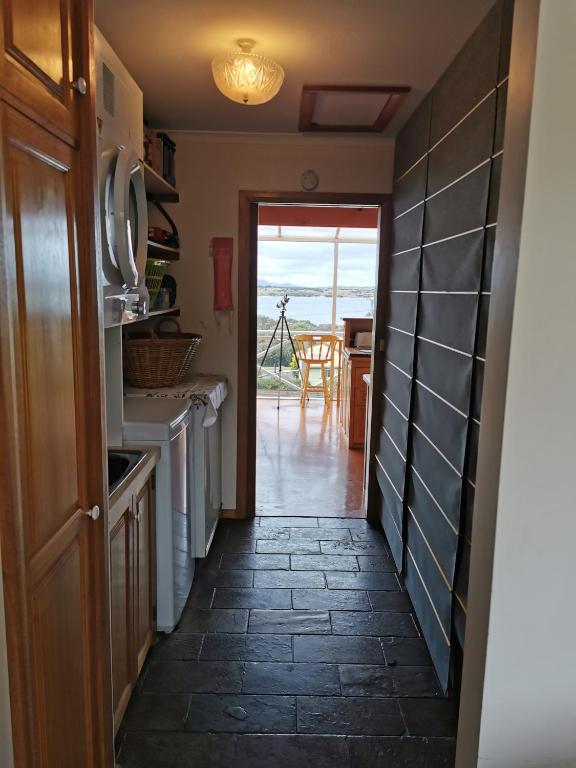
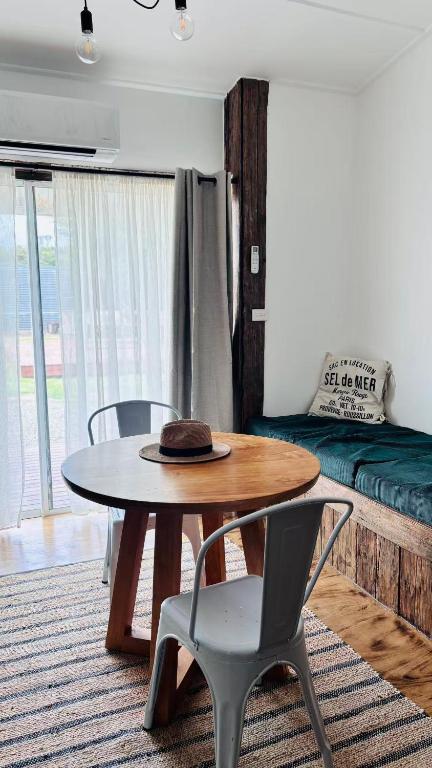
The Lady Barron house accommodates six in three bedrooms, with one queen bed in a mezzanine room, whereas the smaller coastal house is a two-bedroom option for four. A one-bedroom Whitemark apartment uses a sofa bed in the living room for extra guests, so it is not equivalent to two private bedrooms. The selected Bluff Road studio excludes children, cots and extra beds, and families should confirm the exact sleeping arrangement and child policy before reserving.
How should I check access and bathrooms?
Ask for photographs of the route from parking to the entrance and bathroom, rather than treating an apartment or walk-in shower as proof of step-free access. The Lady Barron house includes a mezzanine bedroom, while the private studios and smaller houses have their own specific entrances and shower arrangements. Describe any mobility needs before booking and remember that even the easier Trousers Point walk includes occasional steps.
Prices are set by the booking site. We may earn a small fee, at no cost to you.