About Smithton
Smithton is a working town beside Duck River, surrounded by the farms and coastal waters that supply Tasmania’s far northwest. It is a useful place to settle before days among takayna / Tarkine rainforest, the coast around Marrawah, or the historic buildings of Stanley. You can buy groceries, fill the car and return to a proper kitchen or a local meal.
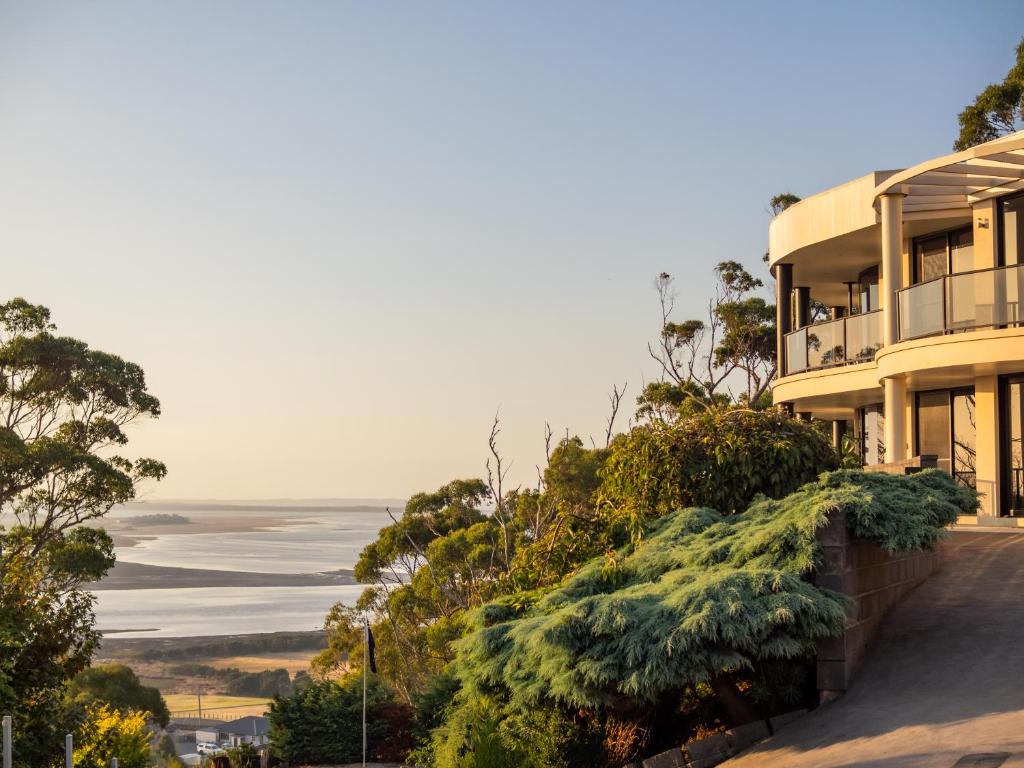
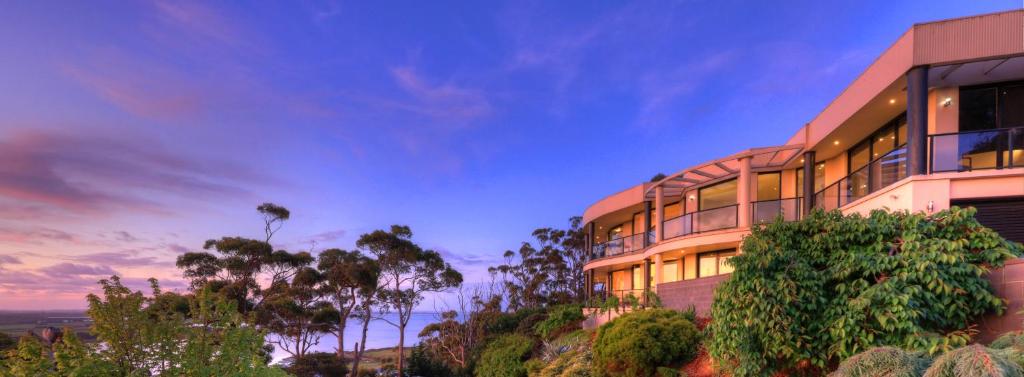
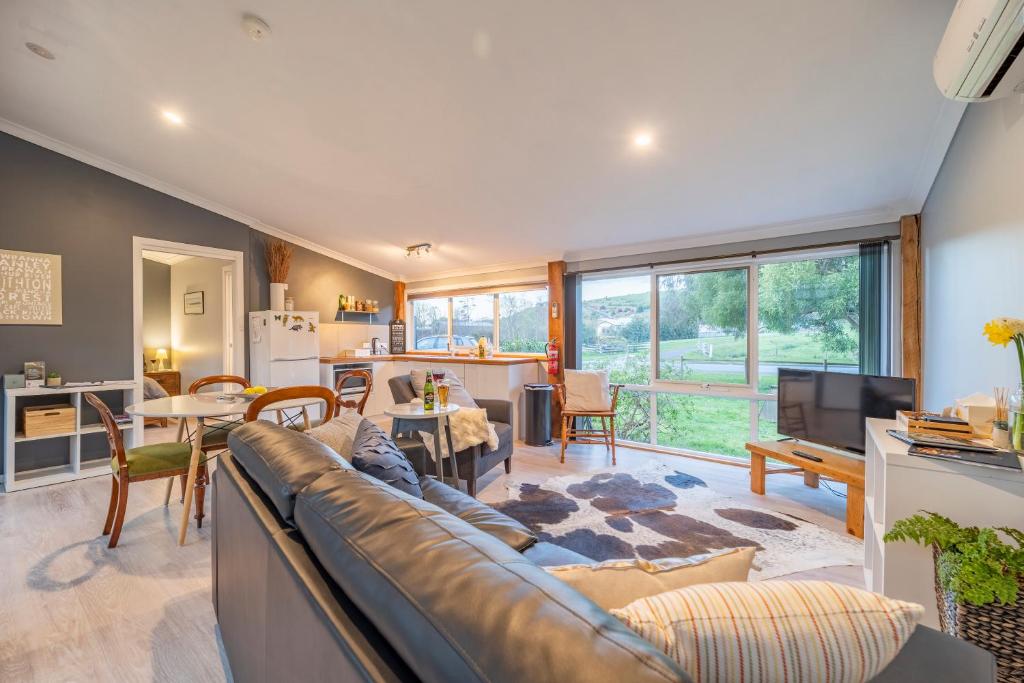
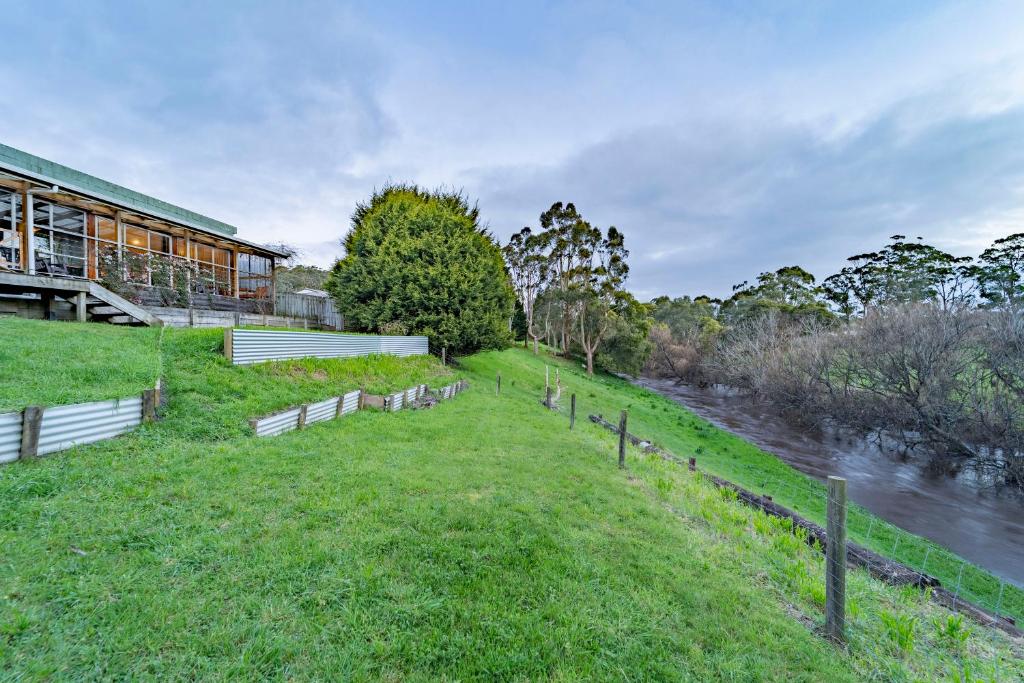
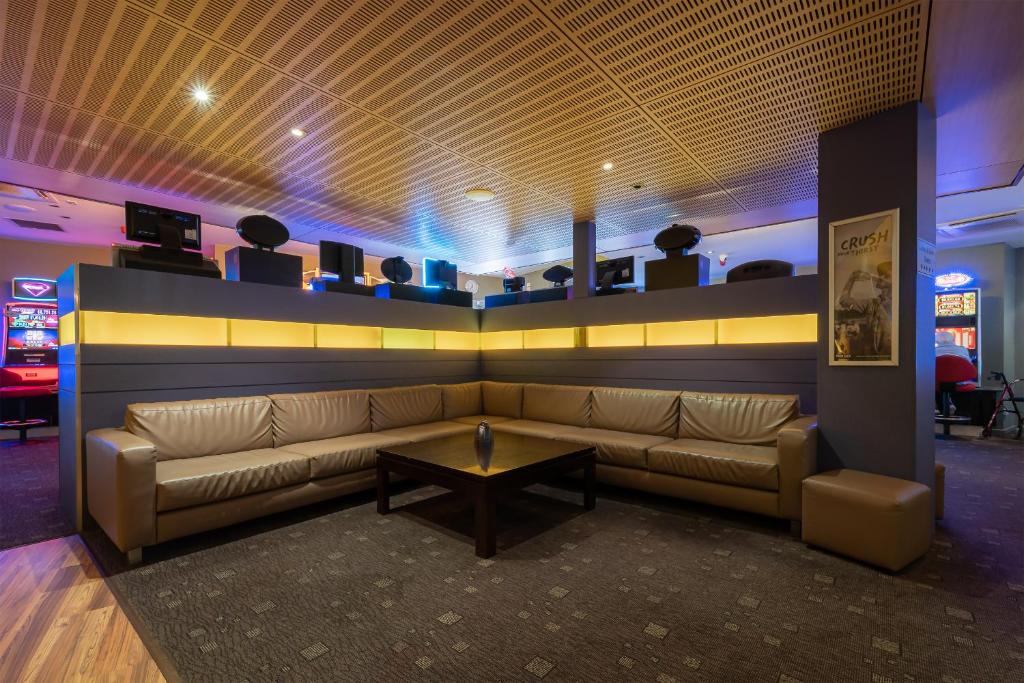
The central streets offer small apartments, while the river mouth and Cantara Road provide very different waterside settings. South along Scotchtown Road, choose between a larger leisure complex and a private riverside unit. The right address depends on how much time you want to spend at the accommodation.
Common questions
Why use Smithton as a base for the far northwest?
It combines the practical services of a working town with access by road to the region’s coast and forest. Supermarkets, fuel, cafés and local produce make it easier to prepare for a day away, while a river or bay outlook gives you a reason to enjoy the accommodation as well. Stanley, Marrawah and the Tarkine are separate outings from this base; choosing Smithton does not put all of those sights within walking distance.
How do I get to Smithton, and is there a bus?
Allow roughly an hour and a quarter by road from Burnie or around three hours from Launceston, following the tourism authority’s driving estimates and adding time for stops. Kinetic route 768 links Smithton and Burnie via Stanley and Wynyard, with Smithton Police Station as the town timing point. Services are limited and vary by day, so check the current timetable. For rainforest and coastal outings, organise a car or a confirmed tour separately.
How long should I stay?
Give the Tarkine a day of its own. A two-night stay can support that excursion and a shorter look around Smithton; three nights lets you add Stanley, a coastal outing or a booked Woolnorth tour without squeezing everything into one drive. If you enjoy spending time at a cottage, leave some of the itinerary empty. Decide which excursions matter before choosing a single overnight stop, because the forest and far-west coast take you beyond the town.
Can I drive the Tarkine route in an ordinary car?
Tourism Tasmania describes the main Tarkine Drive as a sealed 125 km route, with another roughly 50 km from Smithton to its western start near Marrawah. That published route length is not your complete return journey. Stops such as Sumac Lookout, Julius River and Trowutta Arch add walking and lingering time. Check the exact access roads and current Parks and Wildlife notices before departure, and plan a full outing rather than assuming a quick circuit through town.
Can I visit Woolnorth and Cape Grim independently?
Access to Woolnorth Station and kennaook / Cape Grim is through a booked guided tour. The land is a working private farm, so arriving at the gate in your own car does not provide entry. Confirm the meeting point, whether your date has reached the required group size and what happens if weather changes the plan. A Smithton room booking by itself does not include a tour or a transfer.
What is worth doing within Smithton itself?
Walk beside Duck River and visit the Duck River Pavilions at 12 Nelson Street. The visitor centre shares the complex with local heritage displays, a café and a theatrette, making it a useful stop for both context and current route advice. A booked robotic dairy and artisan-cheese tour adds another view of the region’s working life. Leave time for local crafts and a bakery or café instead of treating the town only as a fuel stop.
Which arrangements work for families who want to cook?
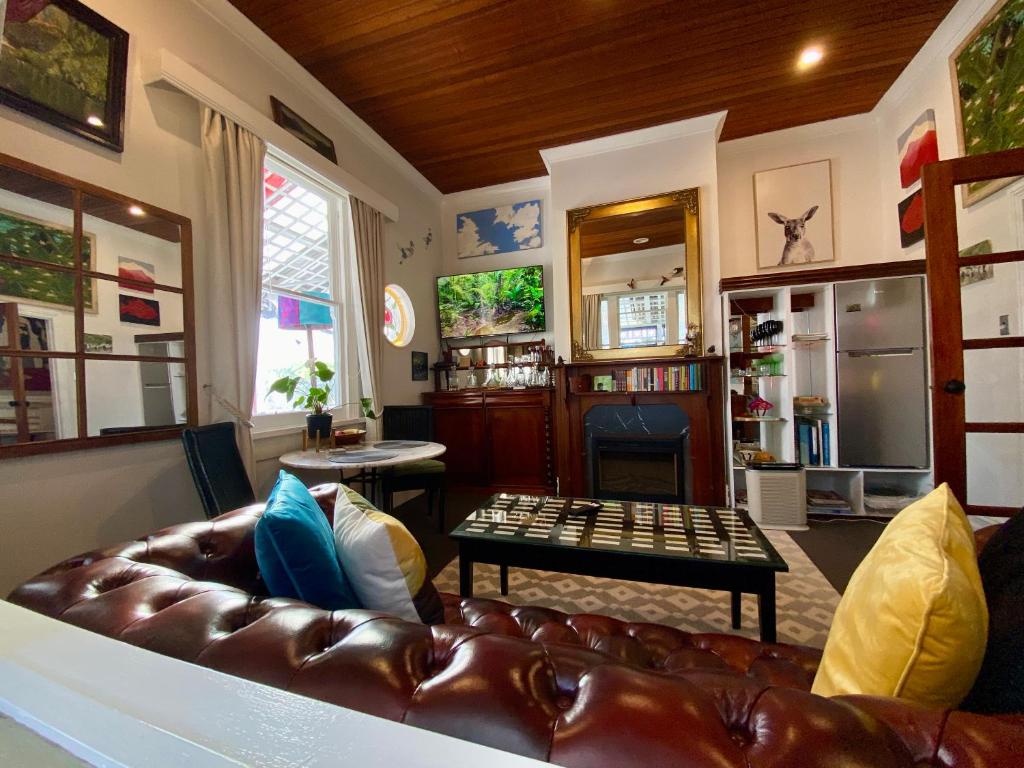
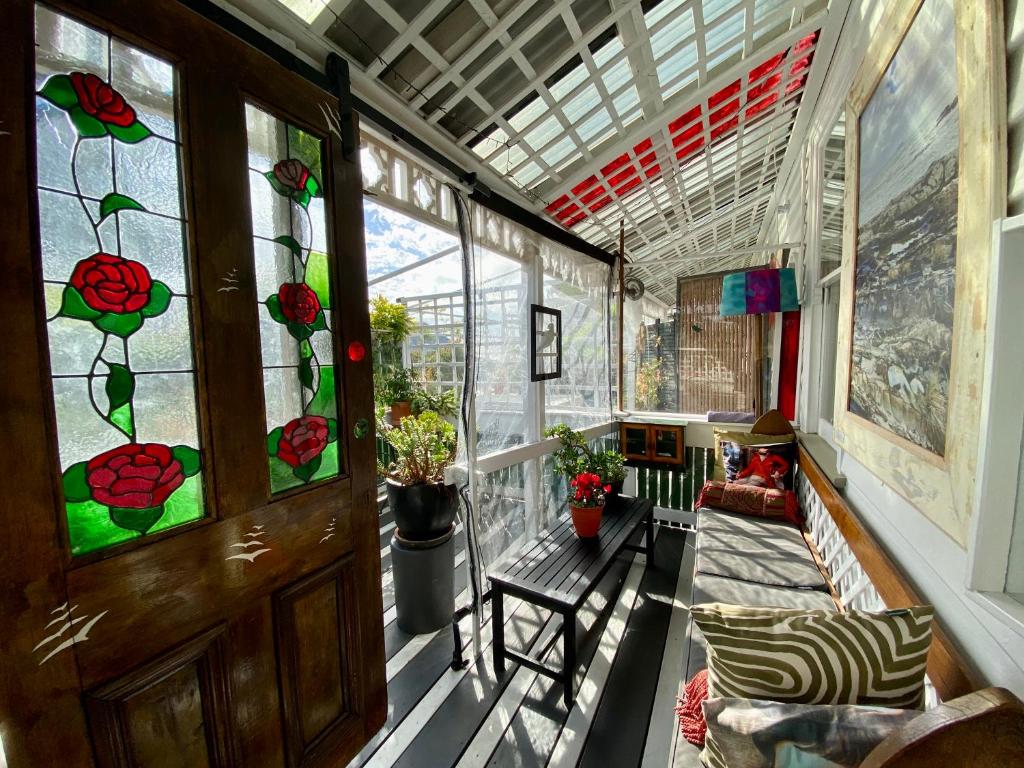
The Cantara Road cottage has two bedrooms, a queen bed and three singles, with a kitchen and laundry for up to five guests. On Scotchtown Road, book the two-bedroom self-contained apartment category for full cooking facilities. The pub’s interconnecting family option joins two queen-plus-single rooms, accommodating six, but its microwaves and toasters are not a whole-house kitchen. Central king-bed apartments are better matched to two guests; ask for the precise room layout rather than assuming “apartment” means family size.
What should I organise before a day out in the forest?
Collect groceries, drinking water and fuel in Smithton, and take a picnic that does not depend on finding a working barbecue. Local oysters from Duck Bay and dairy products can be part of meals back at your accommodation; check the producer’s current visiting arrangements. Save your intended route, carry a rain layer and review road or walking-track alerts before leaving. The visitor centre is useful for choosing a manageable set of stops rather than trying to cover the whole northwest in a day.
When should I visit, and what weather should I expect?
Summer, from December to February, gives you longer daylight for forest and coastal drives. Even then, the northwest can turn cold and wet, so bring warm layers and a waterproof jacket. In winter, plan shorter outings and leave room to change your route. The town’s heritage displays and cafés, or accommodation with an indoor pool, offer alternatives to a full day outside. Check heating and comfortable indoor seating if you want to enjoy the stay whatever the forecast.
Prices are set by the booking site. We may earn a small fee, at no cost to you.