About Penguin
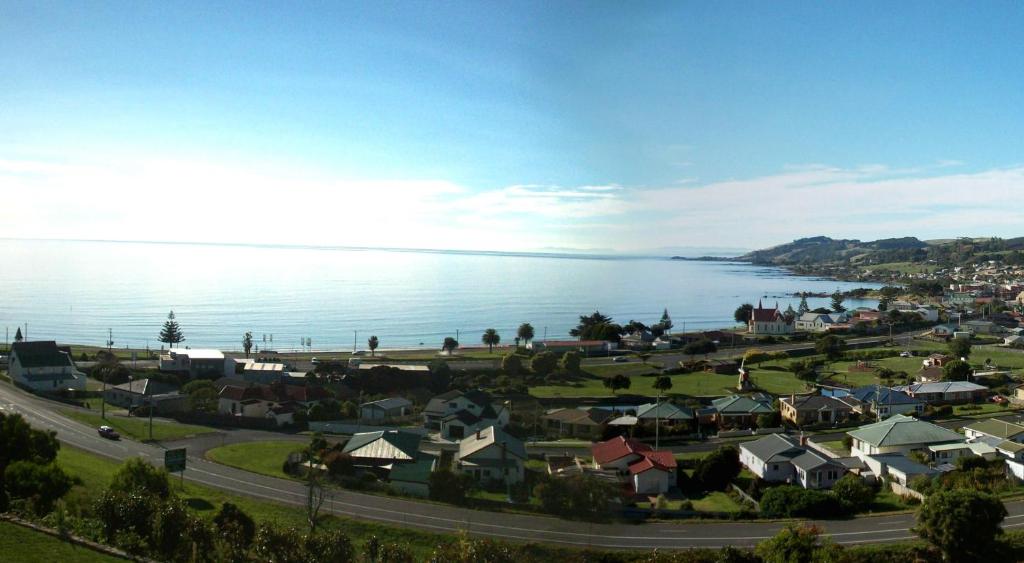
Penguin gives Tasmania’s north-coast road trip a small-town pause: breakfast beside Bass Strait, a walk past the Big Penguin and an evening in a house with room to cook. Stay two nights if you want the foreshore, heritage streets and one outing into the Dial Range without packing again each morning. Main Road makes cafés and the bus stop easiest to reach.
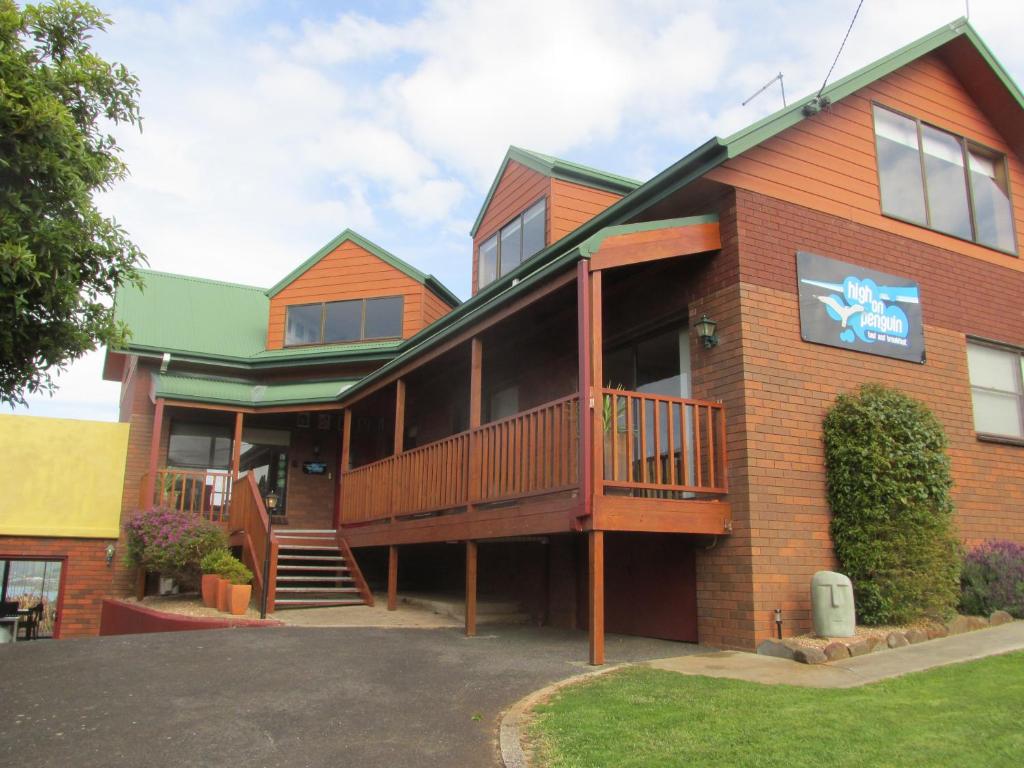
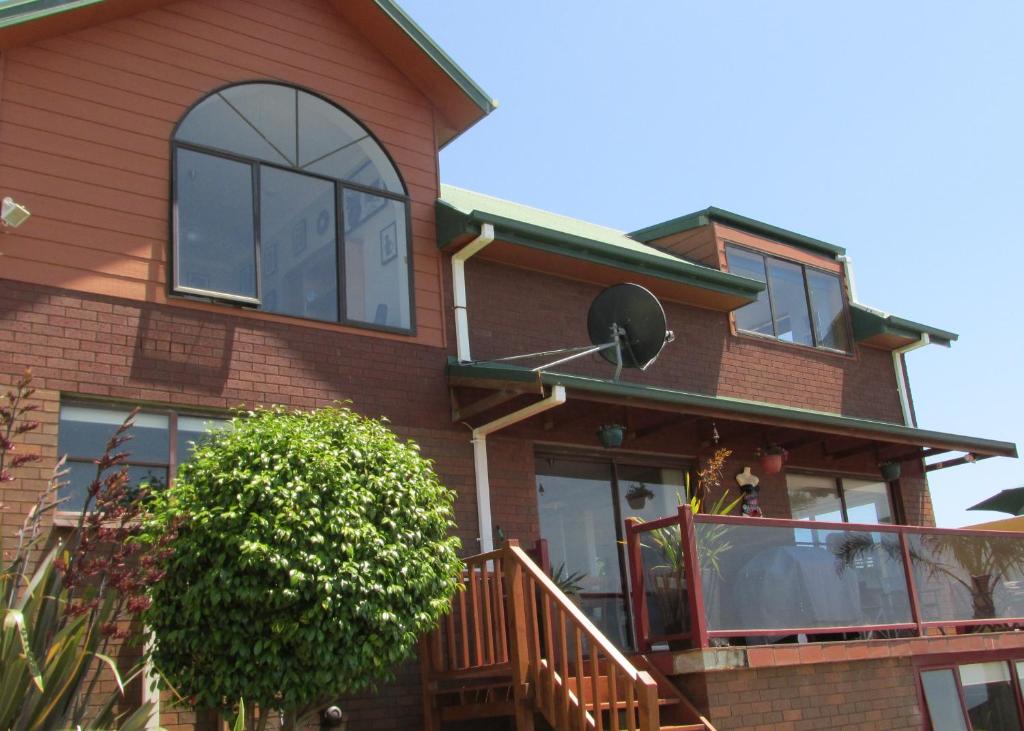
The residential hills offer larger houses and a private guest wing, while Lester Road has garden cabins on the town fringe. Choose the room layout as carefully as the view; stairs and cooking facilities vary considerably.
Common questions
How many nights should I stay in Penguin?
Two nights give you a full day for the foreshore, heritage trail and a relaxed meal without another immediate move. Make it three if you want a Dial Range walk, a managed penguin-viewing outing or time to adjust to the weather. A Sunday stay can include the undercover market at 11 Arnold Street, but check the current programme before arranging the rest of the trip around it.
How do I reach Penguin from nearby towns?
Launceston is about 90 minutes away by road. Route 708 links Penguin with Burnie and Devonport seven days a week: allow roughly 20 minutes from Burnie and 35 minutes from Devonport Interchange to the Main Road stop near St Stephen’s Church. Sunday and public-holiday services are reduced. Airport and ferry arrivals need their own connection to the bus or accommodation; check the current timetable and leave room for that transfer.
Can I stay without a car?
Yes, if you choose Main Road and plan around the town, local foreshore and buses. Check the last return service before going elsewhere for the day, particularly on Sundays. Hillside addresses need a realistic plan for luggage and the uphill walk, while Lester Road cabins are easier with a car. Dial Range trailheads and evening wildlife viewing require separately arranged transport rather than an assumption that the coastal bus reaches them.
When is the best season for a coastal stay?
Summer offers mild coastal days rather than dependable heat: nearby Burnie records average January and February daytime highs around 20°C. June to August is cooler, with average highs around 13°C there. These are regional averages, not a forecast for your beach day. Bring layers and a windproof raincoat, check room heating for a winter stay, and allow an indoor meal or heritage outing to replace an exposed walk when needed.
Can I walk or cycle all the way to Ulverstone off-road?
Do not assume a continuous off-road route. The council’s current advocacy programme still identifies missing coastal-pathway sections between Penguin and Ulverstone. The local foreshore and heritage sites make an easier outing from town, while longer rides need a current route check and an honest assessment of any road sections. Confirm bicycle storage with the host and choose a route that suits every rider rather than following a general coastal-path label.
Will I see wild penguins in town?
The town name and Big Penguin sculpture do not guarantee a wildlife sighting from your accommodation. Ask about current managed viewing at established places such as Lillico or Burnie, where the parks authority identifies viewing platforms. Birds return around dusk, so arrange the journey home as well as the outward trip. Follow the local guide’s lighting instructions, avoid flash, keep dogs away and stay off nesting areas; wildlife appearances remain unpredictable.
What should families check about space and cooking?
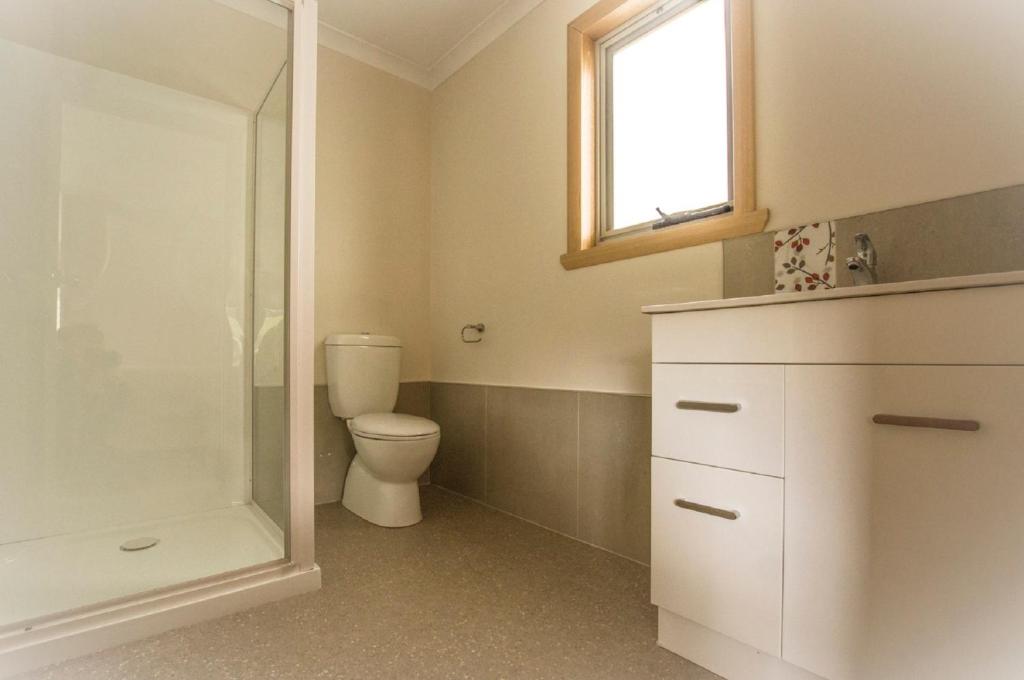
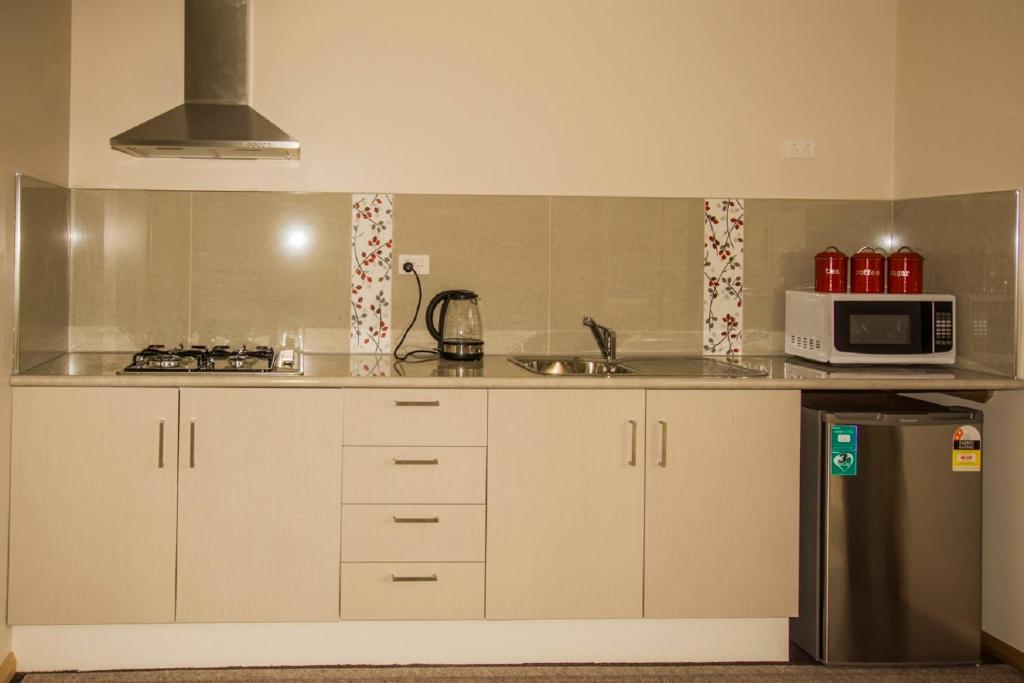
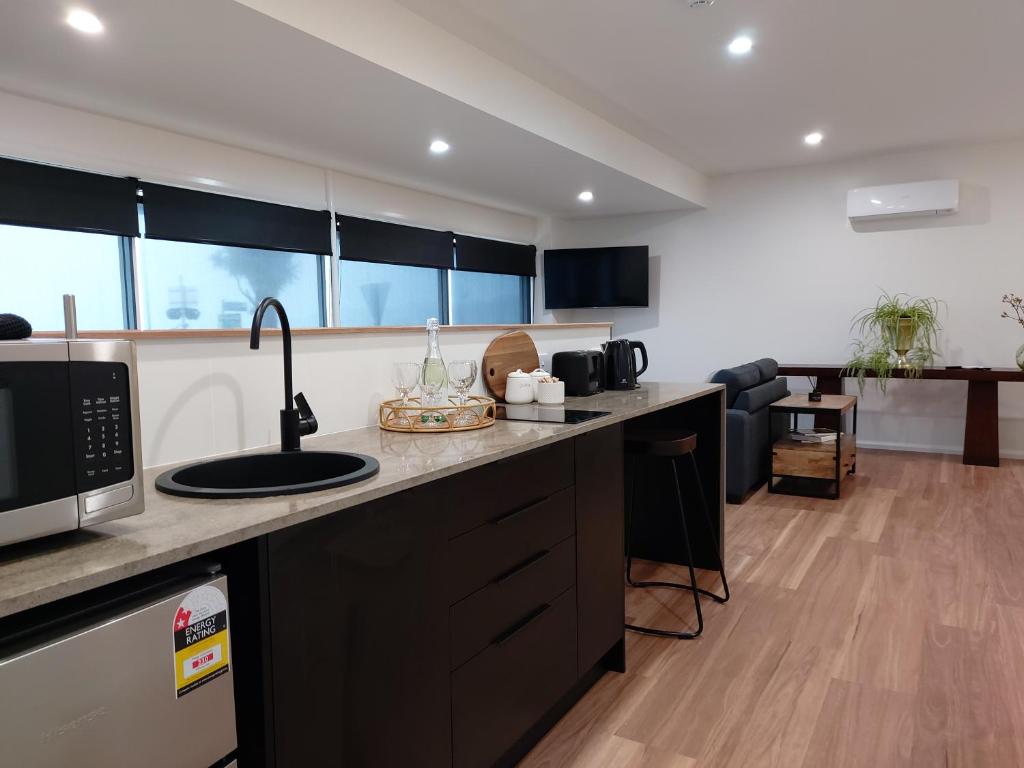
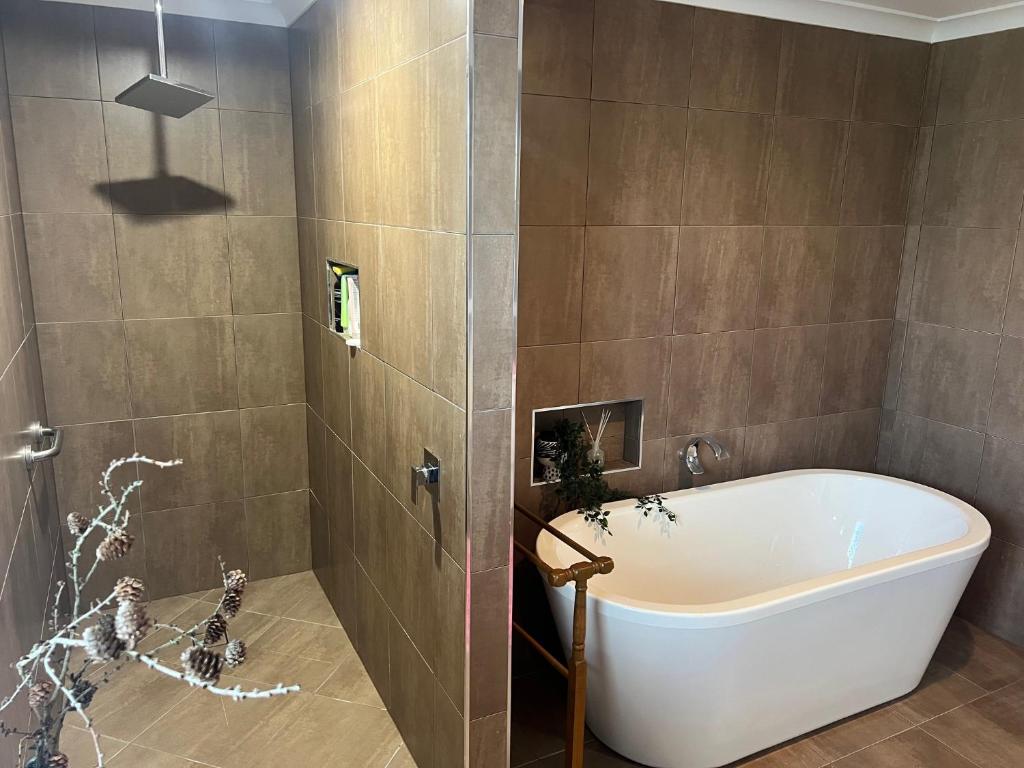
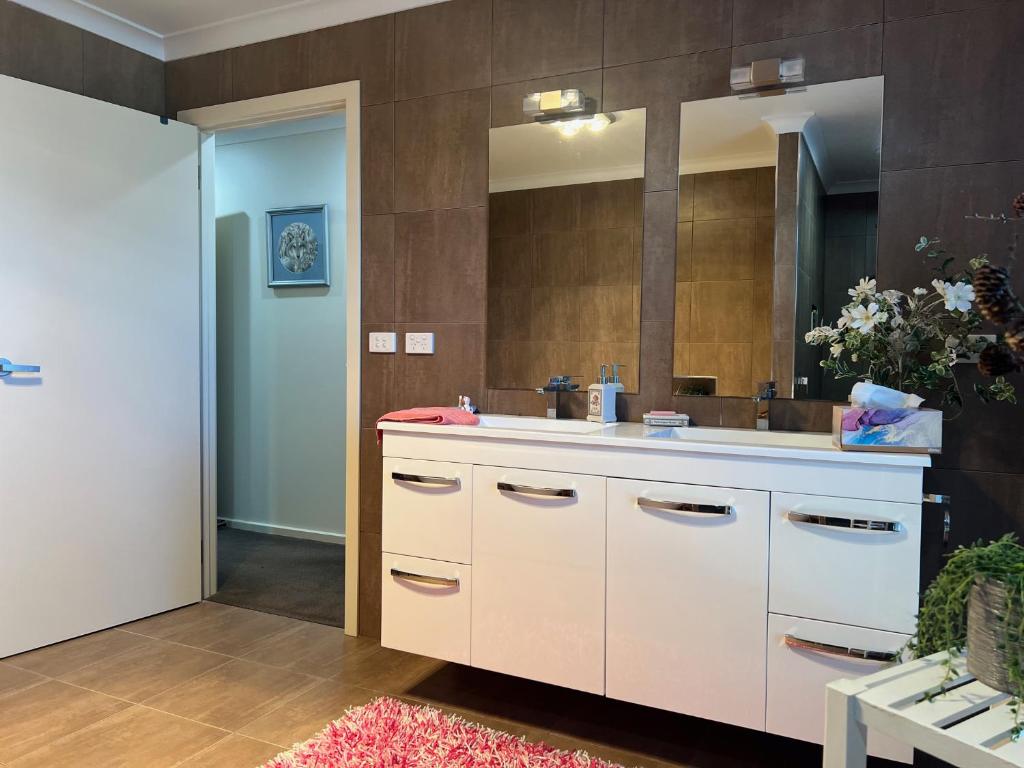
Compare the layout rather than just the advertised capacity. A three-bedroom house can still have one bathroom, while a two-bedroom guest wing may lack a separate lounge. Full kitchens, microwave kitchenettes and cooking facilities shared only within your own group serve different needs. Some properties restrict younger children or list an adults-only offer, so have the ages accepted before booking. Ask about actual beds, a dining place and breakfast inclusion as well as bedroom numbers.
Are there suitable options for limited mobility?
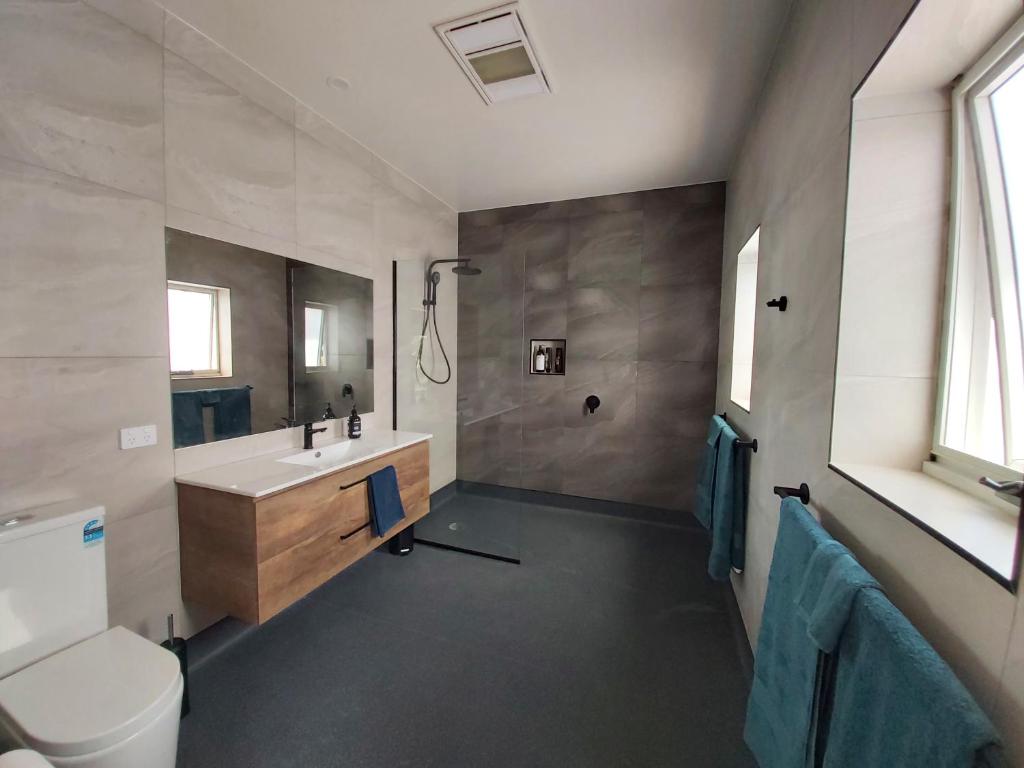
Selected ground-floor apartments have ramps and accessible bathroom features, and one family house lists access aids. These features belong to particular units, not every room at the address. Ask for the route from the parking space, entrance thresholds, shower layout and whether the chosen bed is on the same level. Avoid assuming that a sea-view balcony, loft bedroom or hillside house has step-free access simply because another category does.
Is Mount Gnomon an easy walk from Penguin?
It starts at a separate Dial Range car park, not on the town foreshore. Parks describes the lookout walk as about 2 km return and one hour, graded 3, with a steep climb, rough ground and an unfenced cliff. The final 1.7 km of the driving approach is unsealed. Check current conditions, wear suitable shoes and keep children close near the lookout; choose the waterfront instead if the terrain or weather does not suit your group.
Prices are set by the booking site. We may earn a small fee, at no cost to you.