About Deloraine
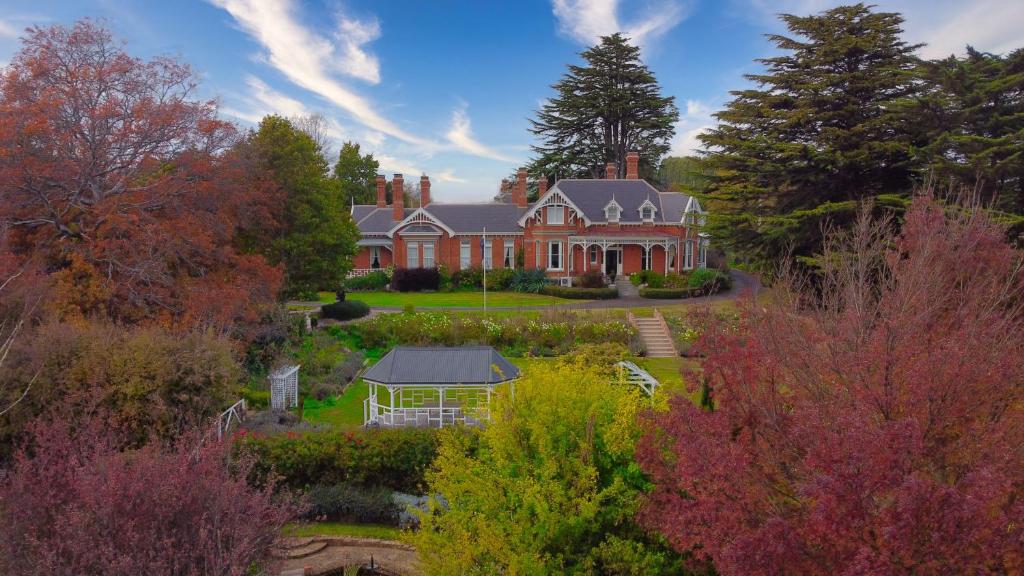
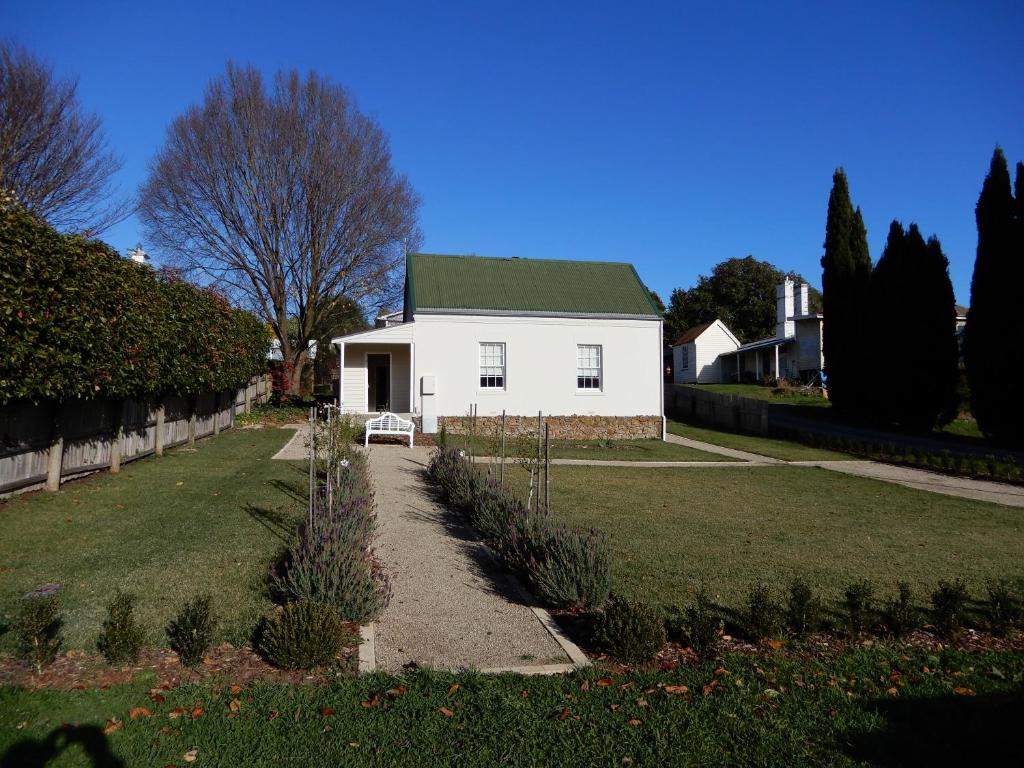
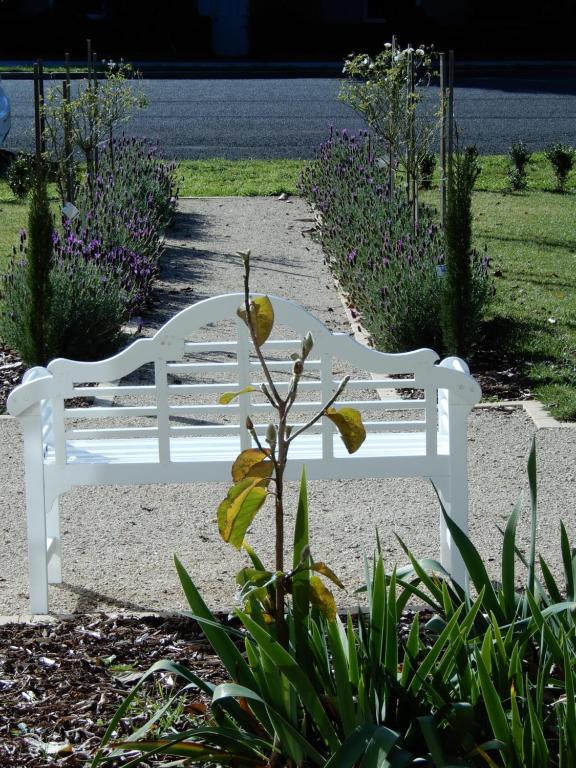
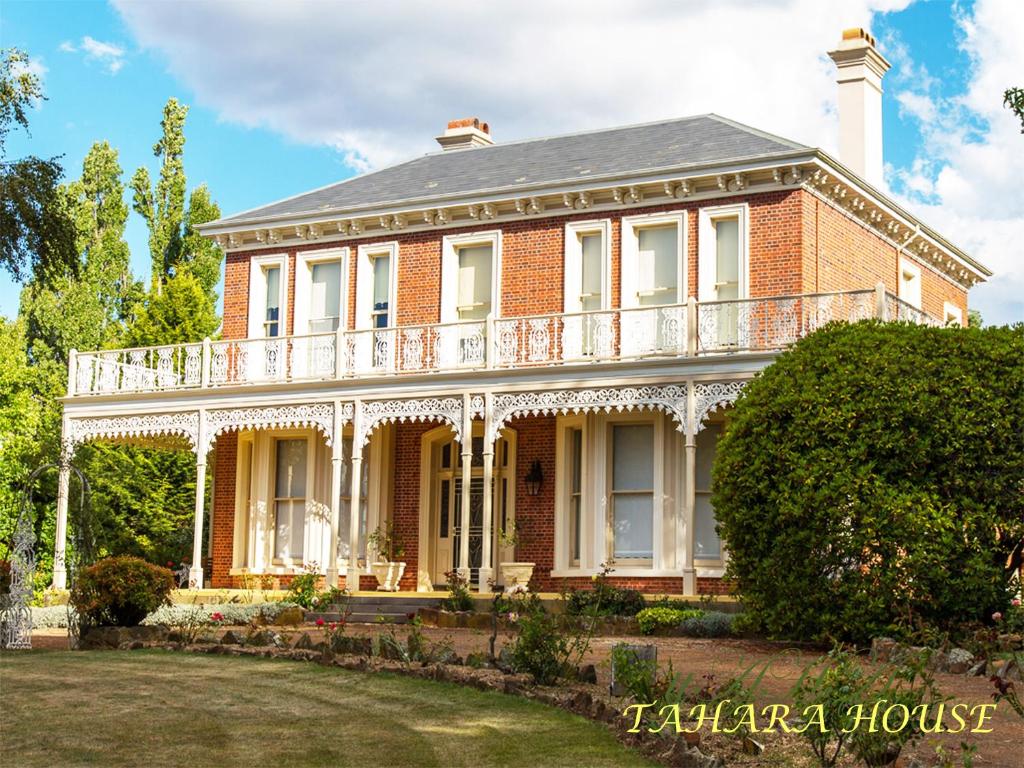
Deloraine is worth choosing for the stay itself: a breakfast in a grand old house, a cottage garden and another slow look along the Meander River. The town sits beneath the Great Western Tiers, with Georgian and Victorian shopfronts, galleries and public sculpture giving a short walk plenty of interest.
Yarns Artwork in Silk tells the valley’s story indoors, while the river circuit offers bridges, a heritage train and a chance of seeing a wild platypus. Staying overnight lets you separate those small pleasures from a drive to waterfalls or caves.
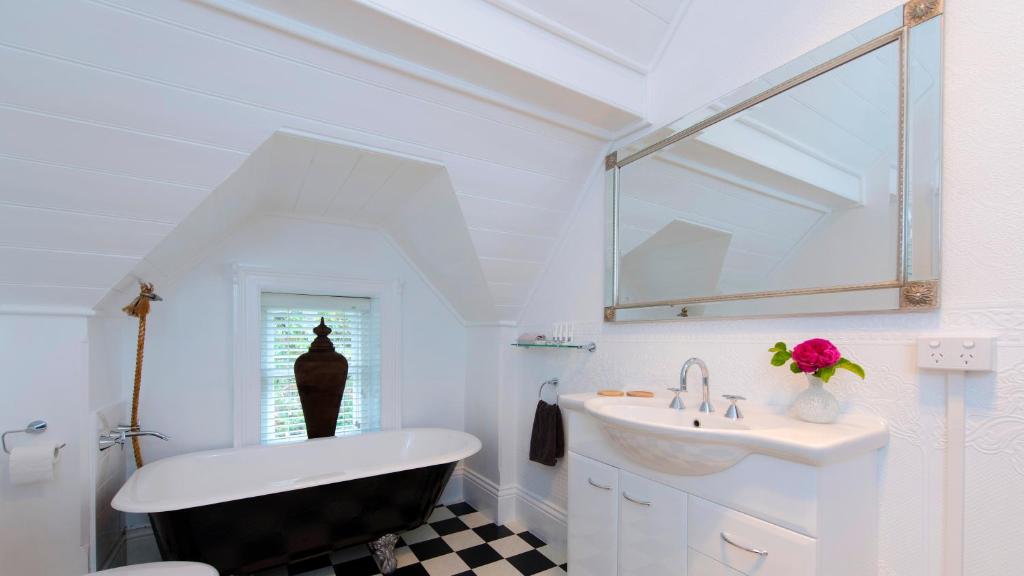
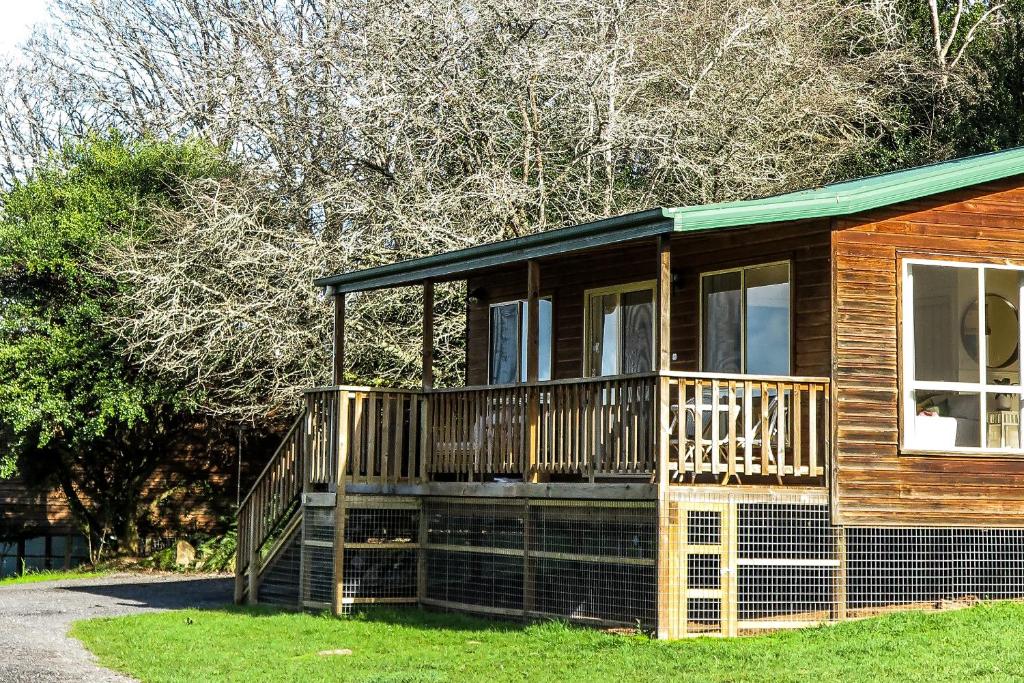
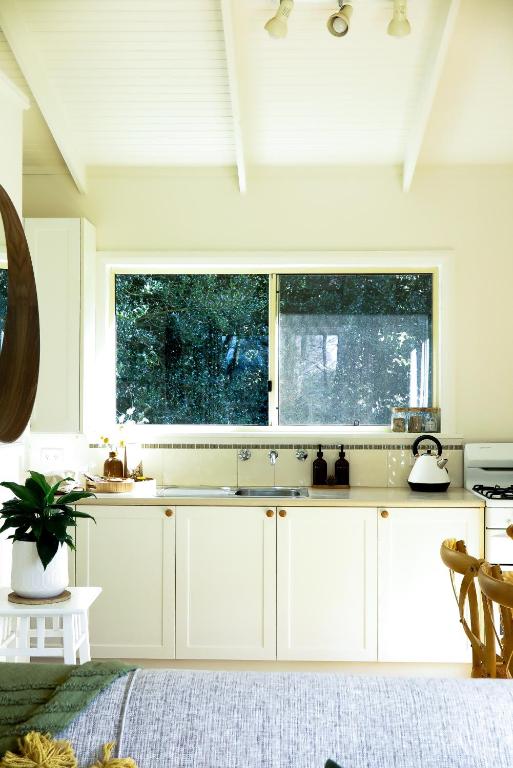
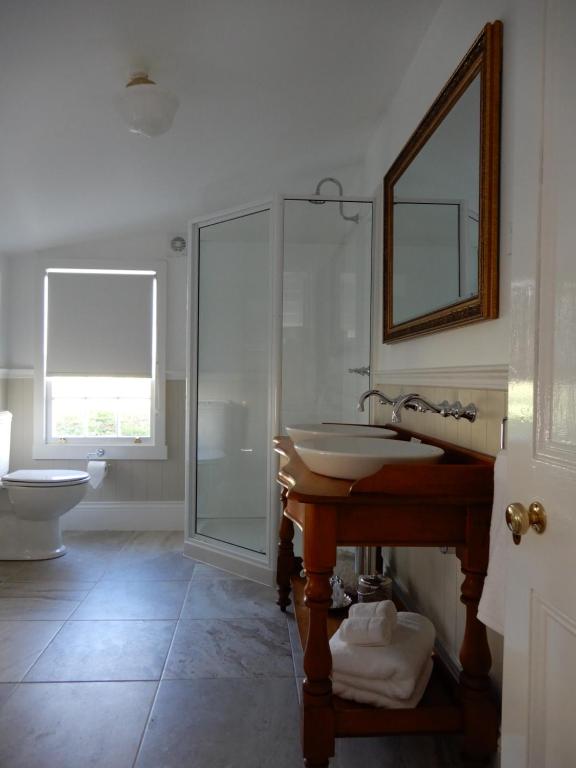
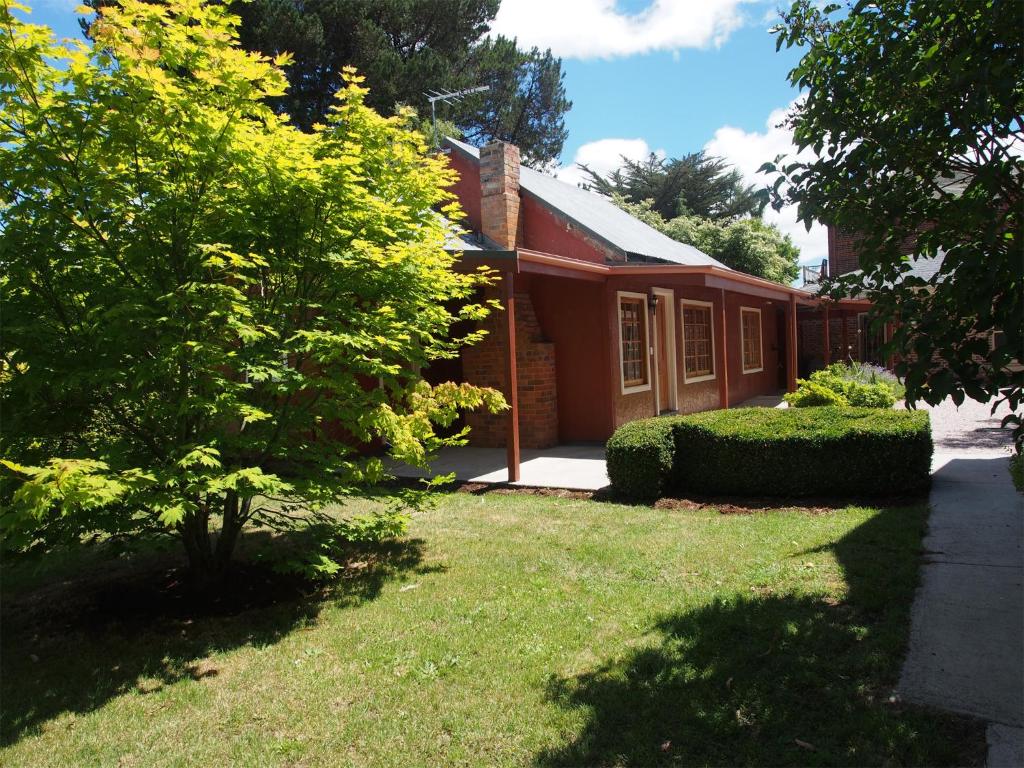
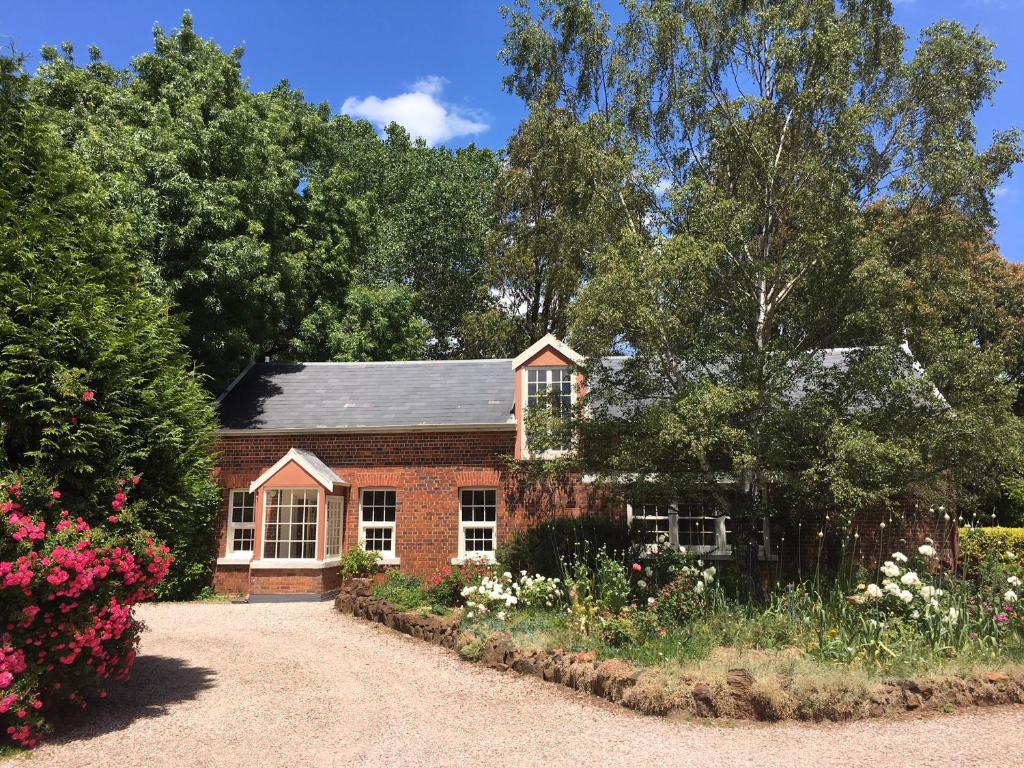
Choose between a central pub room, a distinctive house in the streets above the river and a self-contained cottage on the town edge; they make quite different holidays.
Common questions
Where should I stay on a first visit?
Choose the Emu Bay Road centre for shops, dinner and easy access to the river. Move a few streets away if the attraction is a manor, a garden or a converted historic building; those stays can be a memorable part of a short trip. The town-edge cottages suit travellers who want to cook and have their own transport. Start with the sort of evening you want, then decide how close you need to be to the main street.
How many nights are worthwhile?
Two nights give you a full day for Yarns, the river walk, galleries and an unhurried meal. Three nights leave room for a waterfall or cave outing without packing up each morning. A single night works well between longer drives if you arrive early enough to see the town. Avoid turning a longer stay into a succession of distant day trips: the small houses and gardens are part of Deloraine’s appeal.
How do I arrive from Launceston or Devonport?
Discover Tasmania places Deloraine about 50 kilometres and 40 minutes by road west of Launceston. Local accommodation guidance also puts Devonport at roughly a 40-minute drive. If arriving by air or on the Spirit of Tasmania ferry, arrange a car or onward transfer and allow time for collecting luggage. Confirm check-in arrangements for an evening arrival at a small guesthouse rather than assuming a staffed reception will remain open late.
Can I stay without a car?
A central stay focused on the town and river is possible. Route 705 links Devonport and Launceston via the Deloraine Visitor Centre stop; check the current timetable for both directions and reserve the intercity service through Kinetic when planning the journey. Departures are limited, and a coach connection is not a local sightseeing shuttle. The outer cottages, caves and waterfall routes are much easier with a car or prearranged transport.
Which season should I choose?
Spring through autumn gives you more scope for gardens, outdoor meals and longer walking days, with a different garden character as the seasons change. Winter suits a slower stay with effective heating and time for indoor art and a fireside room, but daylight is shorter. Tasmania’s weather can shift quickly, especially when a town visit becomes a mountain outing. Bring layers and waterproofs in any season, and check the official Craft Fair dates if that event is the reason for coming.
What is Yarns Artwork in Silk?
It is a community-made work of four large silk panels, one for each season, interpreting the landscape and life of the Meander Valley. An audio and lighting presentation introduces the work, after which you can look more closely. It is housed at the Great Western Tiers Visitor Centre on Emu Bay Road, alongside the Folk Museum. Check presentation times before arriving; weekend and winter opening can be shorter than weekday hours.
How should I plan a waterfall or cave day trip?
For Liffey Falls, the short walk from the upper car park is about two kilometres return and is listed at 45 minutes. Its access road is narrow, winding and unsealed, and unsuitable for motorhomes, caravans and larger vehicles; the lower approach leads to a different, longer walk. Check current access before setting out. Mole Creek’s caves require a guided tour and advance reservation. Choose one principal outing and keep enough time to return comfortably for dinner.
Can I see a platypus in town?
Wild platypus live in the Meander River beside the central walking circuit, but an encounter depends on the animals. Stay still, watch the surface patiently and give them space if one appears. The loop is also worthwhile for its bridges, sculpture, cultural trail and riverside setting, so plan a walk you will enjoy without a sighting. Staying nearby makes it easy to return for another quiet look instead of rushing through once.
Prices are set by the booking site. We may earn a small fee, at no cost to you.