About Ross (Tasmania)
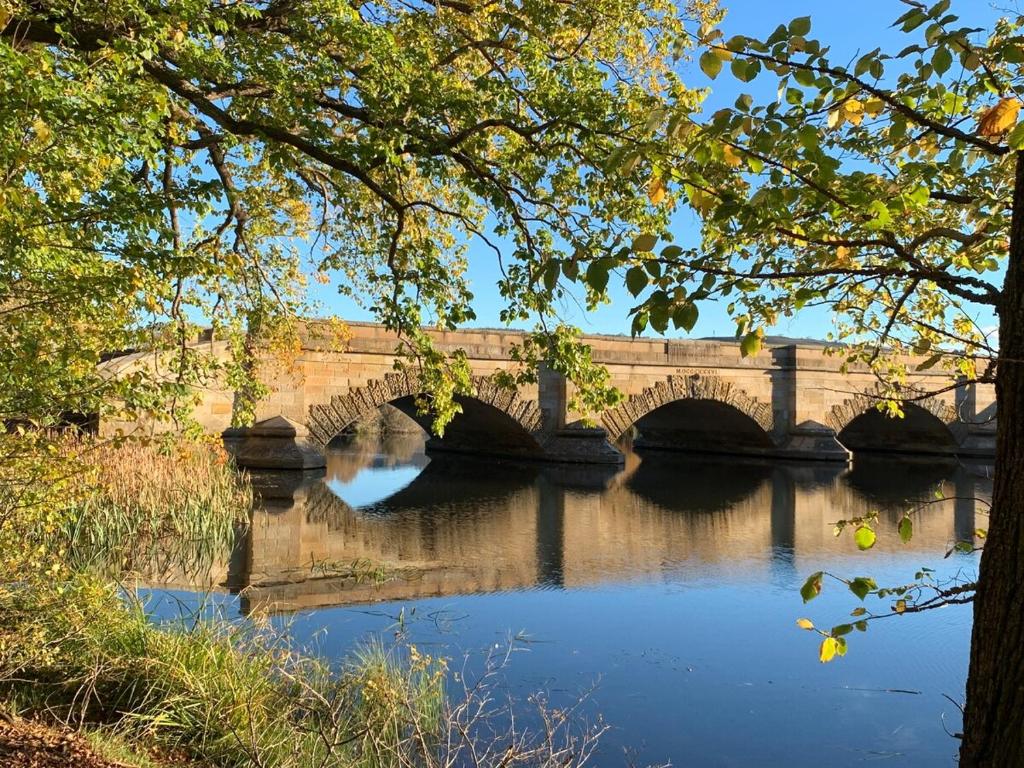
Ross rewards an overnight stay between Hobart and Launceston. The 1836 bridge across the Macquarie River is the obvious landmark, but the wool museum, former women’s convict workhouse and Georgian streets give the village more substance than a quick bakery stop.
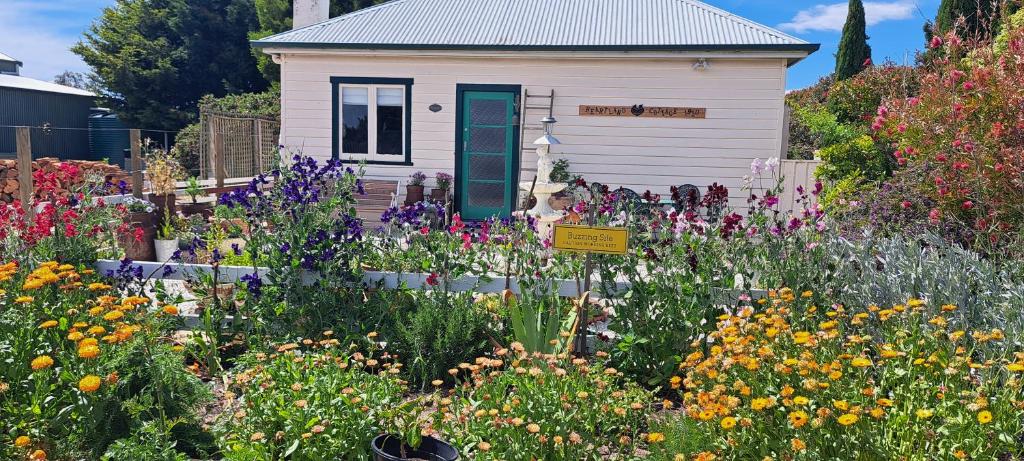
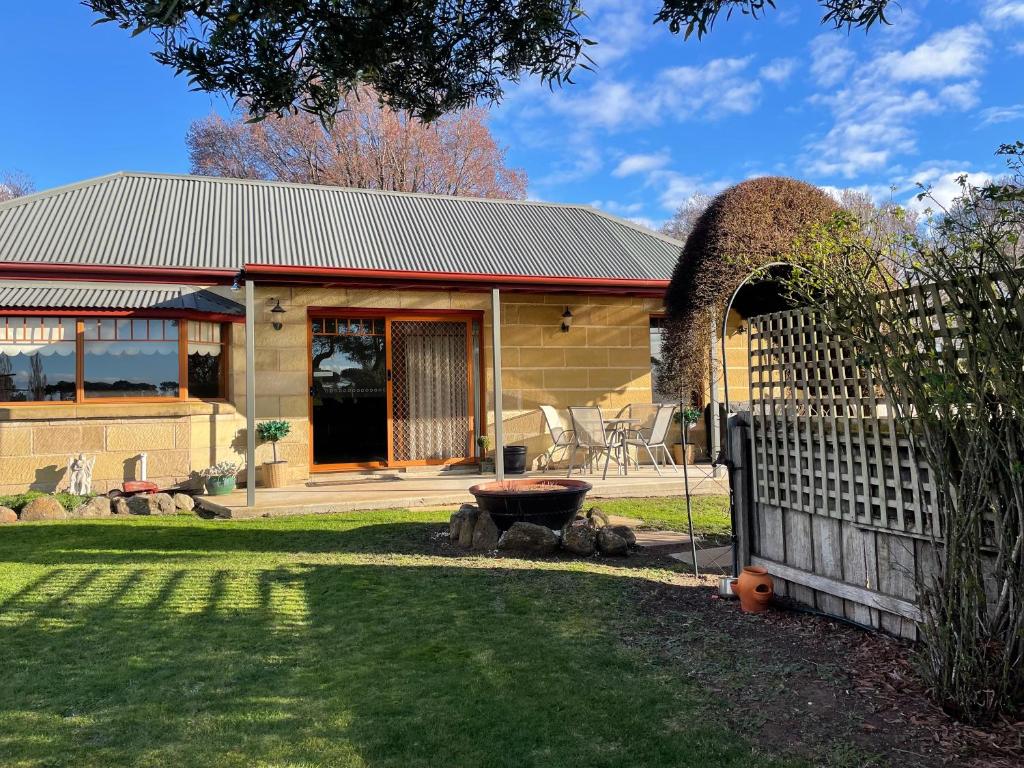
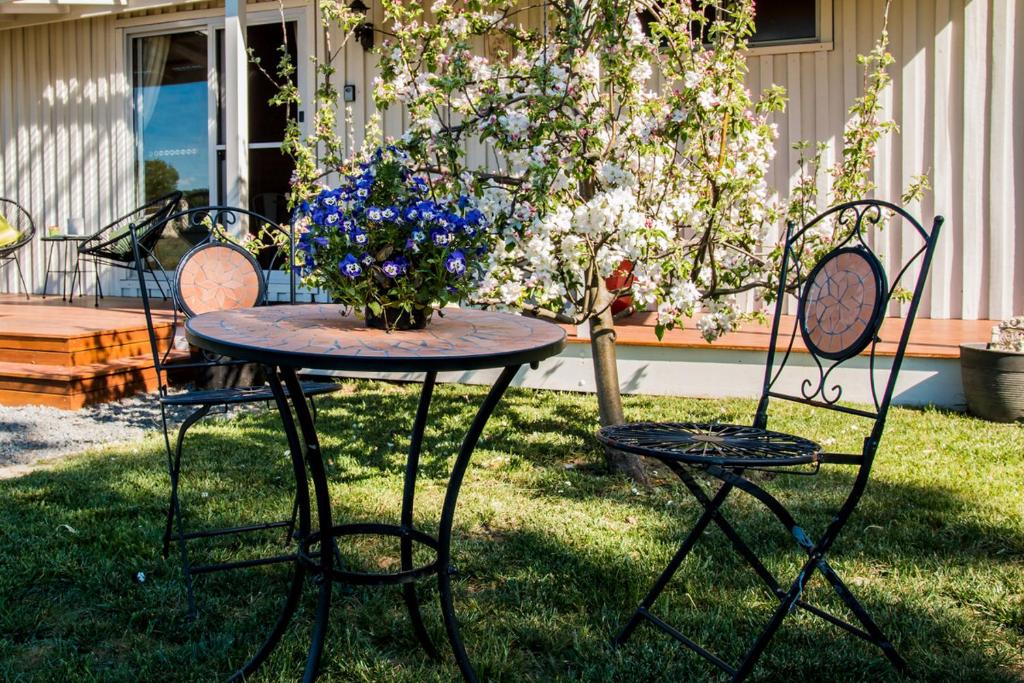
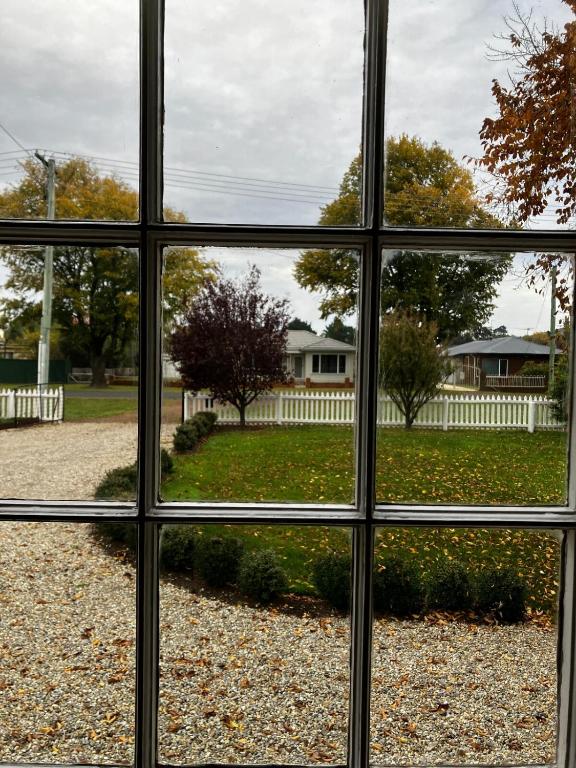
Accommodation is concentrated in a small walkable settlement: High Street offers riverside rooms and a converted heritage building, Bond and Badajos streets have garden cottages, and Portugal Street adds a quieter residential choice near the historic-site approach. These are nearby address choices within one village.
The more useful distinction is how you will live: a couple’s cottage, a three-bedroom house and a motel suite differ in beds, kitchen equipment and the space available on a cold evening.
Common questions
Where should I stay for my first visit?
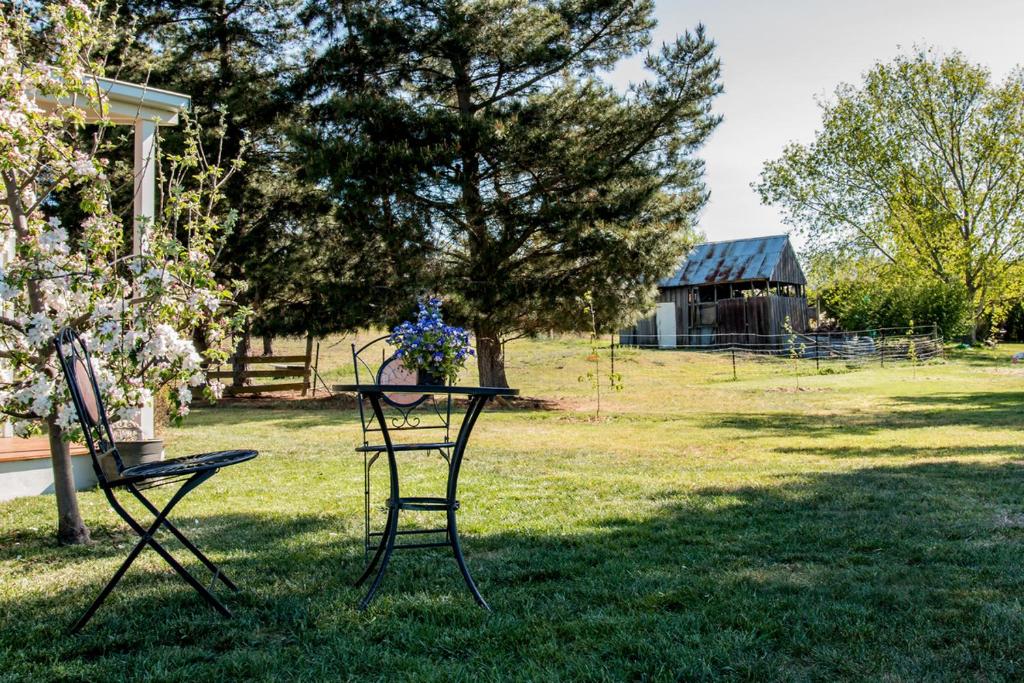
High Street near Church and Bridge streets gives the easiest introduction to the river and central heritage walk. Bond and Badajos streets are better for choosing a private garden or a whole family house. Portugal Street suits a two-bedroom cottage with cooking and laundry facilities. Ross is compact, so compare the bed layout, bathroom and kitchen before treating these nearby streets as very different districts.
How do I get to Ross from Hobart or Launceston?
Tourism Tasmania gives about 90 minutes by road from Hobart, 120 km away, or 55 minutes from Launceston, 80 km away. Ross sits just off the Midland Highway, so allow extra time for stops and the final village turn-off. Intercity coaches also serve Ross, but Transport Tasmania requires advance booking to board or alight here. Check the current timetable and exact stop with the operator. Wheelchair access on the coach needs 48 hours’ notice so a suitable vehicle can be allocated.
How many nights do I need, and can I explore on foot?
One night works well as a Midlands break between the two main cities. Two nights give you a full day for the bridge, museums, bakery stops and quiet cottage time without fitting everything between arrival and departure. The village streets are walkable; use the local heritage map to link Church Street, the river and the Female Factory approach. A car helps with onward touring, while a coach-based stay needs its arrival and departure booked around the available service.
What is there to see beyond the bridge?
The Tasmanian Wool Centre at 48 Church Street has wool and local-history galleries, including a recreated shearing shed and records of the village’s past. Check the visit arrangements for your date; it closes on Good Friday and Christmas Day. At the Female Factory site, learn about women and babies held in the convict workhouse between 1847 and 1854; the former overseer’s cottage now contains a small museum. The surviving sandstone streets, churches and memorials add a rewarding walk between the two.
Do I need to plan dinner in advance?
Yes, especially early in the week. The village pub at 35 Church Street currently lists Thursday–Sunday opening. Confirm meal service and reserve a table for your arrival. Bakeries and cafés make daytime stops easy to arrange, but they do not establish an evening option. For Monday–Wednesday or a late arrival, a cottage with cooking facilities and provisions is especially useful.
Which stays work for families and self-catering?
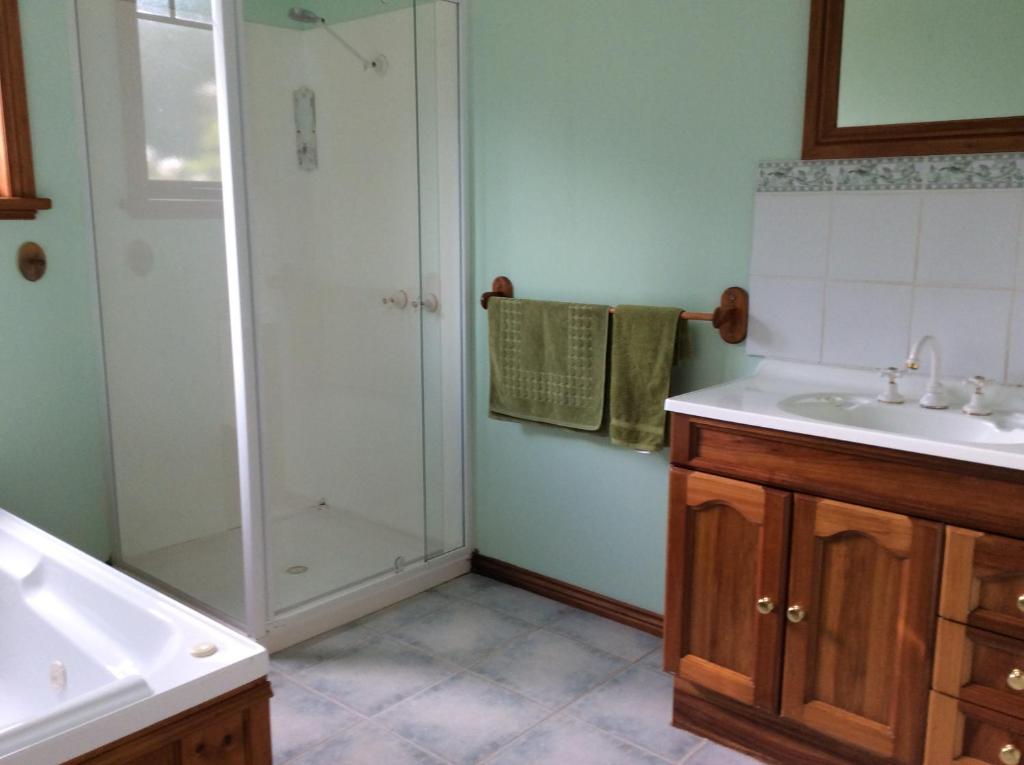
The three-bedroom house on Badajos Street has two queen beds and two singles, with one bathroom. The two-bedroom Portugal Street cottage has one queen and two singles, plus a full kitchen and laundry. River-side room categories include twin beds, a two-queen suite and a separate family layout; confirm the exact one. Its room kitchenettes lack an oven and hotplates. Smaller cottages for two may instead have a portable hob and compact appliances, so compare the equipment with what you intend to cook.
What should I check about access in a heritage village?
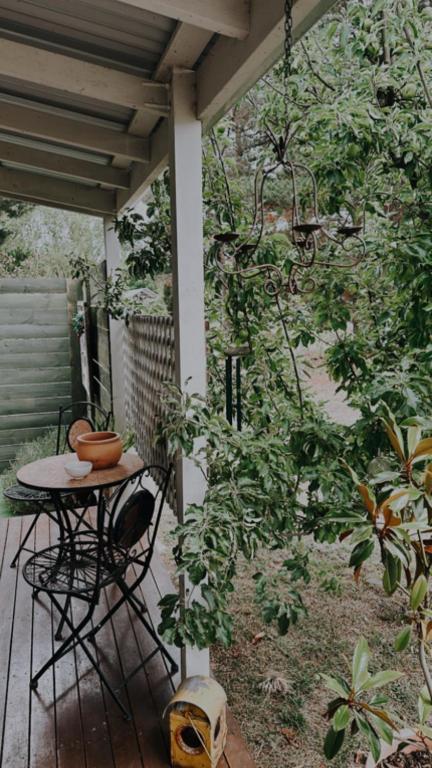
Ask about entrance thresholds, the route from parking, shower access and door widths for the specific room. A riverside king category lists grab rails and a detachable shower head, but those features alone do not confirm wheelchair access throughout the property. Cottages can have garden paths and separate outdoor baths, so request details if mobility matters. Keep the accommodation choice separate from the coach booking: accessible coach travel requires its own advance arrangement.
When is a good time to visit, and how cold does it get?
Autumn brings colour to the heritage streets, while longer summer days give more time for walking and the garden. Ross’s own weather station averages January daytime maxima around 25°C and July overnight minima around 1°C. Pack a warm layer, including for summer evenings, and check heating before a winter stay. A fireplace can be appealing, but also ask about everyday heating and firewood arrangements. Choose your dates around museum and meal opening days as well as the forecast.
Prices are set by the booking site. We may earn a small fee, at no cost to you.