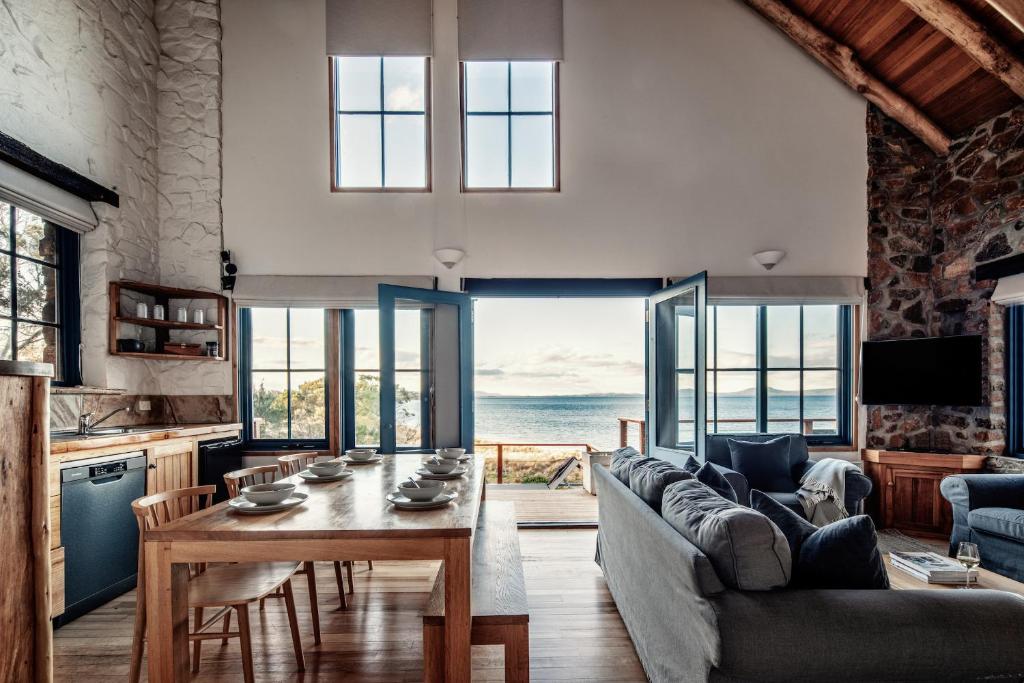
About Swansea
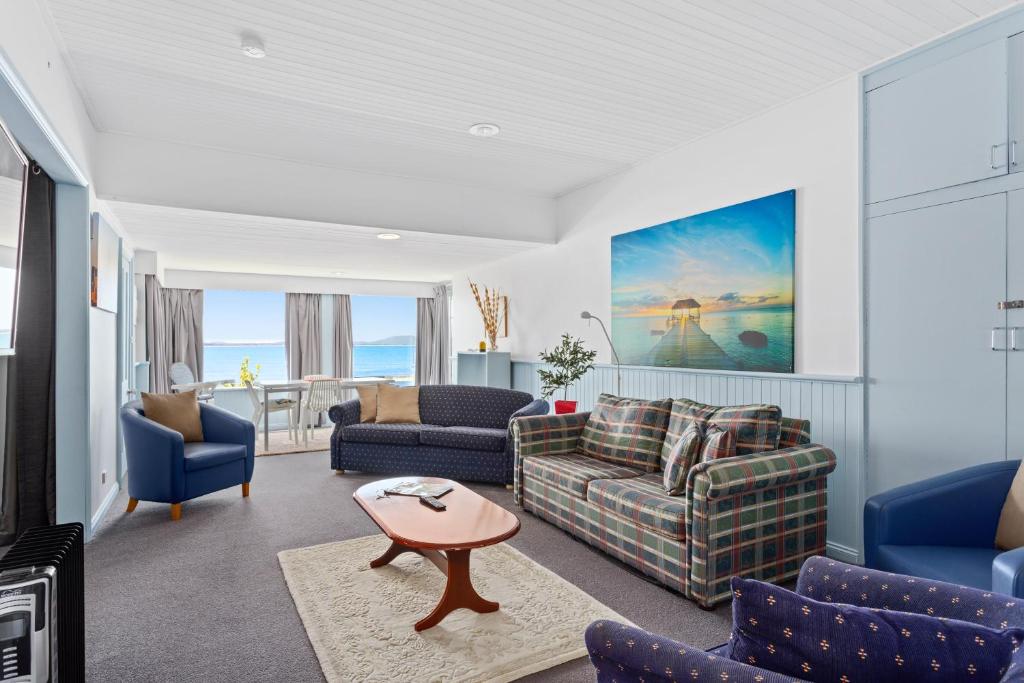
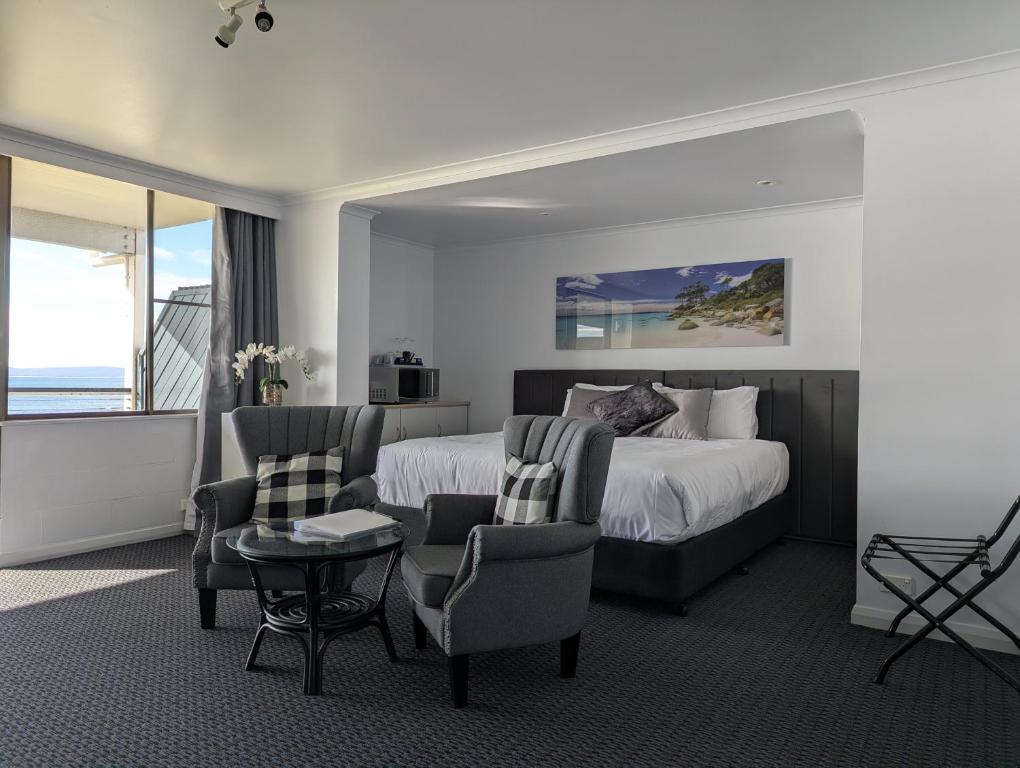
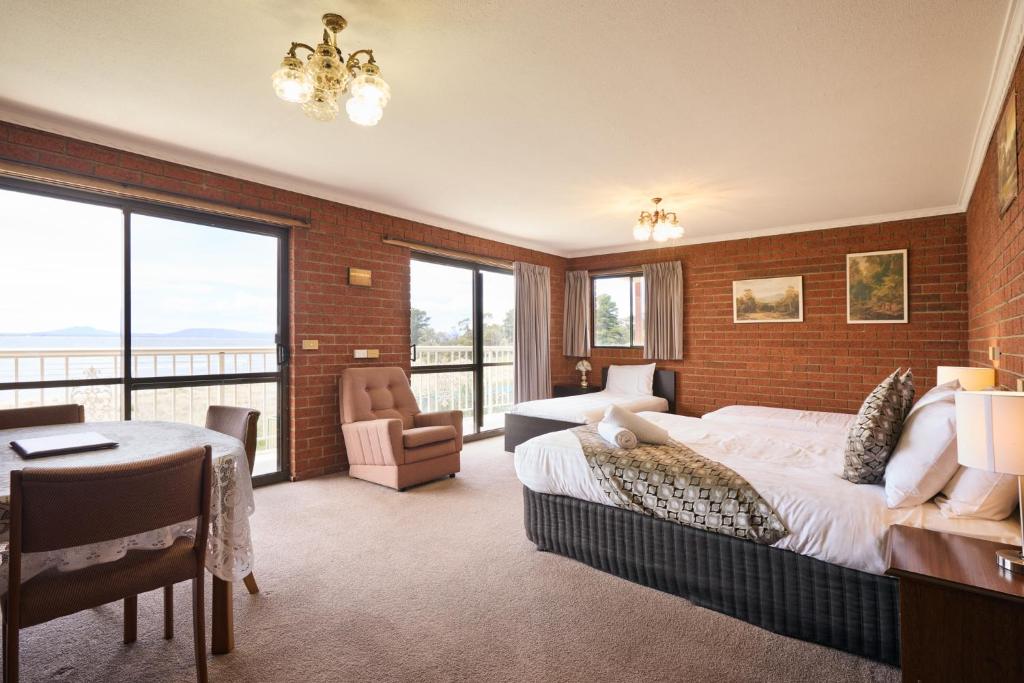
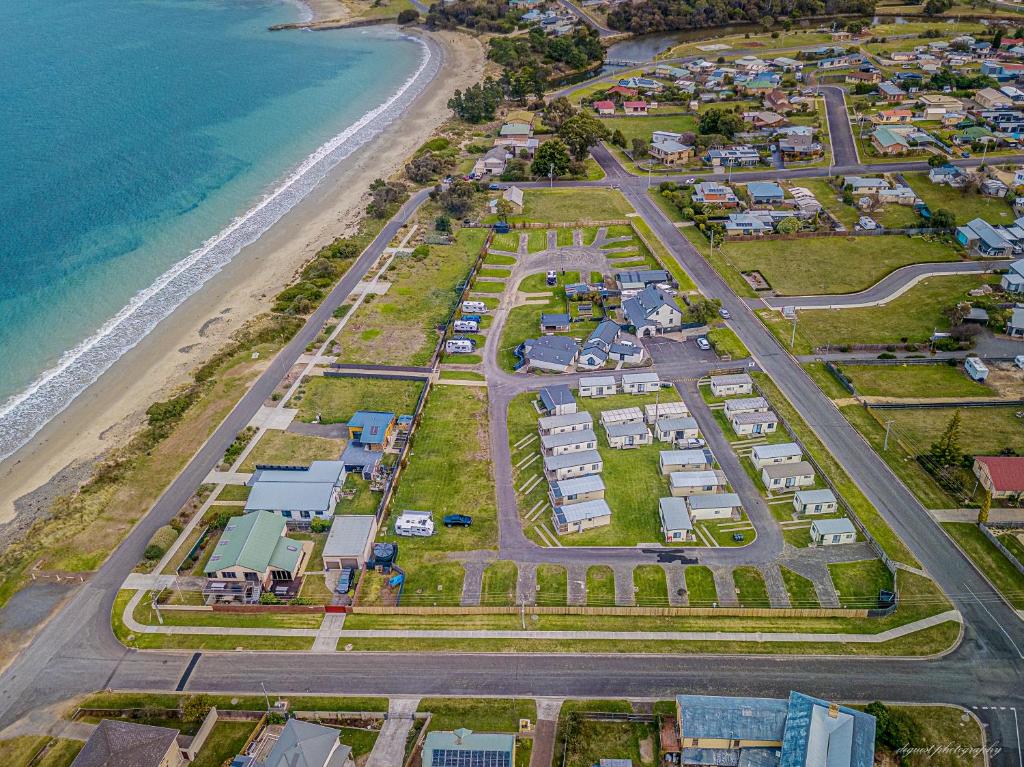
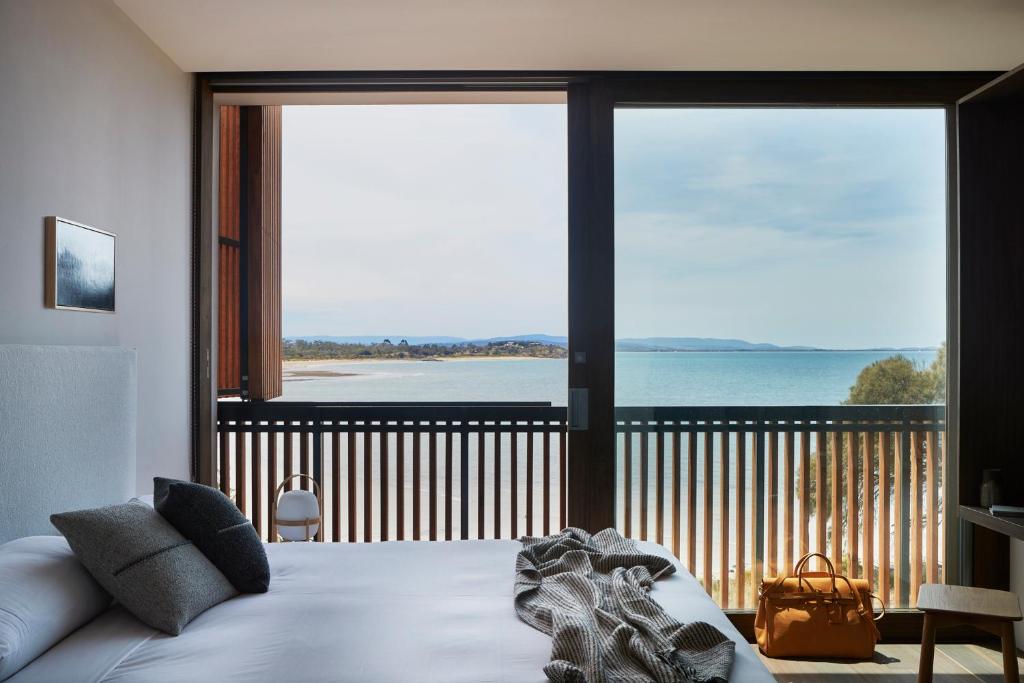
Swansea looks across Great Oyster Bay to the Hazards on Tasmania’s east coast. From town you can walk out to Waterloo Point, have dinner and watch the light change across the water without moving the car. The shore south of town suits a slower stay, especially if the cottage or its outlook is part of the reason for coming.
If your priority is an early start at the Wineglass Bay trailhead, remember that the road goes around the bay through the Coles Bay turnoff. Swansea was established as Waterloo Point in the 1820s, and the town still combines old storefronts and a small heritage museum with beaches facing the Freycinet Peninsula.
That is why an overnight makes more sense than a hurried fuel stop: you can look across Great Oyster Bay in the evening and walk the foreshore before driving onward. Franklin Street is the practical centre for food and everyday errands.
Look for Morris' General Store and the East Coast Heritage Museum when exploring the old streets, and consider the Bark Mill if you want another stop connected with the town's past. The southern point has a coastal walking route called loontitetermairrelehoiner, while Jubilee Beach provides a more straightforward stretch of sand by the town.
If you have a car, the countryside becomes part of the stay. Kate's Berry Farm is about three kilometres south and Spiky Bridge, built by convict labour in 1843, lies about seven and a half kilometres south of Swansea. The bridge's upright stones give it its unusual name.
Farther south, Mayfield Bay Coastal Reserve offers another beach and a place to pause on the Great Eastern Drive. On the other side of town, Nine Mile Beach and the Dolphin Sands area change the scale from a compact town beach to long, open shoreline.
The area's vineyards, including Milton, Spring Vale and Craigie Knowe, are a reason to leave time for a slow lunch rather than treating Swansea as a sleeping-only stop.
East Coast Tasmania lists roughly forty-five minutes by road to Freycinet National Park and about one hour and forty-five minutes to each of Hobart and Launceston; these are planning estimates, not promises for trailhead access. If your priority is Wineglass Bay hiking, spend less time in the Swansea town centre or consider Coles Bay, whose trailheads are nearer.
Summer offers longer evenings for beach walks. During the autumn harvest period, food-focused events such as ECHO may provide another reason to stay, but check the actual program and opening hours. Winter is better planned around daylight, a warm place for dinner and weather that can change by the water.
Common questions
What should I see in Swansea besides the view?
Walk the older central streets near Franklin Street and Morris' General Store, look into the East Coast Heritage Museum, and consider the Bark Mill for another piece of local history. Waterloo Point and Jubilee Beach provide a different, coastal side of the town; you can spread those stops across an evening and a morning.
Is Swansea convenient for the Wineglass Bay walk?
It works well with a car if you want a town-and-vineyard stop as part of a broader east-coast journey. East Coast Tasmania gives about forty-five minutes to Freycinet National Park, but the actual trailhead journey and parking take more planning. For a walking-focused holiday with very early starts, Coles Bay is nearer.
Can I visit without a car?
You can explore central Swansea, Jubilee Beach and Waterloo Point on foot once you are staying in town. Before arrival, check Transport Tasmania's east-coast bus timetable for your exact day. Vineyards, Spiky Bridge, Mayfield Bay and Freycinet are separate outings and are far easier with a vehicle or arranged tour.
How many nights should I book?
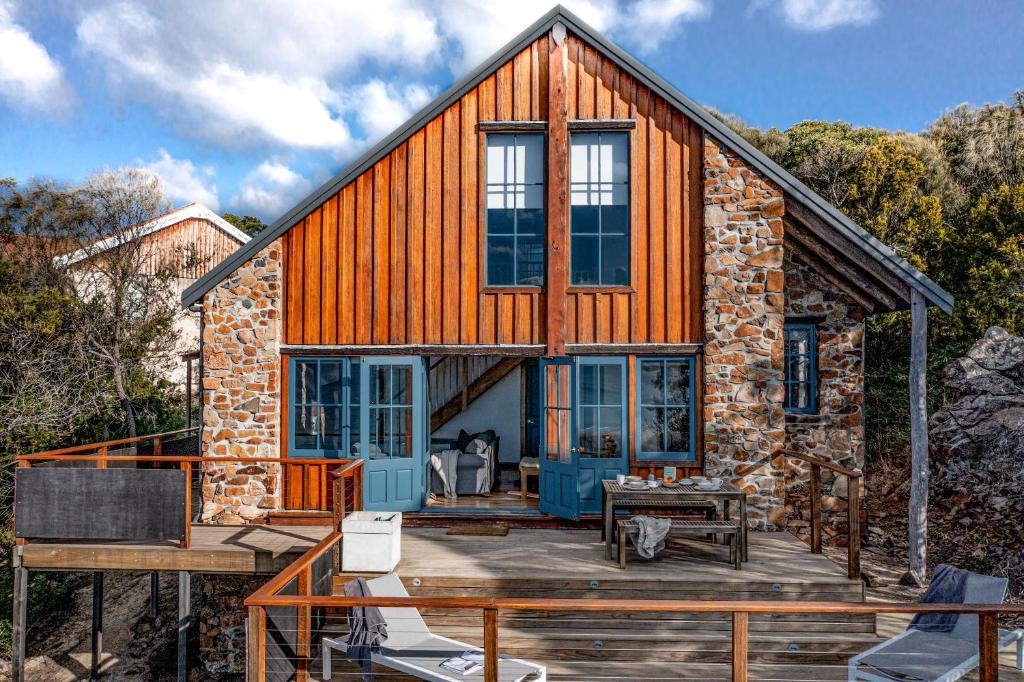
One night leaves time for dinner by Great Oyster Bay and a morning look around the heritage streets or beach. Two nights let you add the point's coastal walk and a leisurely visit to a vineyard or farm. If you choose a southern retreat, make room in the itinerary for time at the accommodation itself.
What changes across the seasons?
Long summer daylight makes it easier to linger on the beach after dinner. Autumn brings harvest activity and the ECHO food festival, with dates to check. Winter has shorter days, so plan your headland walk earlier, look up dining hours and avoid treating a coastal sunset as guaranteed in changing weather.
Which part of Swansea suits families or a quiet couple's break?
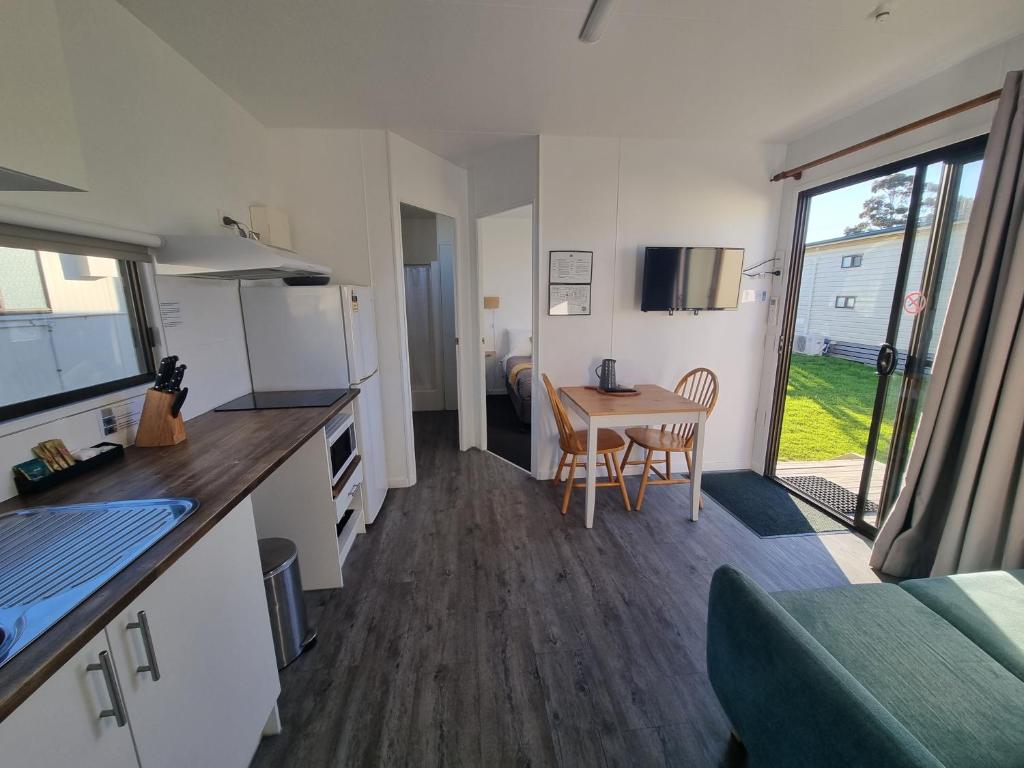
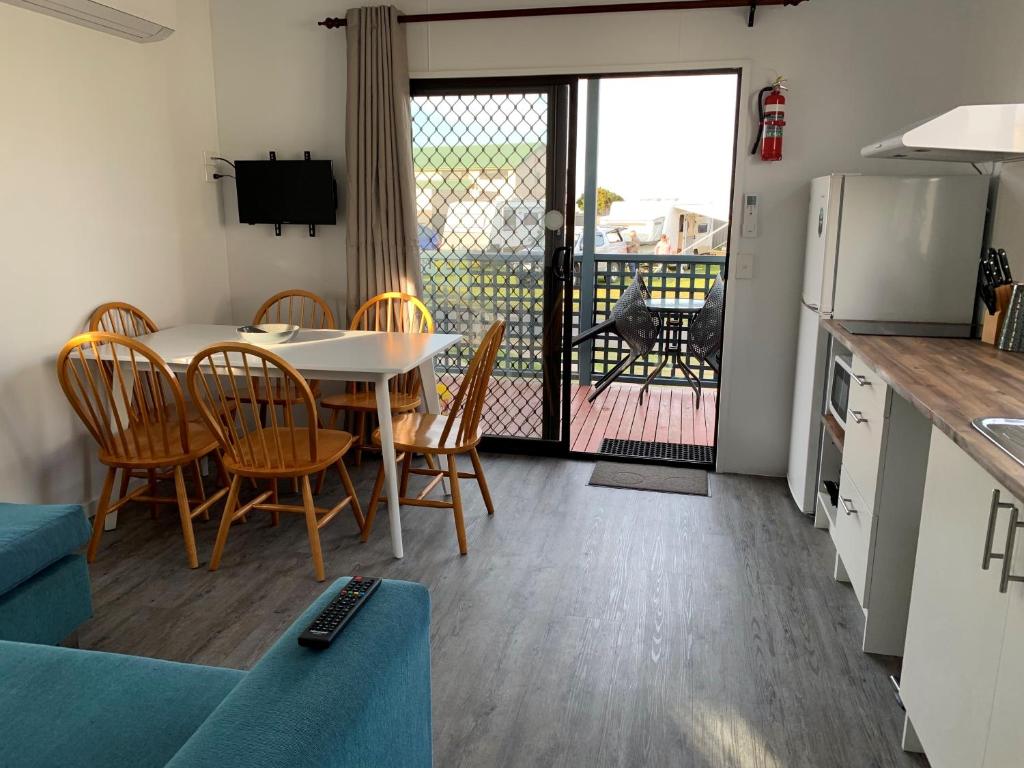
Families who prefer preparing meals may like cabins around Bridge Street and Waterloo Point or chalets nearer Jubilee Beach. A couple who wants a quieter property-led visit can look south of town. For an overnight with no need to drive to dinner, Franklin Street and the central waterfront are the simpler choice.
Prices are set by the booking site. We may earn a small fee, at no cost to you.