About Oatlands
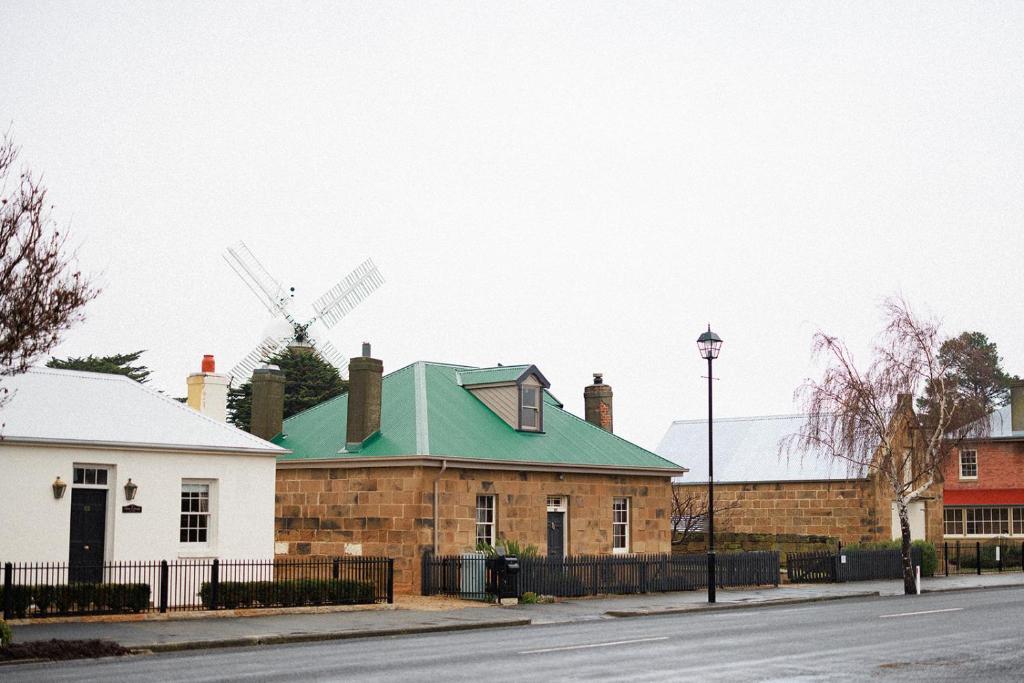
Oatlands is a small Midlands town where an overnight stop gives the sandstone streets time to make sense. Georgian buildings along High Street now hold shops, places to eat and characterful accommodation; Callington Mill anchors a working distillery, while Lake Dulverton adds birds and open space beside the village.
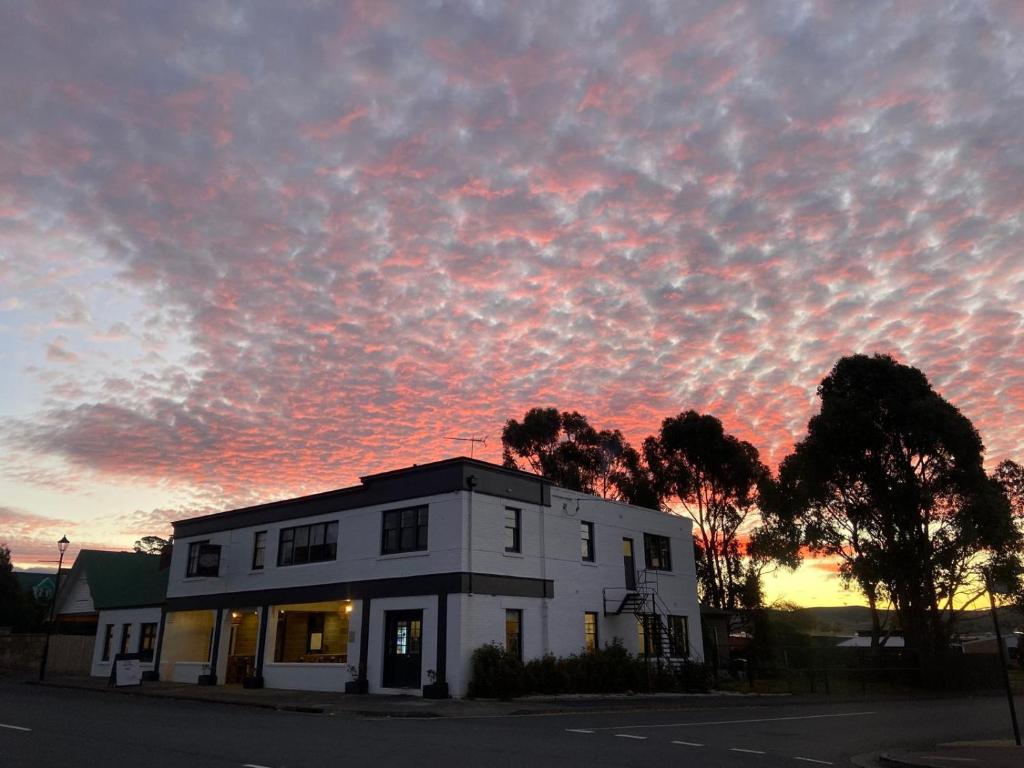
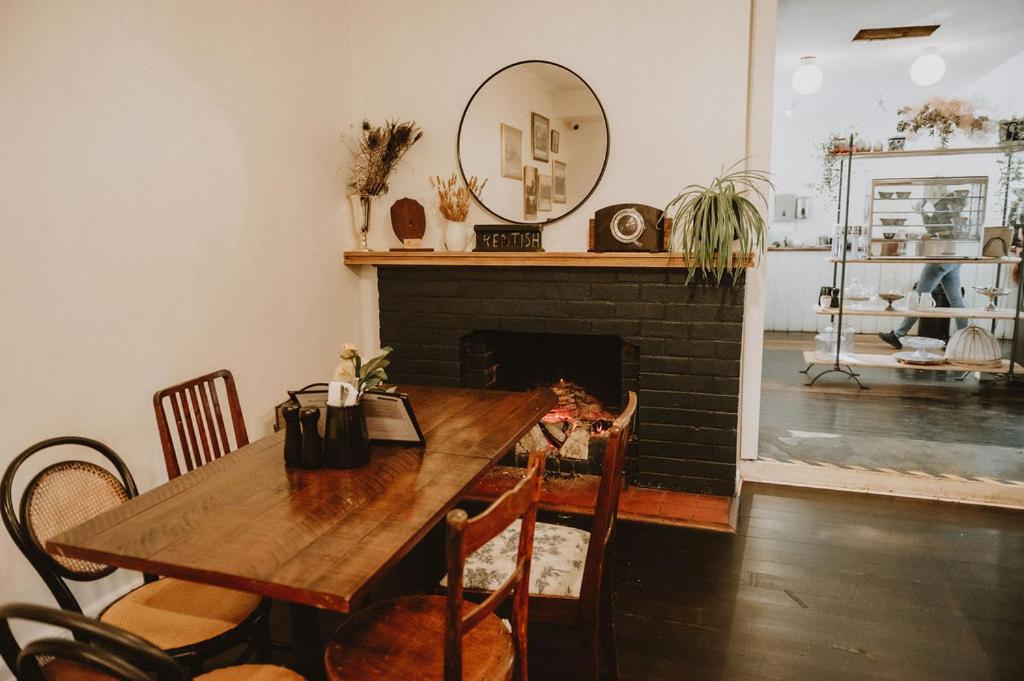
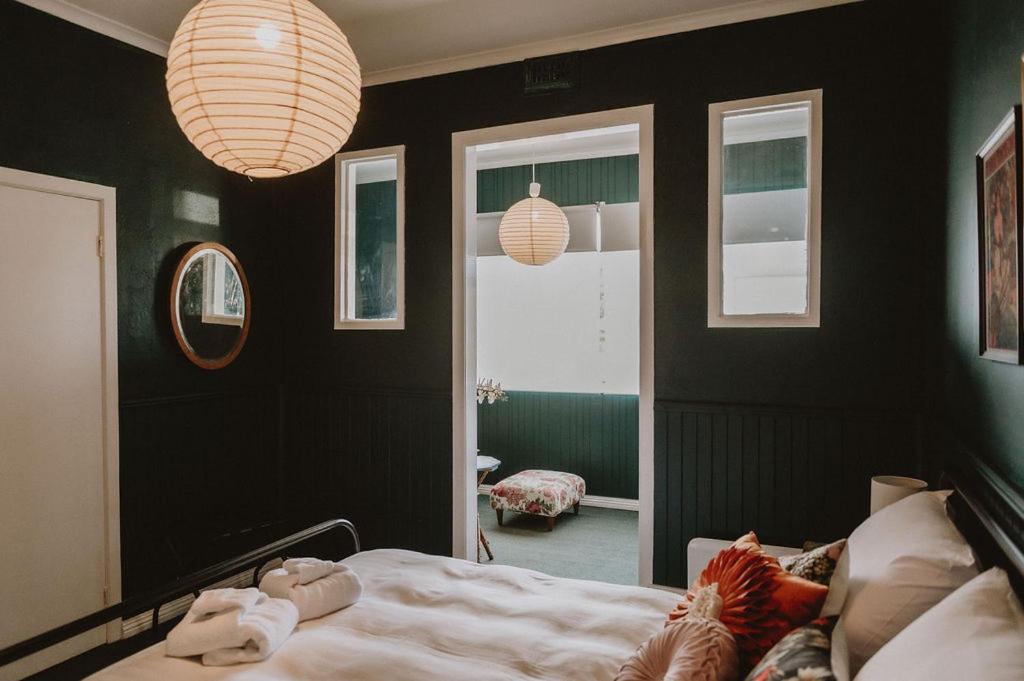
Accommodation is spread across nearby streets of one small village. Stay among the central shops for easy meals and browsing, toward Mill Lane for the heritage precinct and lake approach, or on Stanley Street for a smaller residential base. The room itself matters just as much: a whole cottage, a garden barn and a pub bedroom offer very different space and cooking arrangements.
Common questions
Where should I stay for my first visit?
Central High Street is the easiest base for walking between food, shops and the historic streets. The Mill Lane end is a good choice for a whole-house stay near the windmill and lake approach. Stanley Street suits a couple who needs a compact residential suite. These are nearby parts of one small village, so the room layout deserves as much attention as the address.
How do I get here from Hobart or Launceston?
Tourism Tasmania gives about an hour by road from Hobart, 83 km to the south, and 75 minutes from Launceston, 116 km to the north. Allow extra time for stops and conditions. Intercity coaches also serve Oatlands, but Transport Tasmania requires advance booking to get on or off here. Check the current timetable, exact stop and return service; do not rely on flagging down a passing bus.
How many nights do I need, and can I explore without a car?
One night works as a heritage stop between the two main cities. Two nights give you a full day for the village walk, a distillery visit and the lake without fitting everything between check-in and departure. The central streets are walkable once you arrive. A car helps with onward Midlands touring, while a coach-based trip needs its arrival and departure arranged around the published service.
What is there to see beyond the windmill?
Follow the council’s self-guided village map past the sandstone streets, the former courthouse, the surviving gaol walls and the military precinct. St Paul’s Church adds another distinctive building to the walk. Several historic façades now contain shops or cafés rather than museums, so check interior access and opening days instead of assuming every building is a staffed attraction. Leave time simply to browse the main street.
Can I enjoy the distillery without making this a drinking trip?
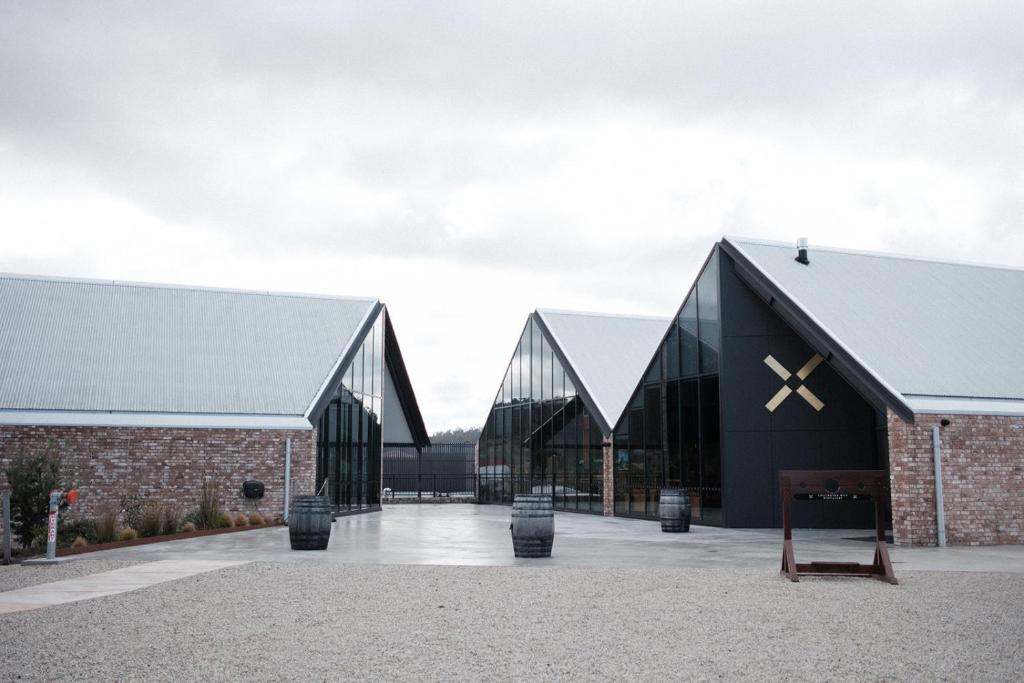
Yes. The restored Callington Mill precinct combines the historic windmill with a working distillery, tours and a restaurant. Check the tour and table arrangements for your date. Plan evening food separately: the central heritage pub advertises Wednesday–Sunday service, with Sunday lunch only. If you do join a tasting, arrange the rest of the day’s transport accordingly.
How long is the Lake Dulverton walk?
You can make a short outing along the town foreshore, or take the longer gravel track toward Parattah. The council describes that track as 7km, so allow for the return journey or turn around sooner. It is not a short circuit around the whole lake. Water levels fluctuate, which changes the scenery and birdwatching conditions; carry water and check the current route information before setting off farther.
What should I check about kitchens, beds and access?
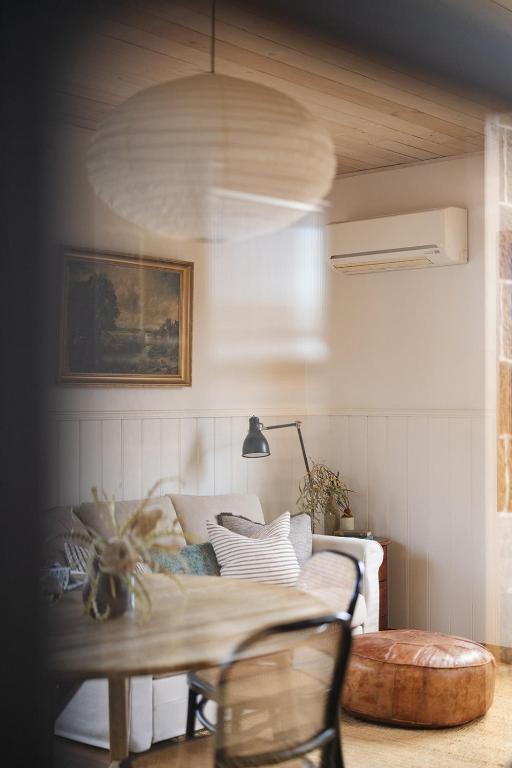
Compare the exact unit. There are full-kitchen cottages and a barn suited to preparing meals, but a small studio or guest suite may offer much less cooking space. Two bedrooms can still mean two double beds rather than separate beds for children, and some listings use a sofa bed for extra guests. Check heating, the route from parking, entrance steps and the bathroom arrangement before booking a historic building for someone with limited mobility.
When is a comfortable time to visit?
Plan around walking conditions and the opening days of the places you want to visit. The town’s historical climate averages put January daytime highs around 22°C and July overnight lows around 1°C, so bring a warm layer even for a summer trip. In cooler months, reliable heating and a usable kitchen can matter more than an outdoor terrace. Check the forecast and dining arrangements before committing to a one-night stop.
Prices are set by the booking site. We may earn a small fee, at no cost to you.