About Camocim
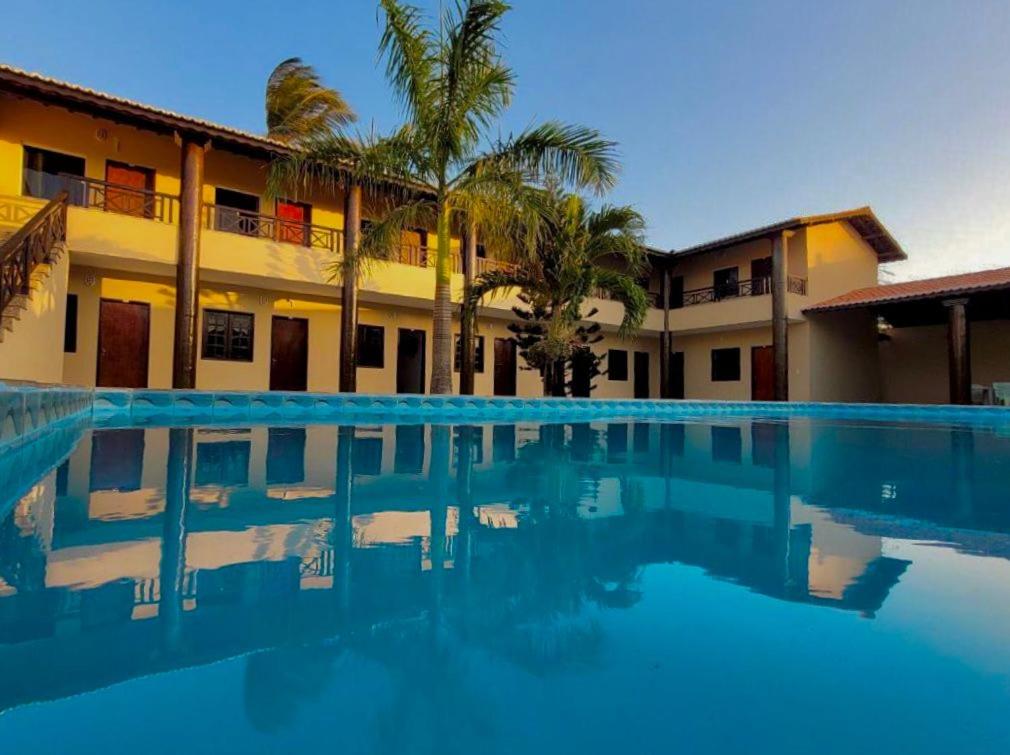
Camocim rewards a stay built around the Coreaú River: fishing boats along the waterfront, the old railway station behind the port and the sand of Ilha do Amor across the channel. You can sleep in the central streets for everyday convenience, beside Praia dos Botes for a pool with a water view, or farther along at Barreiras for more time around the accommodation.
The municipality reaches well beyond this compact base. A listing labelled Camocim may be on a distant beach, so use the actual address rather than assuming that every property shares the town’s walking distances.
Common questions
How many nights should I allow for Camocim?
Three nights give you two full days for the town waterfront, an Ilha do Amor crossing and a slower beach or pool afternoon. One night can work as a road stop, but leaves little room for an excursion after a long arrival. Add time if you want a substantial trip along the coast; distant beaches within Camocim municipality are separate outings, not all part of the central walking area.
Which airport makes sense for this stay?
Fortaleza offers a road approach that local transfer guidance puts at about four hours. Jericoacoara’s airport at Cruz is roughly 90 kilometres from Camocim, while Parnaíba is about 120 kilometres away; compare these regional options only if an operating flight actually fits your travel dates and route. Arrange the last road leg to your precise hotel address, and avoid combining an uncertain coastal outing with a tight flight connection.
Is a car necessary inside Camocim?
You can organise a central stay around walks, meals and prearranged local transport, particularly if your main outing is the river crossing. A car becomes more useful for moving between town, Barreiras, Praia do Farol and restaurants away from your accommodation. A beach excursion by buggy or four-wheel-drive vehicle is a separate service with its own route and river crossings; an ordinary rental car is not a substitute for a guided sand itinerary.
How do I visit Ilha do Amor?
Ilha do Amor, also called Ilha da Testa Branca, lies opposite the town across the Coreaú River. Municipal tourism describes ferry access, with dunes, mangroves and beaches on the other side; the shallow seasonal pools depend on rain. Agree the crossing point, onward transport if needed and return arrangements before setting off, and use an operator with appropriate passenger equipment rather than assuming the island is reached by a bridge.
Should a family choose a resort or an apartment?
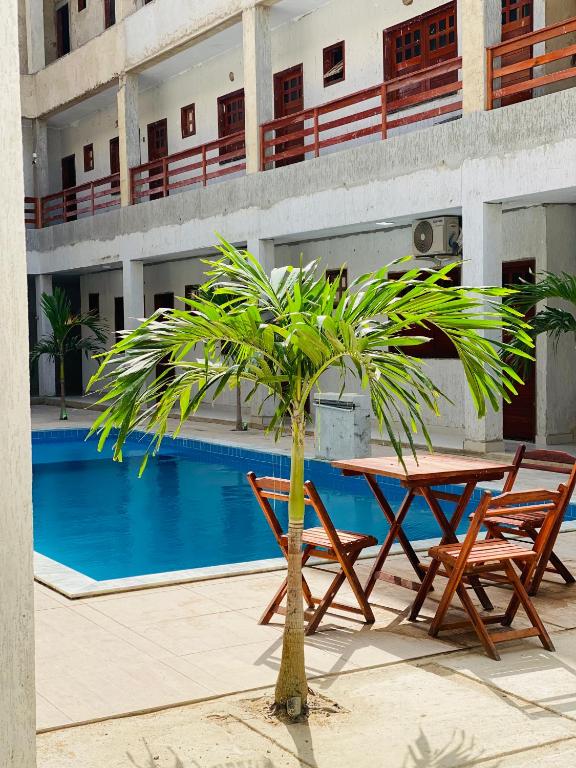
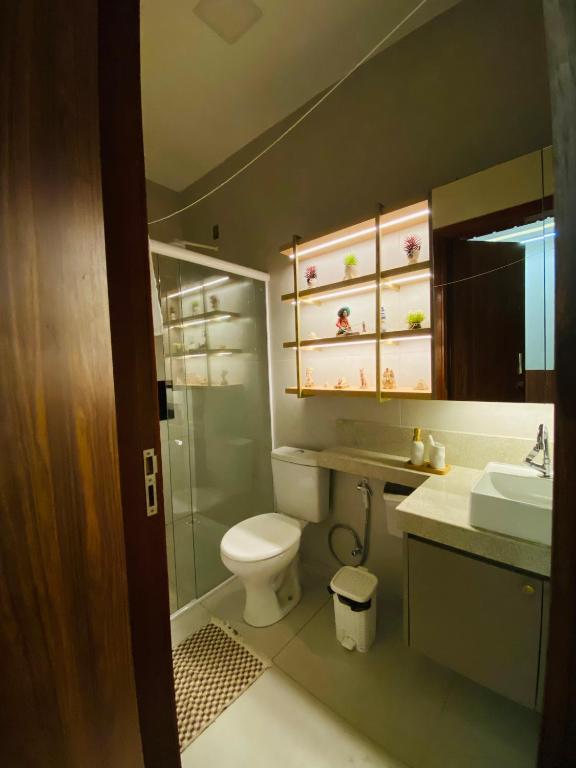
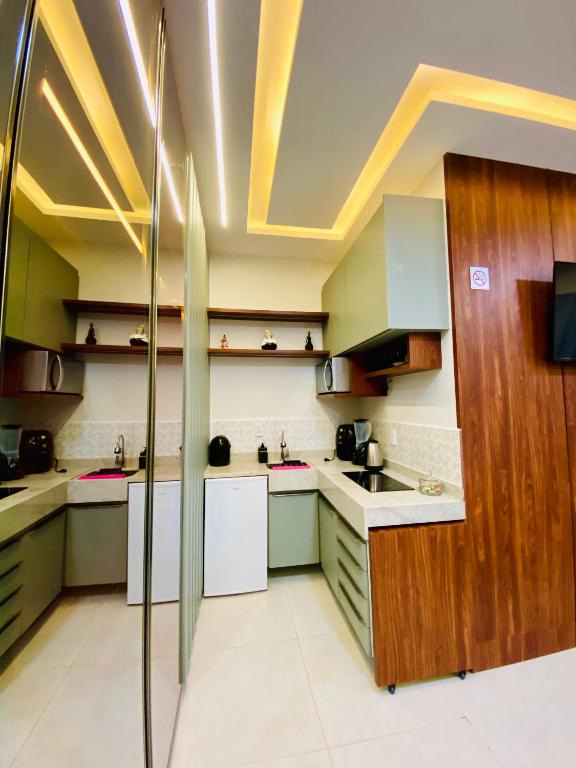
The choice depends on how much service you want around the room. A resort can provide separate adult and children’s pools, organised recreation and places to eat, while the selected apartment supplies a compact kitchen and one bedroom for a self-catering routine. Check the sleeping arrangement and supervision needs: pool access does not make the accommodation a childcare service, and a resort room should not be assumed to allow cooking appliances.
Are the town waterfront and the beaches interchangeable for swimming?
No. The central frontage faces an estuary used by boats, while Barreiras and Praia do Farol offer different shore settings and facilities. Choose the day’s bathing spot with local advice about the tide, conditions and boat activity, rather than relying on a listing’s beachfront label. For children or anyone wanting a predictable swim, a confirmed hotel pool can be an important part of the booking.
How does the season change the trip?
Ceará’s principal rainy period is February to May, with March and April usually the wettest months. Rain helps form the seasonal water pools described on Ilha do Amor, so a dry-season photograph does not show every possible landscape. Keep boat and dune plans flexible around the actual forecast and river conditions; the regional rainfall calendar is useful for planning, but it does not establish whether a particular day is suitable for an outing.
Can I visit Jericoacoara from Camocim in a day?
Yes, but treat it as a full excursion rather than a short urban transfer. A published local buggy itinerary takes about six hours and combines the Coreaú ferry crossing, Tatajuba, another crossing at Guriú and Jericoacoara before returning. Confirm the current route, inclusions and return plan with the operator; if most of your holiday is intended for Jericoacoara itself, staying in Camocim means repeating those longer movements.
Prices are set by the booking site. We may earn a small fee, at no cost to you.