About Sobral
Sobral is an inland city where architecture and science make a worthwhile break from Ceará's beach routes. Its protected centre links churches, old houses and the Acaraú riverfront, while the 1919 eclipse story gives the museums a subject that children and adults can explore together.
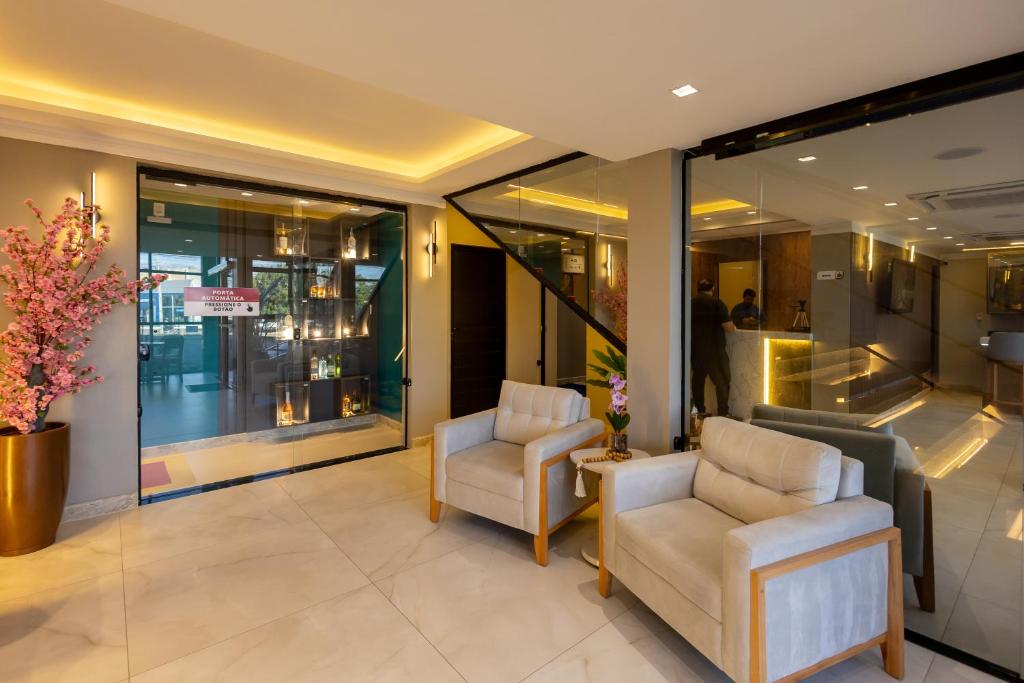
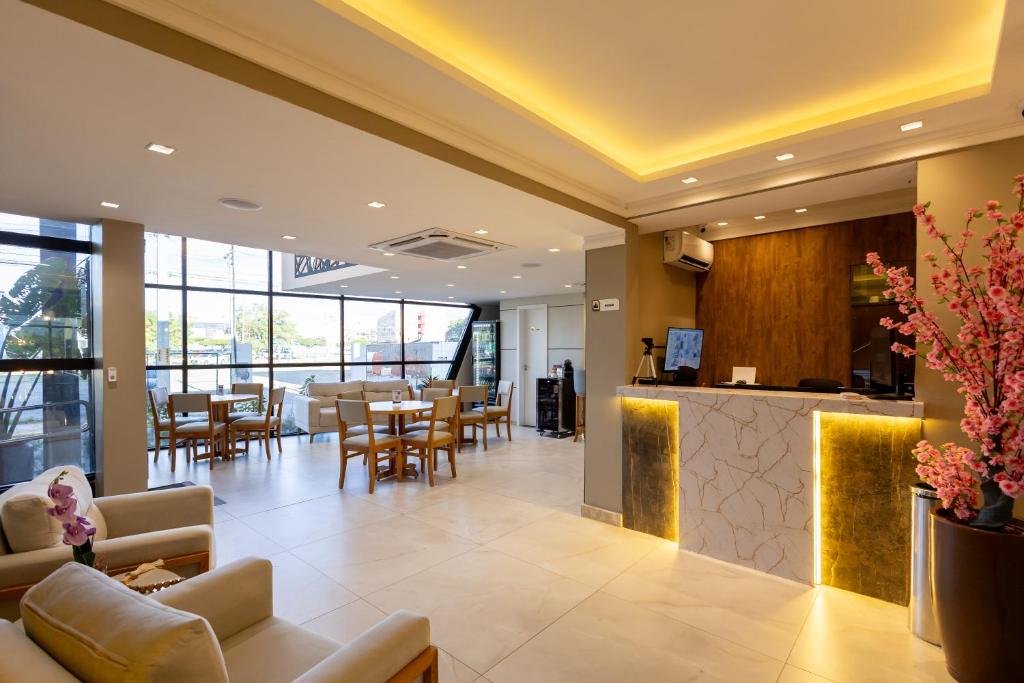
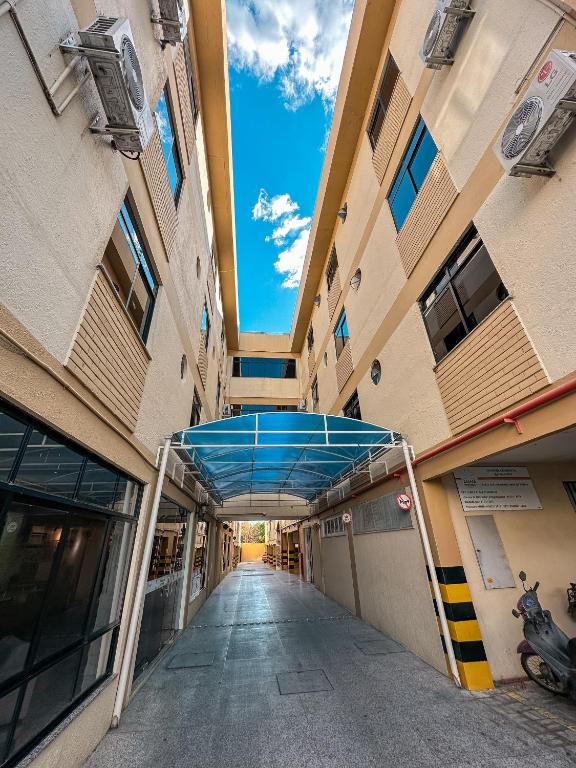
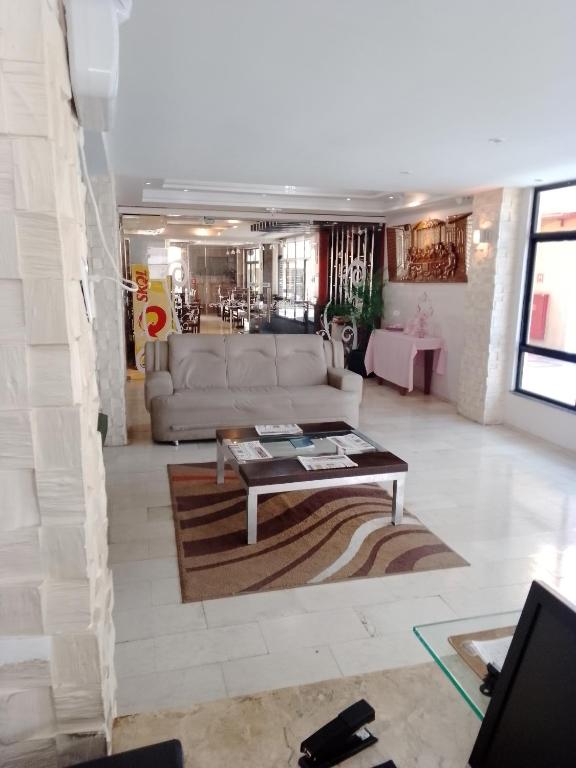
Choose the central streets for heritage outings, Coração de Jesus for a more comfortable room with optional studio or bath features, Dom Expedito for the shopping complex, or Renato Parente for a garden pousada. The heat makes a good room and a realistic plan for moving between districts especially useful.
Common questions
How many nights should I allow for Sobral?
Two nights can give you a full day for the central streets and the eclipse museum, but three nights make the visit less compressed. Keep the science complex and a longer heritage walk on separate days if your group prefers a slower pace. A third night also allows time for an exhibition, an evening performance or a rest at the accommodation when the afternoon is hot. If you are combining sightseeing with appointments, start with their actual locations before deciding how much free time remains.
What is the practical way to arrive?
Fortaleza followed by a road journey is a straightforward starting point for planning; BR-222 links it with Sobral. Compare the complete transfer from your flight or bus arrival to the hotel, including luggage and a possible late check-in. Confirm the current intercity bus service and its arrival point before arranging collection. Do not build the trip around a regional airport simply because it appears near a hotel in a booking listing: use a flight only when the operator actually confirms it for your dates. The last road leg still needs planning.
Can I visit without a car, and is the VLT useful?
A short urban stay can work with walks within the central cluster and arranged rides between districts. Sobral's light rail has a Norte line between Novo Recanto and Cohab III and a Sul line between Sumaré and Cohab II; check the actual station and the final walk for the journey you need. The regular pattern is Monday to Saturday, so do not assume a special Sunday service will operate during your trip. Consult Metrofor's current timetable and arrange another option for an evening return that falls outside it.
Which historic sights fit into the same outing?
Use the protected centre as a sequence of short stops rather than one long walk in the heat. The Acaraú's landscaped left bank, the Igreja da Sé, Casa da Cultura and the square around Theatro São João form a useful starting route. Different buildings show colonial, local baroque, neoclassical and later architectural styles, including houses along Lúcia Sabóia. Pause for a meal and leave room to look carefully at façades. A theatre exterior can be visited as part of a walk, while an interior visit or performance needs its own current arrangements.
What can I do at Parque da Luz?
Parque da Luz brings together the Museu do Eclipse, the Henrique Morize observatory and Sobral's planetarium. The museum explains the 1919 eclipse expedition and its role in testing general relativity, with objects and interactive activities that help make the subject approachable. Ask which planetarium sessions and observatory activities are available on your dates, and whether a group needs to book. Admission to a museum visit does not automatically mean that a telescope session is taking place. Check the programme and observing conditions before promising children a particular experience.
Where should I look for art and local history?
Casa da Cultura uses a restored nineteenth-century house for cultural activity, so check its current exhibitions or performances before you go. Casa do Capitão-Mor offers another perspective through an eighteenth-century building, the city's development and archaeological finds from its restoration. Near the river, Museu MADI adds paintings, sculpture and drawing associated with the movement. These are different stops with their own access arrangements. Choose one or two that match your interests, and leave time to enjoy the buildings instead of assuming that every gallery can be covered in one rushed circuit.
Can I visit Museu Dom José after its restoration?
The building was handed back after restoration in June 2026, but IPHAN's notice explicitly said that this did not yet reopen the museum to the public. Installation of a lift, the museum display project and reassembly of the collection were still required at that point. Before making an interior visit the centrepiece of your stay, ask the museum or Diocese of Sobral for the current public opening and which spaces are accessible. The restored façade and a completed building handover should not be treated as confirmation that the collection is on view.
How should I plan around heat and rain?
Sobral has a hot inland climate, so keep long outdoor walks to the more comfortable parts of the day and use museums, a meal or a hotel break between them. Ceará's main rainy season is February to May, with March and April usually the wettest in the state's pattern; check the local forecast for your dates. Carry water and rain protection when needed, and avoid making a tight connection depend on an uninterrupted afternoon of walking. A garden or balcony can be pleasant, but it does not replace checking the room's air conditioning.
What should families and longer-stay visitors check in a room?
Count the actual beds and select the precise room type, especially when sharing with children. In Coração de Jesus, a family studio offers a kitchen and a layout for up to five, while the jetted tub is a separate category; neither feature belongs to every bedroom. At the garden pousada, private rooms and dormitory beds are different bookings. Ask about steps, lift access and the bathroom layout before reserving if mobility matters. A standard business room beside the shopping complex is convenient for meals out, but should not be assumed to have cooking facilities.
Prices are set by the booking site. We may earn a small fee, at no cost to you.