About São Miguel dos Milagres
São Miguel dos Milagres works well as a coastal stay, with long breakfasts, reef outings and time in one good pousada. The name also markets neighbouring beaches: this guide covers the shared Rota Ecológica shore in São Miguel, Porto de Pedras and coastal Passo de Camaragibe.
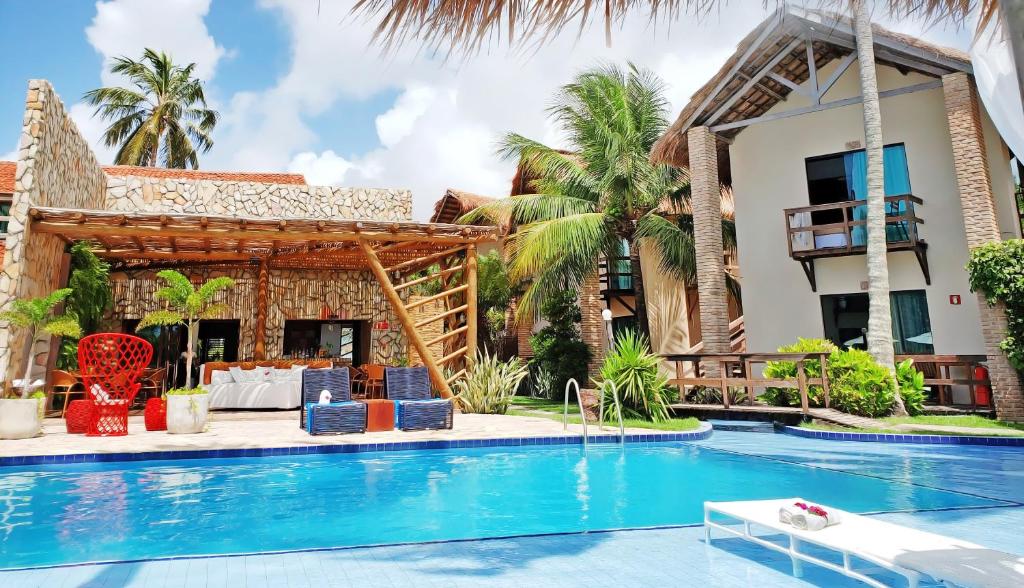
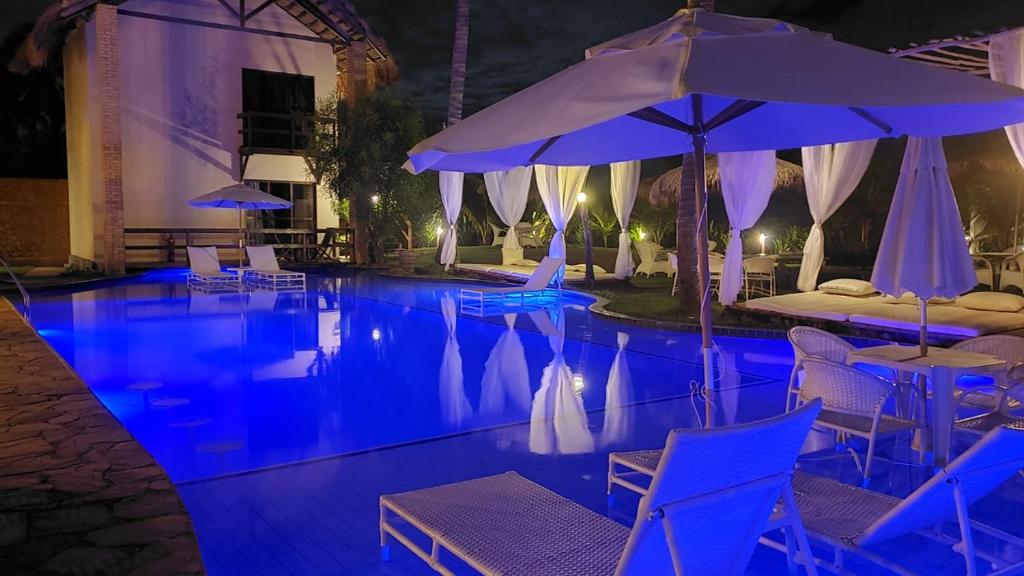
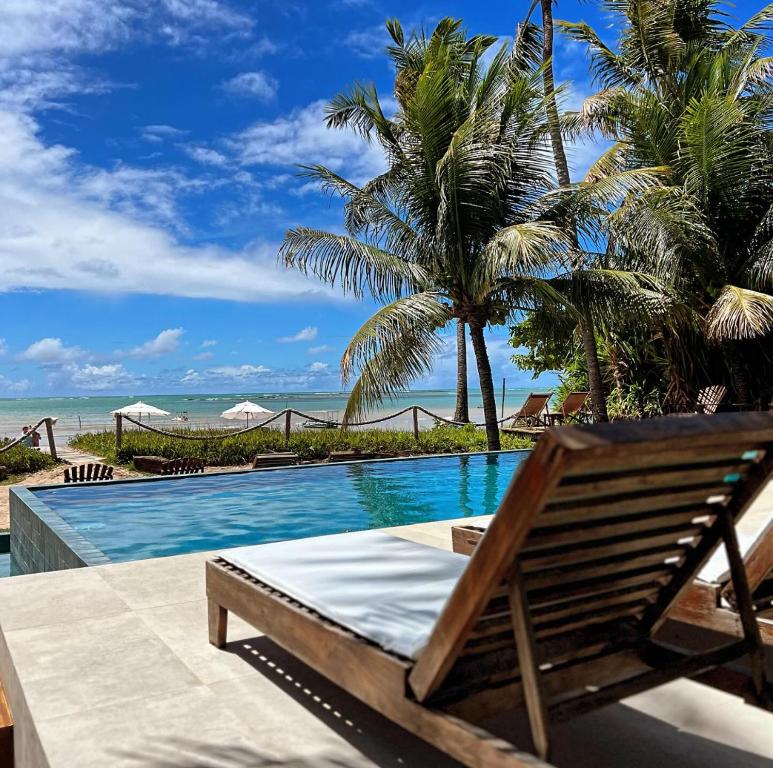
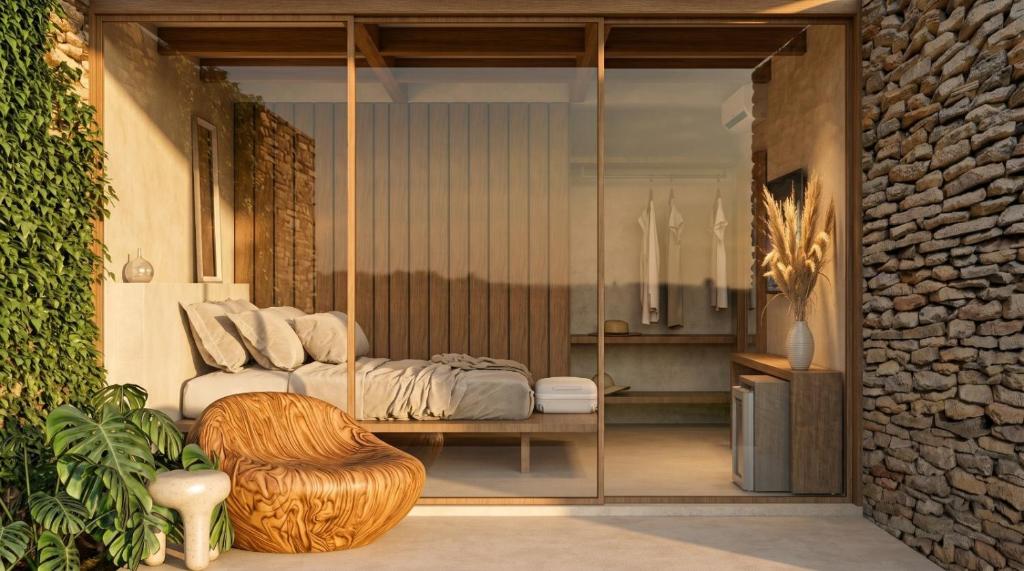
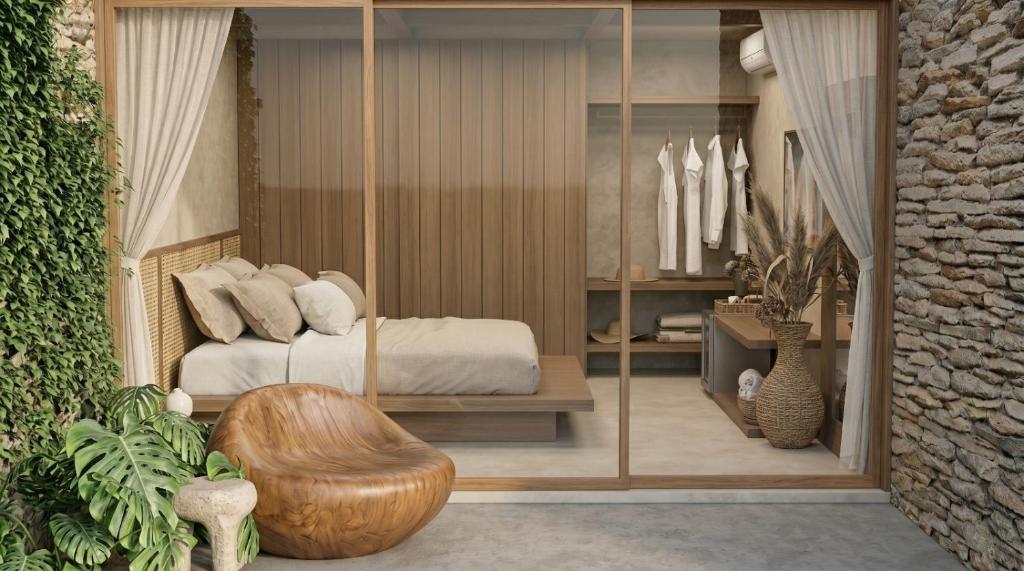
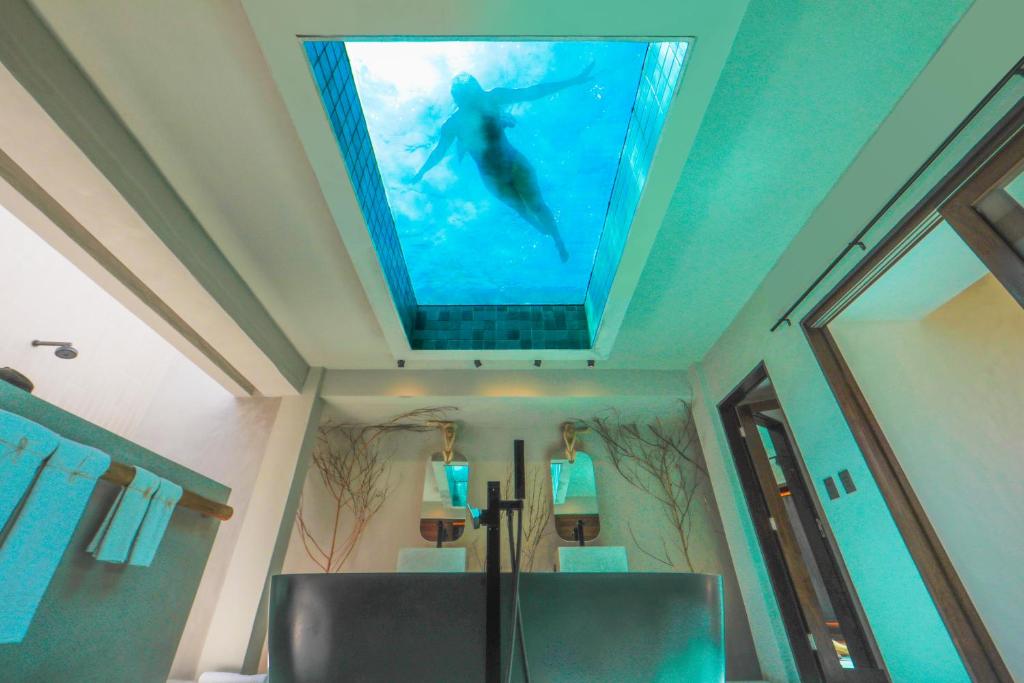
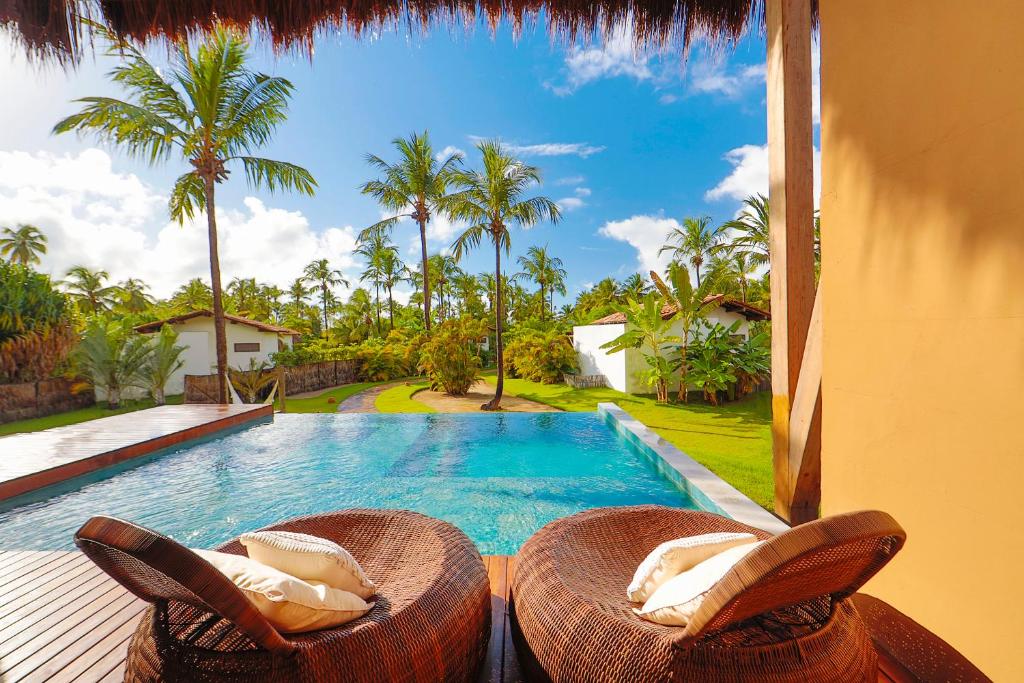
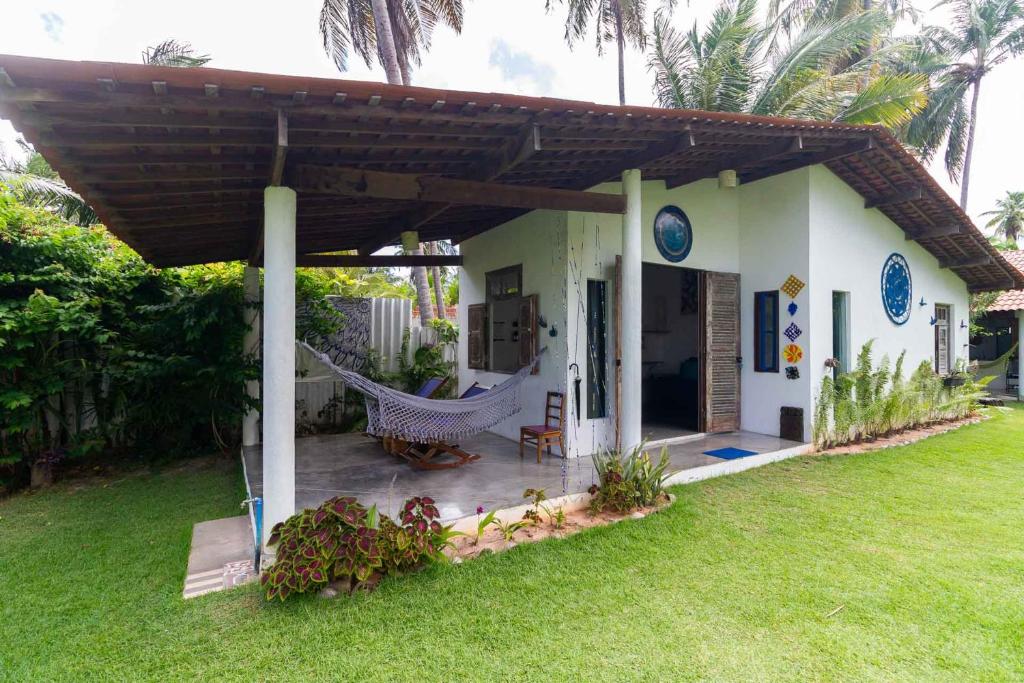
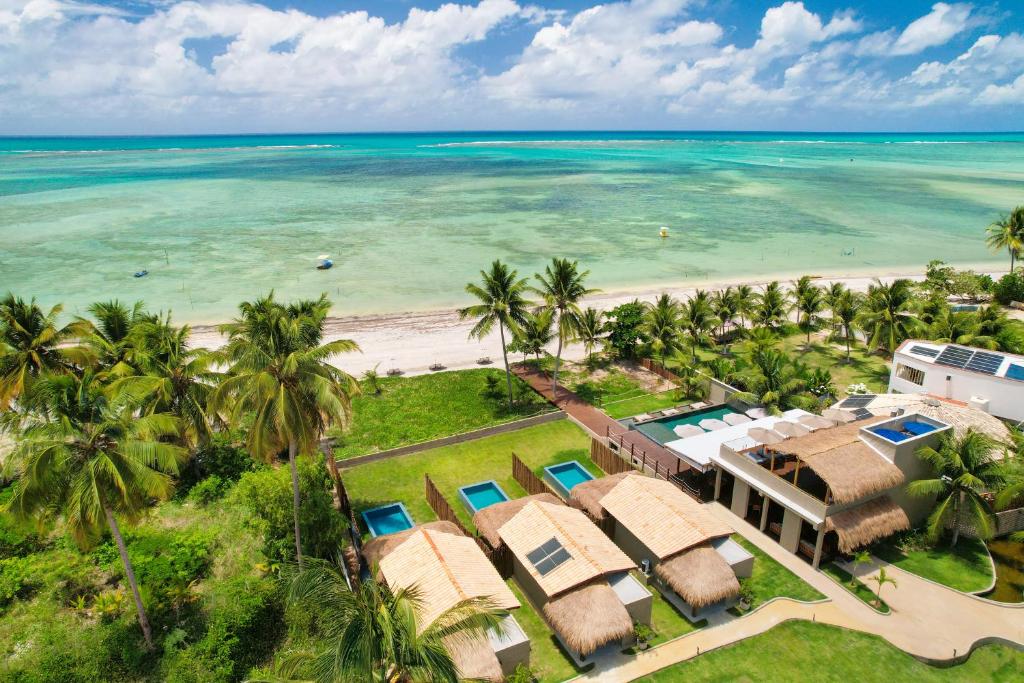
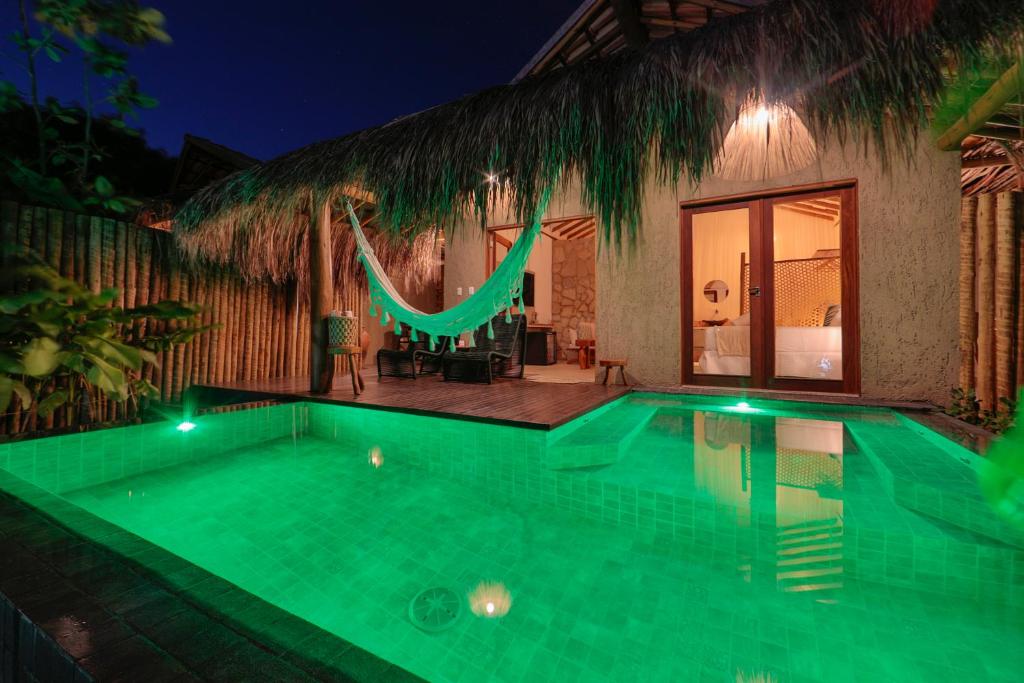
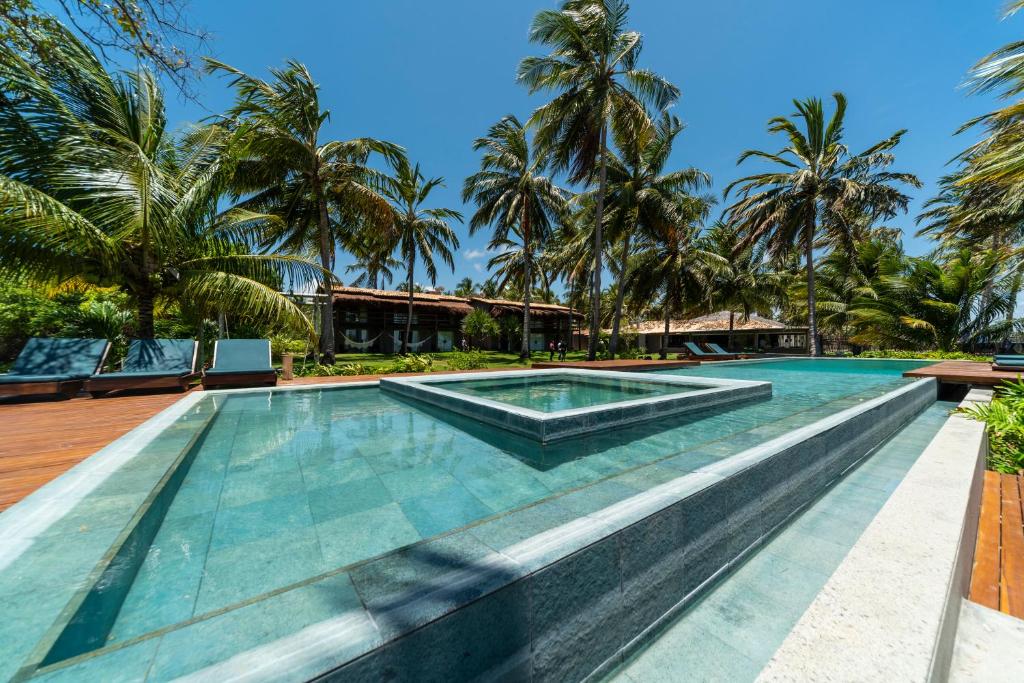
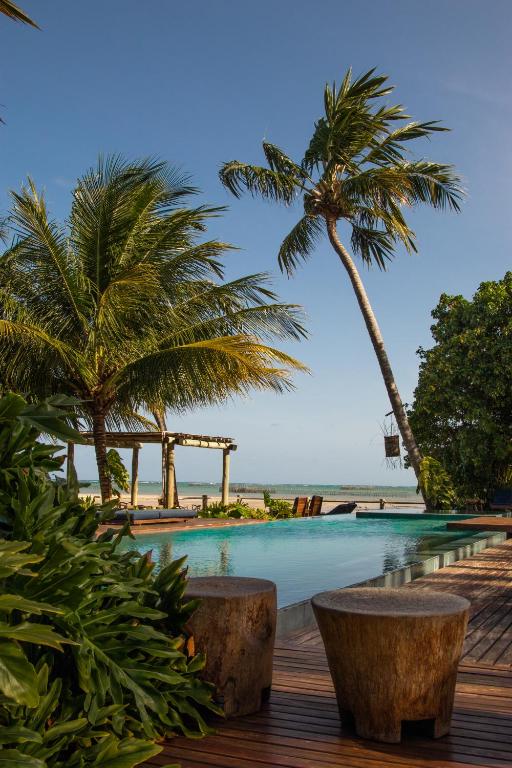
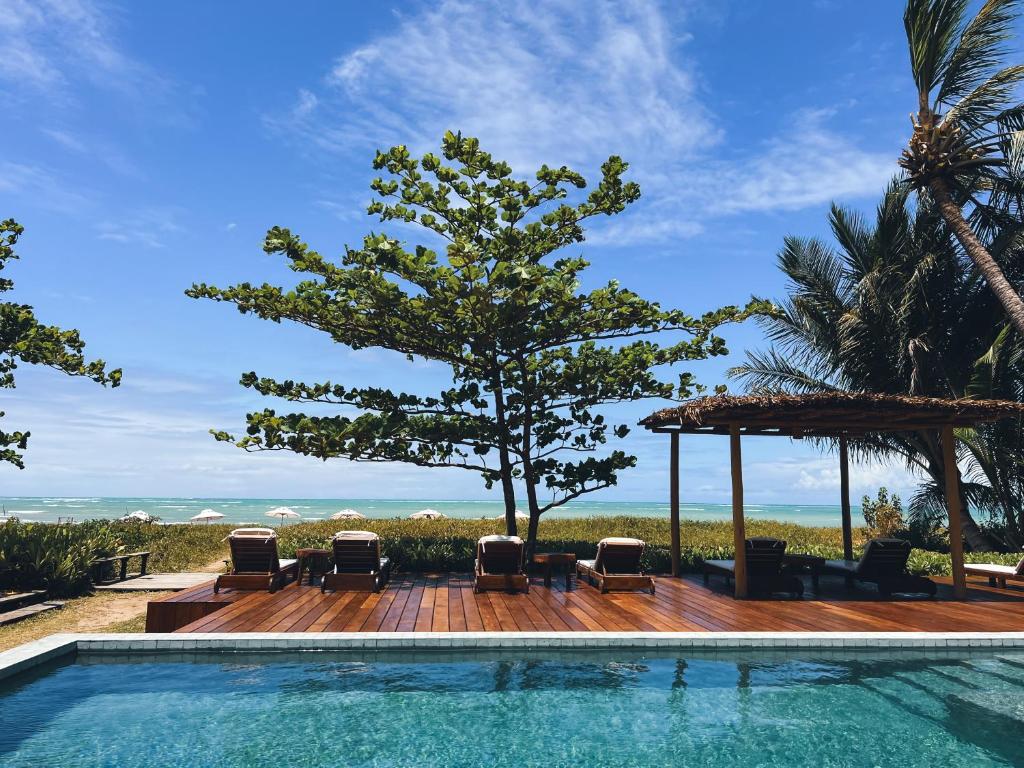
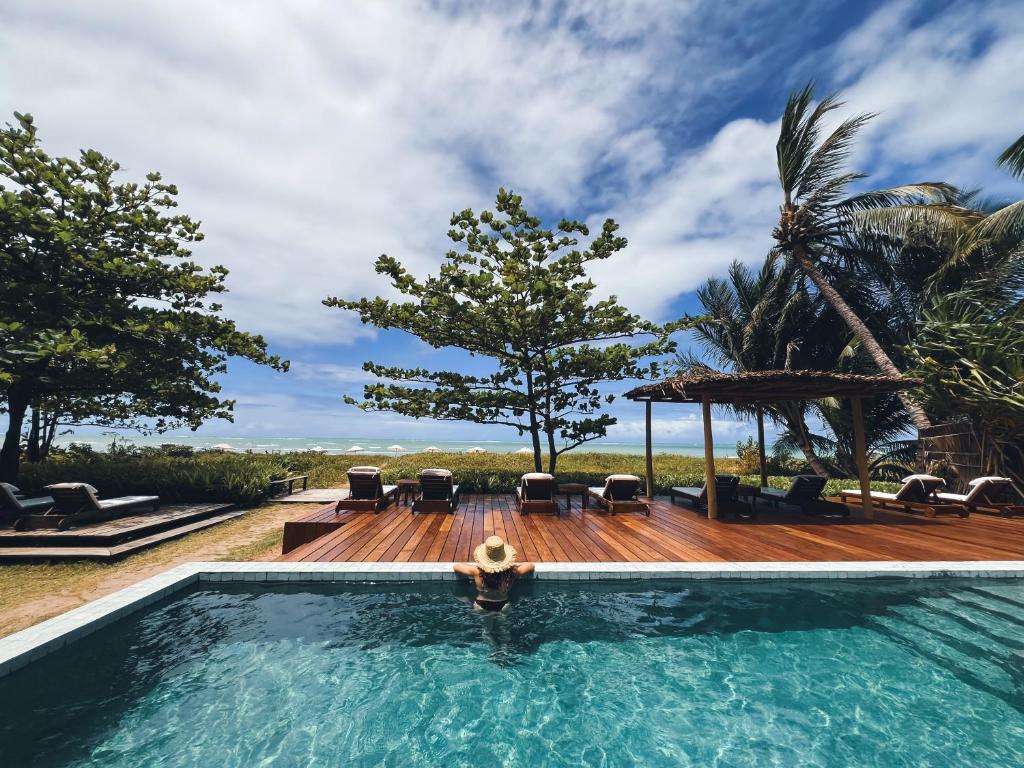
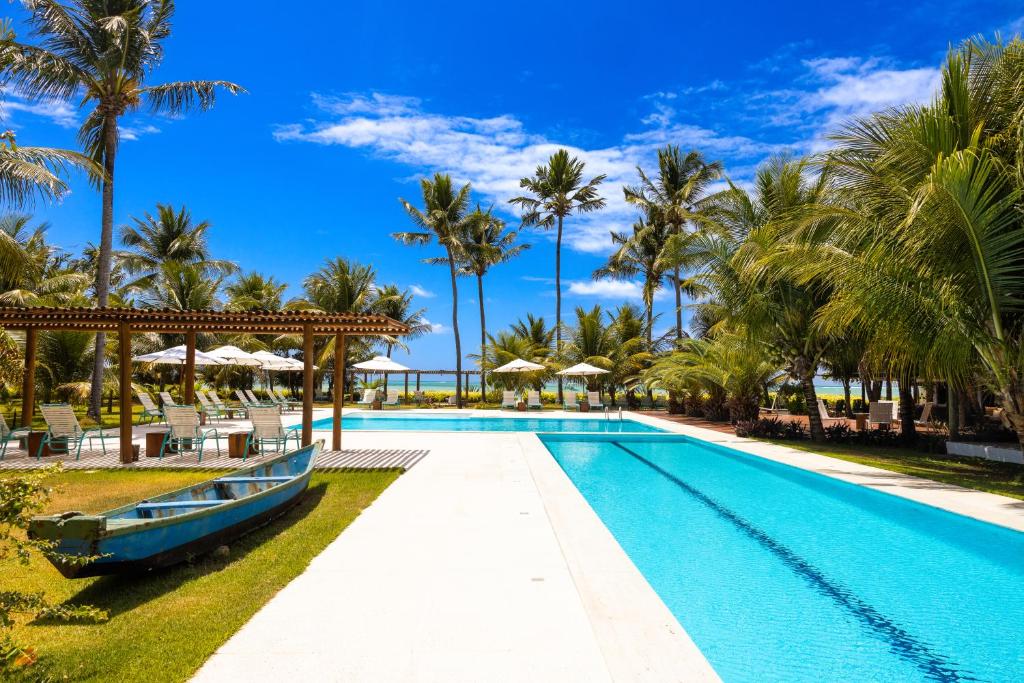
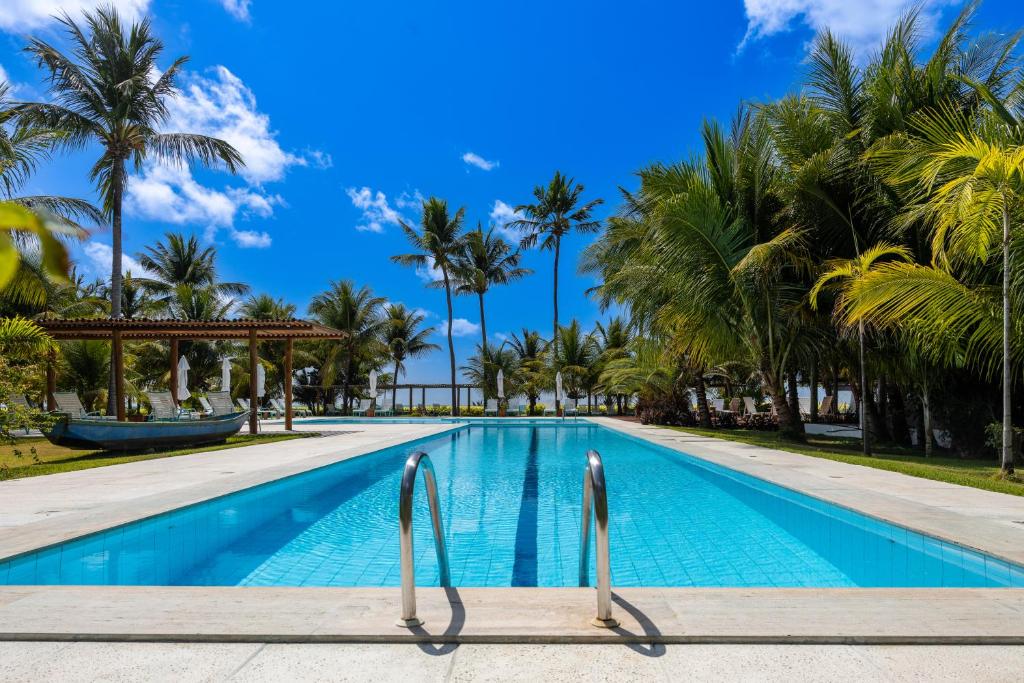
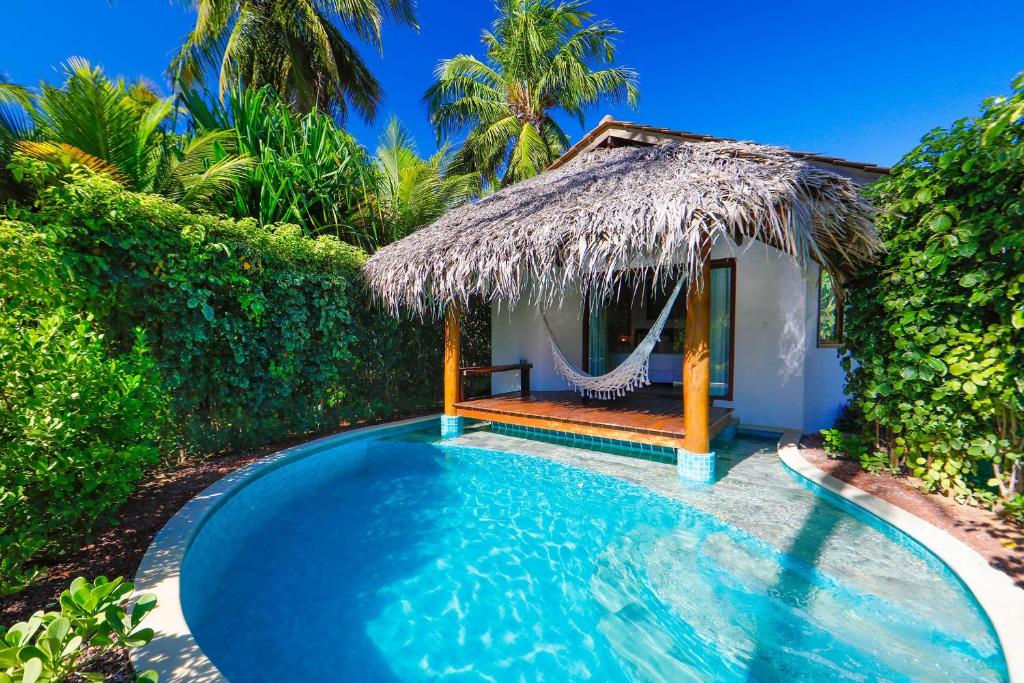
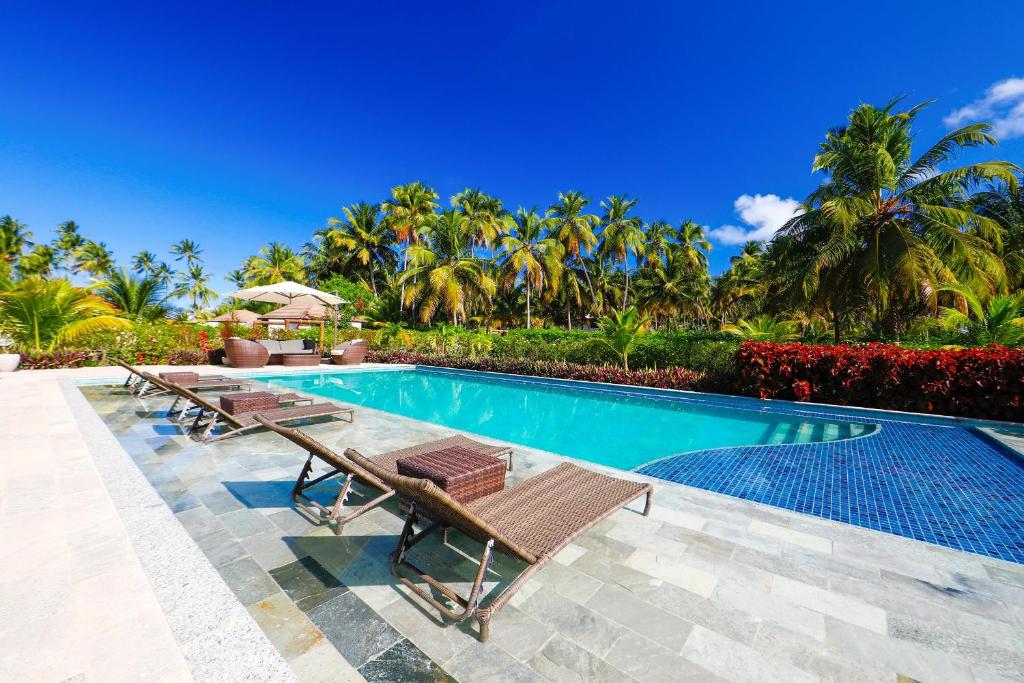
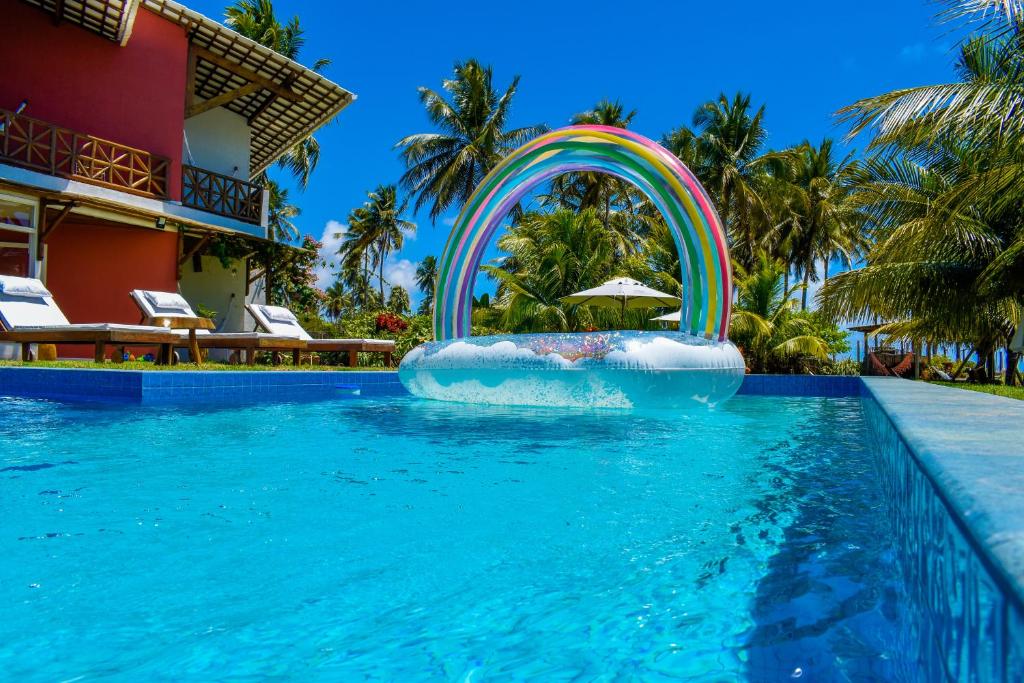
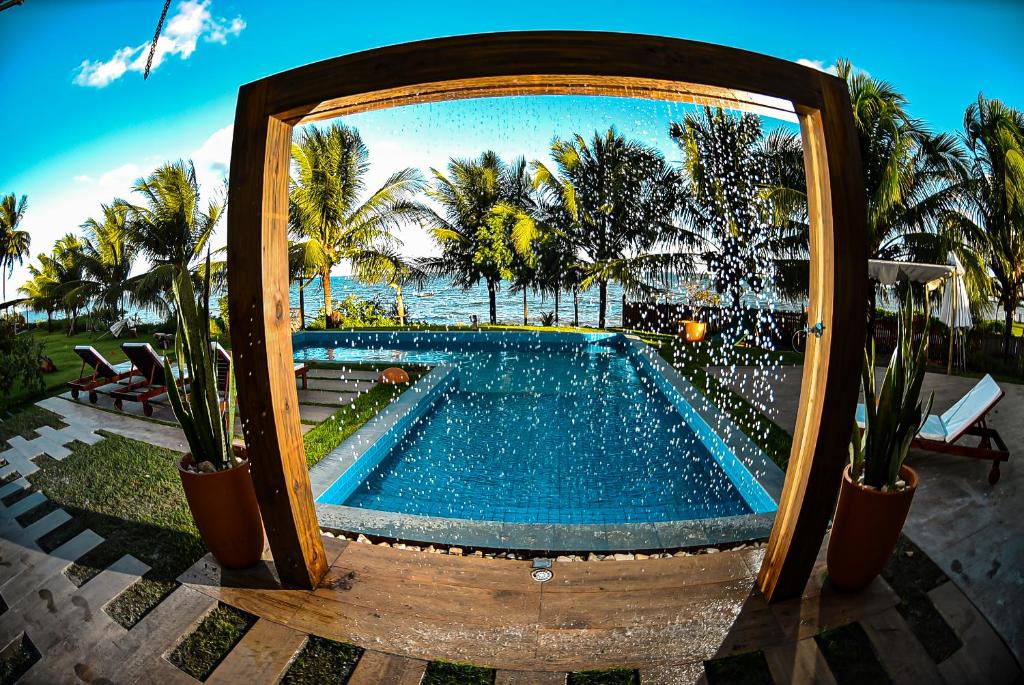
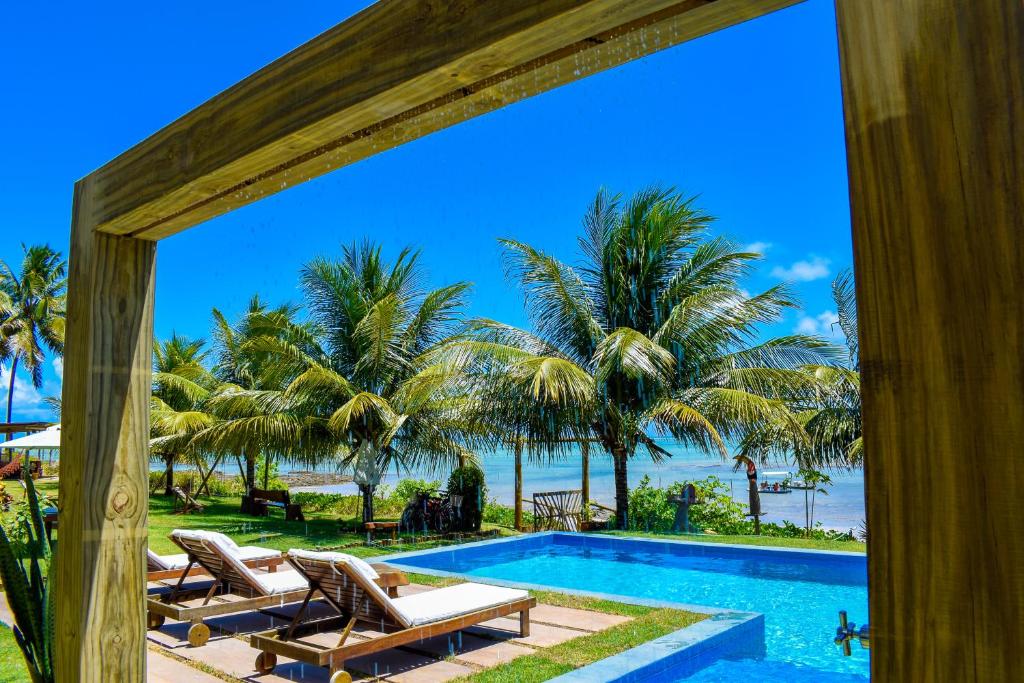
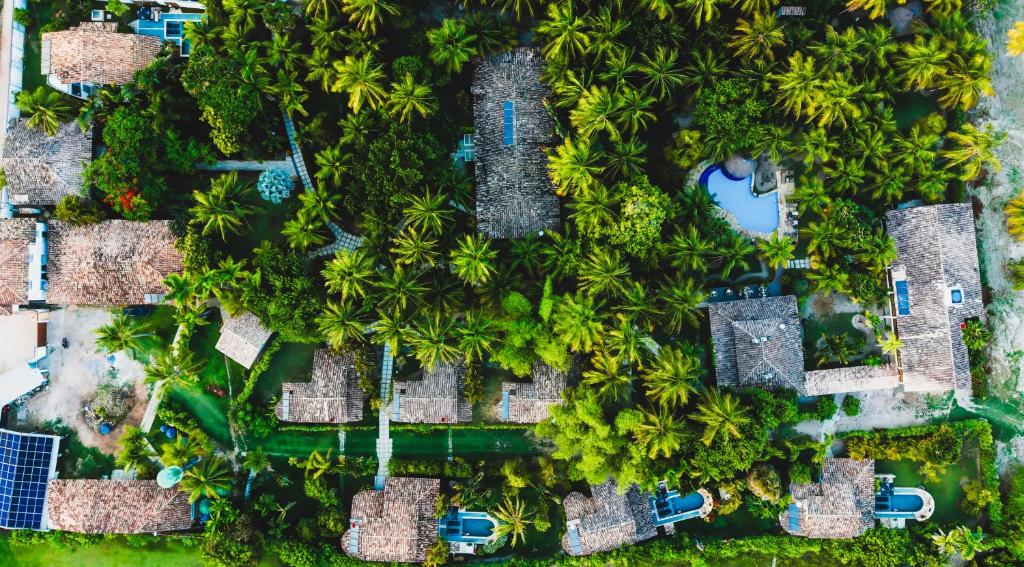
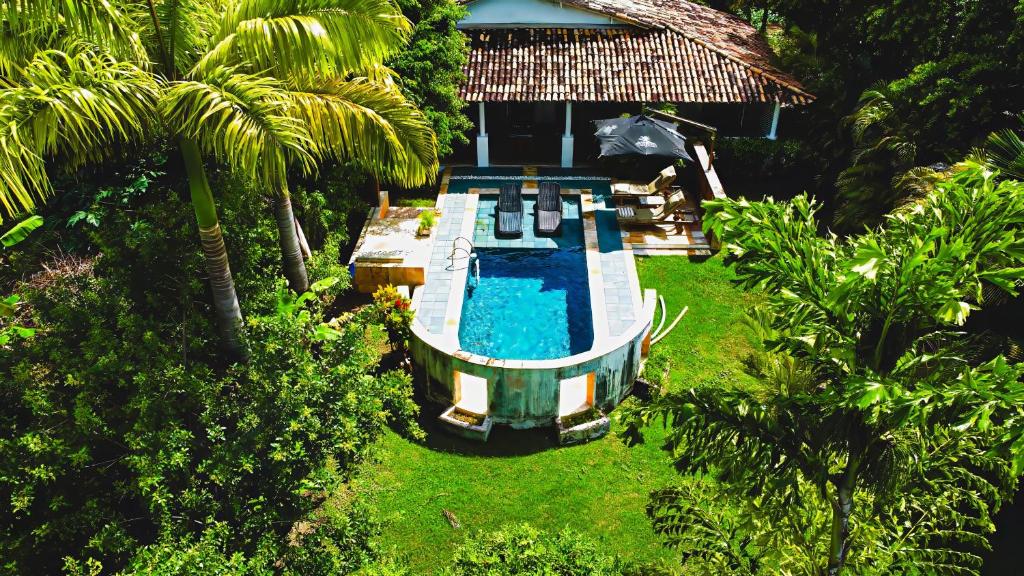
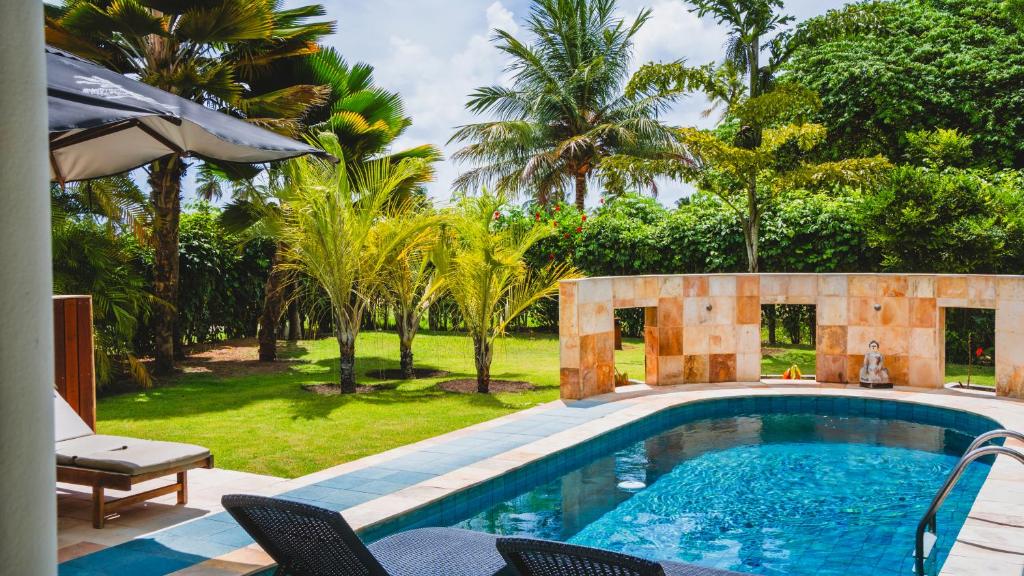
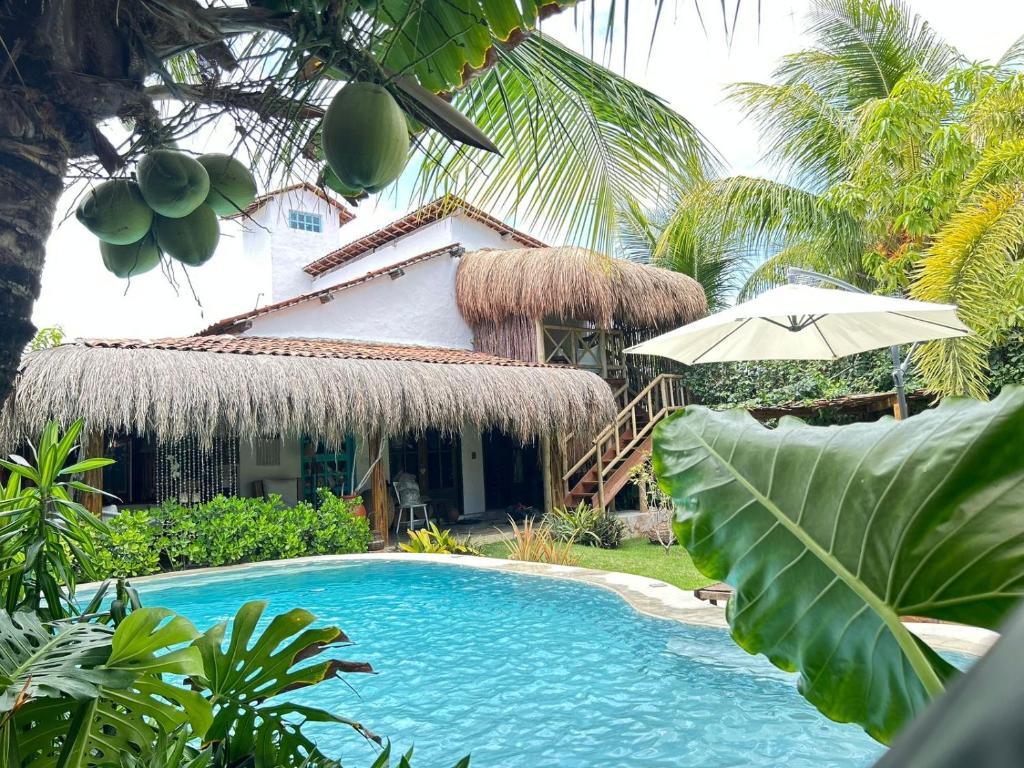
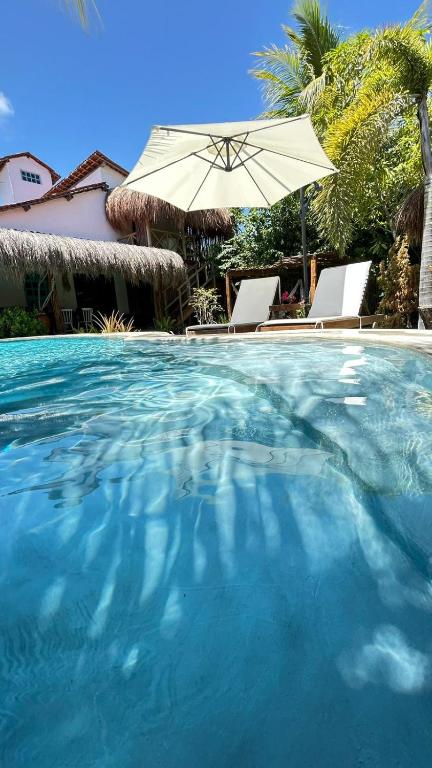
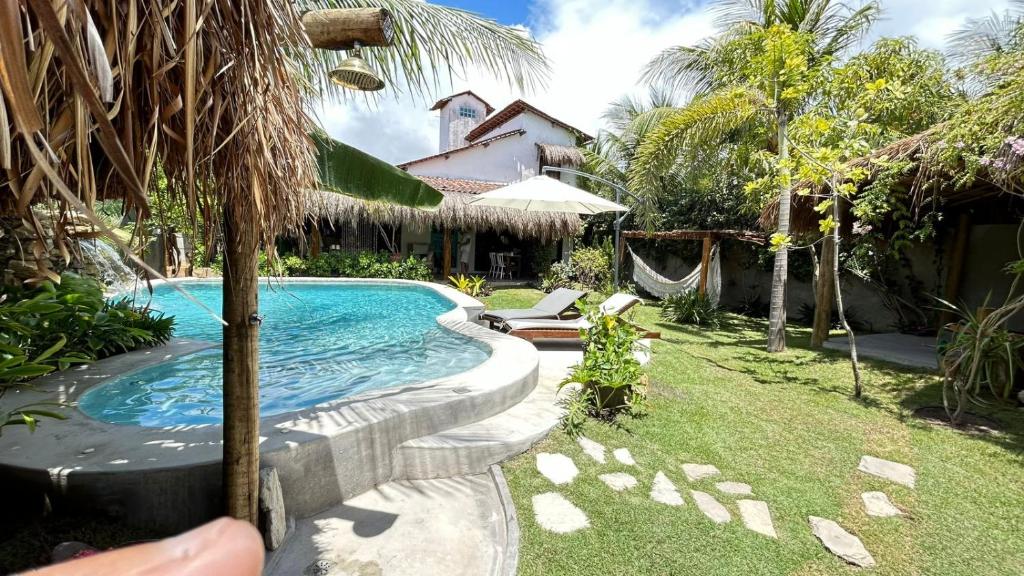
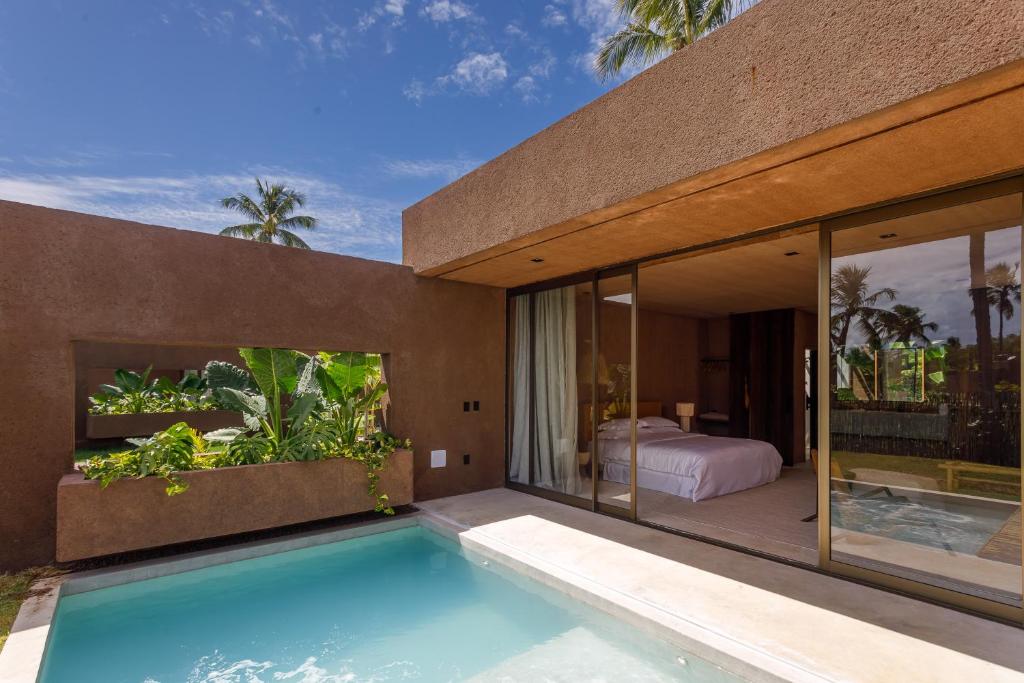
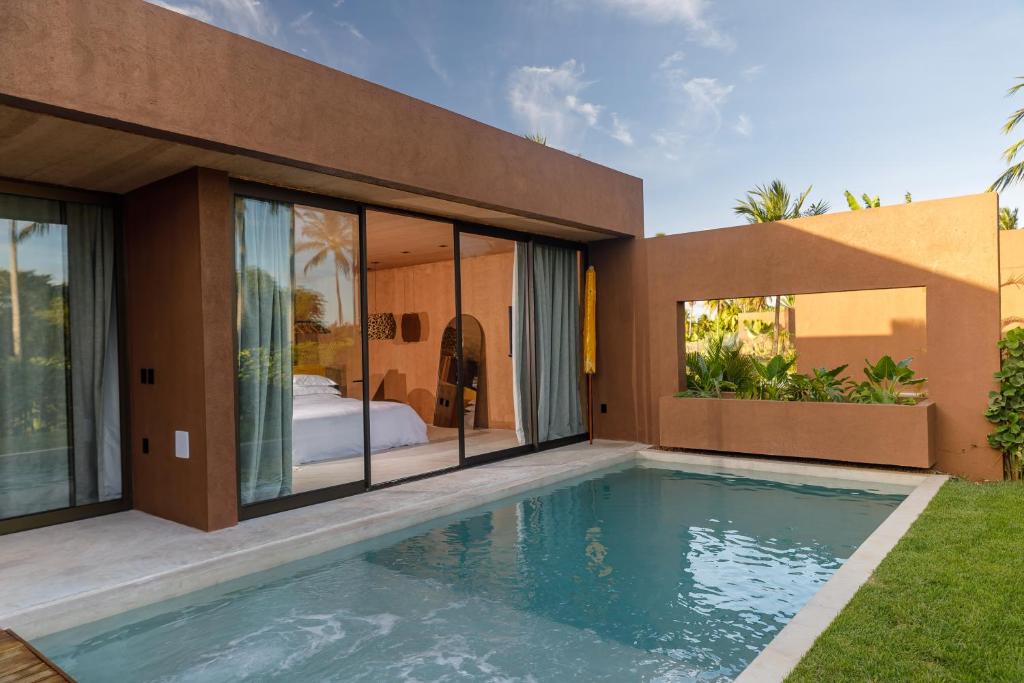
Toque and Porto da Rua give a practical central base, while Patacho and Marceneiro favour choosing a particular beachfront property. Tatuamunha adds a historic village and mangrove river. Check the exact beach, restaurant and room category before booking; a beautiful pool photograph says little about transport or access to the sea.
Common questions
Are all hotels labelled Milagres in the same town?
No: the visitor coast crosses São Miguel dos Milagres, Porto de Pedras and the coastal part of Passo de Camaragibe. Use the actual beach and full address when arranging a ride, rather than the broad destination label. For a first stay, compare Toque and Porto da Rua for village access with Patacho or Marceneiro for a hotel-centred beach break.
How do I arrive from Maceió airport?
The official tourist portal suggests roughly two hours by road to São Miguel, with the actual time depending on traffic and how far north your hotel sits. AL-105 avoids central Maceió, while AL-101 Norte follows the coast; both approaches meet at São Luís do Quitunde. Arrange a rental car or a transfer to the precise property and confirm the final access road.
Do I need a car between the villages?
A car is useful for changing beaches and eating in different villages, but a stay focused on one well-equipped inn can work with arranged transfers. Without a car, organise airport and local rides with the property before relying on an immediate app booking. If arriving from the Recife side, check the proposed road route and any ferry crossing rather than assuming a ferry is compulsory.
How many nights should I allow?
Four or five nights is a useful starting plan: keep one flexible reef day, one river or village outing, and time simply to enjoy your beach. These adjoining villages usually work as one base, without repeated hotel changes. Avoid leaving your only possible reef trip for the day of your flight home.
Which months are wetter or drier?
Climatempo averages show a wetter stretch from April to August, with the main peak in May to July. October to December is generally drier. These are seasonal patterns rather than a forecast, so keep the reef day flexible instead of expecting clear water on a guaranteed date.
How do the natural-pool trips work?
Use a licensed guide and jangada. The authorised window runs from two hours before to two hours after Maceió harbour’s predicted low tide, subject to suitable conditions and a booked slot. Never touch coral, feed wildlife or collect shells.
Can I see manatees at Tatuamunha?
The community Associação Peixe-Boi offers an approximately one-hour trip by nonmotorised jangada through the river and mangroves. A guide accompanies the rowers, but sightings are not guaranteed because the animals are wild. Reserve with the association and follow its quiet, no-touch and no-feeding rules.
What should families check before booking or swimming?
Confirm the minimum guest age, room capacity, steps and which pool is private; nearby inns can have very different child policies. Ask about the day’s tide, currents and water quality instead of judging the sea from a photograph. Consult IMA’s latest beach report and its advice to avoid drainage outlets and river mouths, especially for 72 hours after rain.
What can I do beyond the beach?
Explore Tatuamunha’s historic houses, churches and local crafts, then leave time for a village meal. The high ground around Porto de Pedras lighthouse offers a coastal view; do not assume the tower itself is open to visitors. These outings make useful alternatives when the tide or weather shifts your reef booking.
Prices are set by the booking site. We may earn a small fee, at no cost to you.