Common questions
How many nights should I stay in Maracajaú?
Two nights give you an unhurried arrival and a full day for the reef and beach. Three are useful if you want a kite lesson, more time around the pousada, or some flexibility when the sea changes. Ask about suitable tide dates before fixing the stay: adding a night improves your options but cannot guarantee that a boat trip will operate.
Which airport should I use, and how do I reach the village?
Use Natal Airport, NAT, in São Gonçalo do Amarante. Arrange a transfer to your exact pousada or collect a rental car; the main road approach from Natal follows BR-101 north before the turn towards Maracajaú. The airport's published bus service links São Gonçalo and Natal, so it is not a direct village transfer. Send the driver the hotel entrance pin and agree the return journey as well.
Can I stay without a car?
Yes, if you arrange the airport legs and choose a pousada with meals nearby or on site. Short walks cover parts of the village and beach, but the departure base for your reef operator may be elsewhere along the shore. Confirm whether a local pickup is included. A Natal day-tour transfer is normally a return excursion package, so agree any one-way luggage drop separately rather than treating it as a village bus.
How does a trip to the parrachos work?
The coral formations are roughly seven kilometres offshore, reached by speedboat or catamaran. Operators use their own beach bases and floating support platforms; confirm the exact meeting point, duration and what the selected package includes. Snorkelling equipment, club day use and transport are not identical across products. Scuba diving is a separate activity and may be an optional addition rather than part of a basic snorkel excursion.
Does low tide guarantee good snorkelling?
No. Departure times change with the day's tide, and wind, waves and visibility also matter. Use the operator's confirmed date and boarding instructions rather than a fixed morning timetable. Some catamarans use wet boarding, with water potentially reaching waist height. Ask about that before paying if you have limited mobility or are travelling with small children, and leave room in the schedule for a cancellation or change.
What conservation rules should I check before booking?
The reefs are within the APARC protected area. IDEMA's November 2026 communication describes daily visitor limits and an annual rest period when tourism stops in the shallow reefs; confirm the applicable dates with an authorised operator. Do not stand on coral, feed fish or leave waste behind. A hotel booking is separate from access to the reef, and no advance reservation guarantees a departure against environmental or sea-condition restrictions.
When is the wetter season?
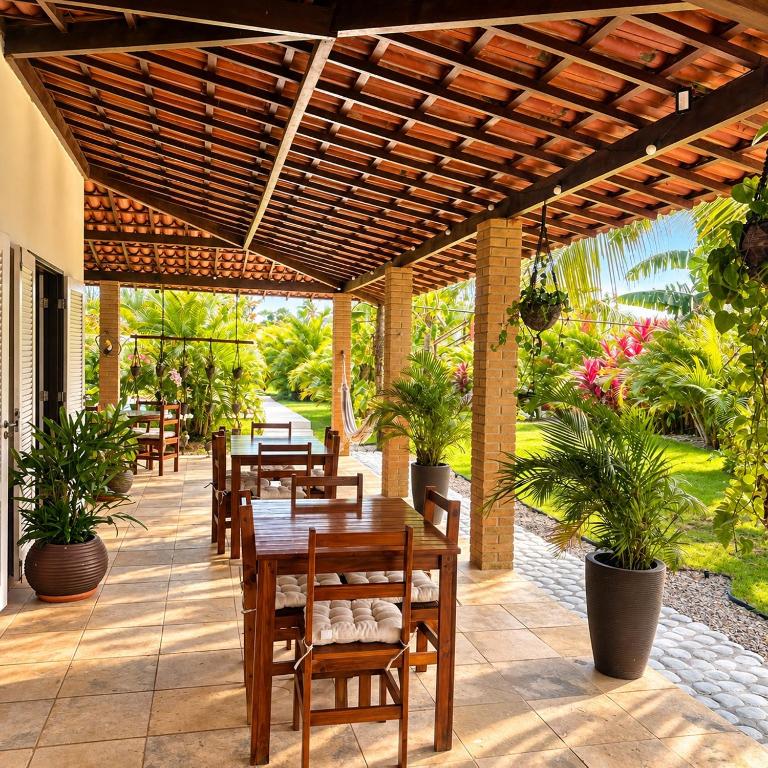
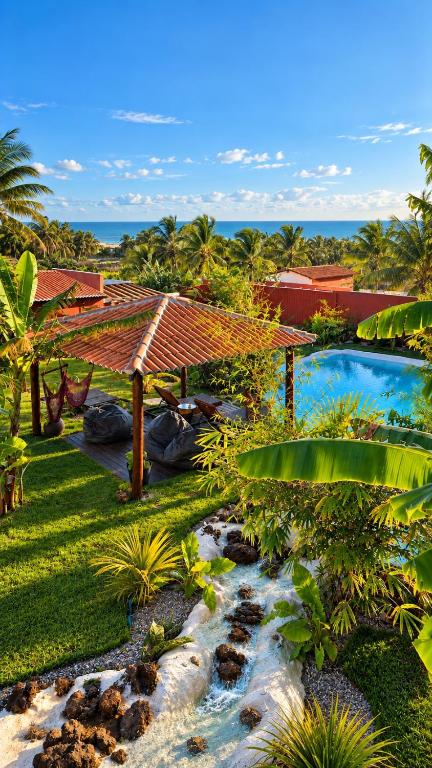
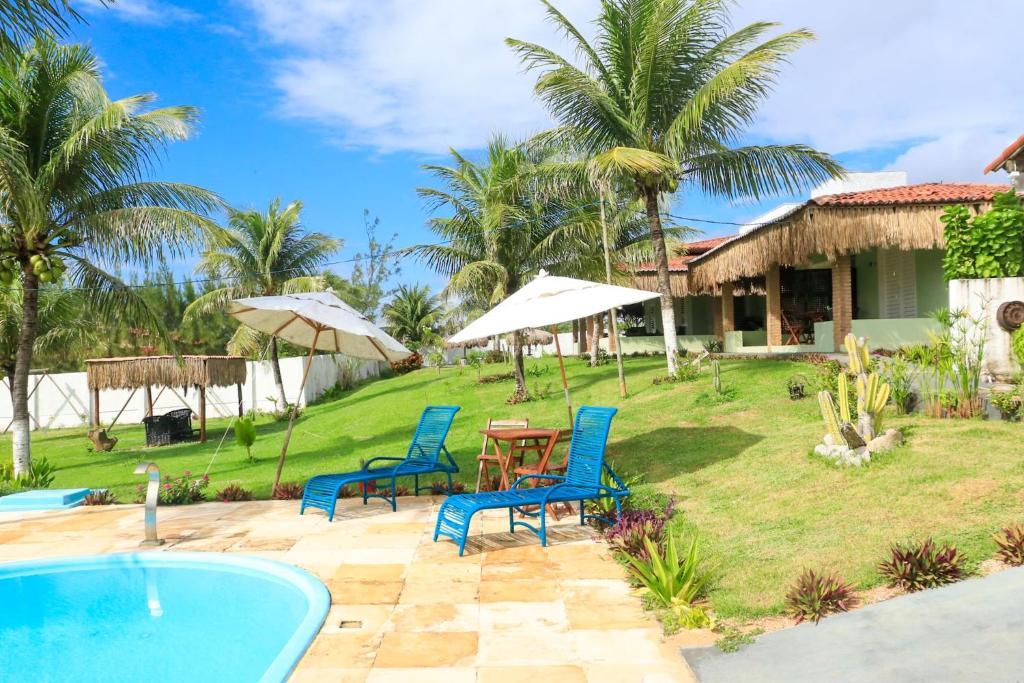
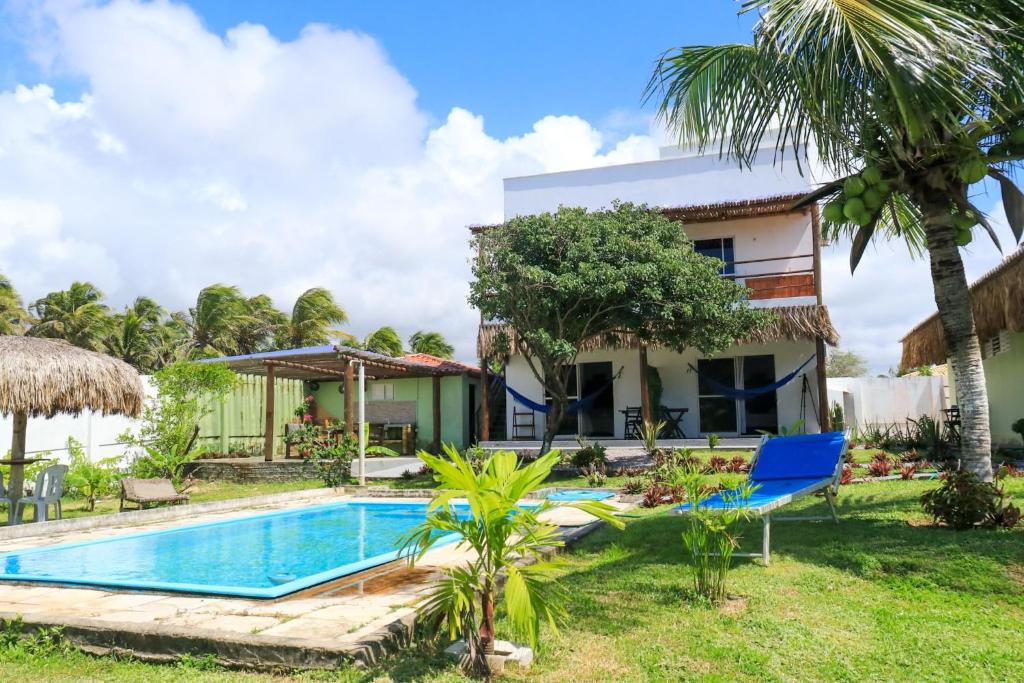
The municipal climate study identifies March to August as the wetter period, with a drier summer. September to February is therefore a reasonable first window to consider for a beach stay, but it is not a promise of clear water or calm seas. Check the tide calendar before flights and the marine forecast again near departure. A pousada with a usable terrace, restaurant or shared pool gives you something to enjoy between excursions.
What can I do besides the reef trip?
Kitesurfing is another reason to stay, with local lessons, equipment rental and lagoon shuttles available by arrangement. Tell the instructor your experience and let them choose suitable conditions; the presence of wind does not make every spot appropriate for beginners. Beach walks, seafood meals and time in the garden or pool make a slower alternative. Treat any buggy or quad outing as a separately organised activity with an agreed route.
What should families and travellers with mobility needs check?
Start with the exact bedroom: family bed arrangements, sea views and tubs vary by category, and a shared pool is not a private room pool. Ask about cots and child acceptance before booking a specialist kite stay. Ground-floor inventory alone does not establish a step-free route to the room, restaurant or beach. For the reef excursion, discuss boarding, floating-platform steps and suitable child flotation equipment with the operator.
Prices are set by the booking site. We may earn a small fee, at no cost to you.