About Icapuí
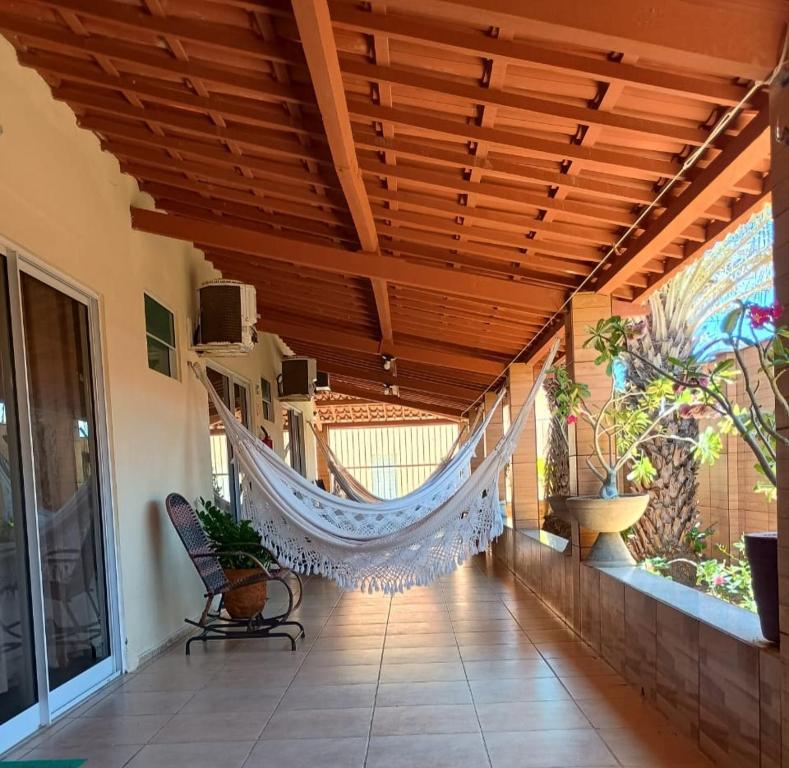
Icapuí stretches along Ceará's far eastern coast near Rio Grande do Norte, with fishing villages, coloured cliffs and roughly 64 kilometres of shoreline. Accommodation is scattered across separate communities. Redonda offers an established village base, while Picos and Peroba favour hillside views and time at the property.
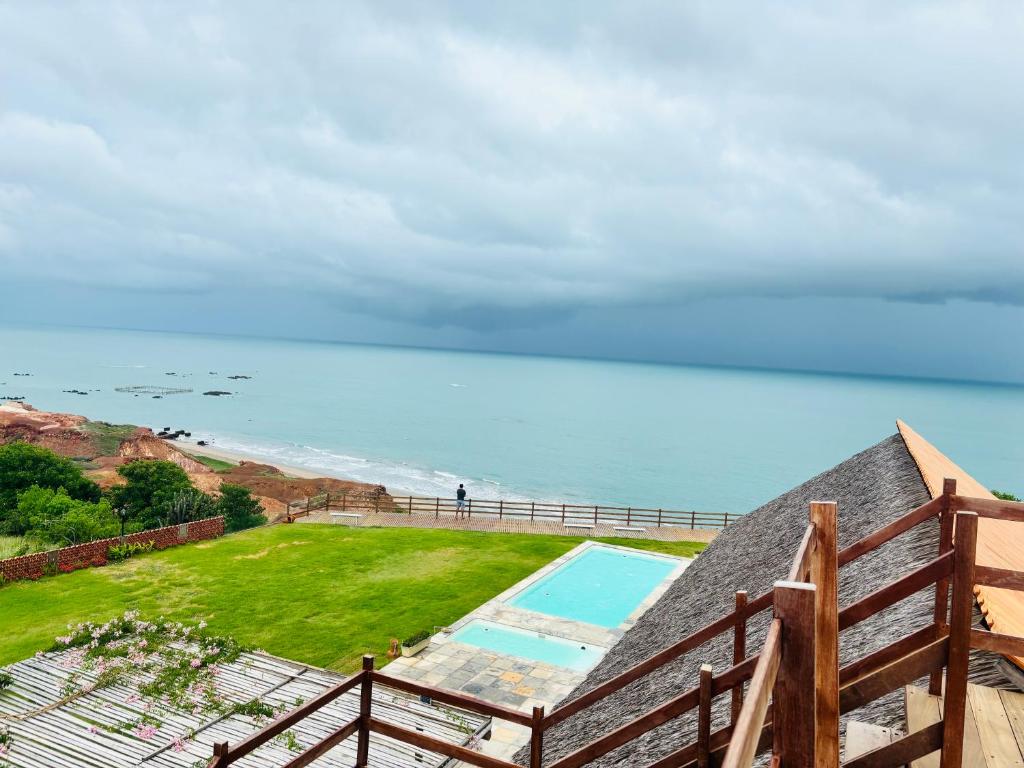
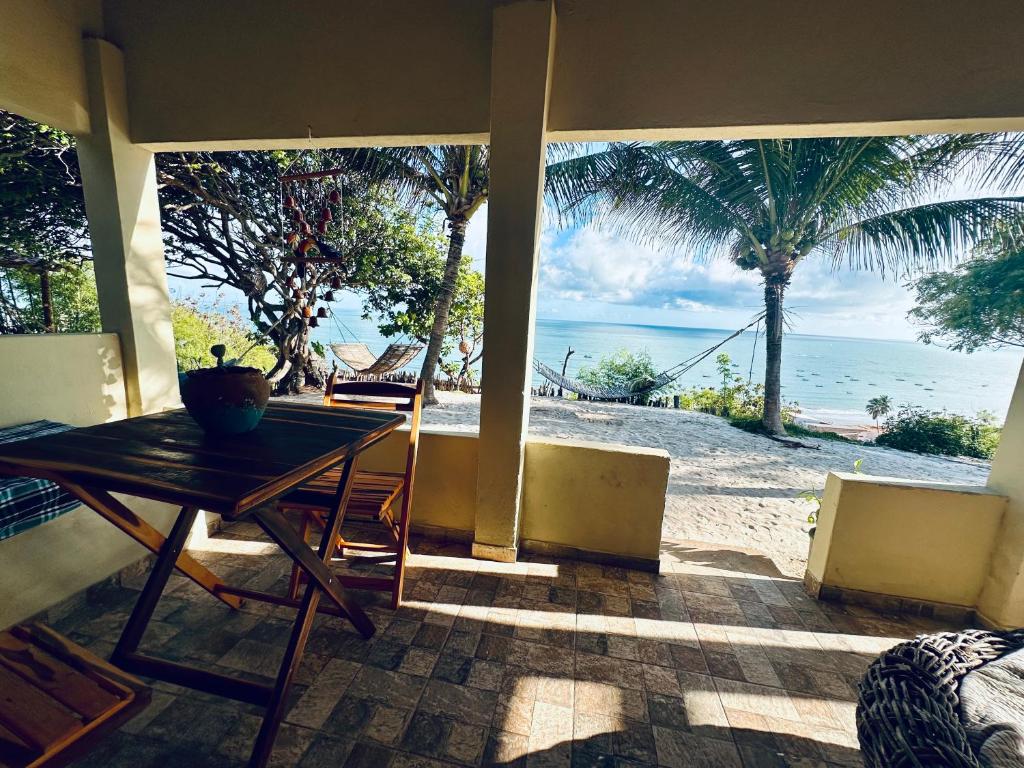
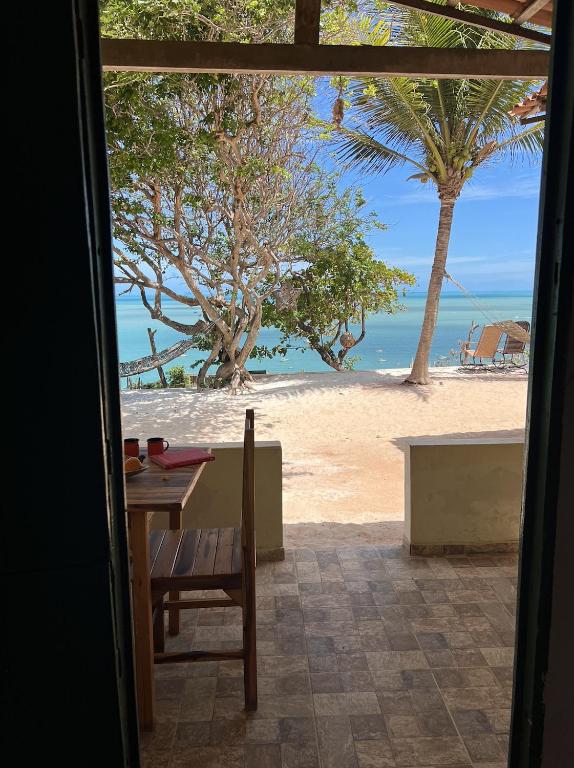
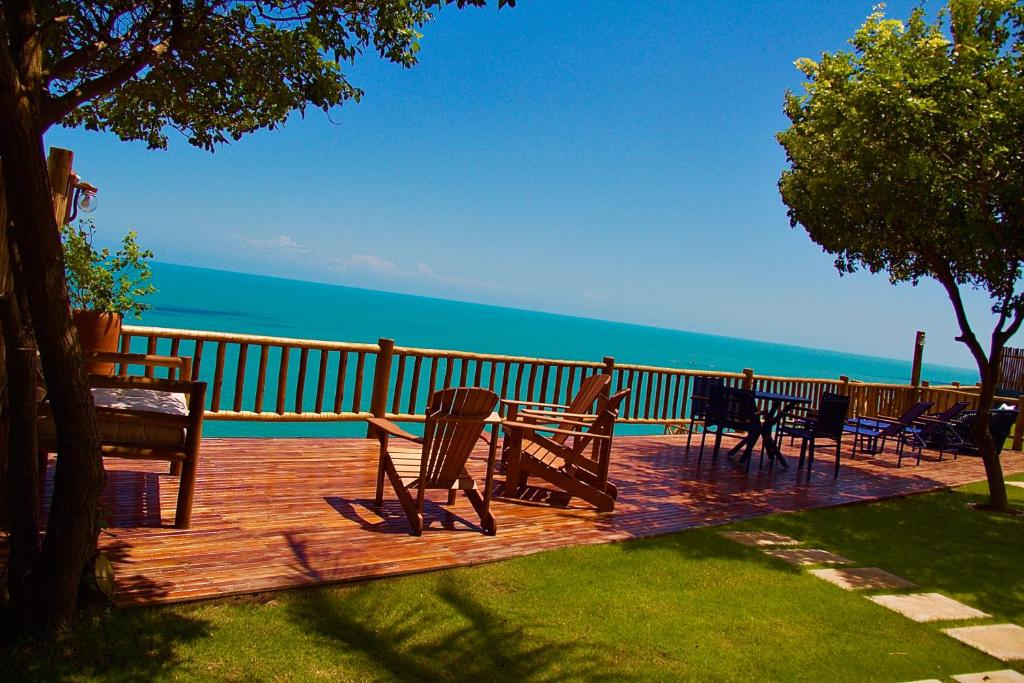
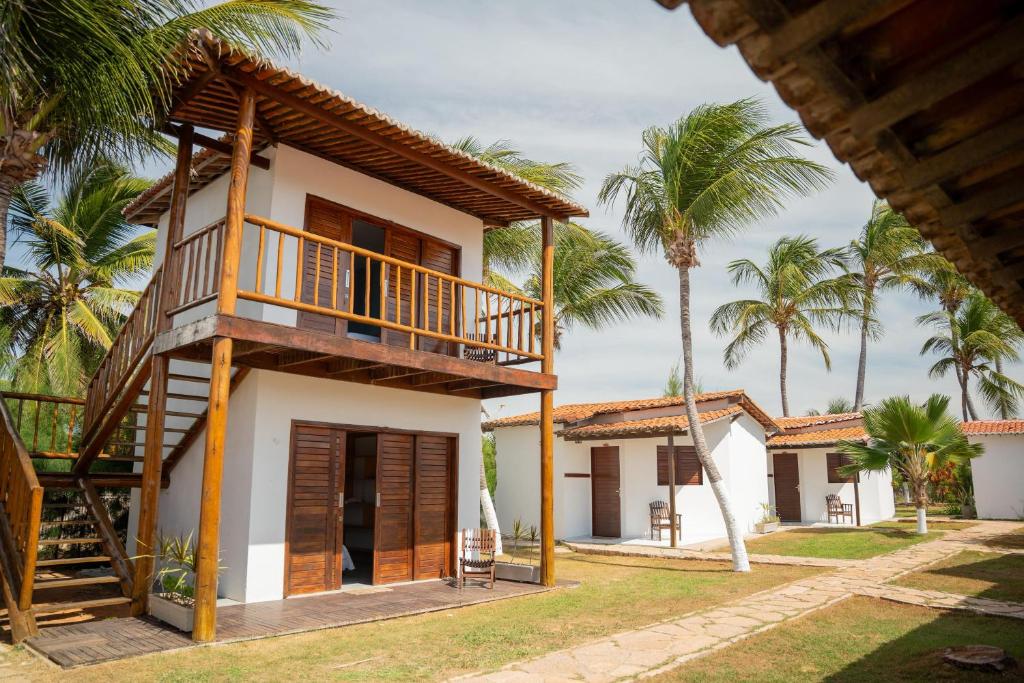
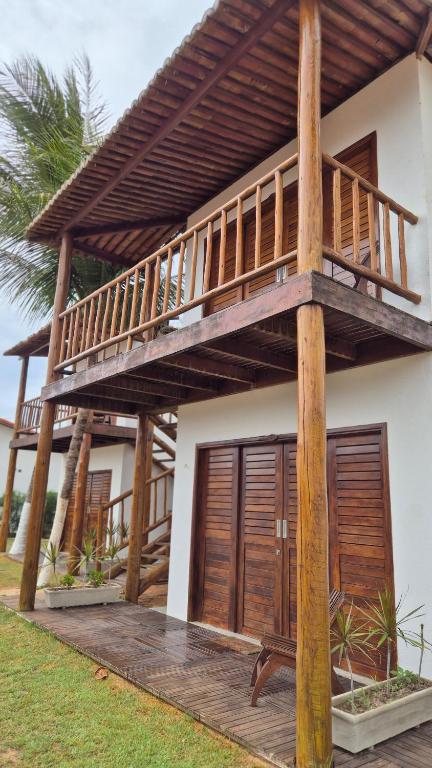
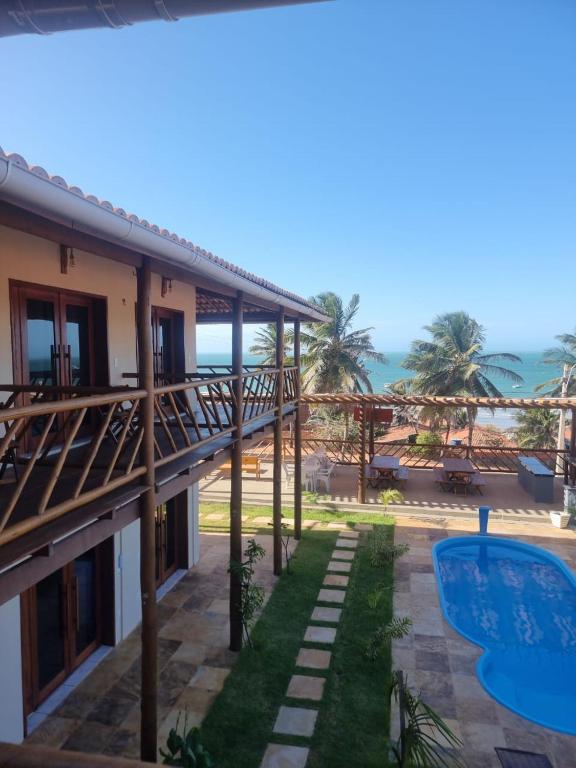
Tremembé sits farther east, with beachfront inns and a different final road journey. Choose your beach before comparing rooms: an impressive coastal photograph may hide a staircase, and an address marked Icapuí can be far from the municipal town. The reward is a slower stay shaped by fishing boats, seafood and changing tides.
Common questions
Which part of Icapuí is best for a first stay?
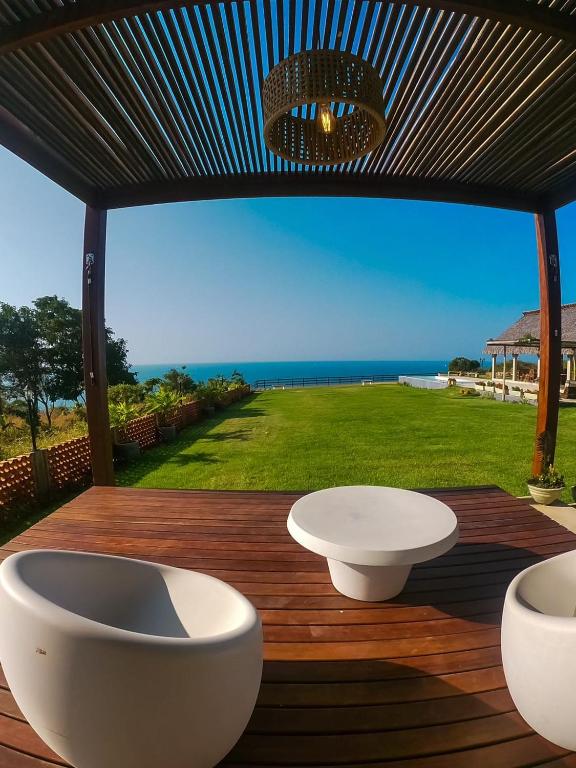
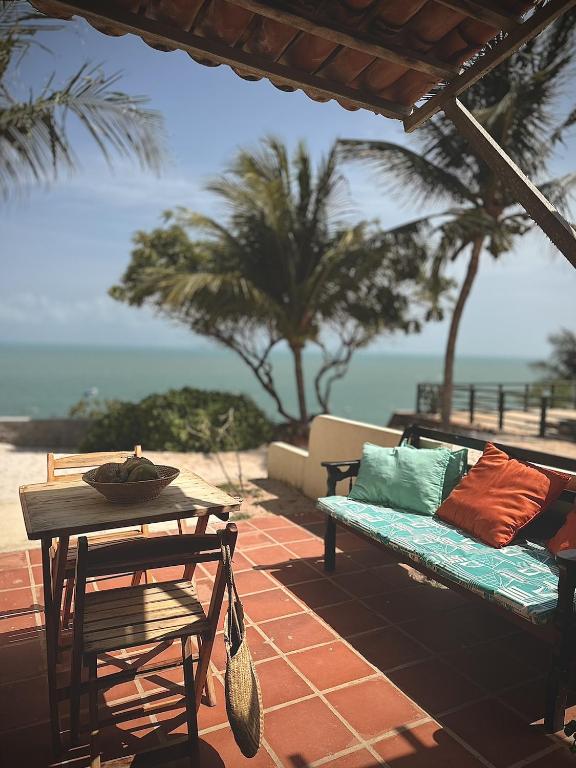
Redonda is a useful starting point for its fishing-village atmosphere and local dining choices. Choose Picos or Peroba when the room, terrace and coastal view are central to the trip, or Tremembé for a stay beside the sand farther east. Icapuí's roughly 64-kilometre coast contains separate communities, so compare actual hotel entrances and road distances rather than treating the municipality as one walkable resort.
How do I arrive from Fortaleza or Mossoró?
Fortaleza is a practical air gateway, roughly 200 kilometres by road from Icapuí via routes such as CE-040 and CE-261; the final distance depends on your chosen beach. Mossoró can be a nearer regional option, especially for the eastern coast, if flights suit both your arrival and return dates. Send the driver the accommodation's exact road entrance and confirm the last approach rather than relying on a beach pin.
Can I stay without hiring a car?
Yes, if you choose one village and arrange your arrival, departure and occasional outings in advance. Local directions describe buses from Fortaleza towards Icapuí or Aracati, but these are different drop-off points: check the current operator and stop, then book the remaining transfer. For another beach or an ecological visit, arrange the return as well as the outward journey instead of relying on an available ride-hailing car.
When is the drier season?
Monthly climate averages show wetter conditions from January to May, with March and April the rainiest months, and a much drier period from August to November. Temperatures stay warm, while wind and sea conditions can still change the day's plans. In wetter months, ask about the last stretch of the access road and keep an outdoor excursion flexible; these seasonal patterns are not a forecast for a particular week.
How do tides affect beach days and walks?
The useful swimming area, exposed sand and boat departure point can change with the tide. At Requenguela, water retreats far across tidal flats, so arrange local guidance for a mangrove outing and avoid walking out across distant exposed areas alone. Ask about currents, fishing-boat movements and the day's conditions at your chosen beach. Leave space from cliff faces and avoid treating every picturesque cove as equally suitable for swimming.
Is the mangrove boardwalk open, and where can I learn about the coast?
The municipality currently marks Passarela do Mangue as temporarily closed, despite older pages still describing visits. Check for a reopening update or permitted guided alternatives before travelling there. At Praia de Picos, Aquasis's Centro de Visitantes Banco dos Cajuais introduces shorebirds, coastal habitats and marine-manatee conservation; confirm its opening arrangements directly and allow a separate outing for any wildlife observation.
Can I see manatees in Icapuí?
The municipality lists guided boat observation and a manatee acclimatisation site at Peroba, but sightings are never guaranteed. Ask a responsible local operator whether the outing is currently permitted, how it follows the tide and how distance from animals is maintained. Do not touch, feed or pursue wildlife, and leave acclimatisation areas undisturbed. A visit to the Picos interpretation centre does not include entry to acclimatisation or rehabilitation facilities.
What should families and travellers avoiding stairs check?
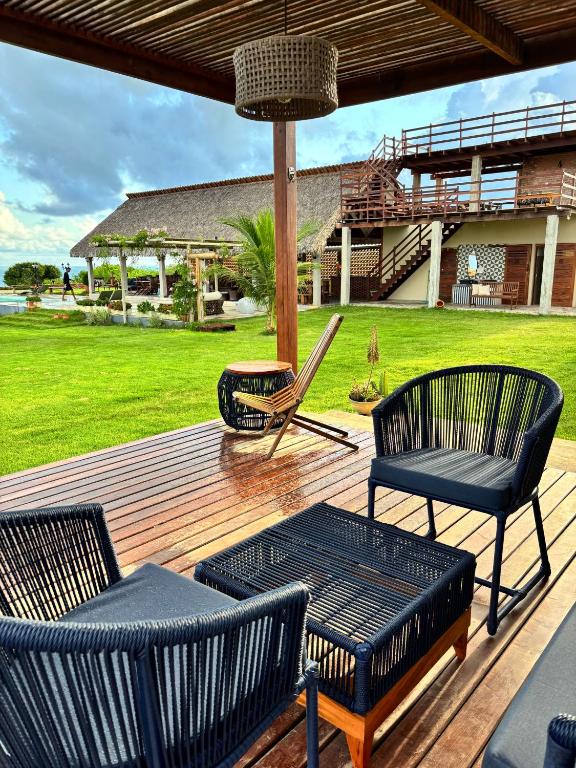
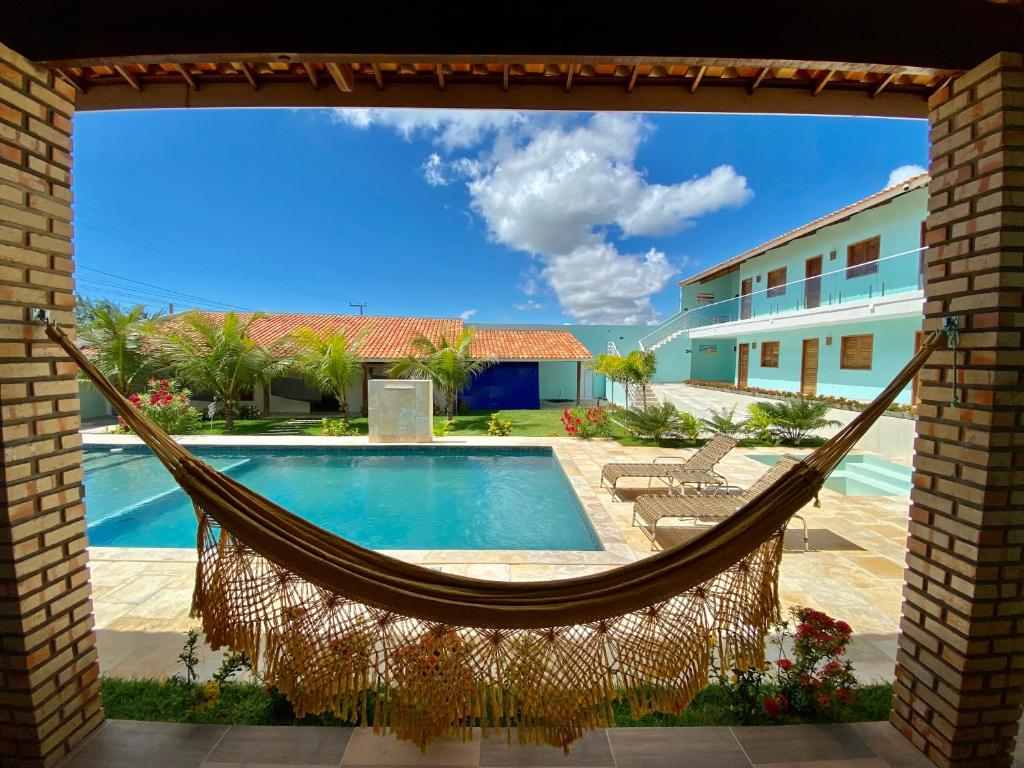
Ask for the full route from the car to the room, restaurant, pool and beach, since a ground-floor room can still sit high above the sand. Confirm sleeping arrangements, air conditioning, the child policy and any cot or extra-bed availability for the exact category. Arrange dinner ahead of a late arrival, and ask about alternatives to seafood or specific dietary needs; small coastal kitchens do not all offer the same menu or hours.
How many nights should I allow, and what should I confirm when booking?
Three or four nights is a useful starting plan for a quiet beach stay plus one ecological outing; a longer visit allows more time without moving between villages every day. Keep the excursion day flexible for tide and weather. Before booking, check the room's actual view and cooling, beach access, meal arrangements, cancellation conditions and the road transfer for both ends of the trip.
Prices are set by the booking site. We may earn a small fee, at no cost to you.