About Capurganá and Sapzurro
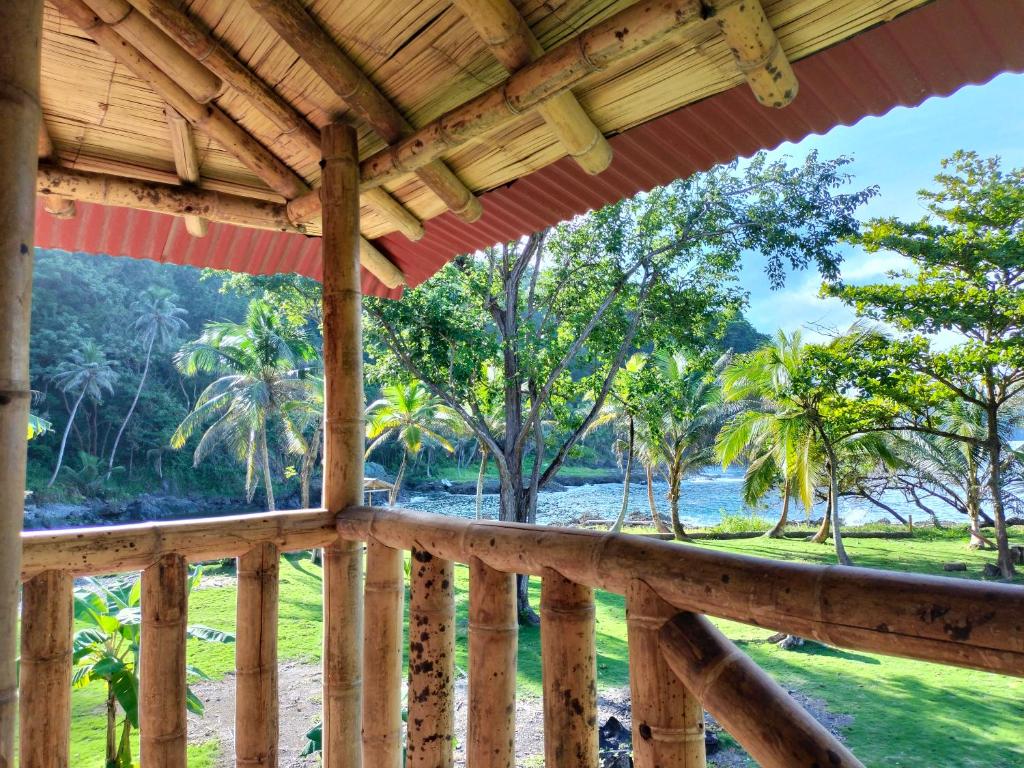
Capurganá sits between the Caribbean shore and the forested foothills of the Darién, with a small village, nearby coastal paths and bays reached by boat. The lodging choice changes the rhythm of the trip: stay around the village for restaurants and boat arrangements, on the El Aguacate shore for time at a coastal lodge, or in Sapzurro for a separate village-and-bay setting.
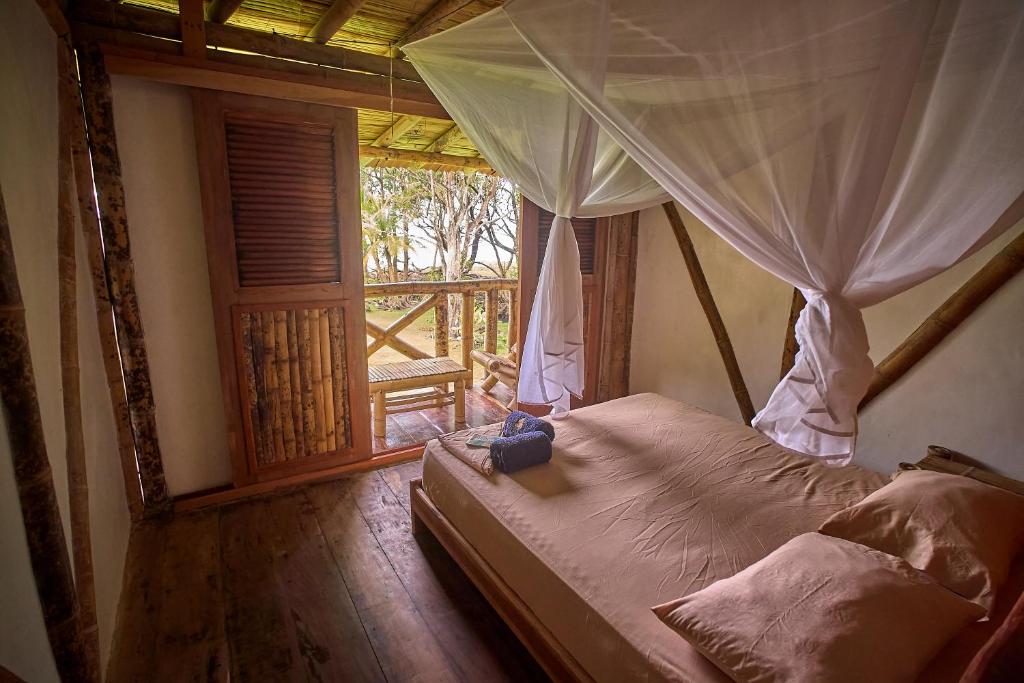
These are connected places, but they are not one continuous promenade. Flights, mainland crossings and the final landing need to fit the actual accommodation, while a room advertised within a cabin or guesthouse still needs its own bathroom and cooling check.
Common questions
Which setting is best for a first stay?
Capurganá village is the simplest starting point if you want restaurant choice, supplies and help arranging departures close at hand. Choose El Aguacate when you are happy to organise meals at a shore lodge and make town visits deliberately, or Sapzurro when its separate bay and village are central to the trip. Before booking, compare the complete arrival from the main boat or airport to the room, rather than treating all listings labelled Capurganá as central.
How many nights should I allow?
Four nights in one base leave useful time for the village and coast, a forest walk and a sea outing, with room for arrival and changing weather. Five or six nights make more sense if you want to split between Capurganá and Sapzurro or an El Aguacate lodge. Avoid filling every day with a fixed boat connection, and leave a sensible buffer before an important onward flight.
How do I reach Capurganá by air or sea?
SATENA currently advertises flights from Medellín's Olaya Herrera airport to Acandí's Alcides Fernández airport, followed by a separately arranged boat to Capurganá. Direct Capurganá charters may be available, but confirm the actual operator and departure before building the itinerary; Olaya Herrera is not Medellín's José María Córdova airport in Rionegro. Mainland boats also connect from Necoclí and Turbo: a local operator's arrival guide estimates the Necoclí crossing at about an hour and a half, with sea conditions, boarding and the final hotel connection affecting the total.
How do I move between the village, El Aguacate and Sapzurro?
Walk around the village, then arrange coastal boats for the other bays and confirm the return with the operator. Official tourism guidance gives El Aguacate about ten minutes by boat or an hour and a half on foot from Capurganá, but the exact lodge landing and conditions matter more than that broad estimate. Reserve the whole arrival sequence, ask about the baggage allowance and protect bags from spray; do not assume a main-village ticket includes a private hotel transfer.
When is the weather most suitable for a stay?
Historical rainfall records for the Acandí area support December–March as relatively less rainy and April–October as generally wetter, with showers possible throughout the year. Capurganá is warm and humid, so bring light clothing, sun protection and something for rain, with footwear that can manage wet paths. Less rain does not guarantee a smooth sea crossing: check the current DIMAR forecast and keep water activities flexible.
Can I swim, snorkel or dive from any shore?
Choose the actual site with a local operator and ask about waves, currents, visibility and your experience level before entering the water. A sheltered-looking bay or a natural rock pool can still be affected by surf, and a beach hotel does not guarantee suitable swimming that day. For boat outings, DIMAR advises authorised operators, enabled piers and lifejackets throughout the trip; agree on the return, keep away from moving boats and avoid touching or standing on coral.
Which walks should I plan, and how demanding are they?
The forest route between Capurganá and Sapzurro climbs to a viewpoint and is described by official tourism guidance as roughly two hours, so treat it as a walk rather than a luggage transfer. El Cielo is a separate forest-and-stream outing, while La Coquerita follows the nearby coast over uneven ground. Ask locally about the chosen route, rainfall and return before setting out, and consider a local guide if you want help with navigation or wildlife; none of these descriptions promises that every path or bathing spot is open.
What can I do without a full expedition?
Take time around Capurganá's pier, chapel, village lanes and main shore, then plan a shorter coastal walk according to the conditions. Sapzurro can be a separate day outing by boat, with time for the village, a meal and the bay before the agreed return. If you are staying in El Aguacate, allow an unhurried day at the lodge and shore rather than assuming every day needs a distant excursion.
What food should I try, and how should I arrange meals?
Local meals commonly feature fish or seafood with coconut rice and plantain, including patacones, the flattened fried plantain served alongside many Caribbean dishes. Village restaurants offer more choice on foot, while a coastal lodge may make its own kitchen central to the stay, so arrange dietary needs and meal times before arrival. Check which meals your rate includes and whether any cooking facility is shared; a cabin, balcony or dining table does not imply a private kitchen.
What room and practical details should I check?
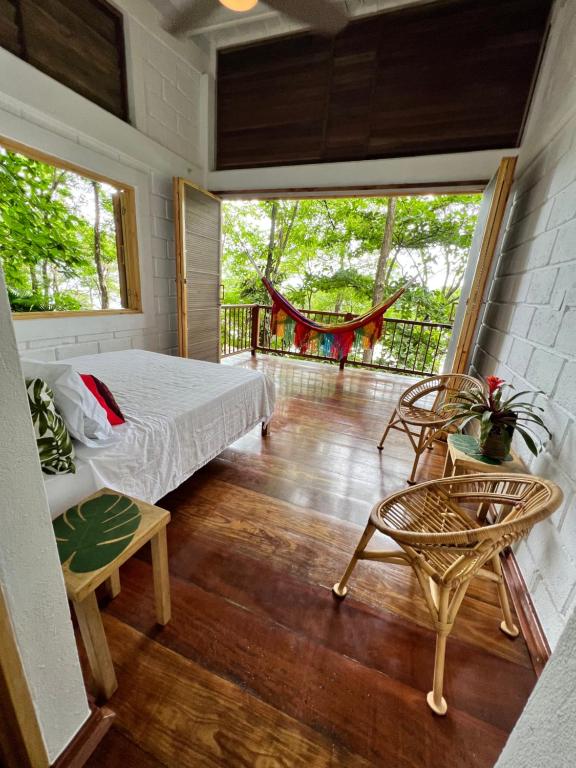
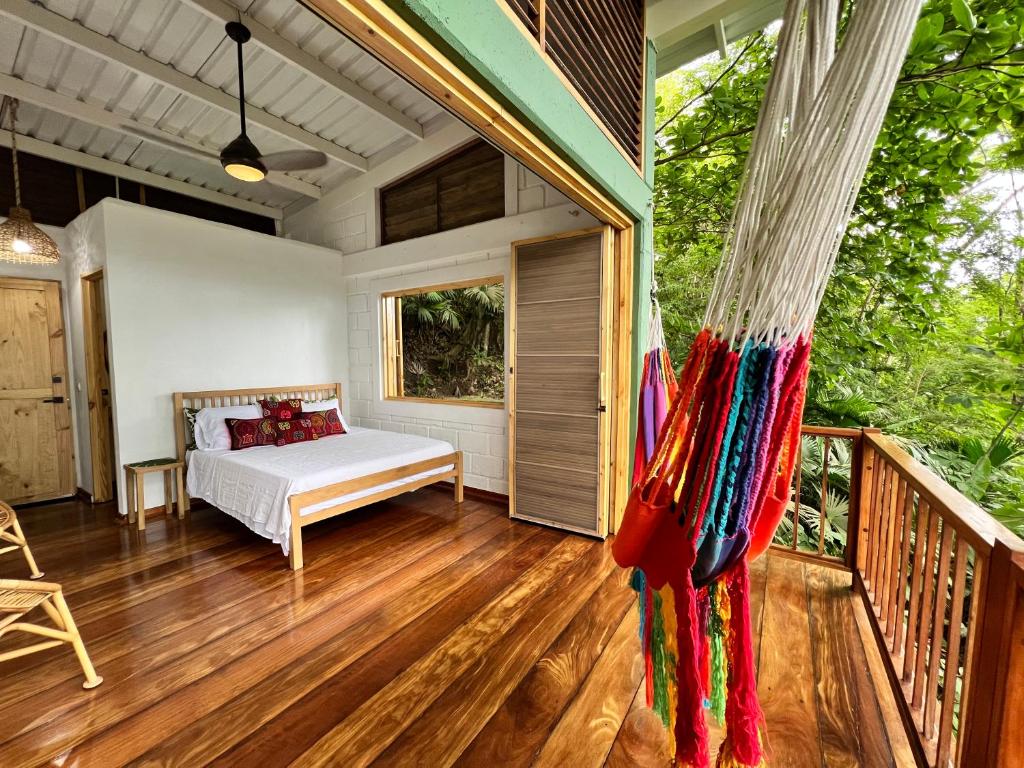
Select the exact private-bath category, then confirm fan or air conditioning, shower-water temperature, steps and permitted ages for your party. Family rooms can put several beds in one sleeping space, and solar backup for lights and fans does not mean every appliance will run through a power cut. Bring planned cash, confirm the property's payment method and charging or internet arrangements, and ask about luggage help rather than assuming the same facilities at a village room and an outer shore lodge.
Prices are set by the booking site. We may earn a small fee, at no cost to you.