About Vukovar
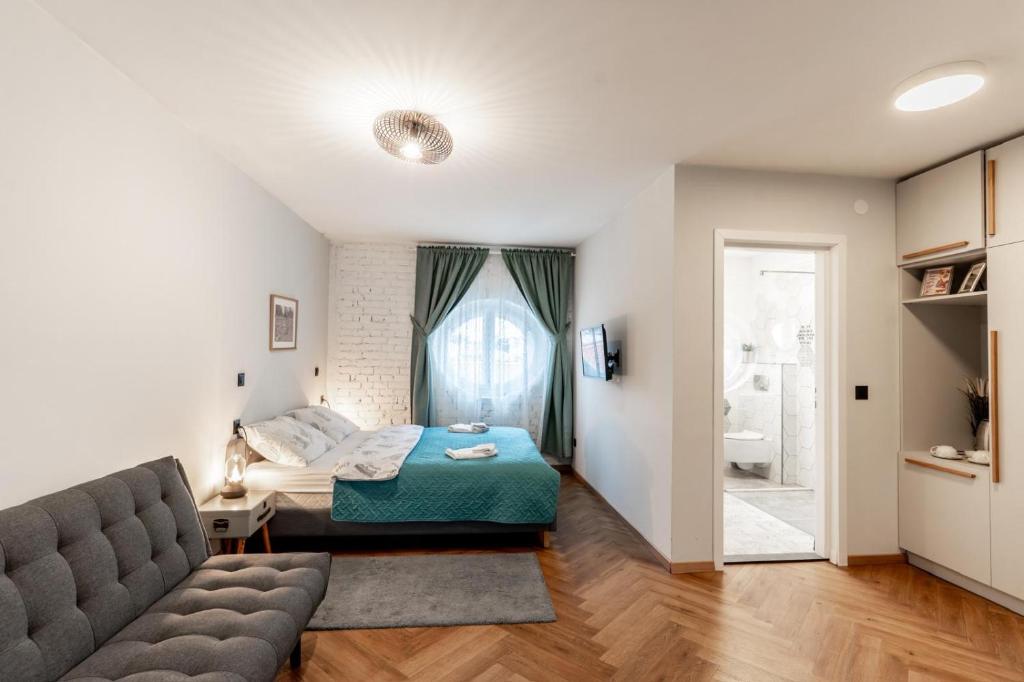
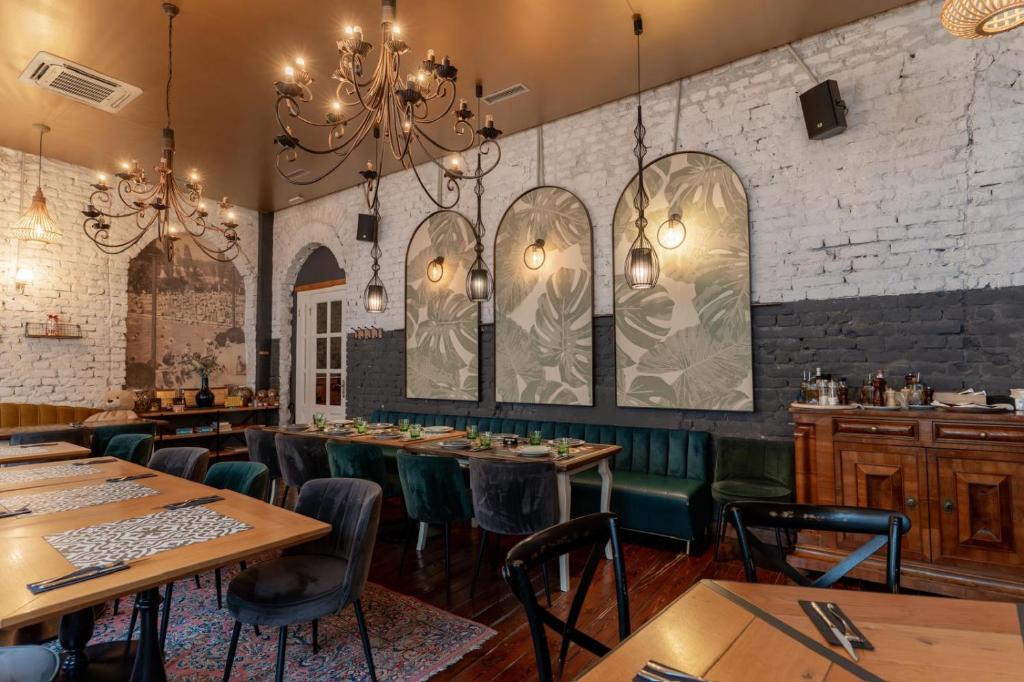
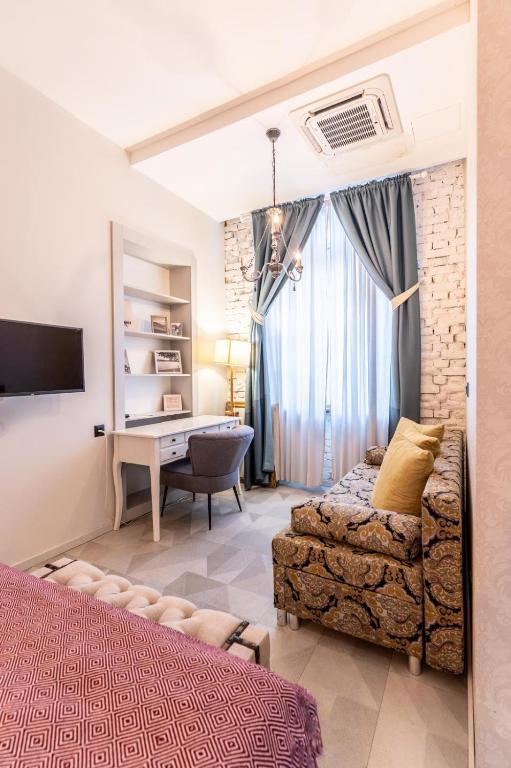
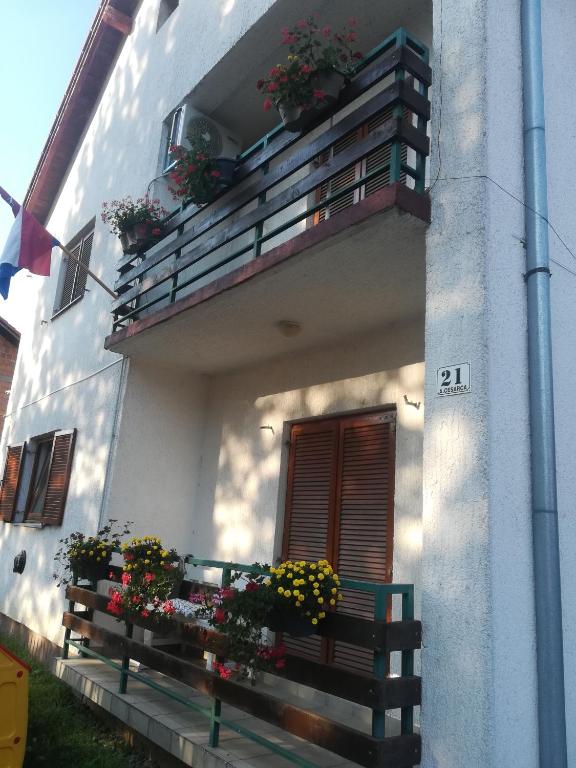
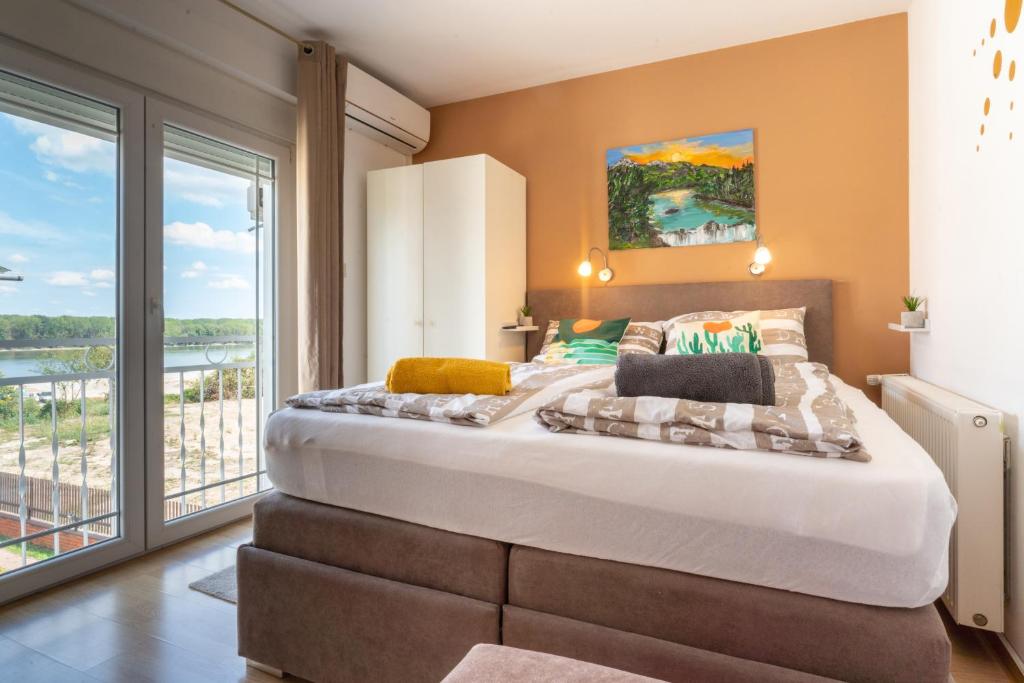
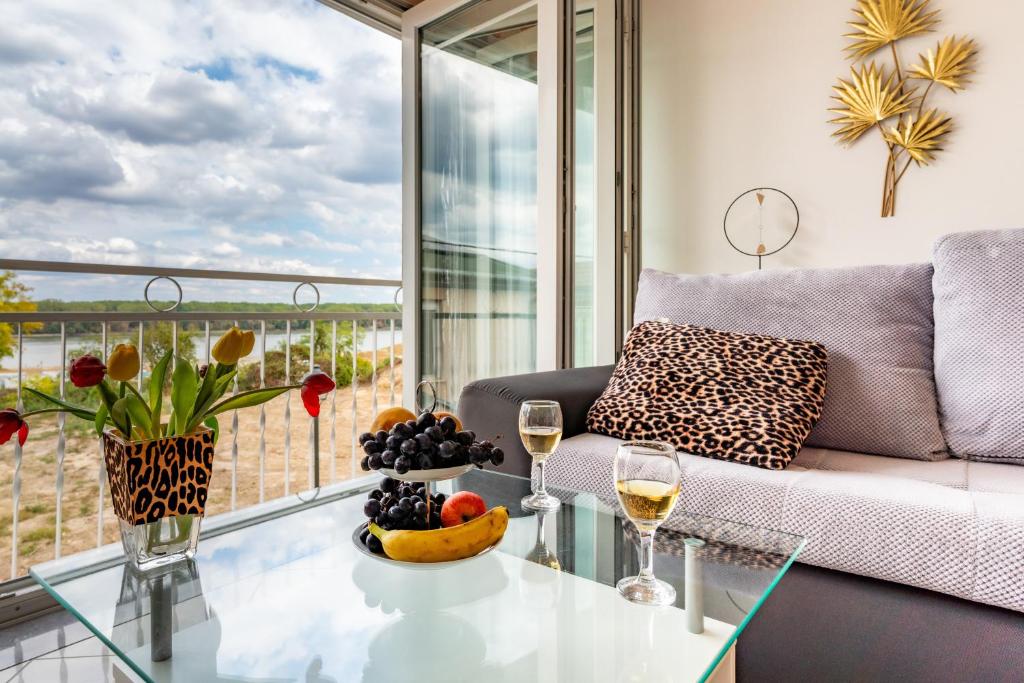
Vukovar brings together a baroque riverfront, the meeting of the Vuka and Danube, and places that explain the city’s recent history. Staying overnight gives its museums and memorials room to breathe, with a café or riverside walk between visits. The historic centre suits a first stay on foot; Sajmište and Mitnica offer apartments towards the Water Tower and memorial routes.
Priljevo and the northern approaches work better when parking or railway access shapes the trip. Allow two or three nights to include Eltz Palace, the outlying Vučedol Culture Museum and a quieter walk through Adica Forest Park.
Common questions
How many nights should I spend in Vukovar?
Two nights allow a full day for Eltz Palace, the central streets and one memorial visit, with time beside the rivers afterwards. Three nights make it easier to add the Vučedol Culture Museum and Adica without squeezing several substantial exhibitions into one day. A short overnight stop still works, but choose which part of the city’s history you most want to understand before planning the route.
Can I visit Vukovar without a car?
The centre is a workable base without one: the bus station is on Olajnica, while rail services connect Vukovar with Vinkovci. The main Vukovar railway station is at Priljevo 2, and Borovo is a separate station, so match your ticket with the correct arrival point. Check the current timetable and arrange the final transfer; Vučedol, Ovčara and accommodation farther north are separate journeys from the central walking circuit.
How do the two main museums differ?
The City Museum occupies Eltz Palace and covers the region’s archaeology, everyday life and more recent history in a restored historic setting. The Vučedol Culture Museum, outside the centre, focuses on the prehistoric Copper Age culture through subjects such as pottery, metalworking, houses and calendars. Both normally close on Mondays; check holiday arrangements, ask about the VUseum Pass if visiting both, and reserve guided group visits in advance.
How should I plan the memorial visits?
The hospital exhibition, Homeland War Memorial Centre, Memorial Cemetery and Ovčara tell different parts of the story of 1991. They are not all beside each other, so group visits by location and leave time between exhibitions rather than collecting stops quickly. The material can be emotionally demanding; families should choose what suits their children, and guided visits or group access should be arranged with the relevant venue.
What should I know before visiting the Water Tower?
The Water Tower combines a memorial visit with a viewpoint over the city and river. Access includes stairs and a lift, but check current arrangements and any mobility requirements with the venue before relying on a particular route. Keep children supervised and allow time for the memorial element as well as the view; it fits naturally with the southern side of the city.
Where can I take a break outdoors?
The central Vuka and Danube promenades suit a short pause between indoor visits. Adica Forest Park is roughly two kilometres from the centre, with paths through mature woodland around the Vuka and simple outdoor exercise equipment. Take shoes suited to a woodland walk, check the weather and plan the return; this is a different outing from the riverfront, not another exhibition to rush through.
Does November change the visit?
The days around 18 November bring major remembrance events, with the main procession and temporary traffic restrictions affecting streets through the city. Confirm the year’s arrangements with your accommodation and the official notices before choosing an arrival route or parking place. Museum commemorative programmes can add context, but leave flexibility for crowds, altered access and the respectful atmosphere of the occasion.
Prices are set by the booking site. We may earn a small fee, at no cost to you.