About Županja
Županja is a small Slavonian town on the Croatian bank of the Sava, close to the A3 motorway and the crossing to Bosnia and Herzegovina. Staying here turns a driving break into an evening by the river, a visit to the wooden frontier watchhouse and a meal rooted in local traditions.
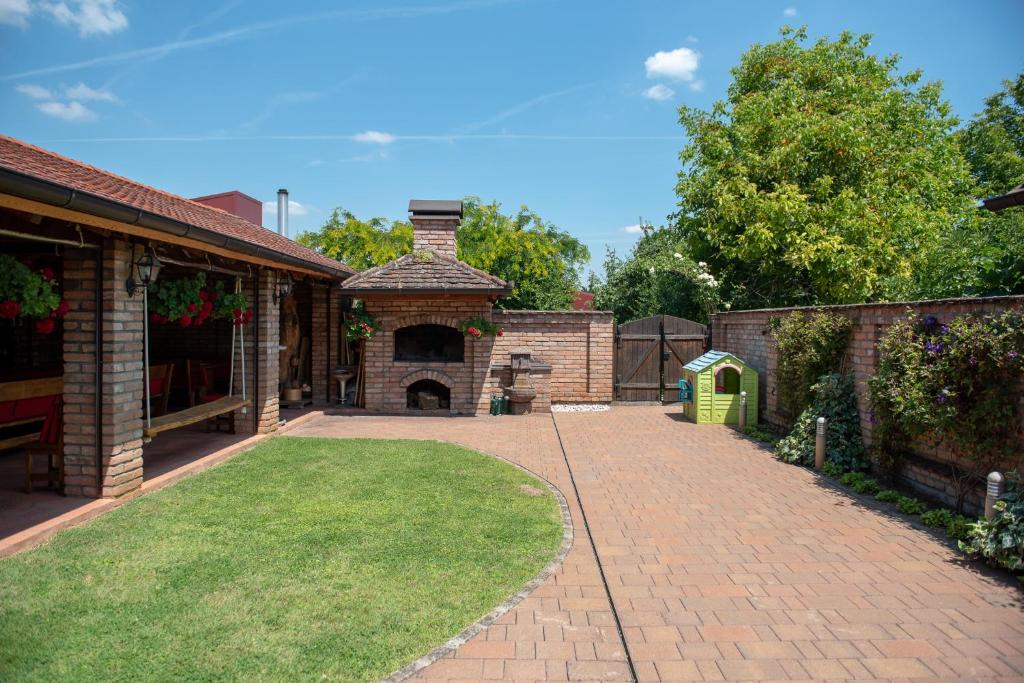
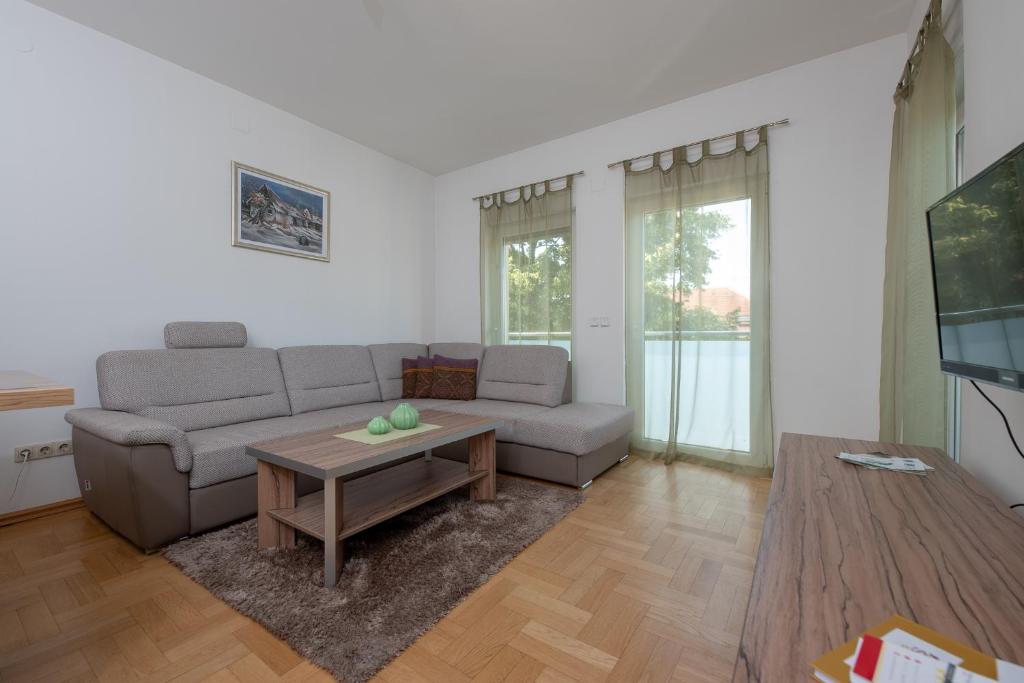
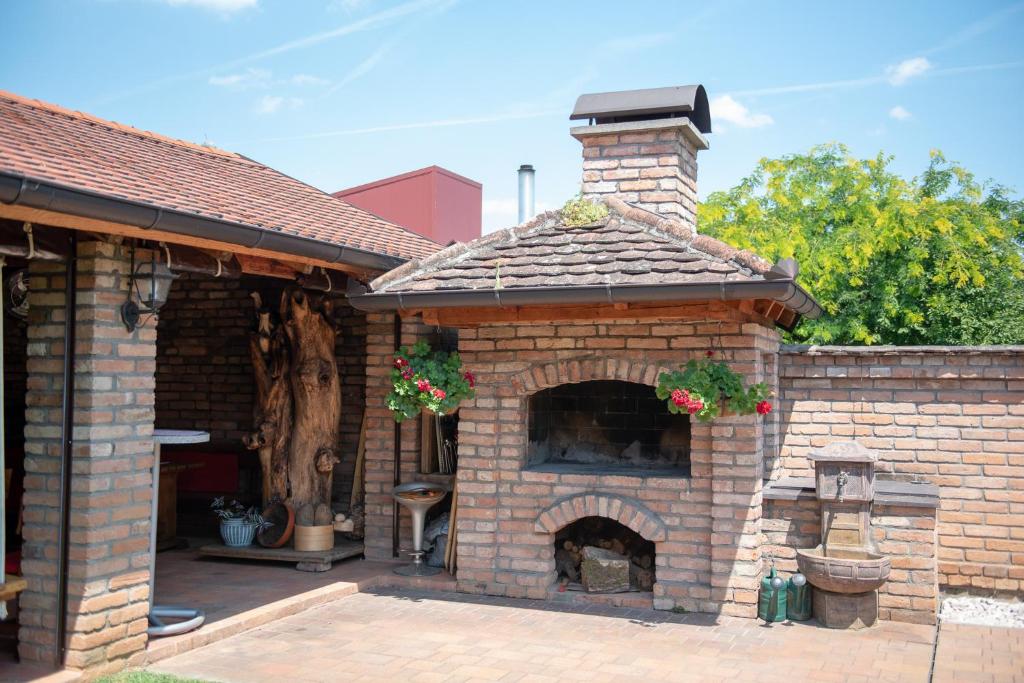
Most of the appealing accommodation is in apartments and family houses, so the exact street and layout matter more than a hotel district. Choose the centre for cafés and heritage, the residential streets for self-catering, the northern approach for an onward journey, or Štitar for a village house and slower mornings.
Common questions
Why stay in Županja, and how many nights are useful?
One night makes a pleasant break from the A3 journey, with time for a meal and a walk beside the Sava. Two nights let you add the town museum, a village-house morning or the Forestry Museum in Bošnjaci without rushing. A festival visit can justify longer, but book around the actual programme. If arriving late, leave the museum for a confirmed opening the following day rather than assuming every attraction will fit between arrival and departure.
Can I arrive without a car?
Coaches connect Zagreb and other cities with Županja, and local trains run from Vinkovci. Check the date-specific timetable, including weekend and holiday differences. FlixBus lists both the station at Zagrebačka 14 and the separate Šećerana stop on Josipa Jurja Strossmayera; your ticket determines which one to use. The central streets and riverfront suit walking, while Štitar, Bošnjaci and farther residential addresses are easier with a car or an agreed taxi or pickup.
What should I see in the town itself?
Start with Županja City Museum at Savska 3, also known by its former Stjepan Gruber name. Its Čardak and Agencija buildings stand beside the Sava and connect the visit with the town’s frontier and local history. Confirm current visiting days, holiday closures and guided visits with the museum. The football monument in the centre recalls another local story, while Veliki kraj and the river embankment make a straightforward walking route between indoor stops and cafés.
How do I combine the Sava with Bošnjaci’s forest heritage?
The embankment promenade runs from the Sladorana side towards the Čardak and onward in the direction of Poloji, giving walkers and cyclists a clear riverside route. Choose a section for the weather and current riverbank conditions. In nearby Bošnjaci, the Forestry Museum explains the Spačva oak forests through tools, timber work and local natural history. Its operator requires visits to be arranged in advance, so make the appointment before driving over. This indoor collection works well alongside a separate riverside walk.
What local food should I plan around?
Goose paprikaš is a Županja speciality associated with the traditional harvest and threshing season. River-fish dishes, including fiš-paprikaš, also belong to the Sava dining scene. Ask what is actually being prepared and whether a particular dish needs advance notice, especially for a group. A village-house breakfast can be part of the stay, but confirm the meal arrangement for your booking. Self-catering works well for an early departure, when a restaurant breakfast may not match your journey.
When is the town most rewarding?
Šokačko sijelo brings costumes, folk music, horse traditions and carnival events before Lent; the 2026 edition ran in February, and future dates should be checked individually. July’s harvest-and-threshing programme gives another reason to time a visit. Spring and autumn can suit a quieter walking break, while summer favours courtyards and any operating pools. In colder months, prioritise heating and the museum’s actual opening days. Event evenings can change parking and the atmosphere around a central room.
Should I book a stay across the river in Orašje?
Orašje is in Bosnia and Herzegovina, while Županja is in Croatia. They are connected by an international border crossing, so the opposite bank is a different arrival plan even when a property looks close on the map. Choose the bank that suits your evening and onward route, allow for border formalities and possible queues, and check HAK’s current crossing information before travelling. A river view does not make a cross-border dinner or hotel transfer as simple as crossing a town bridge.
What should families and overnight drivers check in the accommodation?
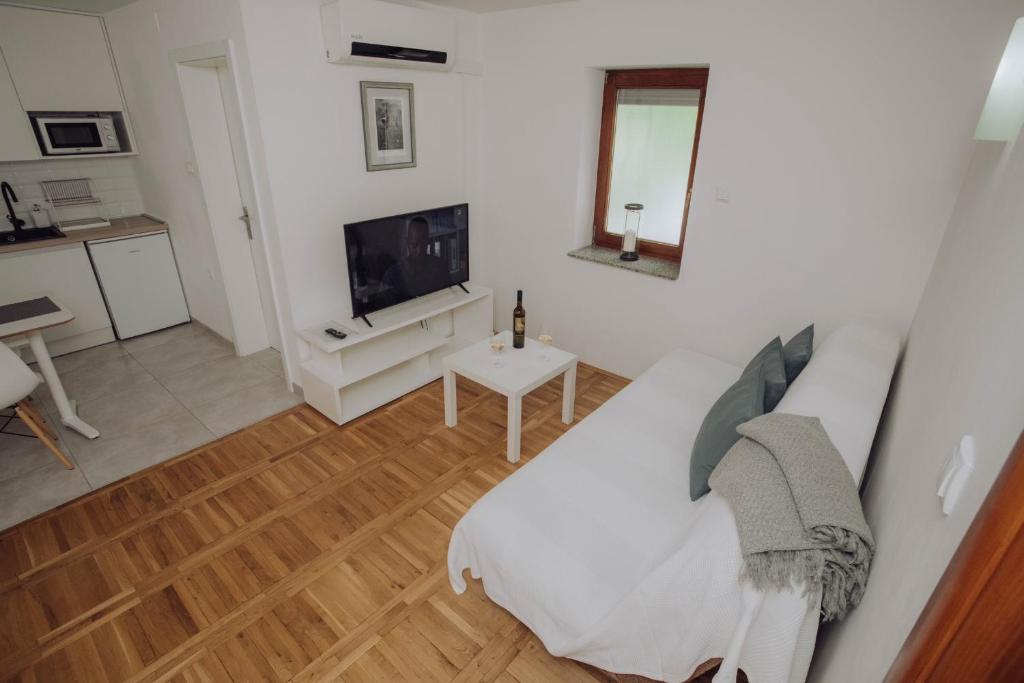
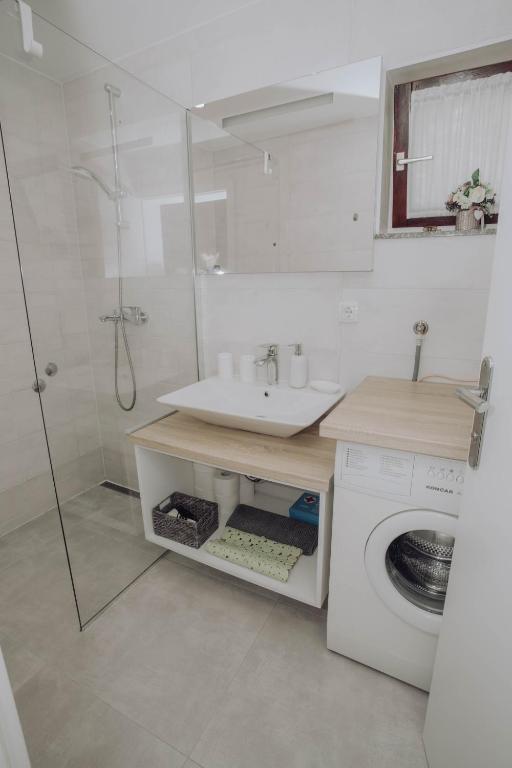
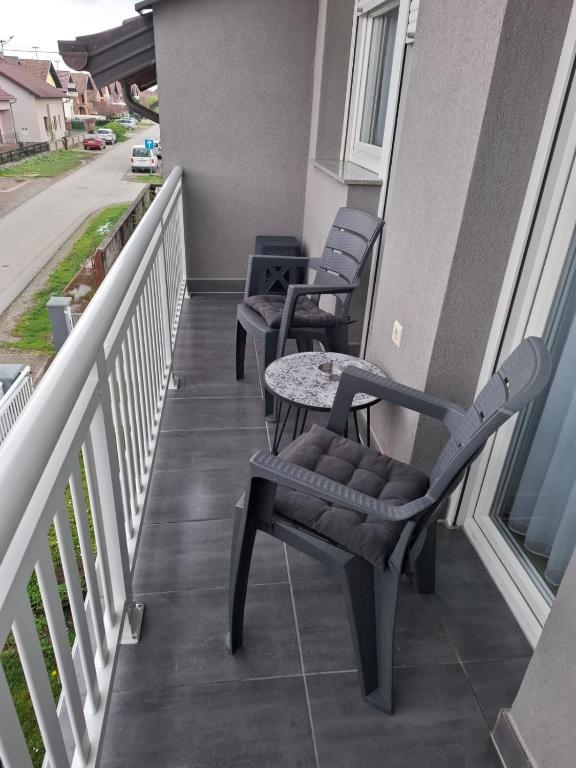
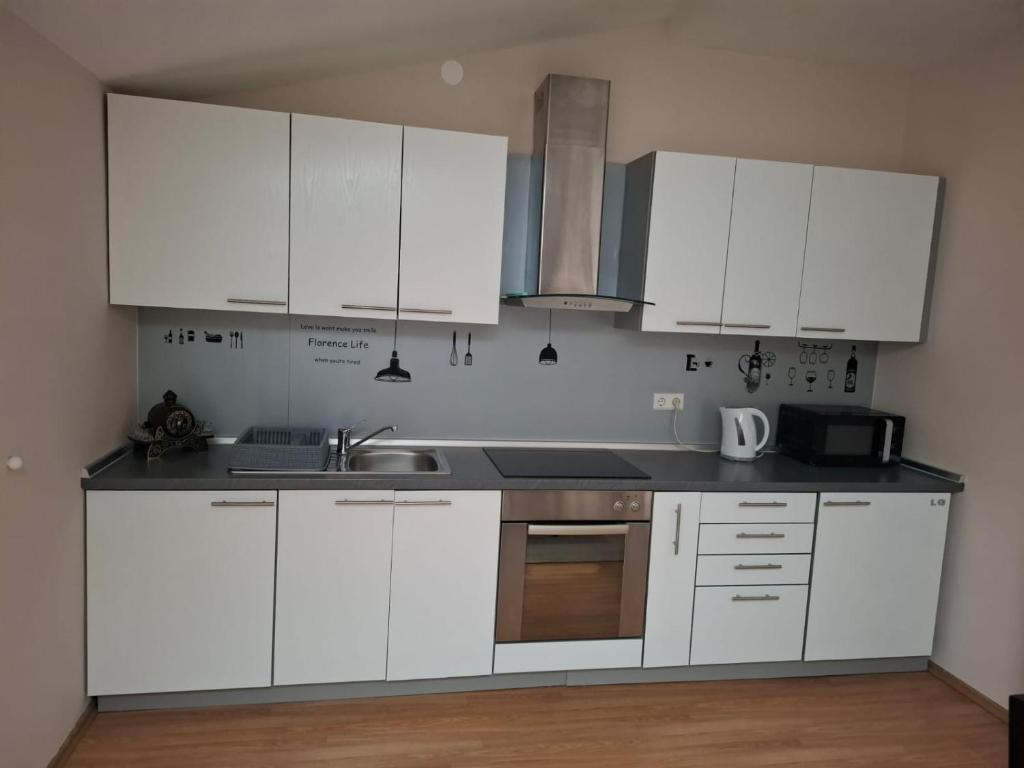
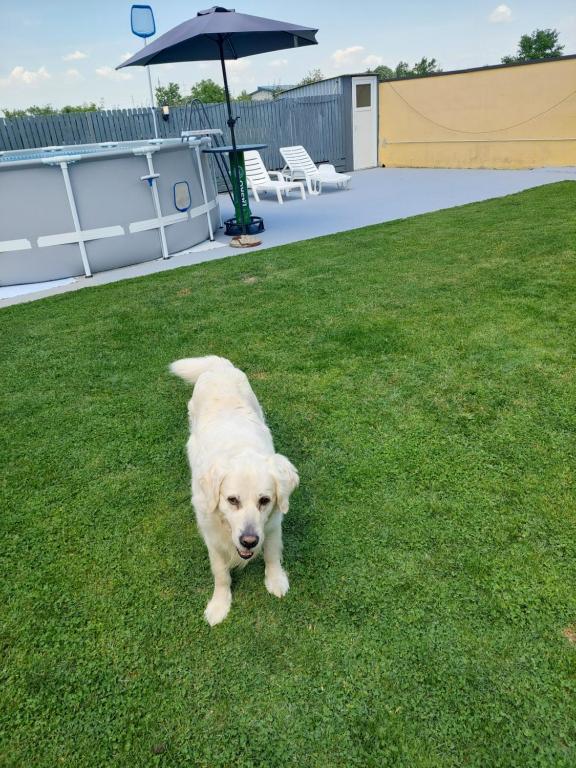
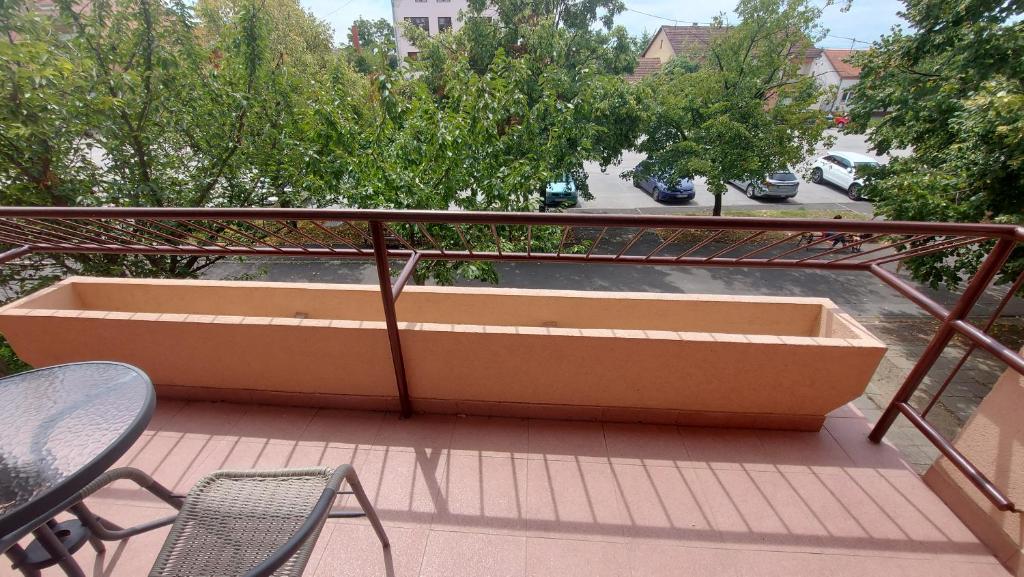
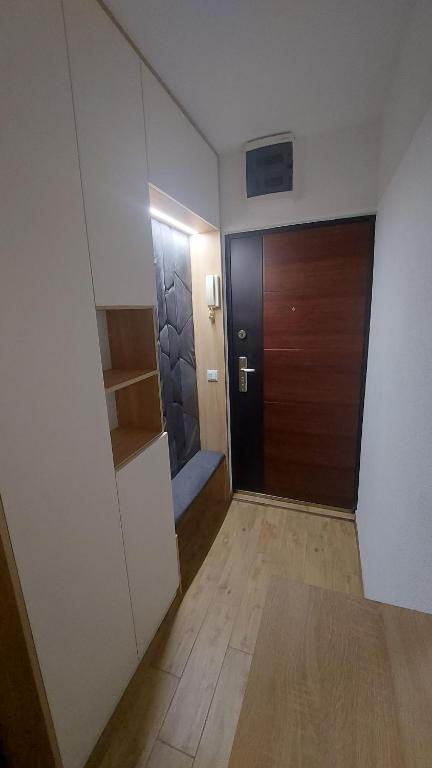
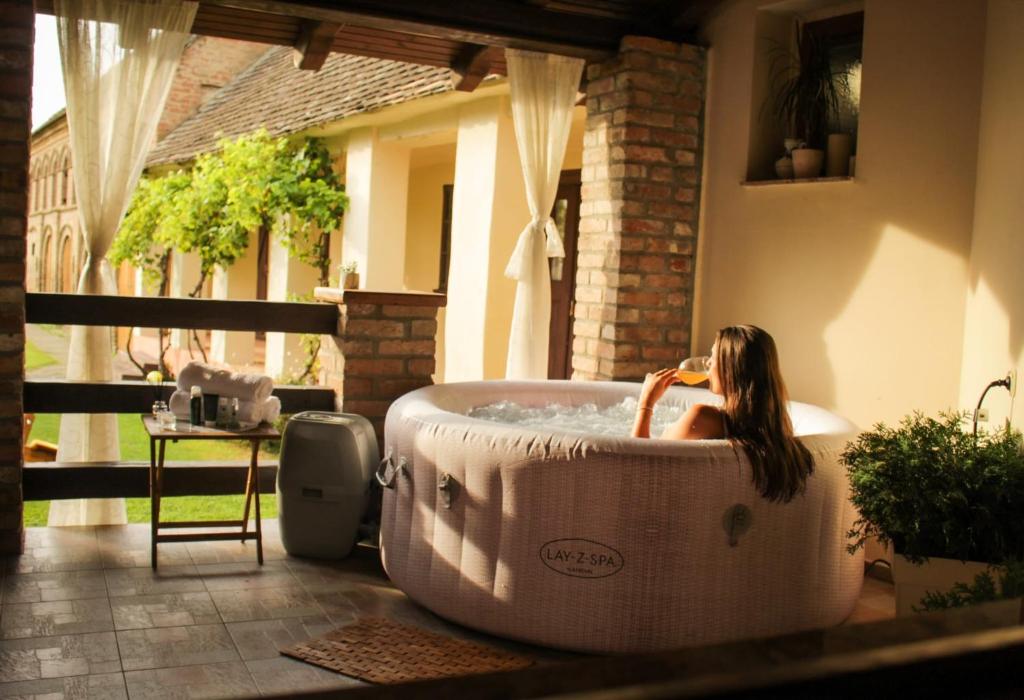
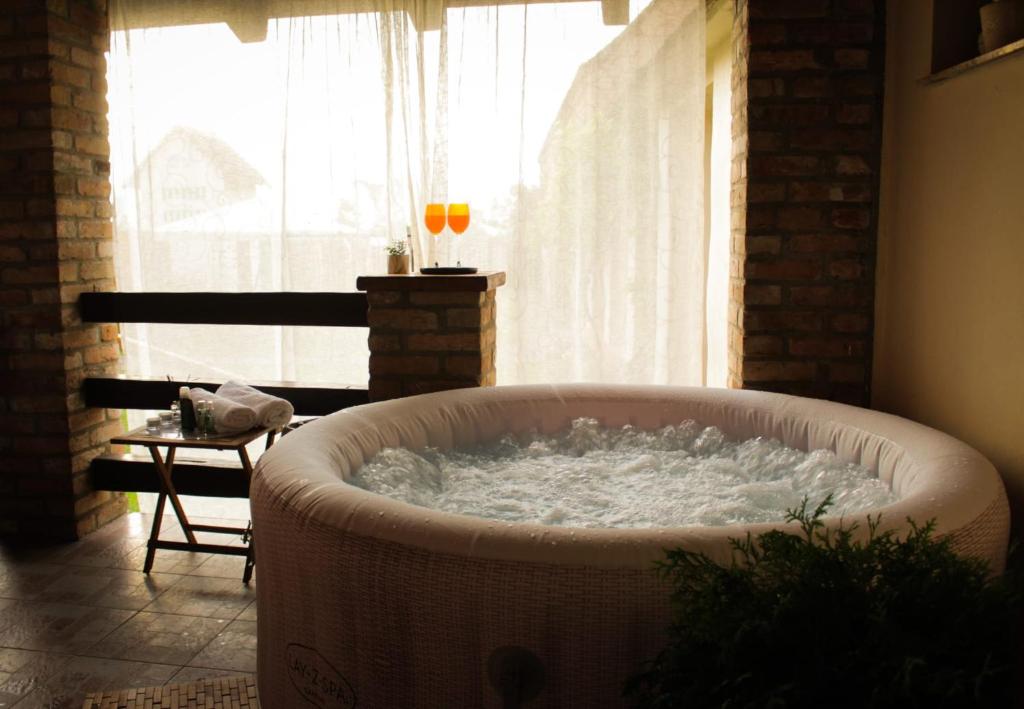
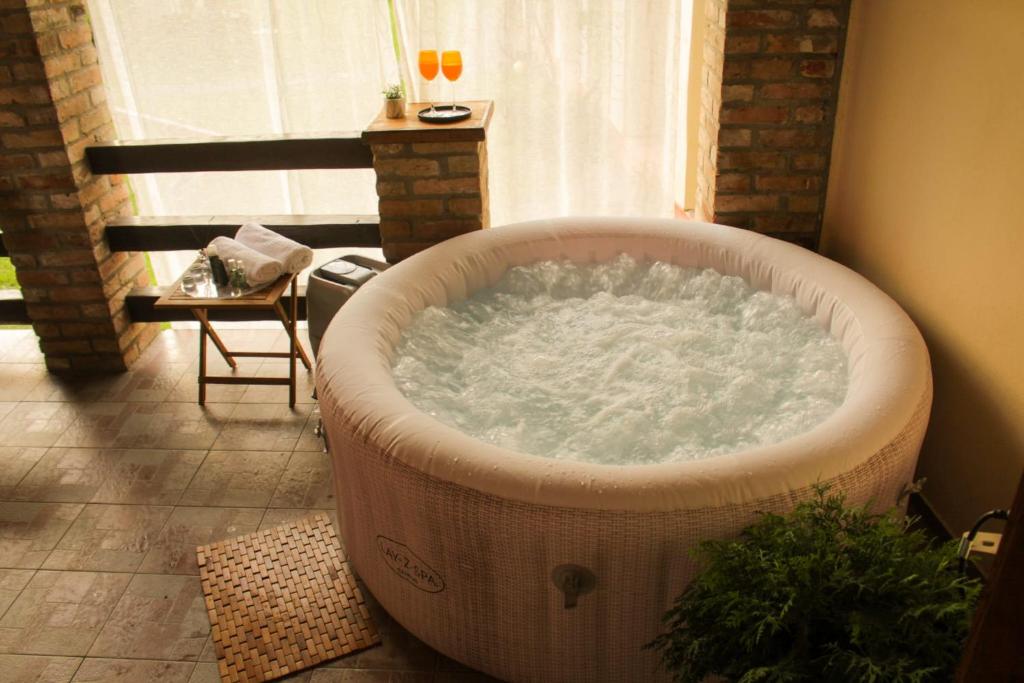
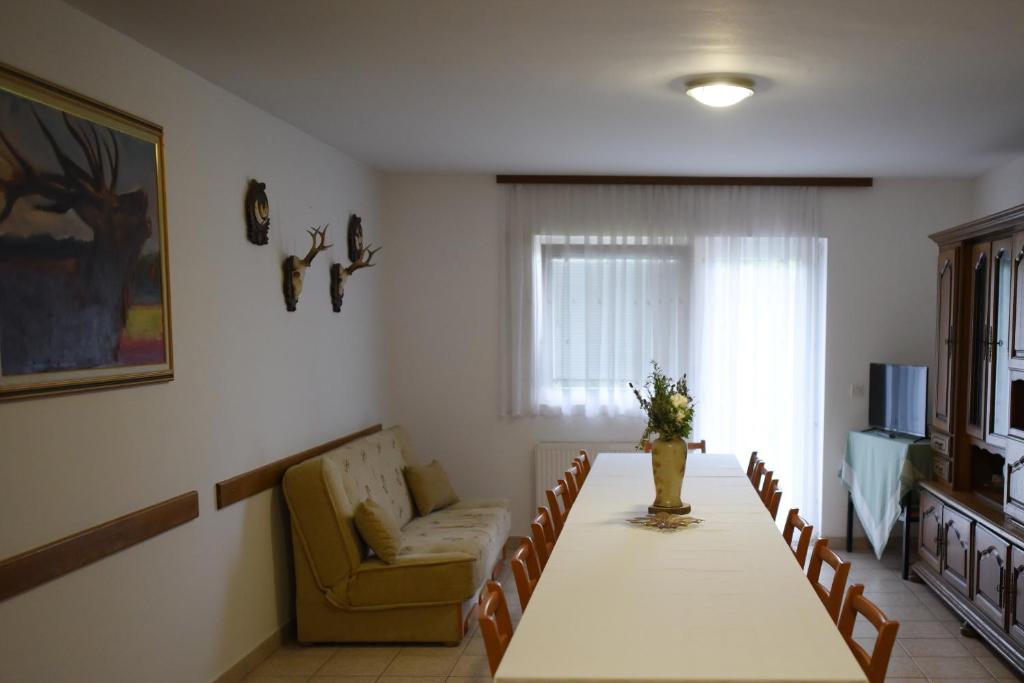
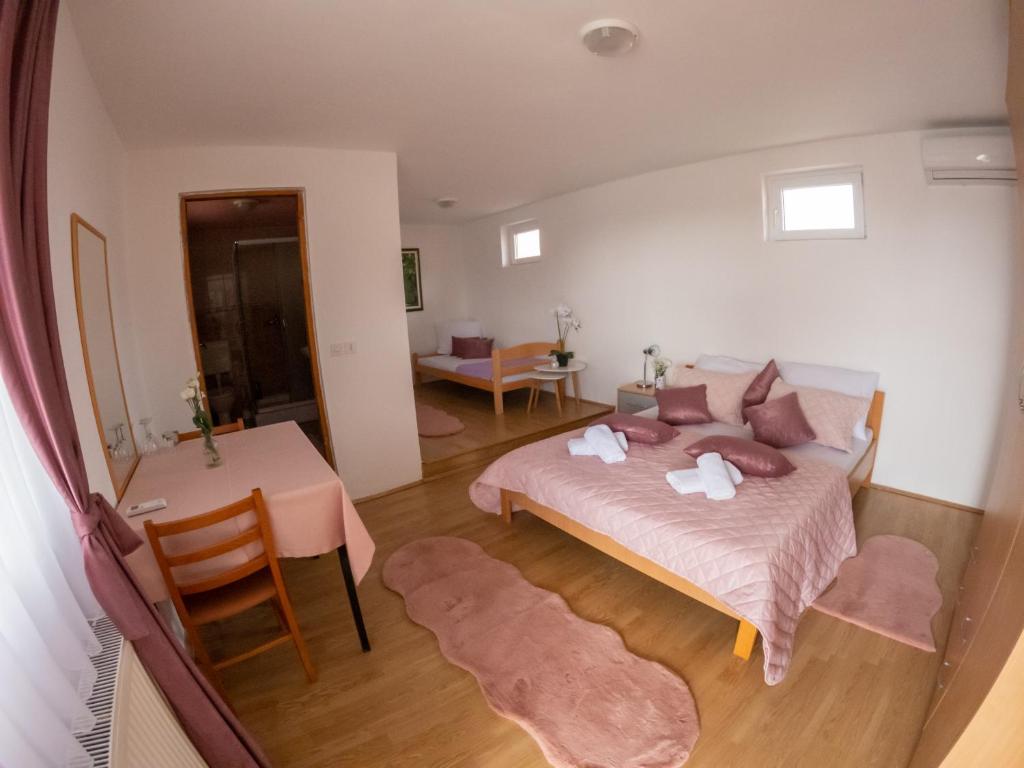
Match the number of real bedrooms and bathrooms to your group: a studio, a room with several beds and a three-bedroom apartment are different arrangements. Extra places can be sofa or pull-out beds, and a room category may lack the kitchen shown for an apartment. Confirm stairs, parking space and arrival instructions before a late journey. For a longer stay, check whether breakfast, pool access, sauna or hot-tub use is included and currently operating; do not assume every outdoor facility works all year.
Prices are set by the booking site. We may earn a small fee, at no cost to you.