About Ebeltoft
Ebeltoft makes a rewarding small-town stay because its different pleasures sit close together: the crooked timber houses around Torvet, contemporary glass by the waterfront, a preserved wooden warship and a former malt factory filled with cultural life.
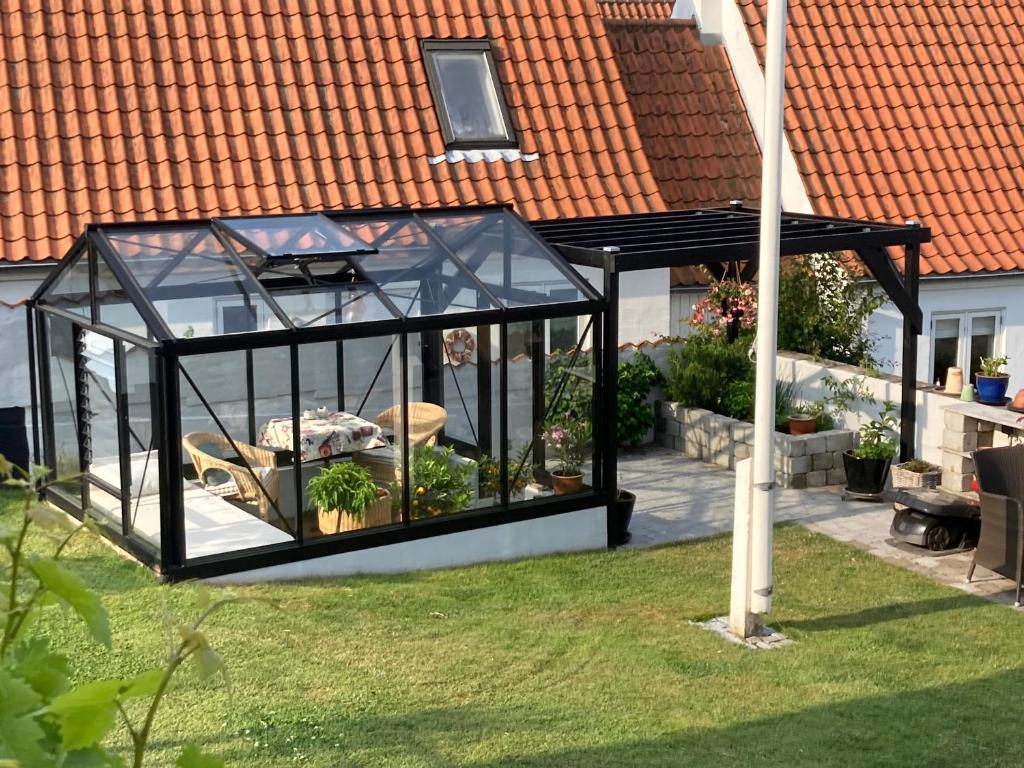
Sleeping here gives you time for the lanes after a museum visit, rather than squeezing everything into a stop on the way to somewhere else. The old town rises above the bay, so a central address still deserves a careful look at steps, cobbles and luggage access.
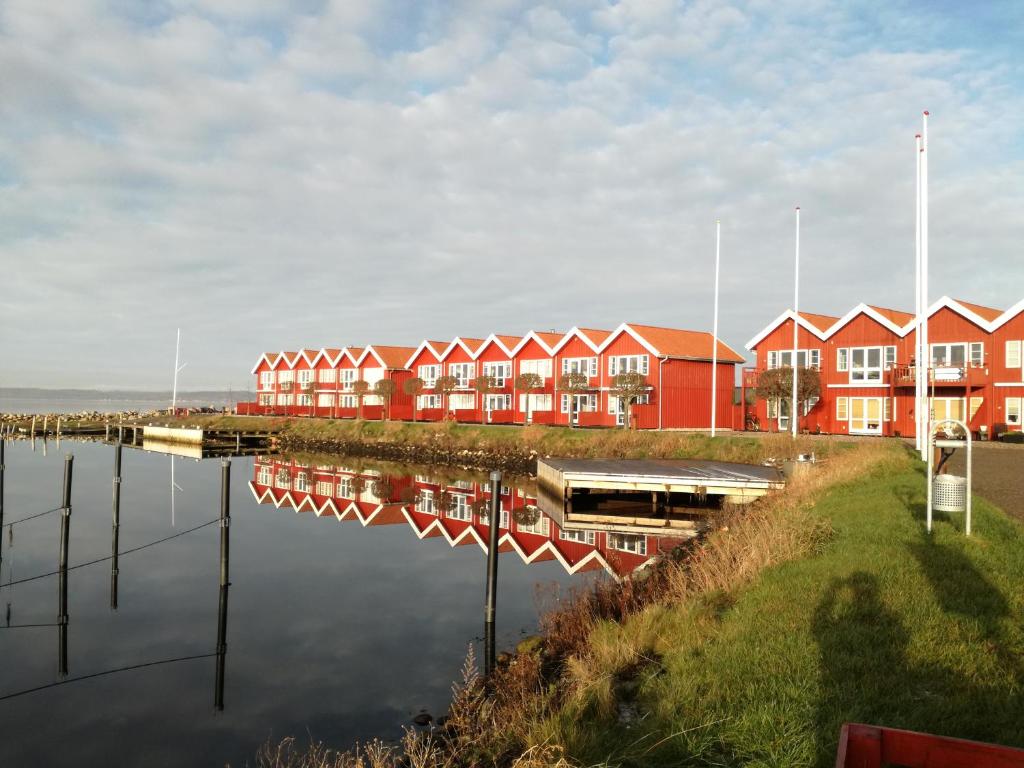
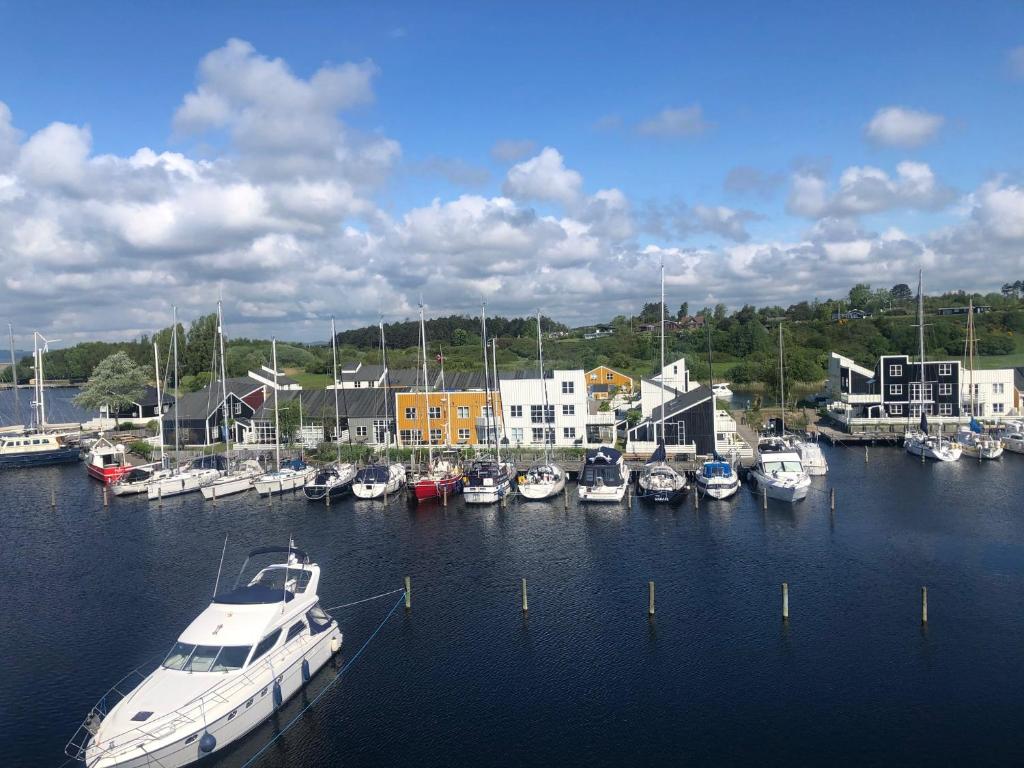
Farther south, the canals of Øer Maritime offer a different rhythm: cooking, family space and planned outings into town. Decide whether your priority is walking out for dinner or coming back to your own cottage.
Common questions
How many nights should I stay, and which season works best?
Two nights allow a full day for the old town and waterfront museums without rushing. Add another if you want a separate Mols Bjerge walk or a slower family day. Summer brings more street life, longer opening hours and the watchmen's rounds; autumn's apple festival and selected Christmas events have their own dates. Outside the busy season, Ebeltoft still works for cultural visits, but build the trip around actual museum opening days. A winter Monday and a summer Saturday offer quite different itineraries.
Can I arrive without a car, including from Aarhus Airport?
Bus 123 links Aarhus, Rønde and Ebeltoft; choose the town stop that best matches your accommodation rather than automatically travelling to the end of the route. The airport's Ebeltoft connection is route 312, with departures that operate as Flexbus requiring booking at least one hour beforehand. Check the exact journey in Rejseplanen and follow its booking instructions. Central Ebeltoft is practical on foot once you arrive. A cottage at Øer Maritime needs a separate last-leg plan, especially with luggage or an evening arrival.
Does the ferry from Odden run throughout the year?
The Ebeltoft–Odden crossing is seasonal, with the operator advertising sailings from early April through autumn and varying frequency. The normal crossing takes about seventy-five minutes. Check the actual calendar before arranging accommodation around it; do not assume a winter sailing exists. The Ebeltoft ferry terminal is about five kilometres from the centre and is separate from the old-town waterfront. Foot passengers need to arrange that final stretch. Follow the check-in time on your ticket and compare alternative mainland connections if your chosen date has no sailing.
How should I combine the town’s museums and cultural places?
Pair Glas, the museum of glass art, with Fregatten Jylland on the waterfront, then use Maltfabrikken for local history and the atmosphere of a working cultural house. Opening days matter: the frigate's schedule from 2 November 2026 to 3 January 2027 is Thursday–Sunday, with holiday exceptions, while Glas normally opens Tuesday–Sunday in November–March. At Maltfabrikken, use the published public door-opening hours; extended early or late access requires a Danish health card. Its library, museum, cafés and events can keep different hours.
Can I explore Mols Bjerge from Ebeltoft?
Yes, but give the hills their own outing. Trehøje's three Bronze Age mounds offer views across the surrounding bays, while the park contains several different trailheads and routes. Bus 123 serves the stop opposite Femmøller Efterskole, a recognised starting point; it does not deliver you to every hilltop. Download an official map, choose a route that fits your walking ability and check the return bus. Some marked paths cross grazing enclosures: keep a respectful distance from the animals and keep dogs on a short lead.
What is useful for a family stay?
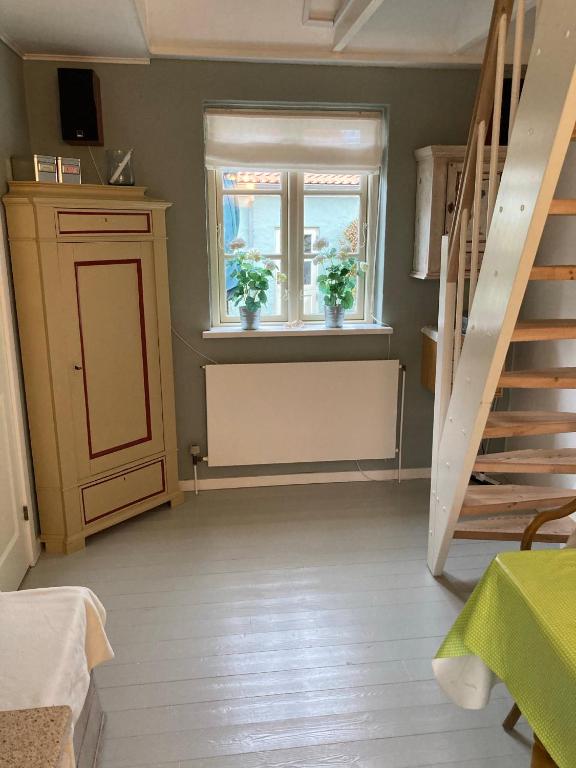
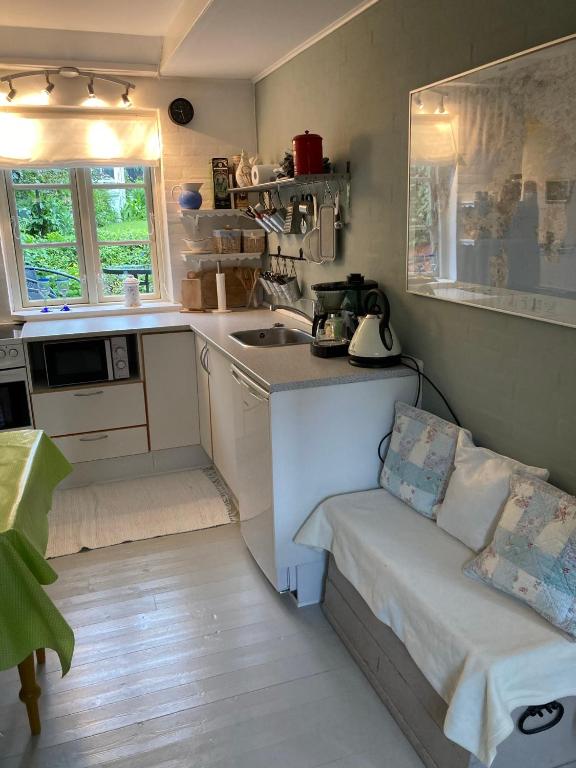
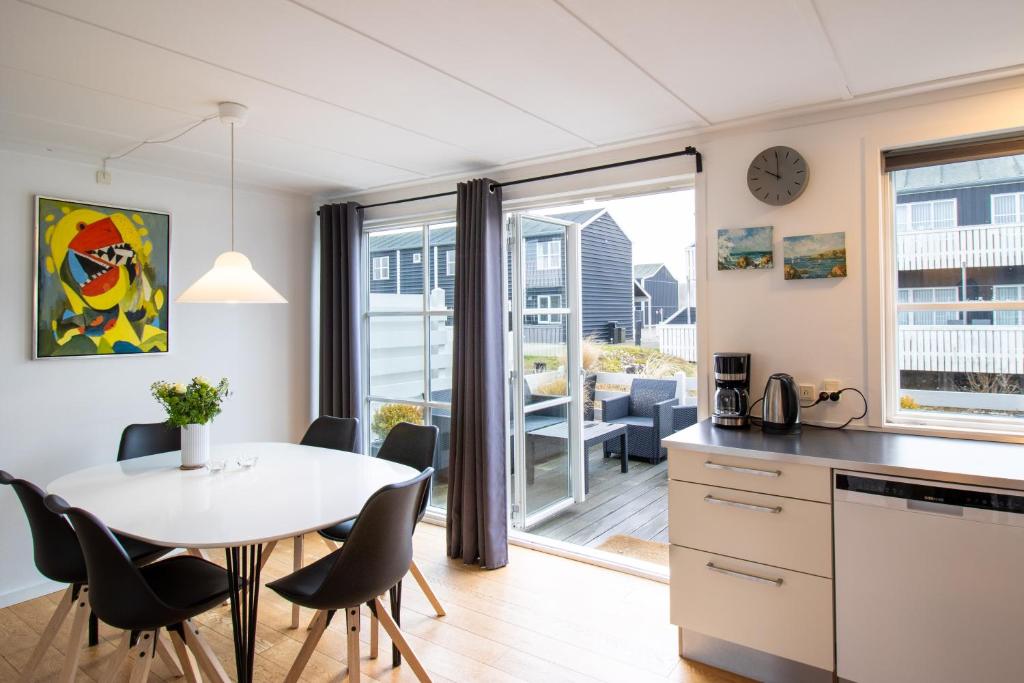
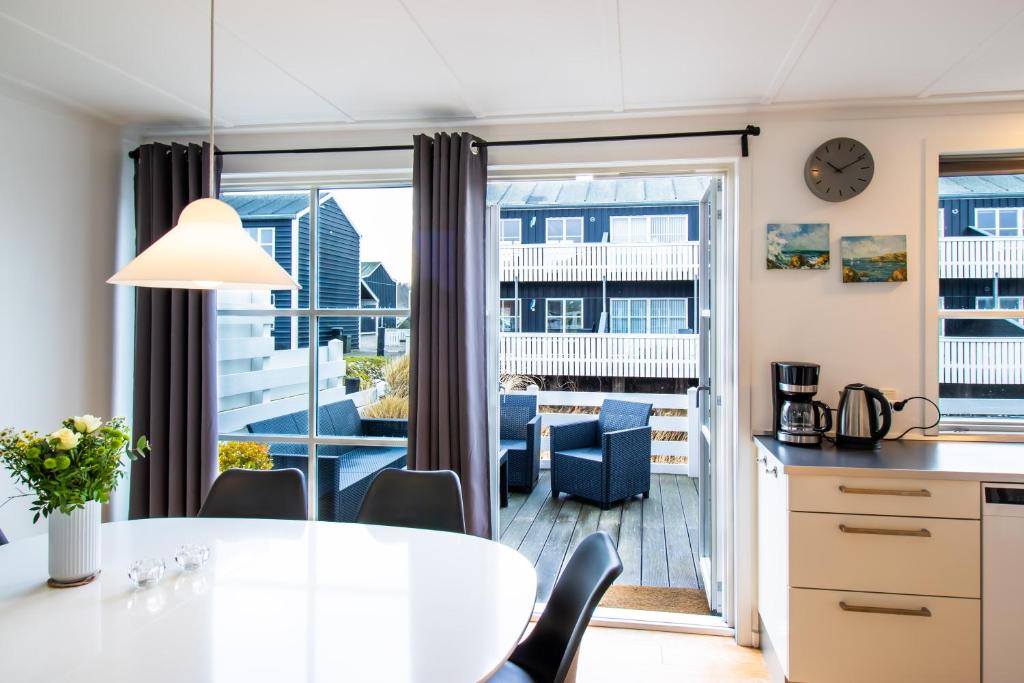
A private kitchen and a clearly understood sleeping plan are often more useful than a long list of icons. The canal cottage has two bedrooms and an open loft; agree which beds suit your children before booking. Its pool and sports facilities are shared with the wider resort, and access may require registration or booking, so ask the owner how it works for your reservation. In town, check the frigate's family programme and the glass museum's workshop calendar. Hands-on activities follow particular dates, not every opening hour.
Are the old streets easy with luggage or reduced mobility?
The historic centre has slopes and uneven cobbles, so check the route from the bus stop or parking place to the actual entrance. A short map distance can still involve awkward surfaces. Ask about thresholds, steps, the bedroom floor and shower access before committing to a room; a historic address is not an accessibility specification. Glas publishes a ramp, lifts in both wings and an accessible toilet, making it a useful cultural option to investigate. Plan unloading separately from legal overnight parking and leave time for the final approach.
What should I confirm about bathrooms, linen and check-in?
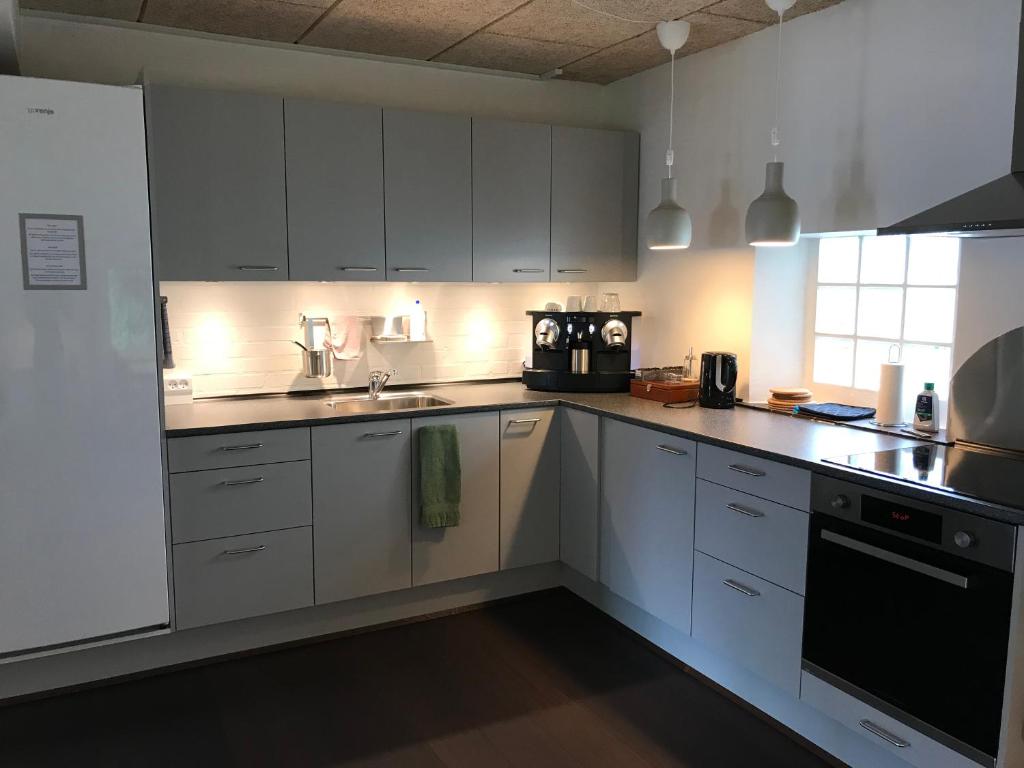
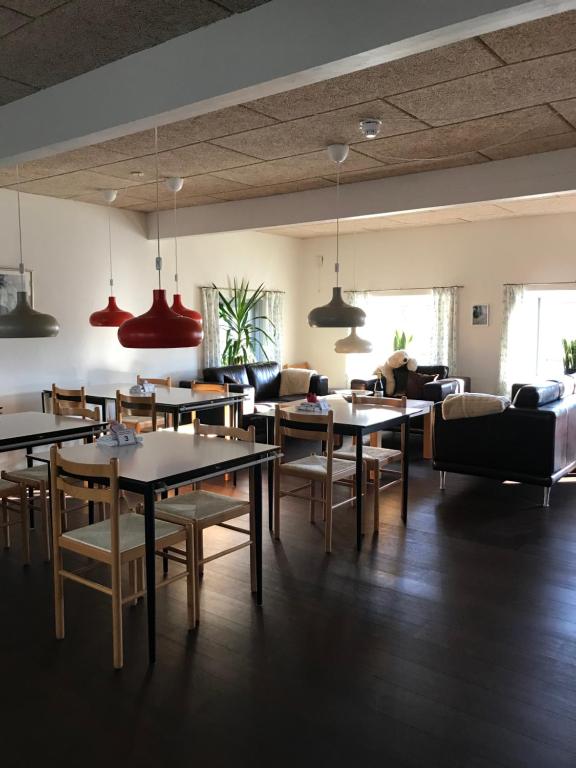
Read beyond the words guesthouse or entire apartment. Some central rooms and apartments share bathrooms, while cooking facilities may be private or communal. Linen and towels can need bringing or advance rental, and a sleeping bag may not meet the host's bedding rules. Save the address, contact details and key instructions before travelling, and update your host if the bus or ferry is delayed. For a cottage stay, ask about facility access and meals separately: a restaurant or shop shown on a resort map is not a promise that it opens every evening.
Prices are set by the booking site. We may earn a small fee, at no cost to you.