About Ribe
Ribe rewards an overnight stay with a different rhythm from a quick cathedral stop. Its old streets, merchants' houses and former harbour at Skibbroen form a compact centre, while the marshes and tidal landscape of the Wadden Sea begin a separate outing.
Choose a room in the old town if dinner and an evening walk are the main event; choose the northern riverside for a practical hostel base; or look south towards Damvej and Haulundvej for a kitchen, family space and easier parking. A Ribe postal address can cover a much wider countryside than the walkable town, so the actual location matters.
Common questions
Can I visit Ribe by train?
Yes. Ribe is on the Bramming–Tønder railway, with services on the Esbjerg–Ribe–Tønder corridor. Bramming is a useful connection for longer Danish rail journeys. Search your actual route in Rejseplanen, including the return and any replacement buses, instead of relying on a fixed frequency. Use Ribe station for the historic centre; Ribe Nørremark is a separate stop farther north.
Do I need a car for the Wadden Sea Centre?
A car is convenient, but it is not the only option. The centre describes a signed Kystruten cycle route from Ribe, approximately nine kilometres long. It also lists bus 411, a school-bus service, and prebooked Flextur transport for other times. Check the timetable for your day and arrange the return before leaving town; do not assume an all-day tourist shuttle.
How many nights should I stay?
Two nights is a useful starting point: allow one day for the cathedral, lanes and museums, then a separate day for the Wadden Sea or a longer cycle ride. Three nights gives a family more room for the open-air VikingeCenter and a weather-dependent nature trip. One night still lets you enjoy dinner and the old streets after the day visitors leave.
When is the best time to come?
Summer works well for outdoor sightseeing and family activities, but spring and autumn are particularly interesting for birds. The starling displays known as Black Sun depend on wildlife and conditions; a guided outing offers local knowledge, not a guaranteed spectacle. The Night Watchman's regular walks run from May through October. Check individual calendars outside summer, especially the seasonal VikingeCenter.
Where should families stay?
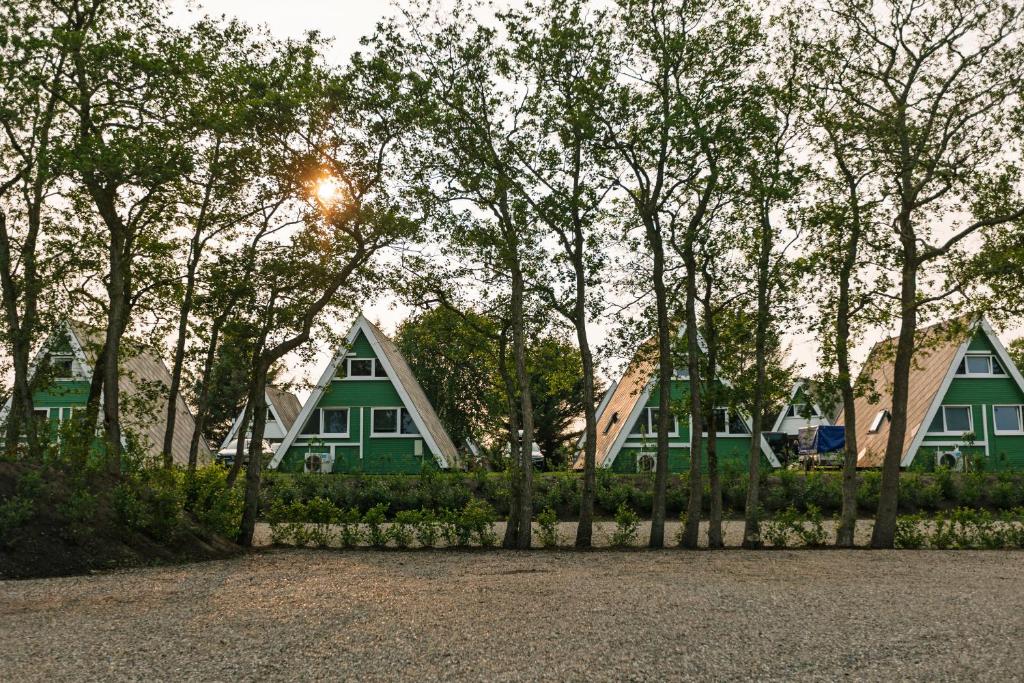
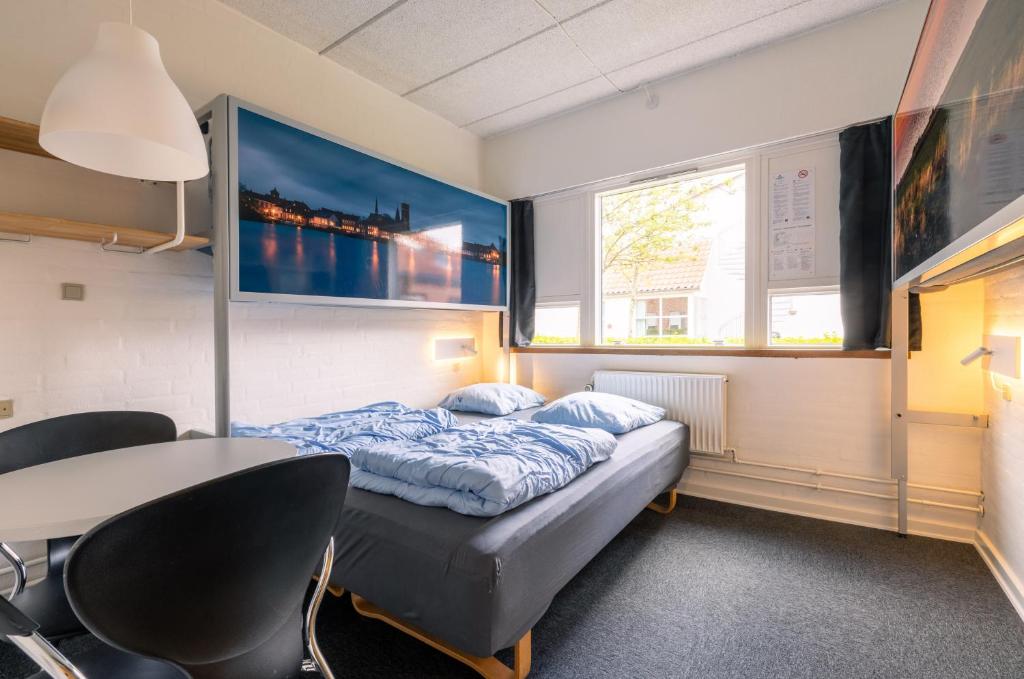
Choose the southern apartments or cottages if separate sleeping space, a kitchen and outdoor play are priorities. Ribe Byferie has a playground and apartment kitchens; Storkesøen combines self-catering accommodation with fishing lakes. Danhostel also has private family rooms, but inspect the bed arrangement and room capacity. The open-air VikingeCenter offers reconstructions and hands-on activities during its opening season.
Can I drive to Mandø whenever I want?
No. The road to Mandø is affected by the tide and is not always passable. Treat the island as a planned excursion, using the Wadden Sea Centre's current guided programme or a specialist operator's instructions. A map route alone does not establish a safe crossing time. Keep the day's plans flexible and confirm where your tour starts before setting out.
What should I check in a B&B or holiday cottage?
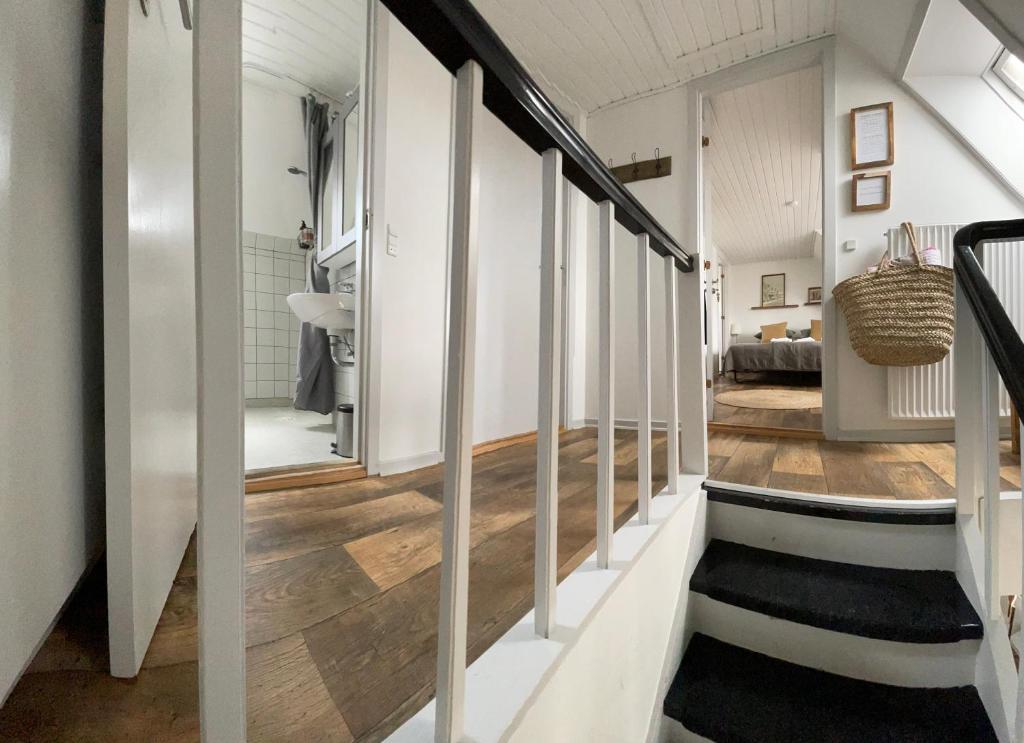
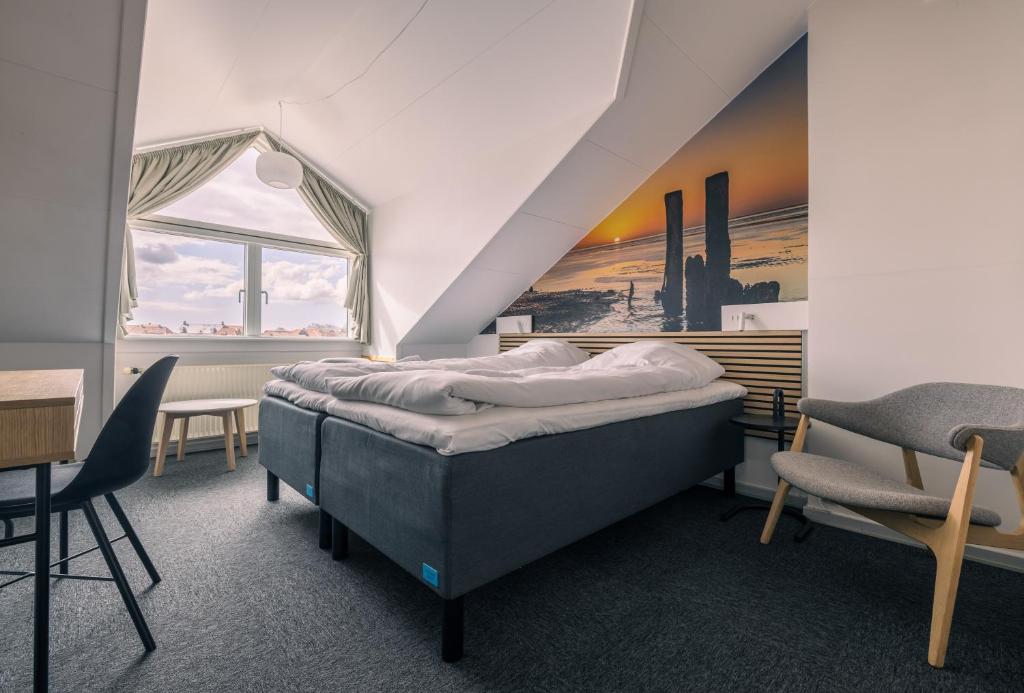
Confirm the exact entrance, floor, bathroom and breakfast arrangements. At Den Gamle Købmandsgaard, guests finish preparing their breakfast package in a shared dining area; this is different from a full-service hotel buffet. Danhostel and Storkesøen let guests bring or rent linen and towels. For a late arrival, agree on key collection in advance instead of expecting a staffed reception all evening.
Is parking straightforward in the old town?
Plan it before reaching the narrow streets. The tourism office describes much of the centre as a pedestrian zone where driving is allowed with care, and many marked spaces have time limits. Display a parking disc where required and follow the signs. Longer-stay car parks are listed around Centrum Nord, Syd and Øst; a property's parking promise should still be checked against your actual booking.
Prices are set by the booking site. We may earn a small fee, at no cost to you.