About Bourg-Murat / Plaine des Cafres
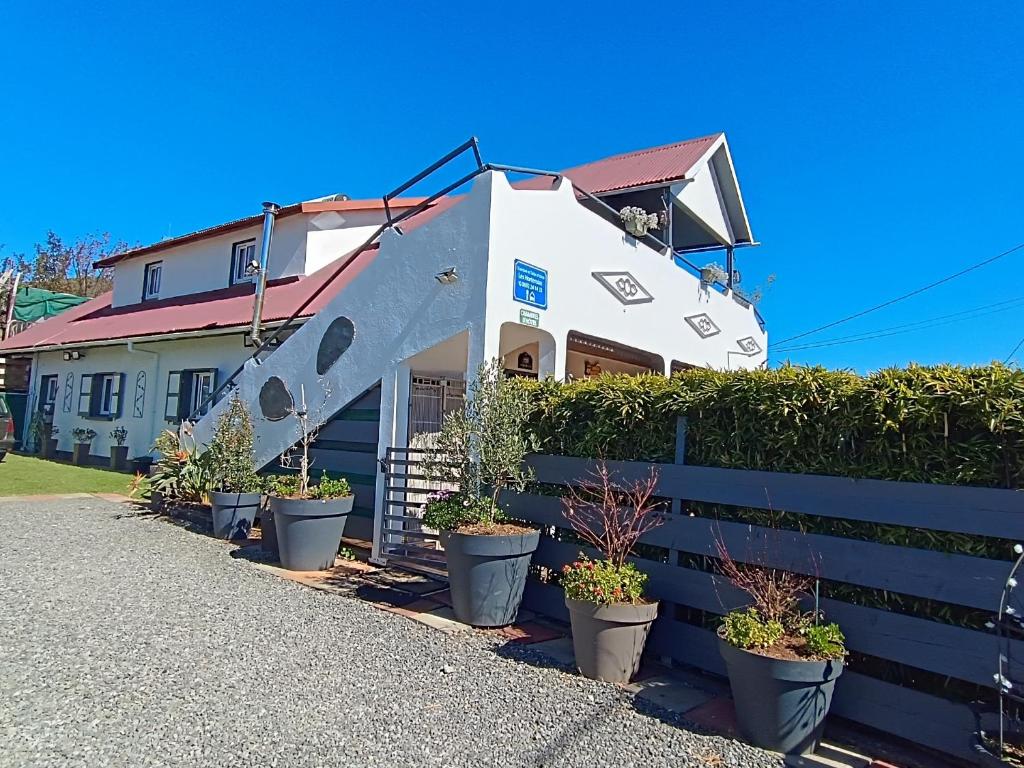
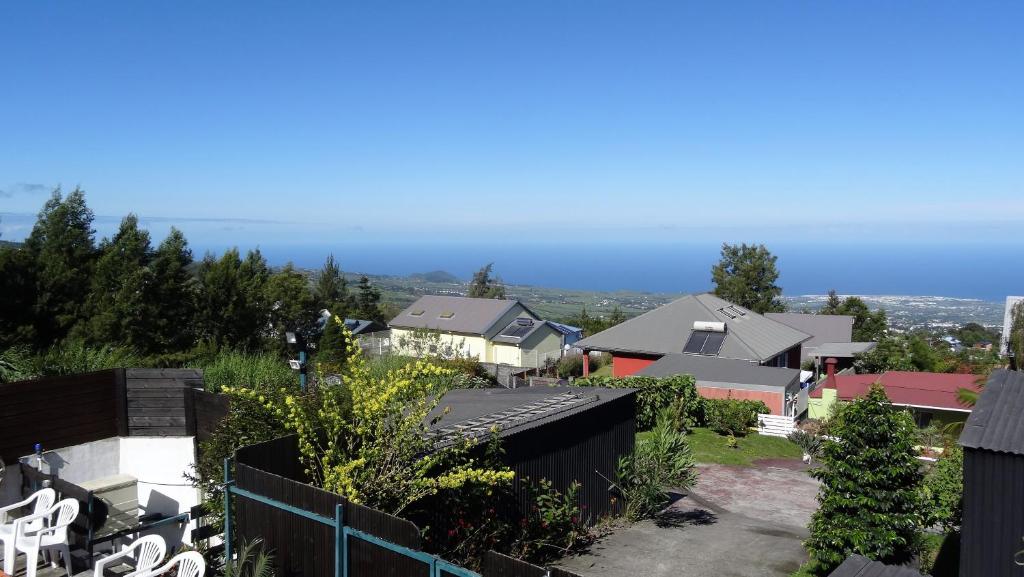
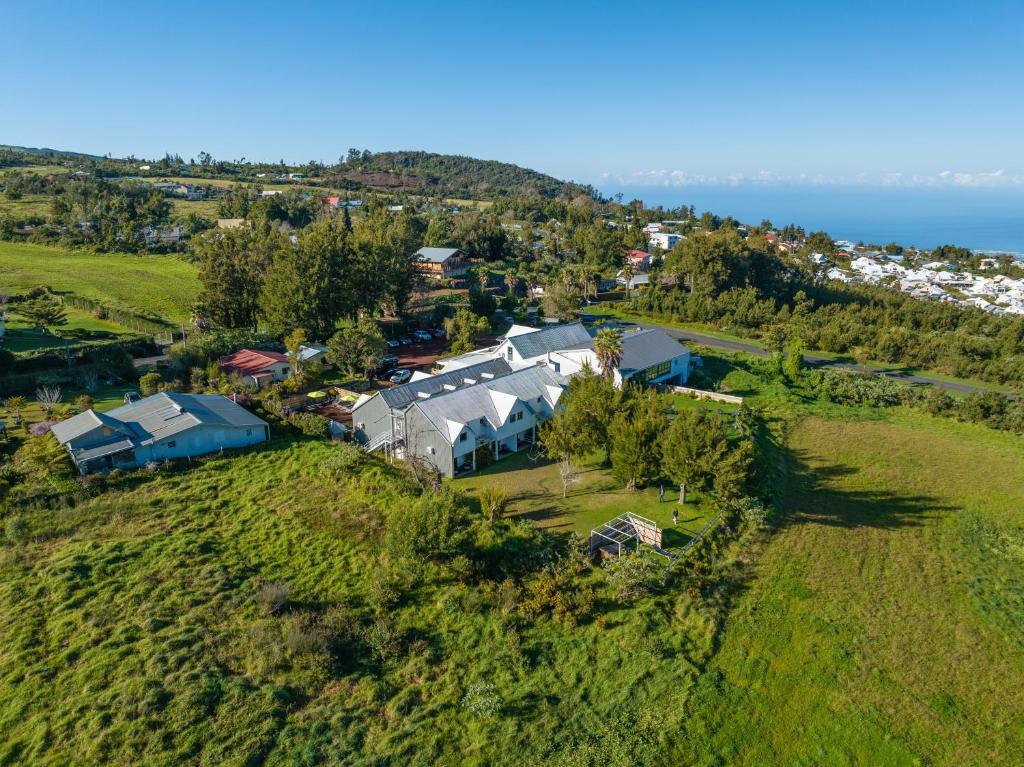
Bourg-Murat is the village at the start of Réunion’s Route du Volcan, on the agricultural plateau of Plaine des Cafres. At roughly 1,560 metres, it offers a very different overnight rhythm from the coast: cool evenings, fields around the guesthouses and an early start towards the volcanic landscape.
The useful choice is between the museum and village services, the garden hotels around Bellevue and the quieter lanes of Grande Ferme and Petite Ferme. Look beyond a broad Le Tampon address when booking; that commune also extends far down the mountain. A warm room, a workable dinner plan and a sensible departure route matter more here than a long facilities list.
Common questions
How many nights should I spend in Bourg-Murat?
Two nights are a useful starting point: arrive with time for the museum or a village meal, keep a full morning for the volcano landscape, and leave without combining a long drive with your main outing. Add a third night if you want a separate forest walk, a slower guesthouse stay or flexibility for poor visibility. This is a planning recommendation, not a promise that every trail will open during your visit. A single night can work for an early departure, but only when arrival, dinner, breakfast and transport are settled in advance.
How do I reach the village from the airport or coast?
The RN3 crosses the plateau between Saint-Pierre and Saint-Benoît. Car Jaune S2 serves Maison du Volcan in Bourg-Murat: the current timetable gives roughly 40–45 minutes from Saint-Pierre bus station and about 50 minutes from Saint-Benoît, before waiting time and the walk to your accommodation. Return journeys can take longer, so check both directions. An arrival at Roland Garros Airport needs an onward connection through the coastal network or a prearranged road transfer. For a late flight, confirm that the driver and accommodation can handle your actual arrival time.
Can I stay here without hiring a car?
A village stay centred on the museum and nearby meals is possible without one. S2 links the two coasts through Bourg-Murat, while local Carsud services require careful attention to the destination: the Plaine des Cafres terminal at the 23rd kilometre is separate from the Maison du Volcan stop. ANA3 serves the museum and Champ de Foire area. These are village connections; they do not take you to Pas de Bellecombe. For a dawn volcano outing or a guesthouse in the farming lanes, book a driver or excursion and confirm the return, especially on Sundays and holidays.
How should I plan a visit to Piton de la Fournaise?
Separate the drive along the Route du Volcan from the walk starting at Pas de Bellecombe. The 26 October 2026 order reopened the upper Enclos only on two marked routes: via Formica Léo and Rivals to Caubet, or via Formica Léo to the northern Dolomieu observation point. Kapor remains closed. The OVPF bulletin for 17 November still reported Vigilance, and the ONF order of 5 November also lists Piton de l’Eau as closed. Check the latest prefectural and ONF notices and the local forecast immediately before setting out; these dated conditions can change. Take warm layers, rain protection, water and suitable footwear, and keep an alternative programme if access or visibility is poor.
What can I do besides a demanding volcano hike?
The Cité du Volcan is a worthwhile visit in its own right, with interactive displays about Réunion’s geology and a dedicated space for younger visitors. Monday opening starts in the afternoon; check the holiday calendar before relying on the museum as a rainy-day plan. In clearer conditions, Bois-Court gives a view down towards Grand Bassin; visiting the lookout and walking down into the valley require very different plans. The Notre-Dame de la Paix forest offers another way to explore the highlands, provided the chosen path is open. Avoid treating a wet forest trail as an automatic bad-weather substitute.
When should I come, and how cold does it feel?
Météo-France describes May to November as Réunion’s longer dry season and January to March as the wet season, with more variable transition months. That makes the drier period a sensible starting point for outdoor plans, but altitude and local cloud still matter. Pack a warm layer and waterproof even when the coast is hot, and confirm that room heating works overnight. A pool being available does not tell you its temperature. Keep the programme flexible during heavy rain, strong winds or volcanic restrictions, and use current local forecasts rather than applying a coastal weather report to the plateau.
Is this a good base for families or travellers with limited mobility?
Yes, with the room and activities chosen deliberately. Family rooms and an apartment for five exist, while some small lodges exclude children on their current booking page. Enter every child’s age and confirm the bed arrangement, cot availability and any mezzanine stairs. An accessible room also needs a suitable route from parking, a usable bathroom and clear information about restaurant or garden access. The museum offers an easier focus for a family day than a major mountain route. Ask specifically about the route you intend to use; a short walk or a ground-floor label alone does not establish step-free access.
What should I confirm about meals and the room before booking?
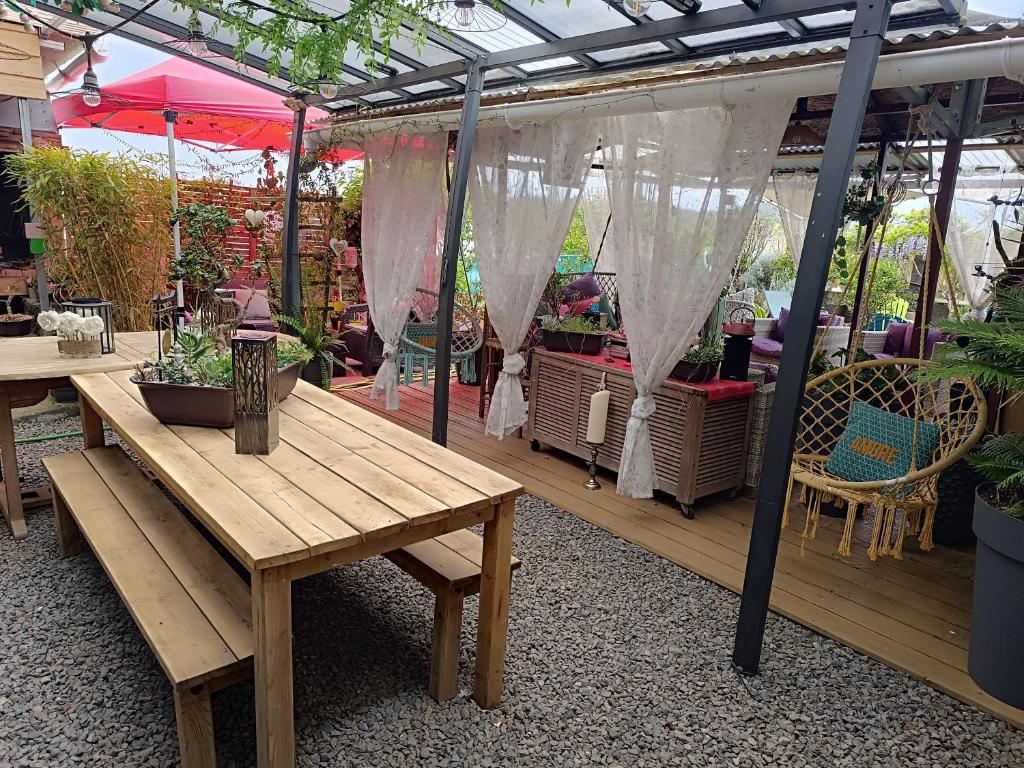
Book a table d’hôtes dinner with the room and explain dietary requirements early; small hosts plan their cooking around the guests expected. For self-catering, distinguish an apartment kitchen from a shared cooking room or a simple kettle. Agree on breakfast for an early departure rather than assuming normal service begins before dawn. Ask whether the bathroom is inside the bedroom, when heating runs and where wet clothes can dry. Confirm payment methods and late key collection as well. These practical details are especially useful when a rural address leaves you with few spontaneous alternatives after arrival.
Prices are set by the booking site. We may earn a small fee, at no cost to you.