About Huahine
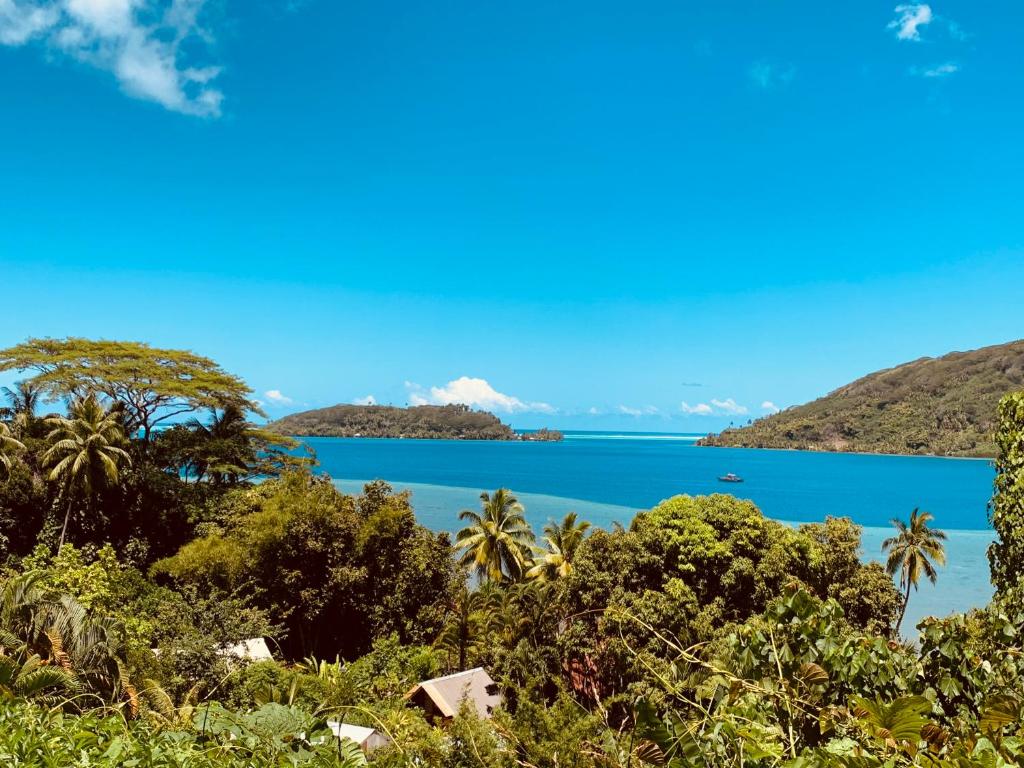
Huahine rewards a stay that leaves room for both the shore and the villages. Spend a morning among the marae and stone fish traps at Maeva, another on the lagoon, and an afternoon shopping or eating near Fare’s quay. The northern island, Huahine Nui, holds the airport and the main village; a road bridge joins it to smaller Huahine Iti.
The practical choice is between Fare’s services, a pension beside Port Bourayne and a bay-view base around Maroe. Those addresses can look close on a map while giving you quite different evenings. Decide how you will eat and get around before choosing the prettiest terrace.
Common questions
How do I reach Huahine and get to my accommodation?
Air Tahiti flies from Tahiti daily, with a direct journey of about 40 minutes. Huahine’s airport is on Motu Maeva, roughly 15 minutes by car from Fare. There is no public airport shuttle; arrange a host pickup or a taxi and provide the flight number. Apetahi Express also connects Papeete with Huahine in a little over 3 hours. Its regular timetable has three departures from Tahiti a week, with separate technical-stop and holiday changes. Check your actual sailing date before fixing accommodation, and agree whether pickup is from the airport or the Fare quay.
Do I need a car, and can I visit both islands by road?
A road bridge connects Huahine Nui and Huahine Iti, so you can explore both with one rental vehicle. A car is particularly useful for Bourayne or Maroe, grocery shopping and a southern beach day. Around central Fare, walking and a bicycle may cover more of your routine, supplemented by a guided outing. Do not build an ambitious circuit around an assumed frequent bus or an unbooked taxi. Bays, hills and winding roads make the route longer than a straight line suggests. Ask the rental company about pickup and return, and refuel in Fare before a longer outing.
How many nights should I allow?
Three or four nights give a first visit space for a cultural day on Huahine Nui, a lagoon excursion and time on the southern coast. Five nights or more suit travellers who want to walk with a guide, linger in the villages or keep a day free for weather changes. These are suggested rhythms, not hotel minimum-stay rules. One base is usually sufficient because the islands connect by road. Moving accommodation is most useful when you deliberately want two different experiences, such as village convenience followed by quieter meals and evenings beside a bay.
Where should I plan beach and lagoon time?
Avea Bay near Parea on Huahine Iti makes a worthwhile southern outing, with places to eat nearby and the Anini marae to combine with the shore. Hana Iti is a different proposition: organise boat access with a local provider and respect the arrangements made with its guardian. Do not assume a map pin means a public road ends at the sand. Around any pension, ask where guests actually swim and how boats use the channel. A guided lagoon trip can reach other beaches and snorkelling sites; wind, current and your confidence in the water should shape the plan.
How can I explore Huahine’s history beyond a quick island drive?
Allow proper time around Maeva for the lakeside marae, traditional stone fish traps and the Fare Pōteʻe museum. The museum gives context to objects found in archaeological work, while a local guide can explain the sites and the stories attached to them. The hillside route around Matairea is a walk of its own, rather than a stop you should rush between beaches. Faie’s blue-eyed eels and the Maroe viewpoint can fit into an island outing. Follow local access guidance, respect the stone structures and ask before entering private land or photographing people.
What room details should I compare before booking?
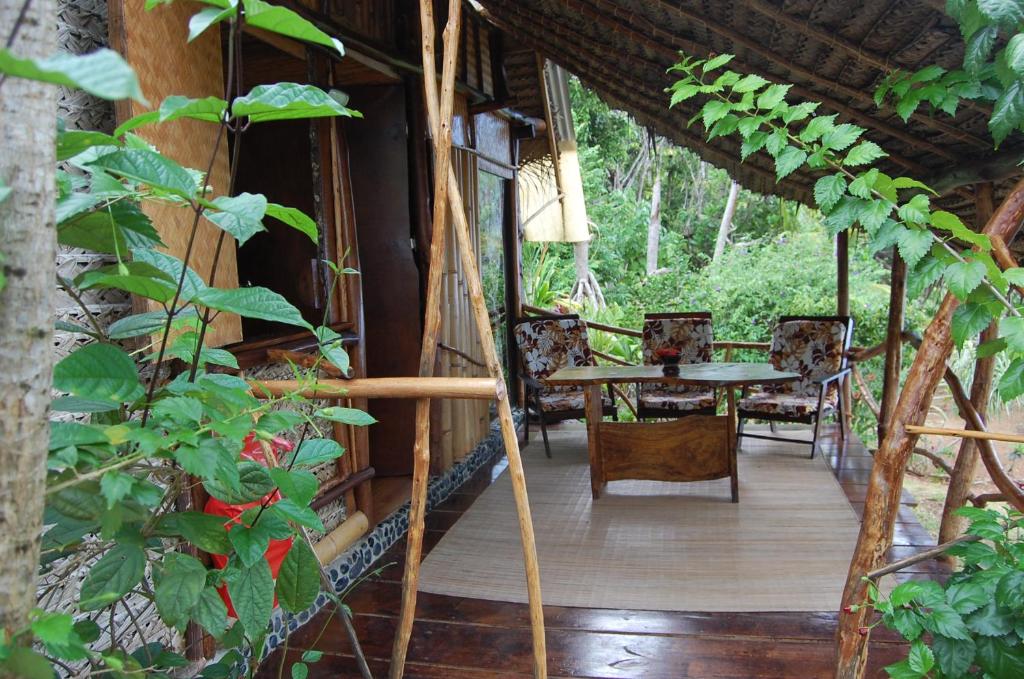
Start with cooling, bathroom privacy, cooking facilities and the exact position beside the water. A small double room may offer a fridge and microwave, while a studio has a proper kitchen. A lake bungalow can be spacious and have a private pool without standing over the sea. At a pension, a four-person chalet may place its second sleeping area up an external staircase. At a villa, the advertised accommodation may be only the upper floor, with the second bedroom opened for a larger party. Match the category to your group instead of relying on the property’s headline photograph.
How should I arrange meals and everyday supplies?
Fare is the easiest place to gather groceries, visit the produce stalls, withdraw cash and choose a casual meal. Buy what you need before settling into a more secluded bay address. Some pensions include breakfast but require a dinner reservation for a changing set menu; tell hosts about dietary requirements before arrival. Self-catering accommodation may supply bread, jam and hot-drink ingredients rather than serve a restaurant breakfast. Check what your rate includes, which kitchen equipment is present and where you will eat on the first evening. Keep a little cash for smaller purchases and confirm payment methods with hosts.
When is a useful time to visit, and how does weather affect the stay?
May to October is generally the drier, less humid part of the year; November to April is warmer and wetter. Lagoon trips and outdoor visits remain possible in both periods, but a dry-season booking does not guarantee a calm crossing or a windless beach. Keep the boat excursion away from the last possible slot and leave room to swap it with a village or museum day. For hill walks, use a local guide and ask about conditions after rain. The room’s cooling and the shelter of its terrace can matter as much as the season printed on the calendar.
Prices are set by the booking site. We may earn a small fee, at no cost to you.