About Rangiroa
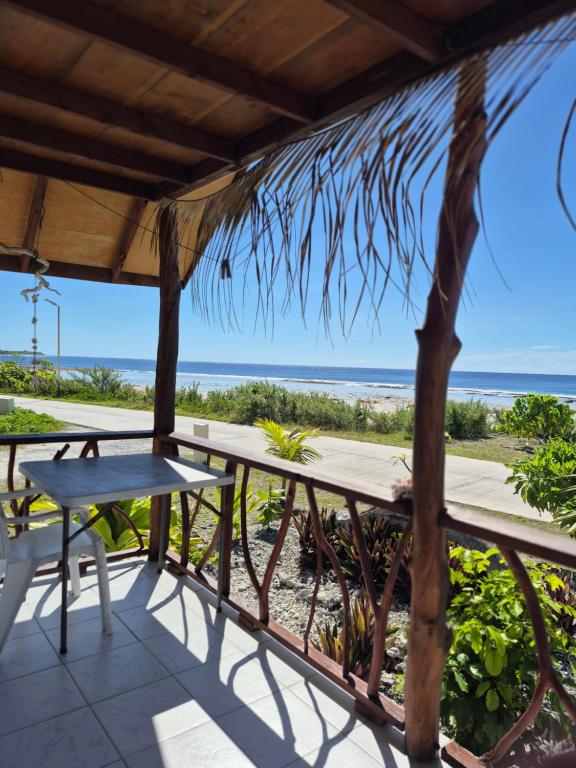
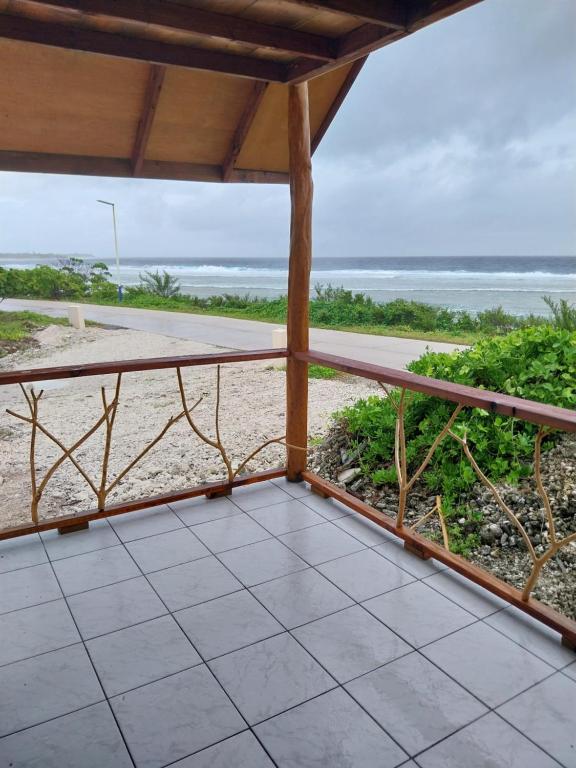
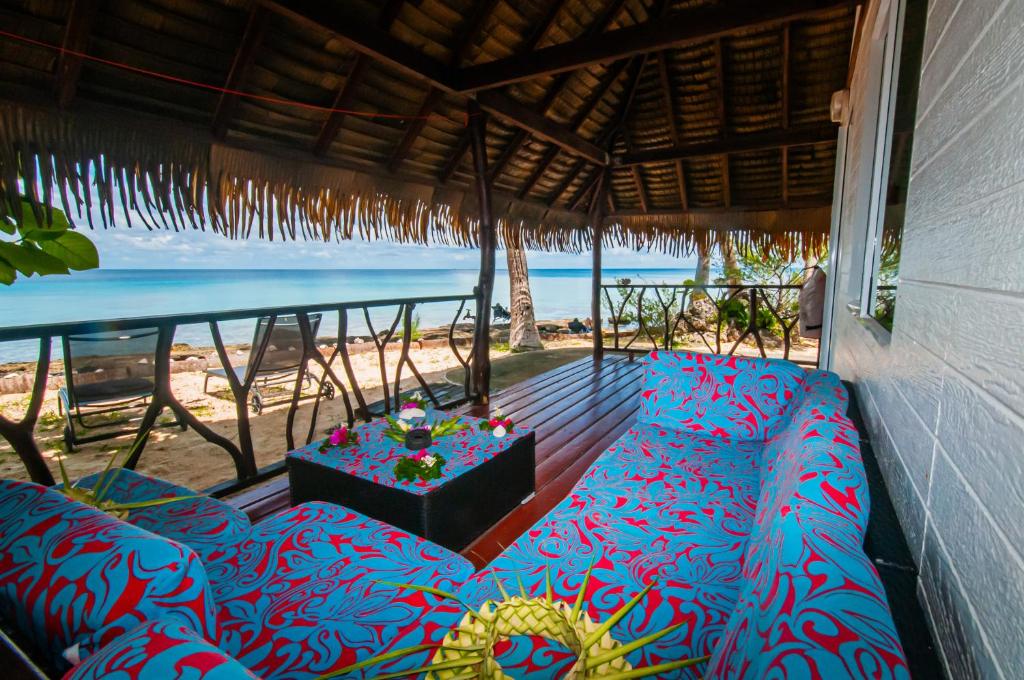
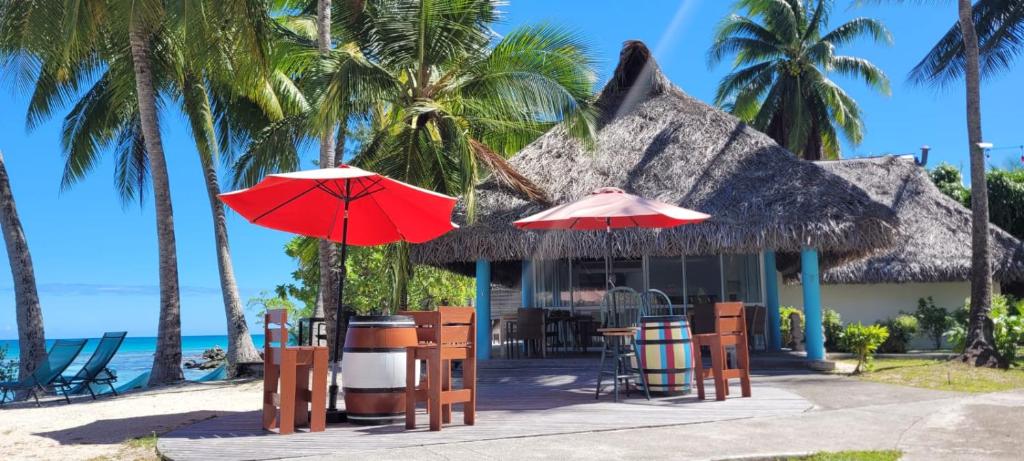
Rangiroa is a broad ring of coral islets around a lagoon, with everyday visitor life concentrated around Avatoru and Tiputa. Stay for several mornings on the water, village meals and time to watch the pass, rather than expecting to drive around a conventional island. The most useful choice is the shore on which you sleep.
Avatoru’s main islet holds the airport and a road linking village services with the Ohotu end near Tiputa Pass. Tiputa village lies across that pass and needs a boat. A bungalow’s setting, your dinner arrangements and the operator’s actual pickup point matter more than a short distance on a booking map.
Common questions
How do I get to Rangiroa and reach my accommodation?
Regular flights from Tahiti-Faa’a to Rangiroa take about an hour. Air Tahiti and Air Moana serve the atoll; book the actual inter-island routing before fixing a tightly connected itinerary. The airport is on Avatoru’s main islet, roughly ten minutes by car from Avatoru village. There is no scheduled airport shuttle, so arrange a host pickup or taxi. For Tiputa village, the journey continues to the quay, across the pass by boat and then to the lodge. Send the flight number as well as the landing time.
Do I need a car, and can I cycle around the atoll?
A car is optional if your accommodation arranges arrivals and excursion pickups. Bicycles suit the flat inhabited road, and the tourism committee lists car, scooter and bike rentals as well as taxis. You cannot cycle or drive around the complete ring of Rangiroa: the coral rim is broken into separate islets. Tiputa village needs a boat crossing, and the distant lagoon sites need excursions. Before renting, check how often you will leave the property, whether bikes are supplied and where you will eat in the evening.
How many nights make a worthwhile stay?
Three or four nights give a first visit room for a lagoon excursion, diving or guided snorkeling, and a slower village day. Stay five nights or more if you want repeated dives or time to rearrange a water outing around conditions. These are suggested rhythms, not minimum booking rules. Avoid placing the only Blue Lagoon trip on the final morning: it is a full-day outing, not a quick stop before a flight. A little unscheduled time is also useful for enjoying the pass without turning every day into a transfer.
Is Rangiroa suitable for beginners and non-divers?
Yes, provided you choose the right activity. Dive operators offer introductory sessions in the calmer Aquarium area inside the lagoon, away from the passes; qualified divers have guided options selected for current and experience. Tell the centre your certification, recent diving history and where you stay. Pass diving and drift snorkeling follow the conditions and are not interchangeable with an independent beach swim. Non-divers can combine a guided lagoon outing, a pearl-farm visit, cycling and watching the water from shore without booking a scuba programme.
What should I know before booking the Blue Lagoon excursion?
Allow a whole day and roughly an hour in the boat each way, depending on the route and conditions. Tours commonly combine the small lagoon, a motu lunch and guided water activities; the actual stops can change with wind or currents. Bring sun protection and shoes suitable for the coral shore. Check the departure bank: one operator asks Tiputa guests to meet at Ohotu, while another collects them directly at the Tiputa dock. Ask which crossings, road transfers, meal and equipment are included in your own booking.
Can I watch the Tiputa dolphins without entering the water?
The Ohotu lookout offers a shore-based way to watch the pass. Resident bottlenose dolphins sometimes surf and jump in waves created by the outgoing current, so the state of the water matters more than a fixed clock time. Ask locally about the conditions and allow more than one visit if seeing them is a priority. Sightings cannot be promised. Choose an observation-focused outing if going by boat, and keep a wildlife encounter separate from any assumption that dolphins will approach, swim beside you or be touched.
How should I plan meals and everyday supplies?
The tourism directory lists food outlets around Avatoru, along the airport road, near Ohotu quay and in Tiputa village. That does not mean every pension has several restaurants within an easy walk. Ask whether dinner must be ordered ahead, whether breakfast is included and what equipment a kitchen actually contains. In Tiputa, arranging meals on your own shore avoids an unnecessary evening crossing. The main ATM is at the airport; prepare cash for small purchases and ask each accommodation or operator which payment methods it accepts.
When should I visit, and what changes with the weather?
May to October is generally drier and less humid, with trade winds; November to April is warmer and wetter. A dry-season visit still needs flexibility for wind and lagoon conditions. July and August are busy for domestic flights, and dive centres advise reserving ahead through the popular July–October period. Book your accommodation and key water activities together, then leave space for adjustments. Choose the room’s ventilation or air-conditioning deliberately, and remember that an attractive lagoon photograph does not predict the weather on a particular crossing.
Prices are set by the booking site. We may earn a small fee, at no cost to you.