About Kericho
Kericho is where the tea fields, rather than a famous monument, make the journey worth slowing down. The town stands in Kenya's South Rift highlands, and the surrounding slopes are patterned with tea bushes, trees and farm roads.
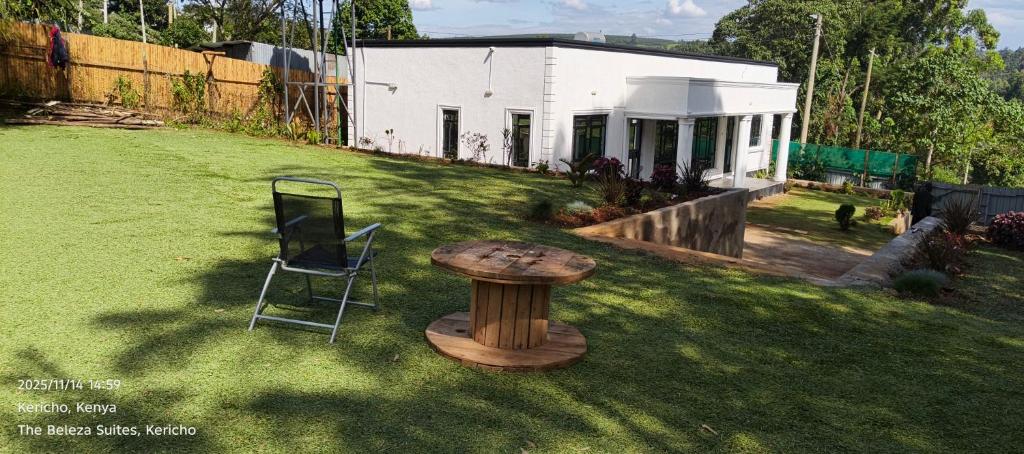
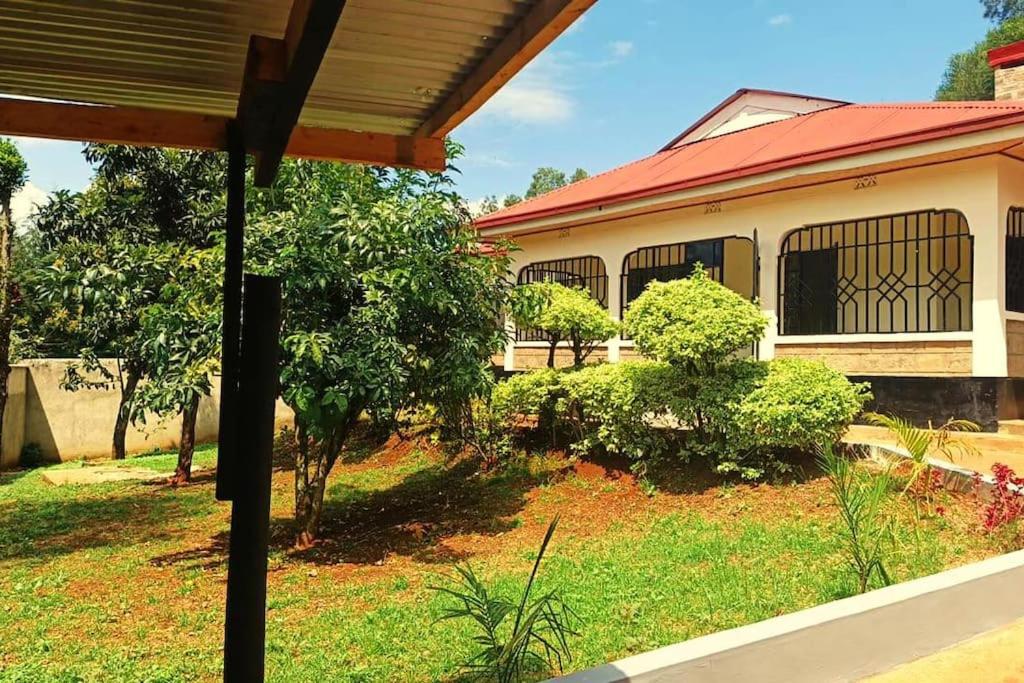
It is also a working county capital, not a resort village: buses and road traffic move along the Kisumu–Busia corridor, while everyday food and services concentrate around town. That makes your choice of base important. Stay centrally for an overnight on a longer western-Kenya journey, or take a house with a garden toward the greener roads if the aim is to linger.
Kericho County names Chagaik, Chelimo and Tagabi arboretums, Uhuru Garden and viewpoints over the tea estates among local places of interest. These are specific Kericho outings, not promises of unrestricted access to private tea factories. The tea fields are actively farmed; arrange any estate visit rather than walking through working land without permission.
The altitude gives Kericho a relatively cool feel, and rain is part of the landscape. County climate guidance describes longer rains in April–June and another wet period in October–December, with January–March generally drier. A rain layer and a flexible outing plan help more than trying to schedule every view to the minute.
Kericho makes particular sense as a quiet pause between long road legs or a deliberate visit to Kenya's tea country. It is less suited to travellers expecting a large national park at the hotel gate.
Common questions
Why stay overnight in Kericho instead of passing through?
The sight is the living tea landscape: hills, arboretums and a cool highland atmosphere rather than a single ticketed monument. An overnight allows an unhurried morning, but do not expect every plantation to admit visitors.
How do I reach Kericho without a private car?
The county government identifies the B1 road linking Mau Summit, Kericho, Kisumu and Busia. Intercity road travel is the practical route; confirm your bus or shuttle's current boarding point and arrival stop with the operator.
Can I walk through tea plantations?
Tea plantations are working agricultural properties. Enjoy views from public roads and agreed viewpoints, and request permission or an organised visit before entering a field or factory. The county highlights the estates as an attraction but does not guarantee walk-in tours.
When does Kericho get the most rain?
County climate information identifies the long rains around April to June and a second rainy period from October to December. January through March is generally drier, though patterns vary; carry rain protection year-round.
What can I see beyond the tea fields?
Kericho County lists Chagaik Arboretum, Chelimo Arboretum, Tagabi Arboretum and Uhuru Garden. Check local access and opening conditions before leaving, particularly for sites farther from the centre.
Is Kericho an easy stop between Nairobi and Kisumu?
It lies on a major western-Kenya road corridor, so it can work well as a break in a longer drive. The county places the wider Kericho area roughly 256 km from Nairobi; allow for traffic, rain and the actual location of your hotel.
Prices are set by the booking site. We may earn a small fee, at no cost to you.