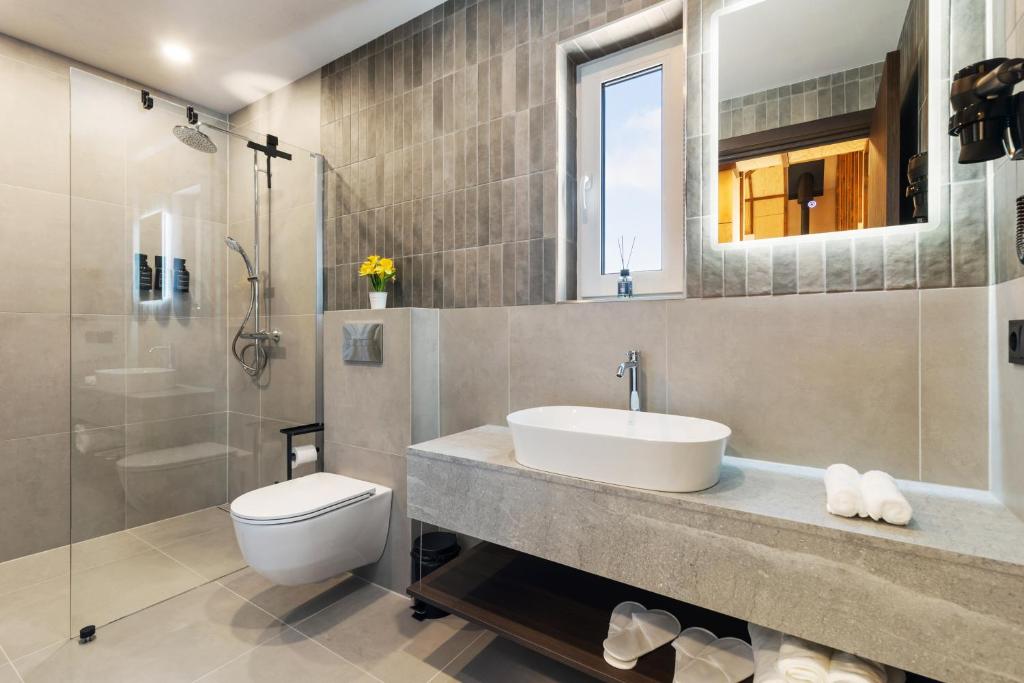
About Dubingiai
Dubingiai combines a small historic village with a landscape of wooded slopes and narrow lakes. The castle peninsula above Asveja holds the remains of the Radvila family’s palace and former church, giving a lakeside break an archaeological focus. Allow time to read the site and walk its paths, rather than expecting a furnished castle to tour.
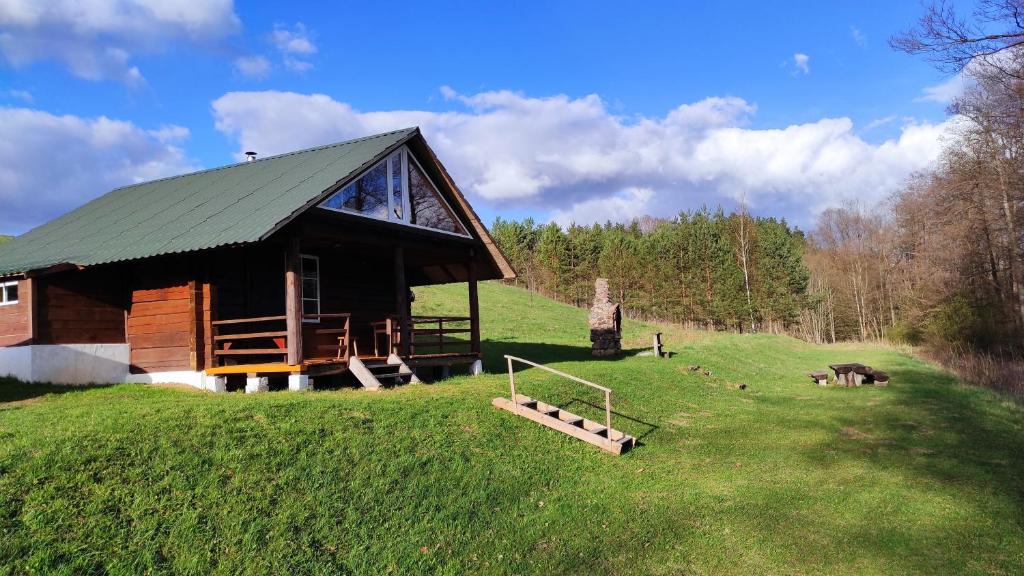
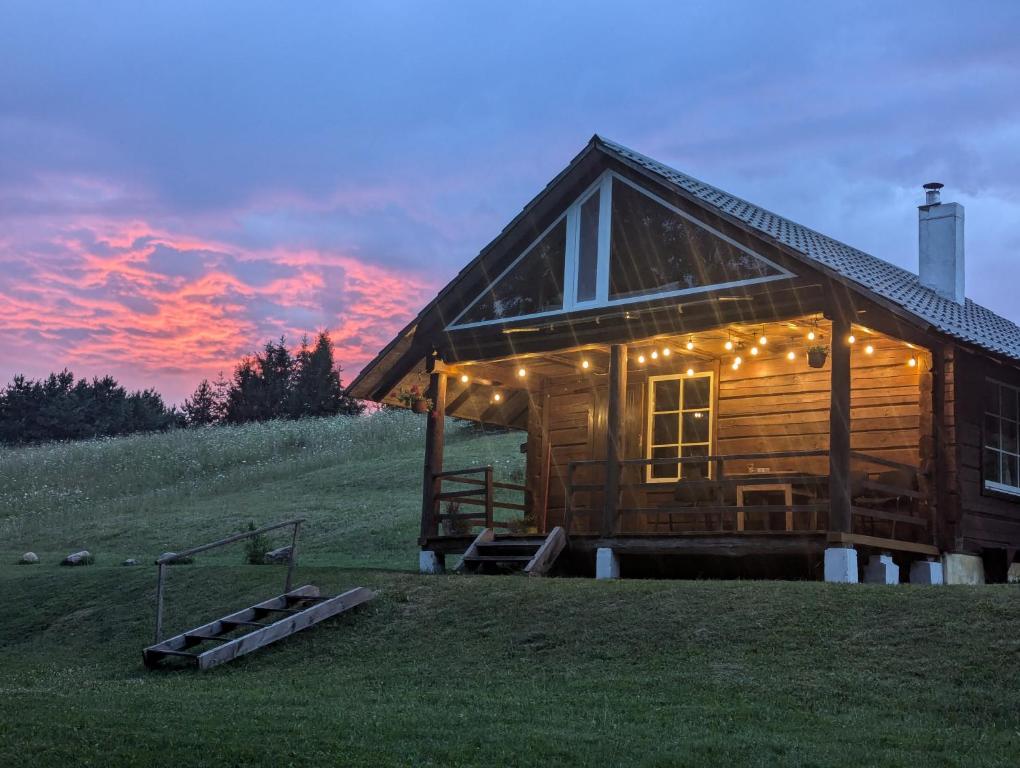
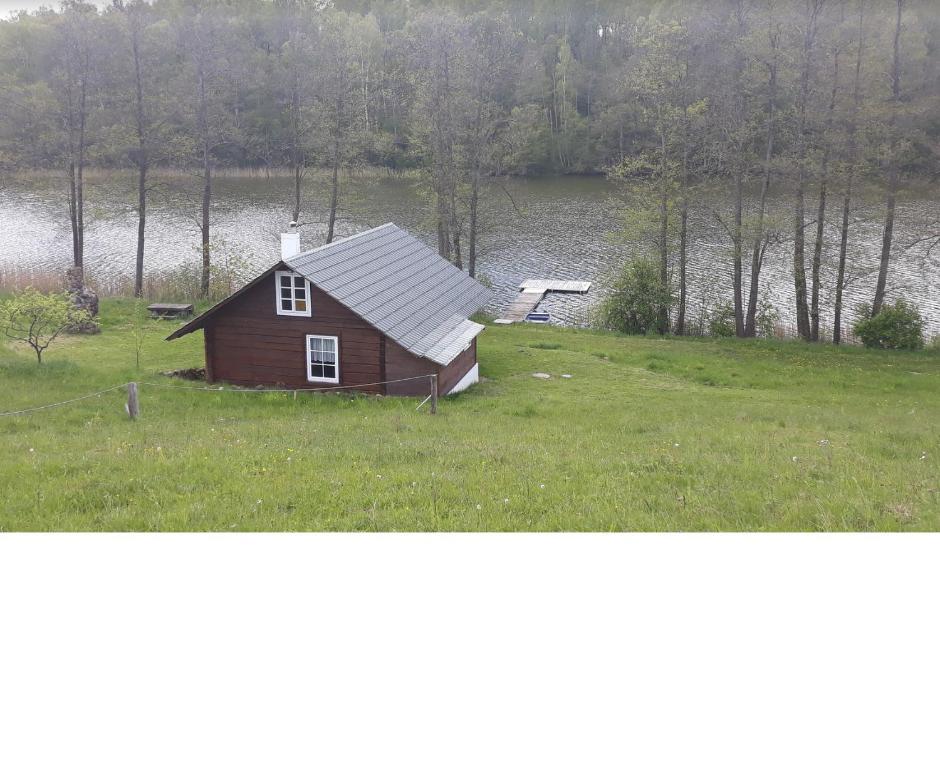
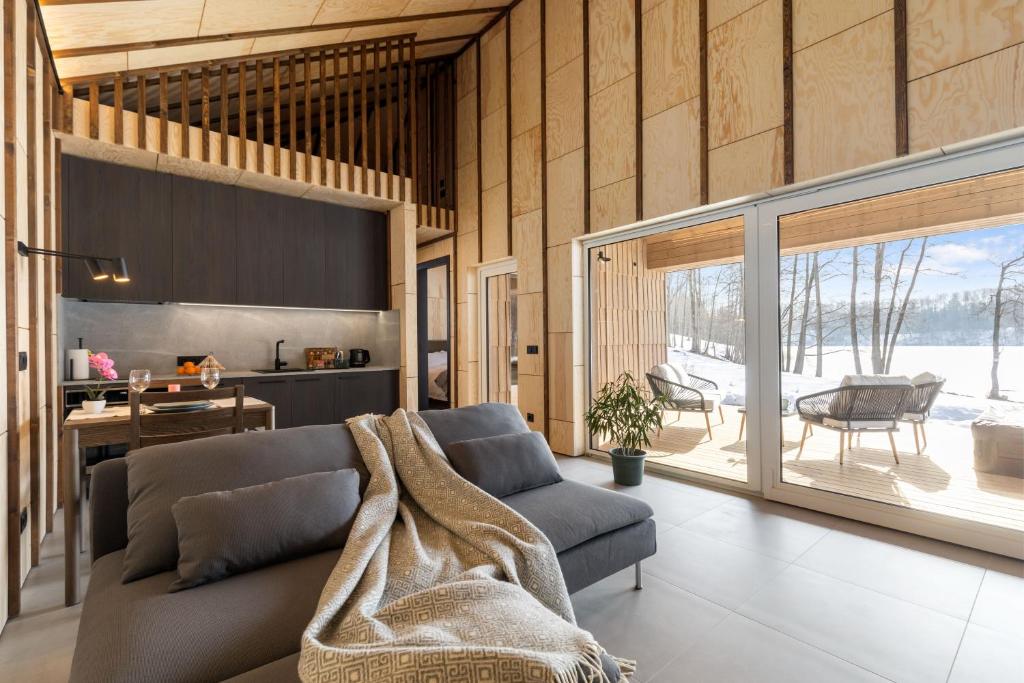
Accommodation spreads into several nearby settings, and the name of the nearest village does not always tell you which water lies outside the window. HIKARI and Namelis prie ežero look onto the smaller Lake Vizbaras; Sodyba Dubinga has garden grounds with ponds at Laumikoniai; ORO occupies an Asveja shore site at Giraičiai. Match that geography to how you want to cook, swim, walk and spend the evening.
A short visit works best with one main outing each day and enough time left to enjoy the accommodation. The park visitor centre and palace exhibition have separate access arrangements, while forest trails require attention to the approach road as well as the walking distance. Buy supplies and settle arrival instructions before heading to a cabin, especially for a late or cold-weather check-in.
Common questions
How many nights should I spend around Dubingiai?
Two nights allow a village and castle-peninsula visit on one day, with a woodland walk or quiet lake morning on the other. A third night is useful if a sauna session and time at the cottage are central to the trip. One night can still work, but choose a single outing and confirm the accommodation’s arrival window before arranging activities on both sides of check-in.
Do I need a car to stay here?
A car is the most practical way to connect the village, separate lake shores and trailheads while carrying food and luggage. If travelling without one, arrange the final transfer and any return journey with a local provider before booking a rural stay. Check the host’s actual map pin: a reservation page may use a broader locality name, and a lake-facing room is not necessarily within easy walking distance of dinner or the visitor centre.
What can I see on the castle peninsula?
The roughly 1.5-kilometre route passes old oaks, protected palace foundations, the former Reformed church site and the Radvila burial crypt, with views over Asveja. Park in the village centre or across the bridge by the brown pavilion, as the park does not provide a car park on the hill. The enclosed palace-remains exhibition requires advance arrangement from October; it is separate from the visitor centre at Radvilų 1. Visitors needing vehicle access for reduced mobility should ask the park about its gated-access arrangements.
Which woodland walk should I choose, and how do I reach it?
The Jurkiškis stream trail is about 1.5 kilometres, but its approach needs care: follow the road signs rather than a navigation shortcut along Lakštingalų Street, which the park warns is deeply rutted. Buses and motorhomes should stop at the designated area by the five-tonne sign before the final steep section. Near Giraičiai, Liudgarda follows the high wooded shore for about 1.8 kilometres each way, with steps down towards Asveja. These are uneven natural walks, not step-free promenades.
Which stays work best for families with children?
Sodyba Dubinga offers family accommodation with kitchens, but ask for the exact apartment and cot arrangement. HIKARI welcomes children only with advance notification; its villas are designed for two adults, with a child’s extra sleeping place on the living-room sofa and no separate cot or extra-bed provision on Booking. Namelis also lists no cots or extra beds and has a shore that a recent guest found unsuitable for young bathers. At ORO, choose the actual family room and confirm pool conditions, rather than assuming every advertised facility is operating.
Where can I cook, and can I rely on an evening restaurant?
HIKARI has a full kitchen but does not provide meals, so arrive with the ingredients you need. Namelis has a kitchenette, while Sodyba Dubinga’s self-contained units offer kitchens; confirm equipment if preparing several meals. ORO has restaurant facilities, though recent guests encountered limited service windows and advance dinner arrangements. Confirm the kitchen’s current opening hours before treating it as your only food option.
Are the sauna, hot tub and pool included with the room?
Ask about the exact stay. HIKARI’s panoramic sauna is booked in separate time slots, and its terrace hot tub is an additional service rather than an automatic inclusion. Namelis and Dubinga require discussion of sauna preparation and access. ORO’s current reviews repeatedly describe short, crowded spa sessions and some unavailable facilities, so request the actual operating timetable and package details before building the day around a swim.
Is Dubingiai suitable for a winter break?
Yes, if the appeal is a heated cabin, a shorter daylight walk and a prearranged sauna rather than a full summer activity programme. HIKARI confirms year-round heating and a wood stove; at Namelis, a recent cold-weather stay found the house warm but the toilet area cooler. Check the park’s seasonal exhibition arrangements and ask ORO specifically about room heating and current facilities. Agree access, meals and arrival time before setting out, since a scenic rural setting does not provide an evening backup service by itself.
Prices are set by the booking site. We may earn a small fee, at no cost to you.