About Kernavė
Kernavė rewards a slower visit than a quick photograph from the top of a mound. The five hillforts and the Neris valley preserve the shape of an important medieval settlement, while the archaeological museum supplies the objects and explanations that make the open landscape easier to understand. Expect grassy earthworks and broad views, rather than intact castles with furnished halls.
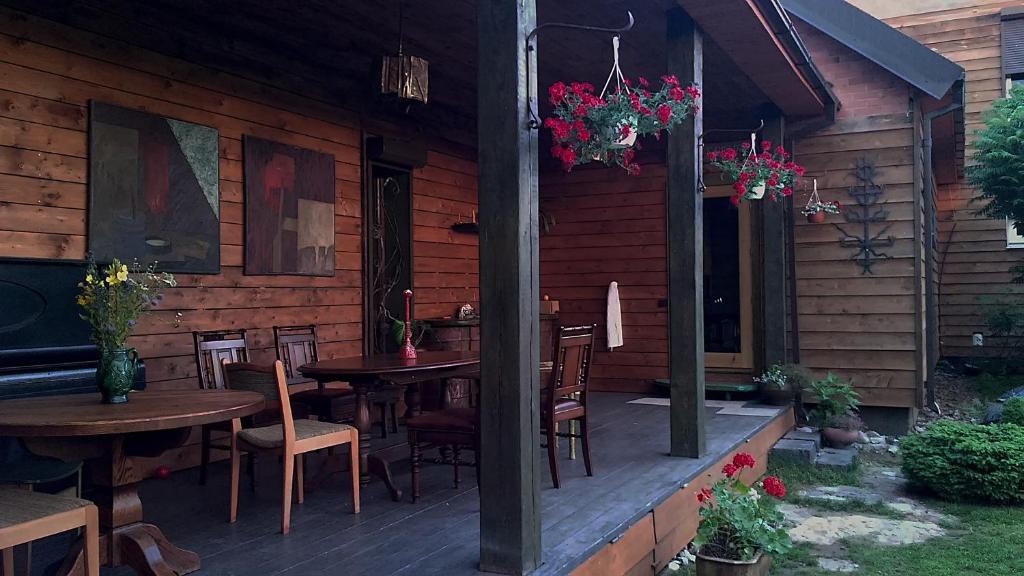
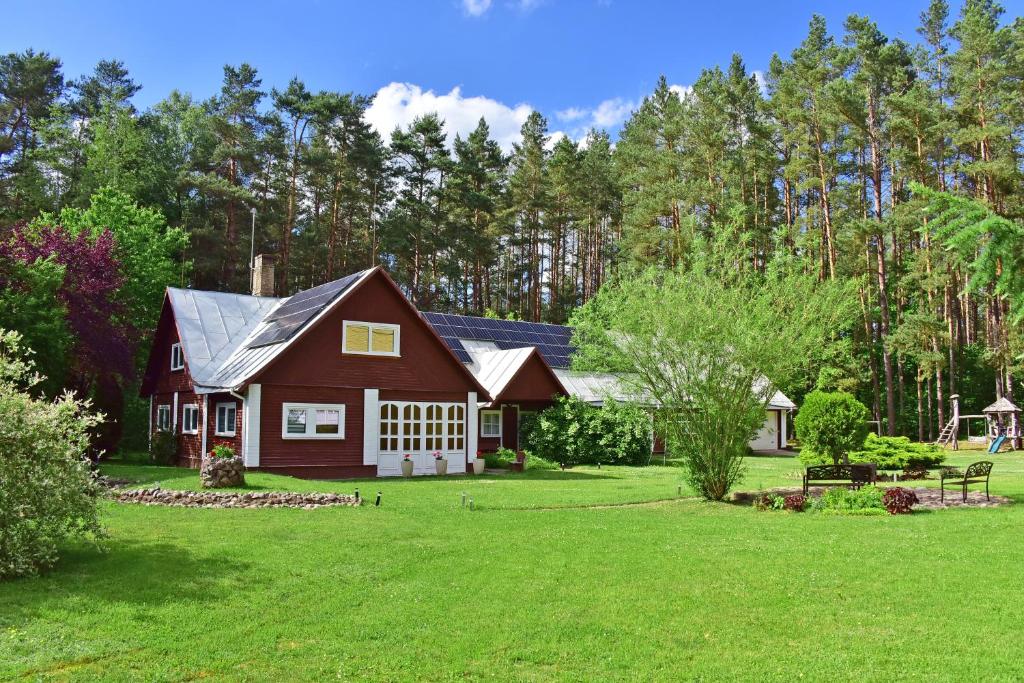
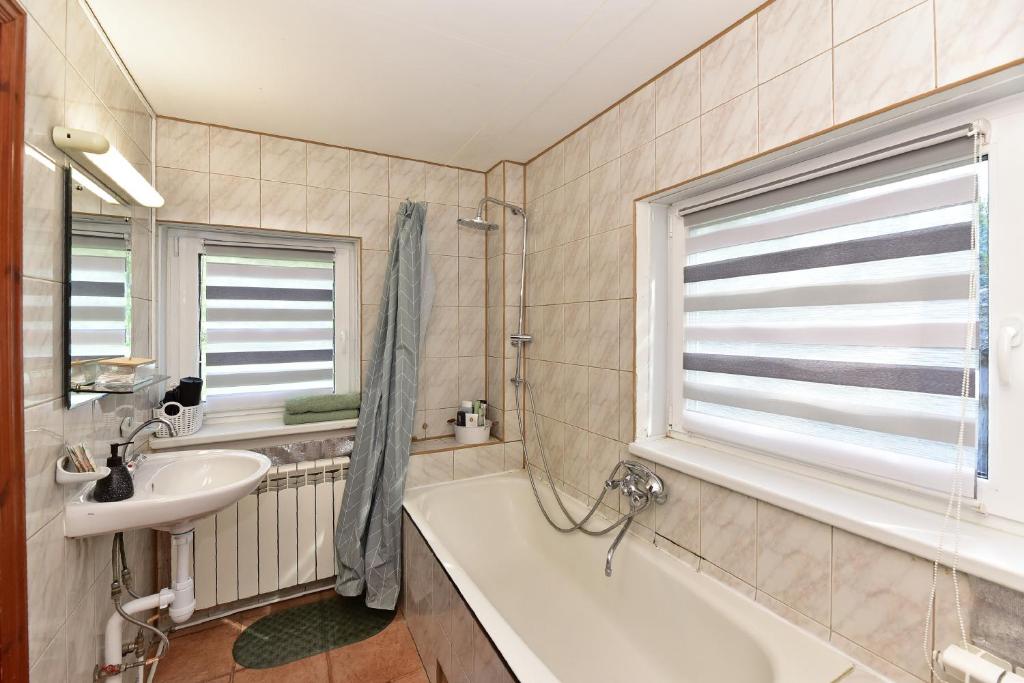
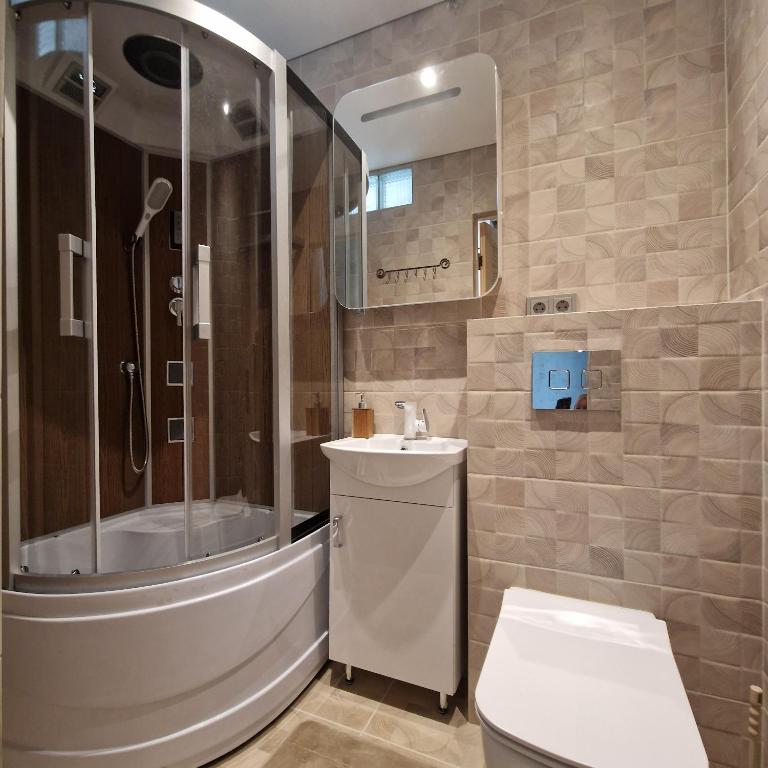
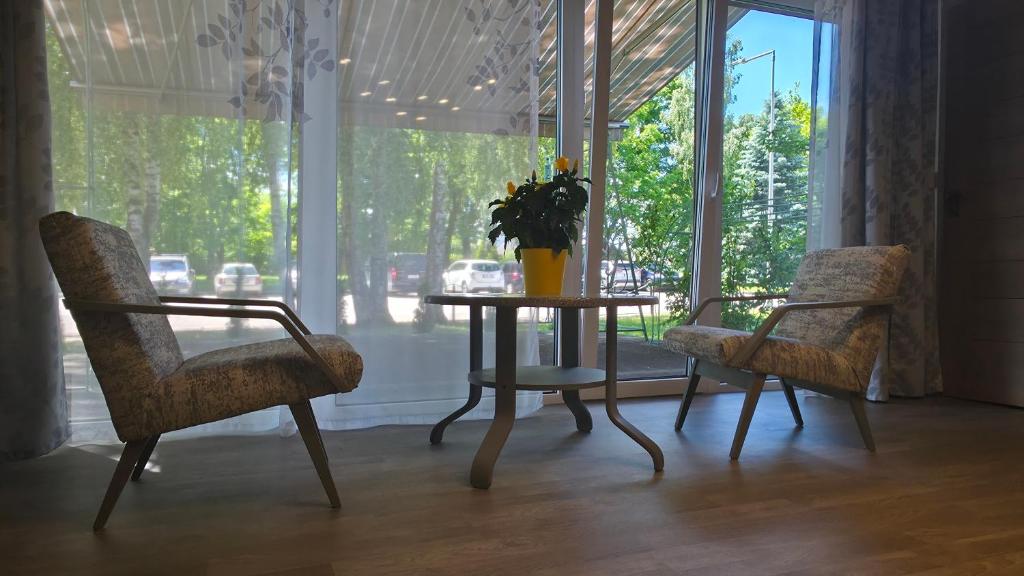
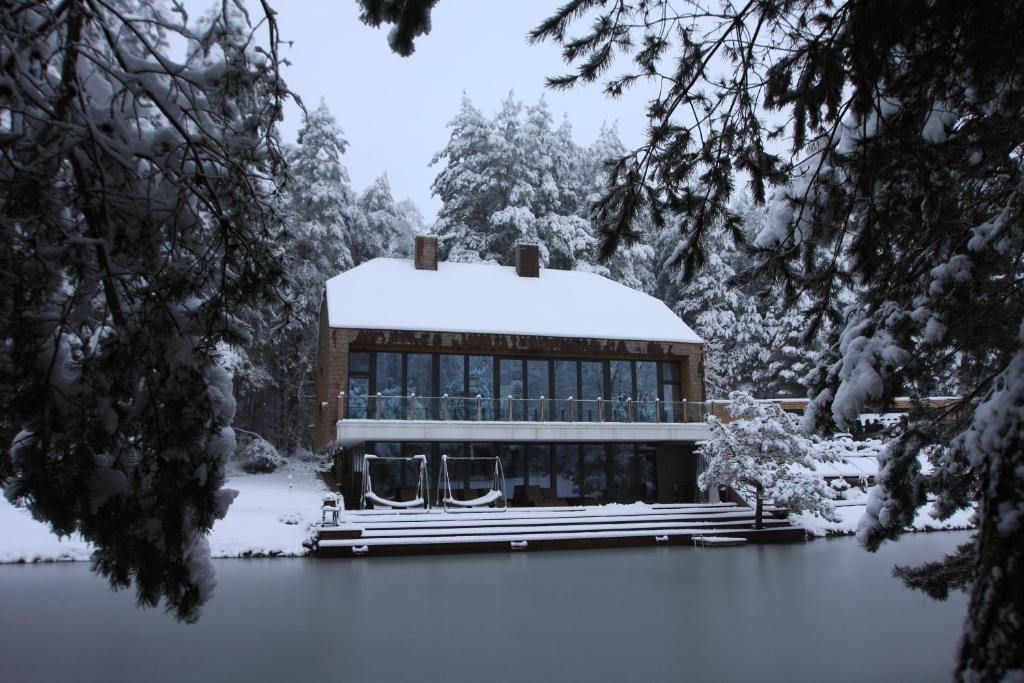
An overnight lets you separate the museum from the outdoor walking and enjoy a quieter stretch of the village between outings. Accommodation is small and personal: rooms beside a sculptor’s studio, an old central house, a garden apartment with wellness facilities, and a three-bedroom home towards the woods. These settings offer more character than a uniform hotel experience, but also require more attention to arrival instructions, shared facilities and meal arrangements.
The reconstructed craftsmen’s yards add a useful picture of medieval everyday life during their warmer-season opening. They are modern reconstructions based on archaeological evidence, not surviving medieval houses. Leave time for contemporary sculpture as well, with a studio appointment arranged before planning your day around an artist’s availability.
Common questions
How long should I stay in Kernavė?
One night works well for the museum, the main hillfort walks and time in the village without an immediate return to Vilnius. Choose two nights if you want a studio visit, a longer nature outing and a sauna session without fitting them around the same afternoon. Check the museum’s opening day first; an overnight from Sunday to Monday needs a different order of activities.
Can I visit without a car?
The reserve publishes buses linking Vilnius, Kernavė and Širvintos, with different weekday and weekend departures. Check the actual travel date and the return service before committing to a late studio visit. A central room is the simplest choice with luggage; guests staying farther along Pilkapio should agree the final approach with their host rather than assume a frequent local shuttle.
Are the hillforts and museums open on the same schedule?
The archaeological reserve is open independently of the museum timetable. The indoor museum normally opens Tuesday to Sunday, closing earlier from November to March; public holidays have exceptions. The reconstructed outdoor town opens only from April to October during museum hours. Leave time before the final admission cut-off, and do not expect a winter walk among the mounds to include access to those reconstructed houses.
Which walking route suits a short stay or limited mobility?
Start with the village and choose the designated approaches to the hillforts according to your ability, since climbs and uneven surfaces are part of the landscape. The reserve also describes a separate 2.6-kilometre White Mountain trail, reached along Pajautos Street, with a viewpoint towards a Neris bend. Its short distance is not a guarantee of step-free access. Stay on prepared routes: climbing unmarked slopes damages the protected earthworks and is prohibited.
Which accommodation works best with children?
All four listed properties accept children, but the actual sleeping arrangements differ. Jorunas offers three bedrooms with a shared household bathroom; at Gallery, confirm every booked bed and linen set because recent guests encountered an allocation mismatch. Centras does not provide extra beds and some family categories share bathrooms. Ask Pajauta about the chosen apartment and cot arrangements, and supervise children on the hillfort slopes.
Can I cook, or should I book meals?
Jorunas has a kitchen, and Pajauta offers a kitchen-equipped apartment, making them the clearest choices for preparing your own meals. Gallery guests describe a shared outdoor cooking area, whose seasonal availability should be confirmed. Centras has shared kitchen facilities, with a recent complaint about their condition. Buy essentials before a late arrival and arrange any catered meal in advance rather than assuming a village guesthouse operates a restaurant every evening.
Does a Pajauta booking include the sauna and hot tub?
Do not assume so from the property name or photographs. Ask which wellness facilities are currently available, whether a session needs advance booking, and what the selected accommodation package actually includes. Make the same enquiry about heating and arrival preparation for a cold-weather visit. A private apartment bathroom and a bookable sauna are separate facilities.
How do I visit the local artists’ studios?
The reserve identifies Henrikas Orakauskas’s Šulinys sculpture studio at Vilniaus 8, the same address as Gallery Guest Rooms. Staying there does not automatically include a guided workshop, so contact the hosts about what is available. Bardo at Pilkapio 17 specifically requires an appointment and is separate from Jorunas next door. Treat these as working studios with individual arrangements, leaving the museum and outdoor reserve as the more predictable parts of your itinerary.
Prices are set by the booking site. We may earn a small fee, at no cost to you.