About Puebla
Puebla rewards a stay built around its streets as much as its cathedral. Founded in 1531 on a planned grid, the historic centre combines tiled façades, courtyards and the Palafox Library with places to try mole, chalupas and cemitas.
Choose the Zócalo and western historic streets for repeated walks, Los Sapos or Analco for eastern lanes, or San Francisco for the convention-centre approach. The western city hotels suit plans around La Paz, business addresses and shopping, with road journeys back to the centre.
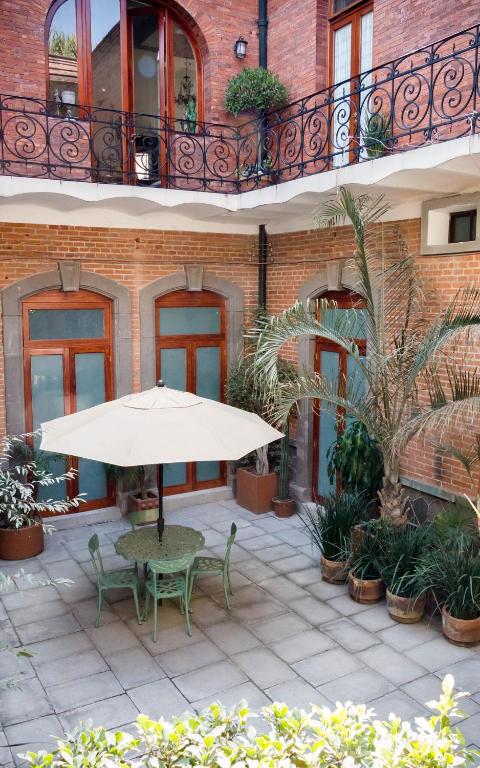
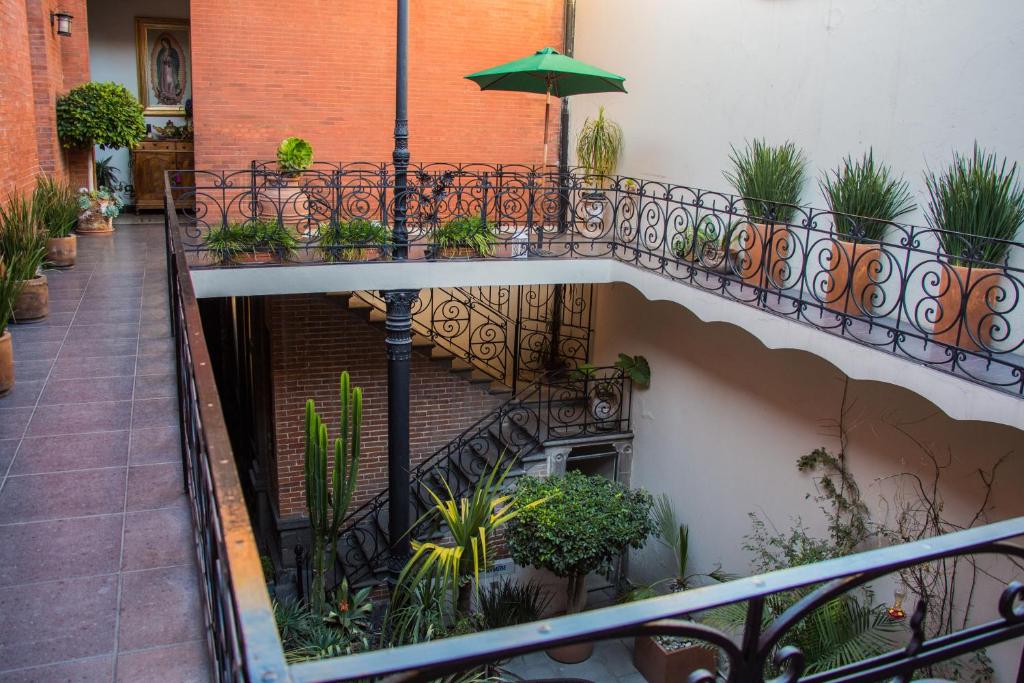
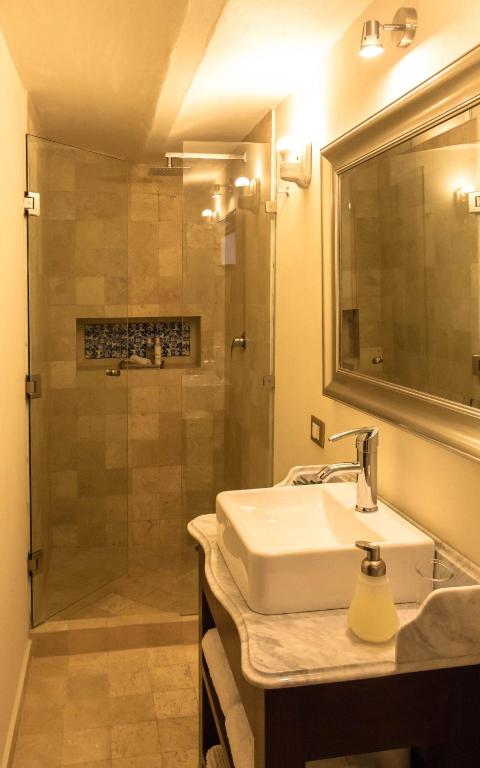
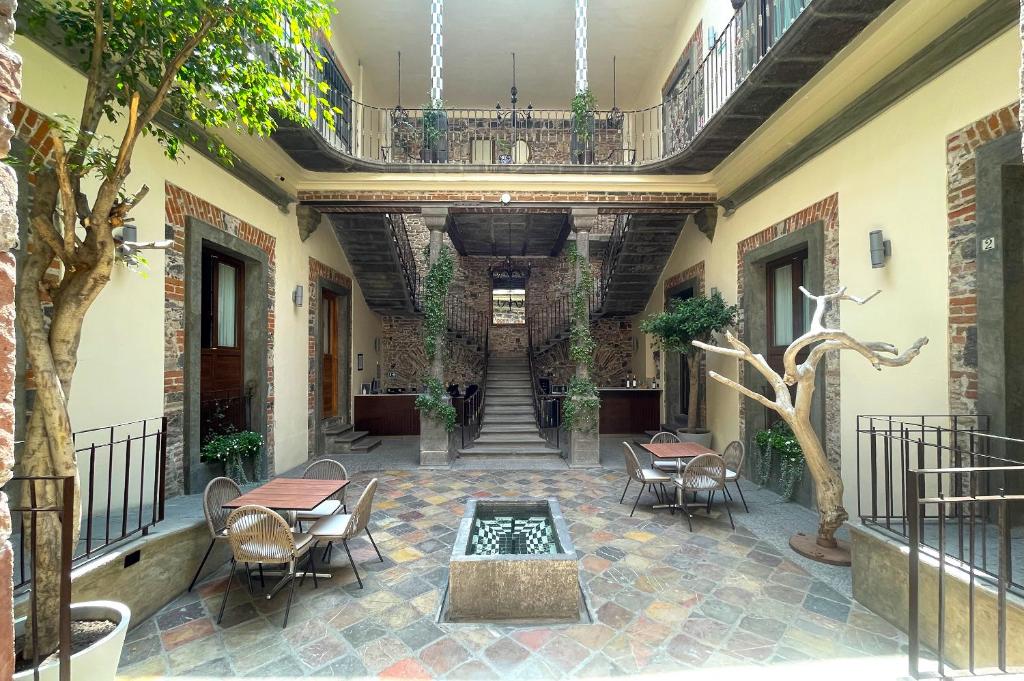
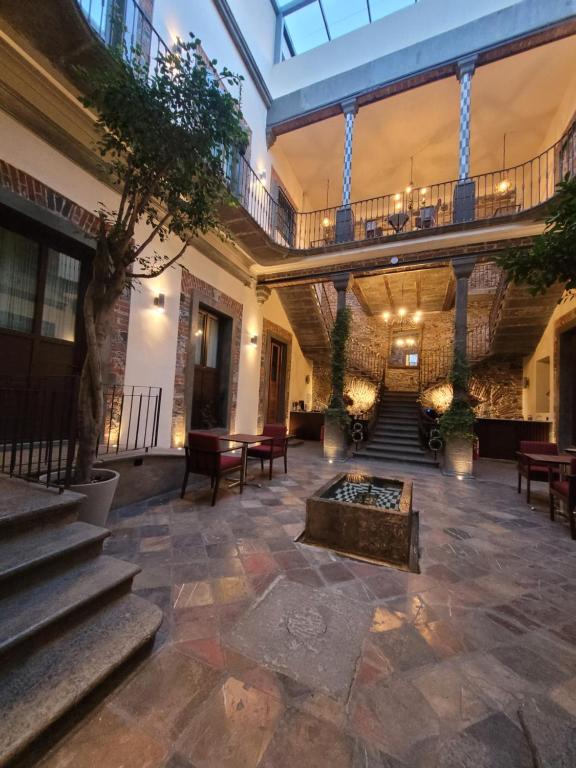
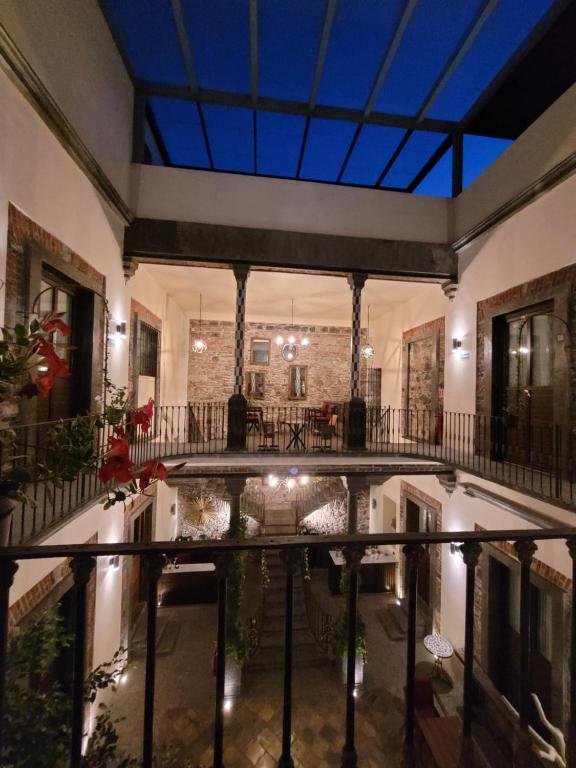
Room position matters: heritage buildings can have stairs, interior bedrooms and street or event noise.
Common questions
How many nights should I spend in Puebla?
Two or three nights is a comfortable pace for a first visit, combining historic walks, regional food and time in the hotel. Give the cathedral, Palafox Library and central streets one part of the trip, then leave room for the eastern barrios or a leisurely meal. An overnight stay also lets you return to a courtyard between outings instead of fitting everything around an onward journey.
How do I reach my hotel from Puebla airport?
Puebla's airport is Hermanos Serdán, code PBC, and its operator places it in Huejotzingo outside the city hotel areas. Arrange the road transfer to your exact Puebla address, agreeing the pickup point and transport provider before flying. Confirm whether any hotel-arranged service is included and how the driver will identify the flight.
What should I check when arriving by intercity bus?
Read the terminal name on your ticket, because CAPU and CAPU Sur are separate arrival points. CAPU on Boulevard Norte has a terminal taxi service and access to urban buses, but you should confirm the current destination and boarding point before choosing a bus. Give the driver the hotel's street and number, and check the final luggage route when the entrance is on a small historic street.
Can I visit Puebla without renting a car?
A central stay can work well with walking and planned taxi or bus journeys, while the western hotels need more attention to the last leg. RUTA is an articulated-bus network, and Line 3 connects CAPU with Valsequillo; use a loaded prepaid card, with a separate card for each passenger's transfers. Check the stop, return route and street crossings rather than assuming the bus reaches the hotel entrance.
Which area suits a first visit?
The Zócalo and historic streets are the simplest starting point for repeated cathedral and museum walks, although the western Reforma address is farther out. Los Sapos and Analco suit eastern explorations, with the busy boulevard between them, while San Francisco is useful for the convention-centre approach. Choose La Paz or the western avenues when your meals, work or other daily destinations are in that part of the city.
How do weather and rain affect a stay?
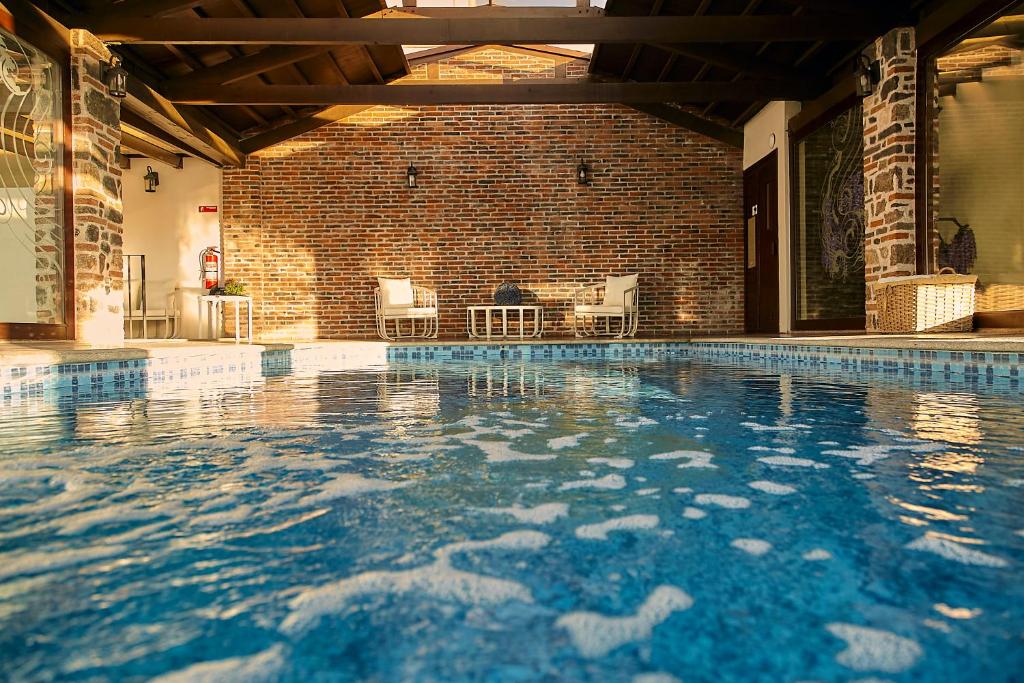
INEGI describes the city's broader municipal climate mainly as temperate with summer rain, so keep an indoor cultural visit available when the forecast turns wet. Pack a rain layer and clothing you can add or remove rather than treating municipal temperature ranges as a forecast for your room. Confirm the exact room's fan, air conditioning or heating, and ask separately about pool temperature if swimming matters to the trip.
Do festivals change arrival and parking plans?
For a stay around the 5 May Battle of Puebla commemoration or another announced event, check the current programme and access notices before fixing your arrival. Ask the hotel which entrance, drop-off point or garage will be usable, because parade operations can alter traffic routes. Keep some flexibility around the event itself rather than relying on a previous year's route or closure schedule.
What can I see on foot besides the cathedral?
The Palafox Library, tiled façades and historic civic or religious interiors give the central grid plenty of interest between meals. Continue toward Los Sapos, Analco or San Francisco according to your interests, using the appropriate boulevard crossings. Check opening arrangements and the actual access route for each interior, since a walk through the centre does not guarantee step-free entry everywhere.
Which local food should I plan to try?
Mole poblano, chalupas, cemitas and traditional sweets are useful starting points, whether you eat near the centre or along the western restaurant streets. Chiles en nogada follow a traditional walnut-and-fruit harvest season around late July to early September, so ask about the current menu and ingredients. Check hotel breakfast and children's meal coverage separately, and leave time for a regional lunch or dinner outside the room.
What should families and travellers with mobility needs confirm?
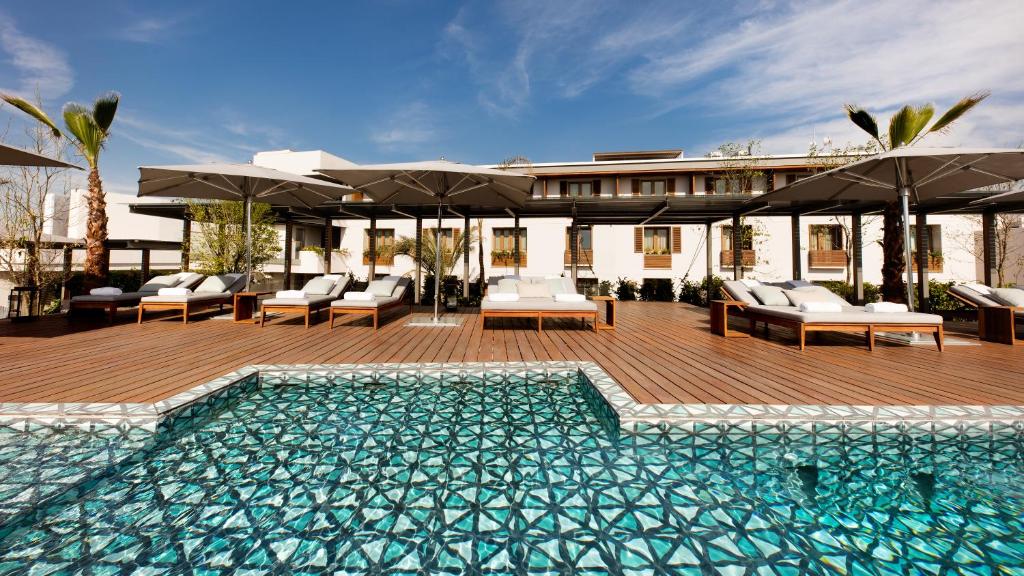
Check minimum ages first: several small central stays admit adults from 18, while one Los Sapos property starts at age 1. Ask for the exact beds, party capacity and children's meals, because two double beds do not automatically establish four-person occupancy and some breakfast packages cover adults only. For mobility needs, obtain the entrance-to-bedroom route, bathroom layout and parking arrangement, including any steps between a lift, rooftop or pool.
Prices are set by the booking site. We may earn a small fee, at no cost to you.