About Tehuacán
Tehuacán is a useful city base for a landscape that is much bigger than its cathedral square. The Tehuacán–Cuicatlán Valley, inscribed on the UNESCO World Heritage List in 2018, contains some of the densest columnar-cactus forests in the world, as well as long evidence of plant domestication and early water-management systems.
Its protected components reach from the Zapotitlán-Cuicatlán landscape to San Juan Raya and Purrón; they are not all within the city limits. Spending the night in Tehuacán lets you enjoy a walk around Parque Juárez and the cathedral, then dedicate another day to one of these fragile desert ecosystems with a local guide.
Closer to town, the Popoloca archaeological settlement at Tehuacán el Viejo, also called Ndachjian, is near San Diego Chalma. INAH describes its Temple of the Skulls and ancient political role; it currently opens from Tuesday through Sunday.
On the north-western approach, the state Museo de la Evolución uses fossils and displays to explain the region's deep natural history, including the Mesozoic and the development of mammals. The centre has a different rhythm from these outings: food stalls, traditional shops, shaded gardens and the ex-convent district.
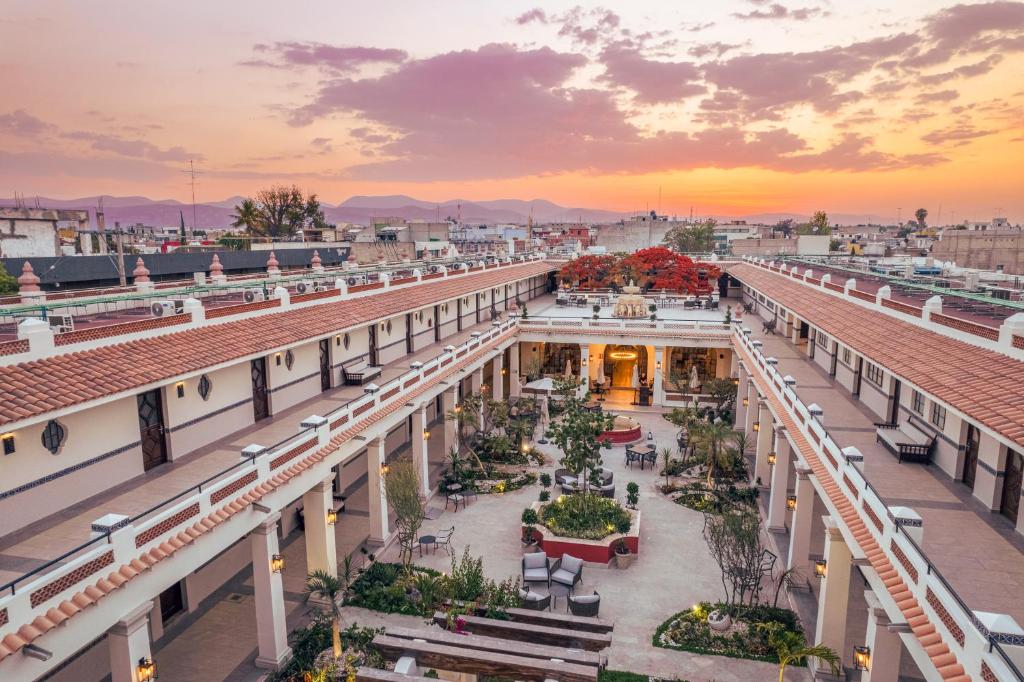
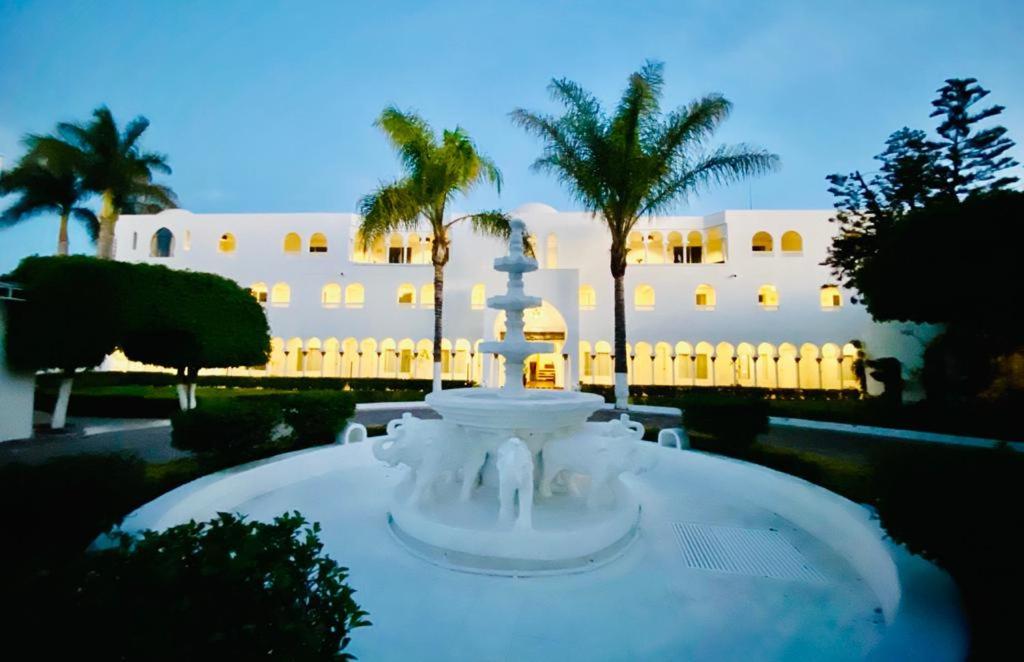
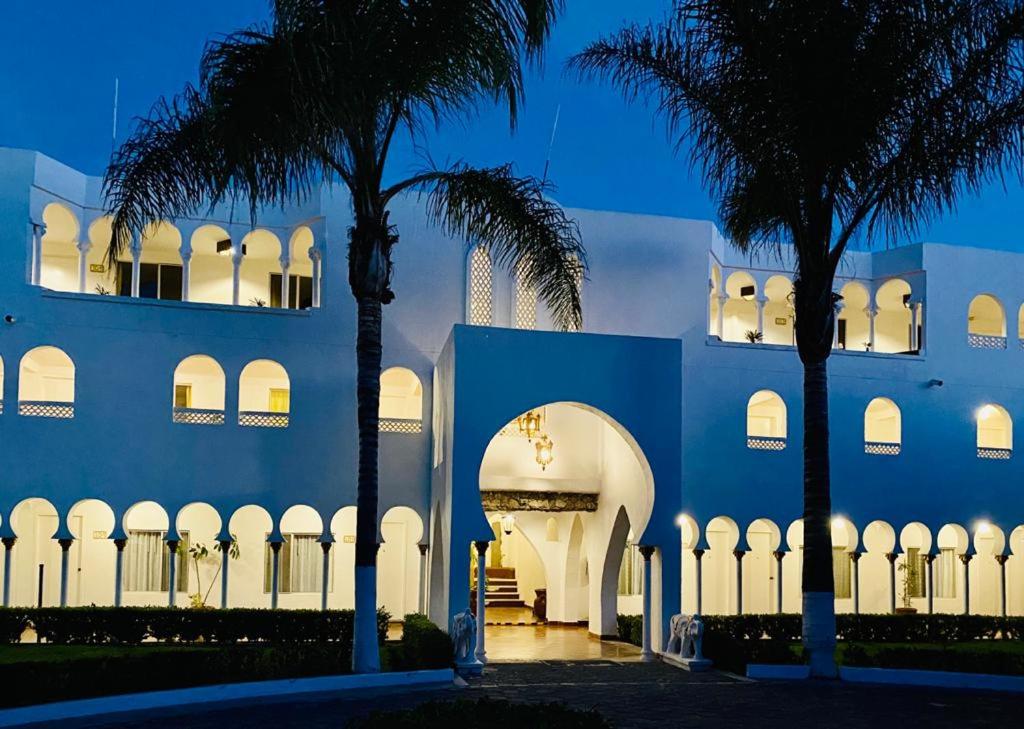
Decide whether you want to sleep beside the cathedral and old streets, stay on Reforma for shops and an easy central walk, or take a pool-and-garden property near San Lorenzo Teotipilco for road-based excursions. The valley is dry to semi-arid and can feel very exposed; carry water and respect reserve access.
A two-night visit lets you avoid trying to fit the city, archaeology and cactus forests into a single morning.
Common questions
Why is the Tehuacán–Cuicatlán Valley on UNESCO's list?
UNESCO inscribed the valley in 2018 for exceptional cactus and dryland biodiversity and evidence of early plant domestication, irrigation and settlement. The World Heritage property has three components spread across a wide region.
Are the cactus forests in central Tehuacán?
No. The impressive columnar-cactus landscapes lie in protected parts of the valley such as Zapotitlán-Cuicatlán and San Juan Raya, which require road transfers and respect for reserve access.
What is Tehuacán el Viejo?
An archaeological zone of the Popoloca city Ndachjian near San Diego Chalma, with ceremonial architecture including the Temple of the Skulls. INAH lists Tuesday–Sunday 09:00–17:00.
Where is the Museo de la Evolución?
The Tehuacán branch of the state Evolution Museum is at Puebla–Tehuacán highway 1211, San Lorenzo Teotipilco, not in the old centre. It covers the origin of life, dinosaurs, mammals and biodiversity.
Which area should I choose without a car?
The central blocks by Parque Juárez, the cathedral and Reforma Norte are easiest for food and short museum walks. Use a taxi, driver or arranged trip for archaeology and protected desert sites.
When should I plan a cactus walk?
Treat it as an exposed semi-arid landscape, not a shady city park. Check heat, seasonal rain and permitted routes with the reserve administration or local community guides; carry water and do not disturb protected plants.
How many nights should I spend here?
One can cover the centre and a museum. With two or three, allow separate time for Tehuacán el Viejo and a guided cactus-forest outing, because those destinations are geographically distinct.
Prices are set by the booking site. We may earn a small fee, at no cost to you.