About Cajamarca
Cajamarca sits in an Andean valley at about 2,750 metres, with a compact historic centre that rewards staying nearby. The Plaza de Armas, Cuarto del Rescate and Belén complex give a city day substance, while Santa Apolonia adds a stepped climb and a view across the roofs. Six kilometres east, Baños del Inca has a separate town rhythm centred on thermal water.
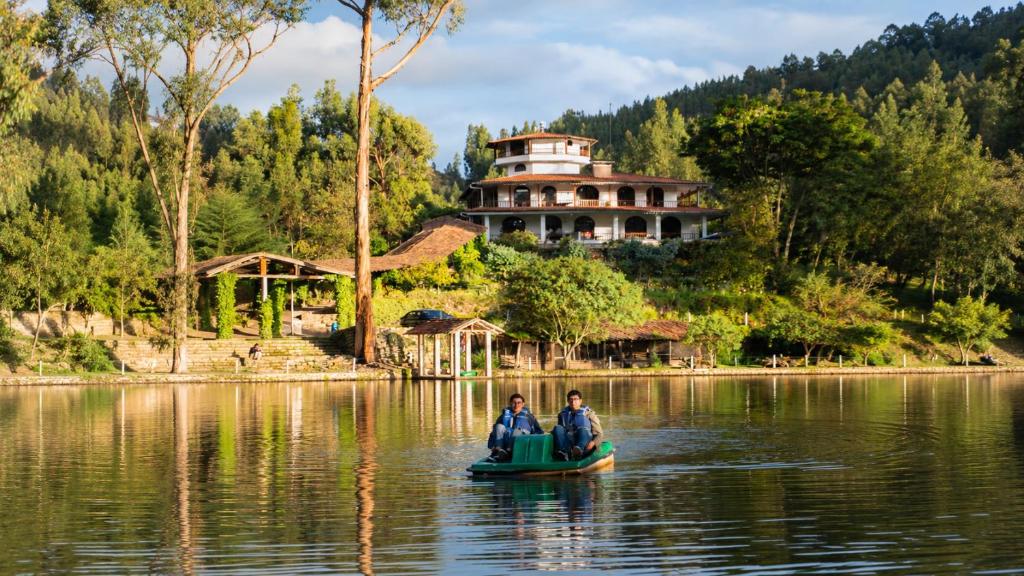
The northern countryside offers gardens, farms and quieter evenings. Choose between walking out for dinner and spending time at the accommodation: Cumbemayo and the Otuzco burial niches are excursions in different directions, whatever base you choose.
Common questions
Which base works best for a first visit?
The historic centre is the easiest starting point if architecture, museums and independent meals lead the itinerary. Baños del Inca makes sense when thermal bathing is a repeated pleasure rather than a single excursion. A country stay north of the city is better when you want to use the grounds and restaurant between outings. Compare the whole day's rhythm before choosing a room: the most appealing garden may also mean arranging a car whenever you go into town.
How many nights should I allow?
Three nights allow a city day and two selected excursions without trying to fit every direction into one outing. Four or five nights give more room for a country retreat, bathing and a weather change. Keep the arrival afternoon unhurried at this altitude, then place the higher Cumbemayo walk later in the visit. For a short break, one well-chosen base is usually simpler than moving between the centre and Baños del Inca.
How do I reach Cajamarca and travel between the areas?
Direct flights from Lima reach Cajamarca airport, CJA, in about one hour twenty minutes; check the actual service for your dates. Road journeys from Trujillo or Chiclayo are roughly six hours as a planning reference, with conditions and the chosen bus affecting the trip. Arrange a taxi or hotel pickup for luggage and outlying stays. The historic core can be explored on foot, while Baños del Inca and country properties require separate local journeys.
When should I visit, and how does carnival change the stay?
June to September is generally the drier period, with cool nights; rain is more frequent from around October to April. Bring layers and keep outdoor plans flexible rather than expecting every dry-season day to be clear. Carnival falls around February or March and fills the city with neighbourhood groups, costumes, music and sung coplas. Check the year's programme, reserve early for the events you want and ask about room position if evening quiet matters.
What can I see on a walk through the historic centre?
Begin with the Plaza de Armas, cathedral and San Francisco, then visit the Cuarto del Rescate, associated with Atahualpa's captivity and ransom. The Belén complex adds a church and museum collections. Santa Apolonia offers a view over the city but involves an uphill approach and steps. Plan these as several stops with breaks, and confirm current entry arrangements. Travellers who need level access should discuss the route and the hotel's own stairs before booking.
Are the thermal baths inside the hotels?
Baños del Inca has a public thermal complex, about six kilometres east of Cajamarca and roughly twenty minutes away by car under ordinary conditions. Some accommodation offers its own bathing facilities, but a hotel address, a swimming-pool photograph and an in-room soaking bath describe different things. Confirm which facility is available, whether thermal water is used and what the selected booking includes. Follow the staff's conditions for the particular bath, and check whether use is private or shared.
Can I combine Cumbemayo and Otuzco in the same outing?
They lie in different directions, so separate half-day outings usually give each more space. Cumbemayo is about twenty kilometres southwest and around 3,500 metres high, with the Los Frailones rock formations and an ancient channel cut through stone. Otuzco's burial niches are about eight kilometres northeast of the city. Discuss the actual road plan with your driver or guide, wear shoes suited to uneven ground and bring a warm layer and rain cover for the higher site.
What local food should I look for?
Try caldo verde, a potato broth with fresh cheese, egg and aromatic herbs, or humitas filled with cheese. Regional cheeses and rosquitas are useful introductions to Cajamarca's dairy and baking traditions. Ask about ingredients rather than assuming that a vegetable-looking dish is suitable for every diet. Staying in the centre makes it easy to compare restaurants; for a country retreat, discuss meal times and dietary requirements before arrival so dinner fits the slower setting.
Prices are set by the booking site. We may earn a small fee, at no cost to you.