About Chachapoyas
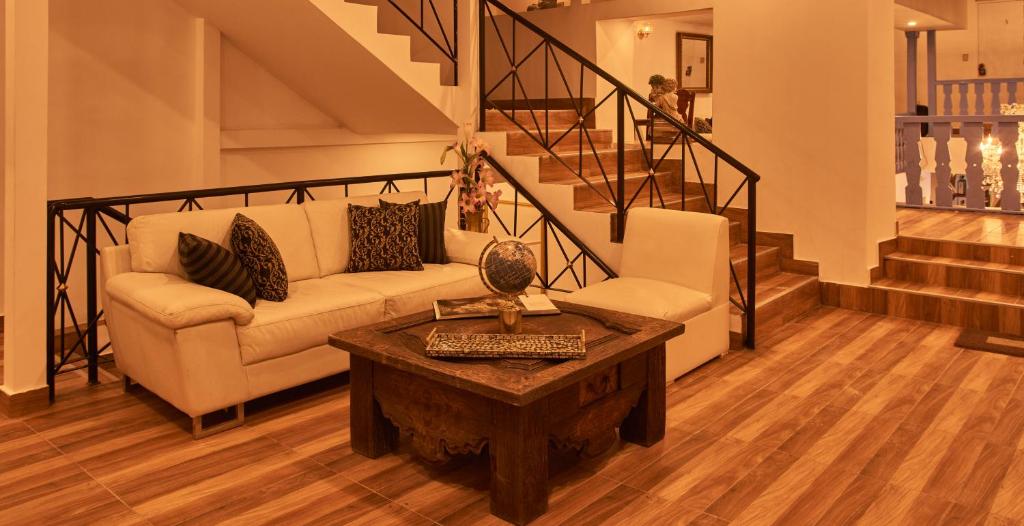
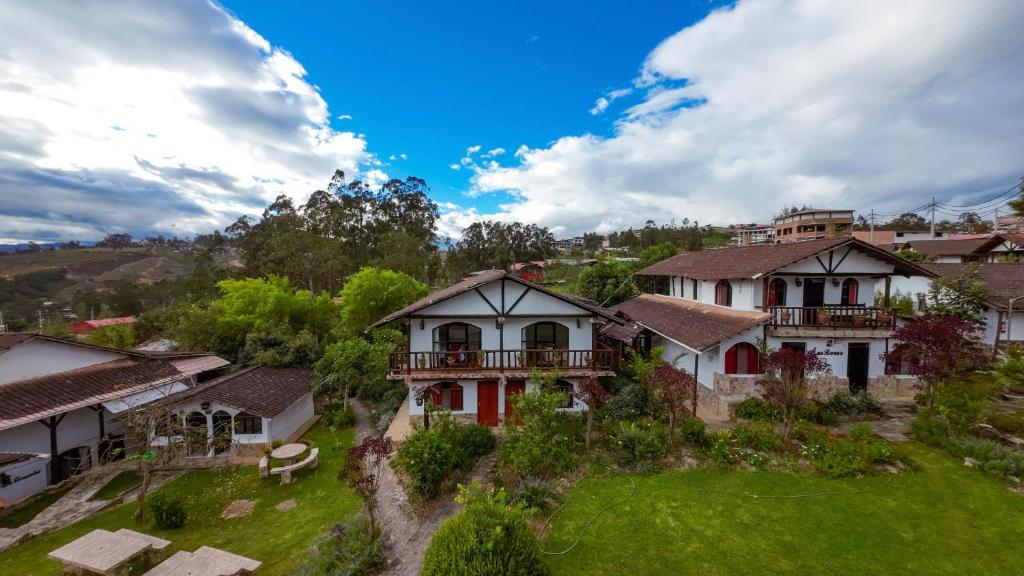
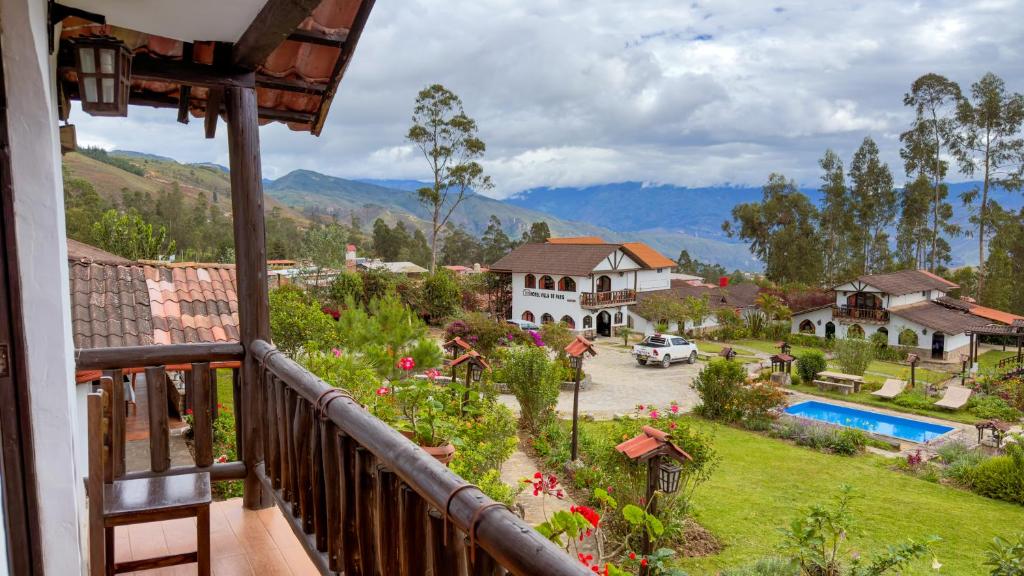
Chachapoyas sits around 2,335 metres above sea level in Peru's Amazonas region, with old courtyards and wooden balconies behind the central streets. Staying near the Plaza Mayor makes dinner and excursion departures easy to organise, while garden properties on the southern approaches offer more time outdoors at the hotel.
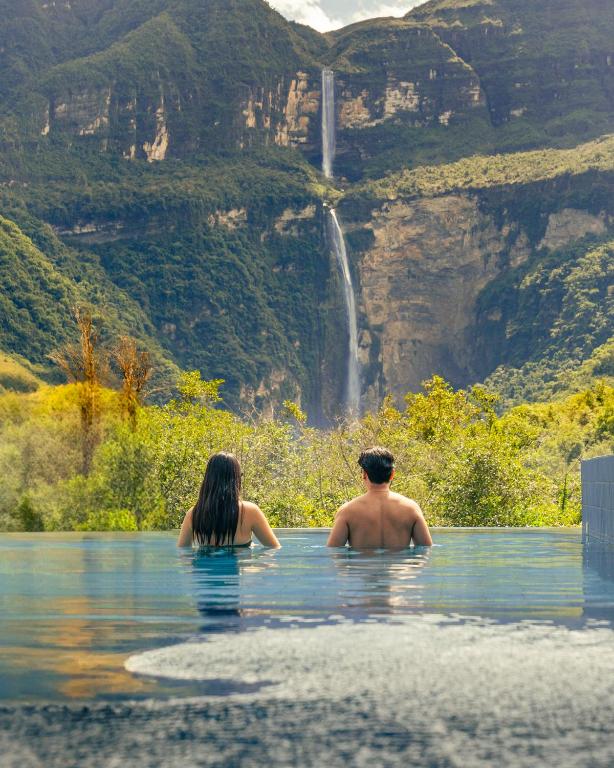
Cocachimba, about an hour away by road under ordinary conditions, changes the trip into a waterfall stay beside the route to Gocta. Treat Kuélap and Gocta as separate outings, with a city walk or a shorter Huancas visit between them if your schedule allows. Mist, rain and mountain roads reward a little flexibility.
Common questions
Which base should I choose for a first visit?
The historic centre is the most flexible choice for a short trip with several excursions and independent dinners. A southern garden stay works when you will use the grounds and restaurant and can arrange local rides. Choose Cocachimba when Gocta and time looking across the slopes are central to the holiday. With four or five nights, a city stay followed by a village stay can work well; with fewer nights, consider the extra packing and transfer before changing accommodation.
How many nights make sense?
Three nights allow two full outings, usually Kuélap and Gocta, if arrival times and conditions cooperate. Four or five nights leave room for the city, Huancas, a slower waterfall day or a changed plan after rain. Keep the arrival afternoon gentle and avoid placing every demanding walk on consecutive days. A second night in Cocachimba is useful if you want both the full trail and time at the lodge, rather than arriving only to leave again at dawn.
How do I reach Chachapoyas?
ATSA lists direct Lima–Chachapoyas flights, with a journey of about one hour forty minutes; check the actual operating dates before reserving the rest of the trip. Overland travel from Lima is a long journey of roughly twenty-two hours, with conditions and the service affecting the time. At the November 2026 check, LATAM's Lima–Jaén route page listed that service as suspended, so confirm a real flight before organising a Jaén road connection. Arrange the final pickup separately for city gardens or Cocachimba.
When is the best season for walking and sightseeing?
May to September is generally drier, especially June to August, while rain is more frequent from around October to April and strongest in March in the city climate normals. Rain and mist remain possible throughout the year. Bring a waterproof layer, footwear with grip and warmer clothes for evenings. Waterfall paths can be muddy, and a clear morning does not guarantee clear views all day. Keep some flexibility for road conditions and ask locally about the route before setting out.
How should I organise a Kuélap visit?
Check both the Telecabinas operating calendar and the Ministry of Culture's TuBoleto availability before fixing the day. The cableway ticket is separate from the archaeological-site ticket; choose access including the llaqta interior if you want that circuit. The trip starts at Nuevo Tingo with a bus and cableway to La Malca, followed by a walk to the monument. Bring the identification used for the reservation and follow the permitted route. Conservation work or weather can change access, so allow the outing its own day.
How demanding is the walk to Gocta?
The route from Cocachimba reaches the lower fall and can take around two and a half hours each way, depending on pace and conditions. The upper-fall approach starts at San Pablo, and combining both falls makes a different, longer route. Discuss the actual plan with a local guide, including the return and any transport between villages. Horses can cover part of the route, but they do not remove every walking section. If a full hike does not suit you, choose a stay with an appropriate outlook and enjoy shorter activities nearby.
What can I do on a lighter day near the city?
Walk around the Plaza Mayor and Jirón Amazonas, pause in a courtyard café and continue toward Belén or the Plazuela de la Independencia. The village of Huancas offers a separate outing for its pottery tradition and the Sonche canyon viewpoints. Arrange a workshop visit rather than assuming artisans are always demonstrating, and check the paths and visibility before choosing a viewpoint. These smaller plans give the city more than a transit role and leave room to rest between the longer regional excursions.
What local food and cultural events should I look for?
Try juanes de yuca, a regional cassava preparation wrapped in leaves, or picante de cuy if you want a traditional guinea-pig dish. Ask about fillings and ingredients, particularly when following a specific diet. The city's tourism week and Raymillacta bring communities together through music, dance and regional traditions; check the current year's programme instead of expecting a performance every evening. In the centre, meals are easy to choose independently; at garden or village stays, agree on dinner and early breakfasts before arrival.
Prices are set by the booking site. We may earn a small fee, at no cost to you.