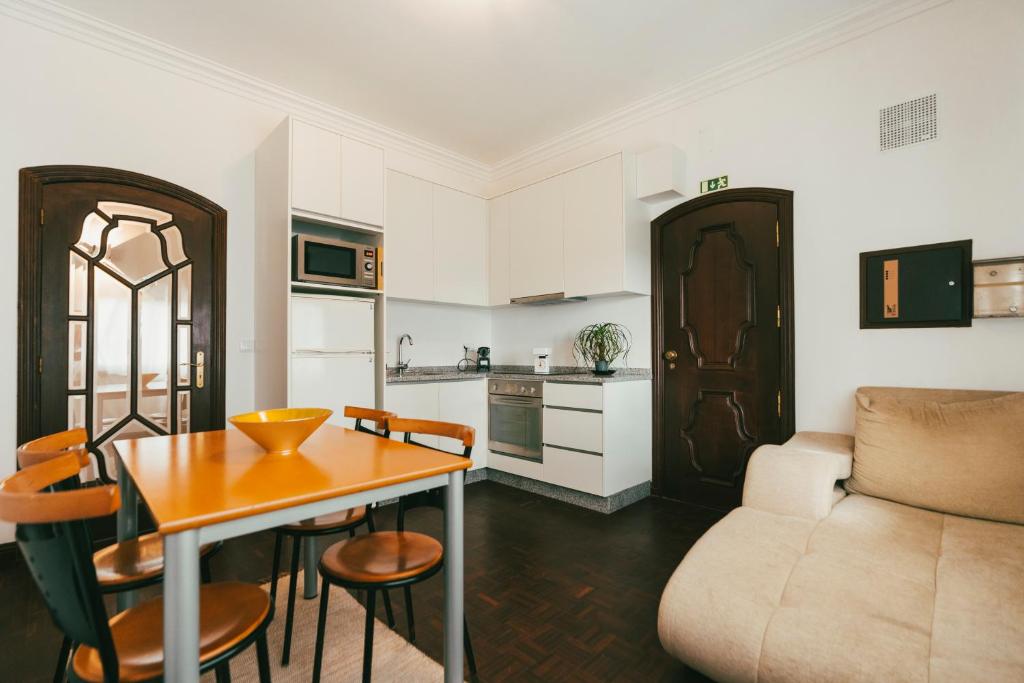
About Alijó
Alijó is an upland Douro base, with vineyards around the town and a different rhythm from the railway and boat departures down at Pinhão. Its church, pillory and old plane tree give a short town walk a useful focus, while the neighbouring village of Favaios adds bakeries and a museum about local bread and Moscatel. Choose the setting where you want to spend your evenings before filling the day with valley excursions.
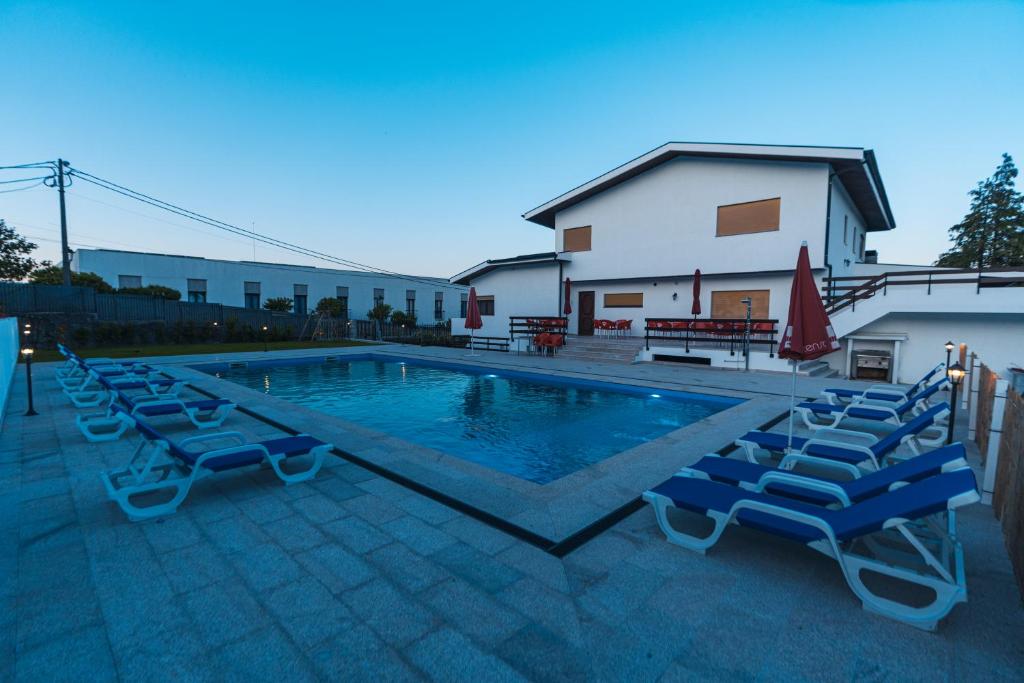
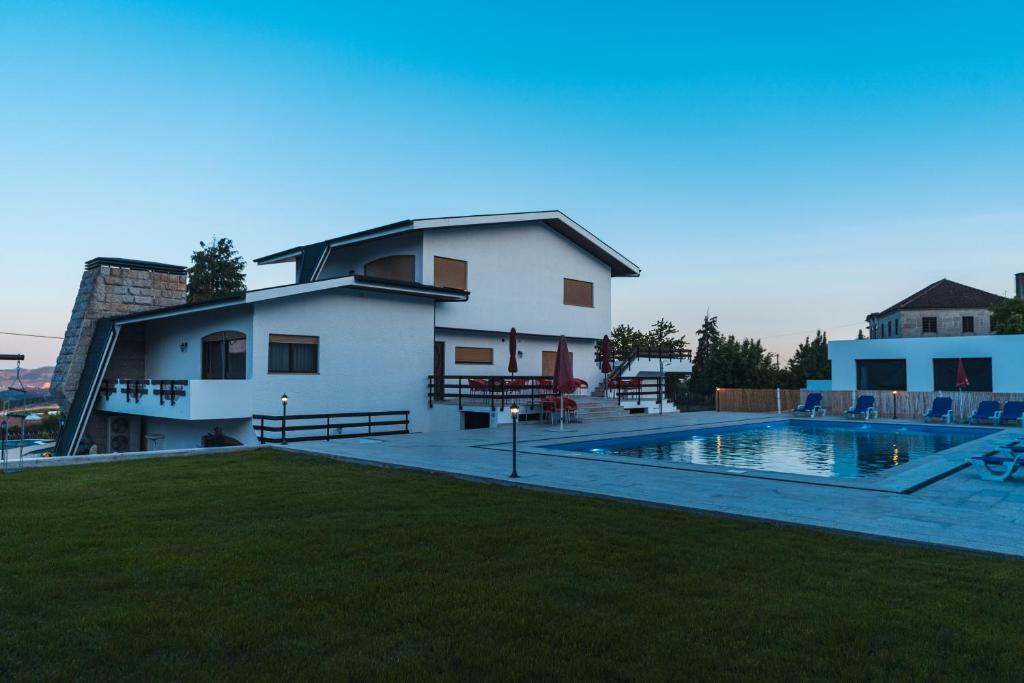
The most useful distinction is between a central room, a property beside the northern road and a stay within Favaios itself. Forrester Essence combines a town address with gardens, Quinta da Costinha has an outdoor pool close to the centre, and Quinta da Seixeda occupies the Bairro do Pombal approach. Casa das Padeiras makes Favaios the overnight base; none of these choices should be mistaken for a room beside the Douro railway platform.
Common questions
Where should I stay for a first visit?
Central Alijó is the easiest choice if you want to combine short walks, meals in town and day trips by car. Choose Favaios instead when bread, village heritage and Moscatel are the main interests. Bairro do Pombal works best when the garden and pool are part of the holiday, rather than simply somewhere to sleep.
Do I need a car?
A car makes the separate villages, viewpoints and valley stops easier to combine, but a short stay can work with arranged transfers. If arriving by rail at Pinhão, organise the onward road journey before travelling. Do not assume that a hotel labelled Alijó is within walking distance of the station, or that a late return taxi will be waiting after dinner.
Is Alijó a riverside alternative to Pinhão?
It is a different setting in the same wine region: Alijó and Favaios sit above the river corridor. Choose them for village life, hotel gardens and trips through the vineyards. If stepping from your hotel to the railway or a river departure is essential, check a Pinhão address separately rather than expecting that convenience here.
How many nights make sense?
Two nights allow time for Alijó and Favaios without turning every stop into an arrival or departure errand. Add a third if you want a proper walking day, a booked winery visit and an unhurried afternoon by the pool. That is an itinerary suggestion, not a promise that every attraction or restaurant operates every day.
When is a good time to visit?
Spring and autumn suit a trip built around village walks and vineyard scenery. Late August and September bring harvest activity, according to Portugal’s tourism office, so reserve the visits you particularly want. Summer pool plans depend on each property’s seasonal operation; for a cool-weather stay, put more weight on the room, heating and indoor dining arrangements.
Is Favaios worthwhile if I do not drink wine?
Yes: the local four-cornered wheat bread, wood-fired baking tradition and village architecture give it an identity beyond tasting. The museum explains both bread and Moscatel in an unfinished eighteenth-century manor building. You can combine that visit with the Santa Bárbara viewpoint, while asking individual bakeries or producers in advance what they currently offer to visitors.
What should families and travellers needing easier access check?
Compare the exact sleeping arrangement, bathroom and route from parking to the room. A family-room label does not guarantee several separate bedrooms, and an outdoor pool does not establish supervision or step-free access. Costinha requires particular attention to the private-bathroom category; at Forrester, confirm the bath or shower layout and any extra bed directly before booking.
Prices are set by the booking site. We may earn a small fee, at no cost to you.