About Vila Pouca de Aguiar
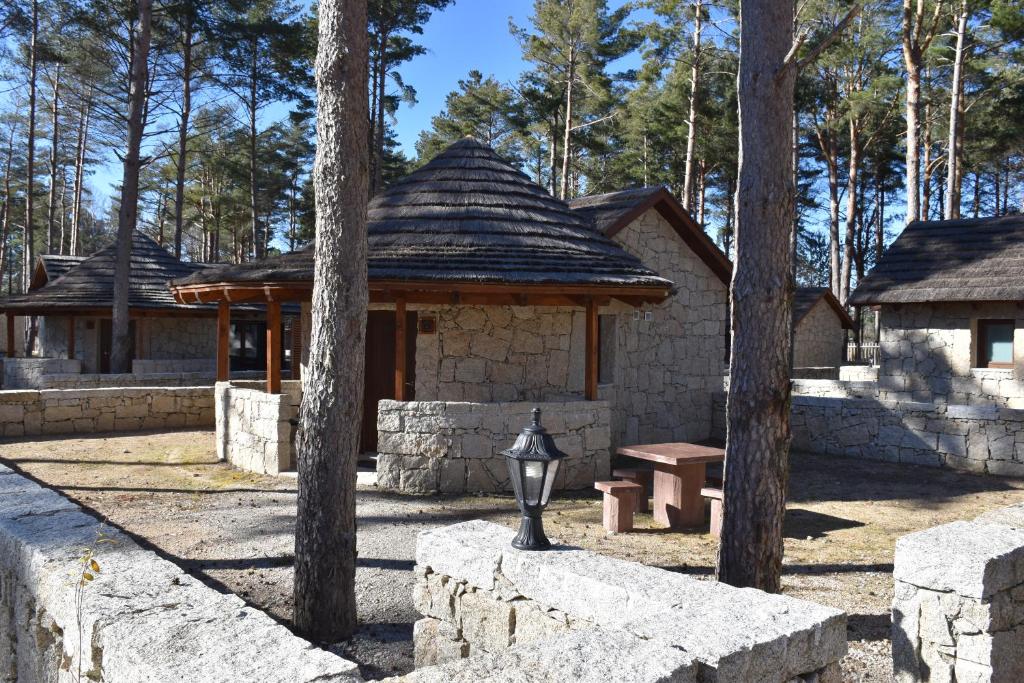
Vila Pouca de Aguiar is a northern Portuguese base for a town stay, the wooded thermal park at Pedras Salgadas and time beside Falperra lake in the Alvão. Staying overnight gives you time to spread a museum visit, local meals and walks across the day. The main choice is practical: stay in the town streets for everyday services, in the thermal village for the park and a booked spa visit, or beside the lake for a private bungalow and a more self-contained stay.
Each setting needs its own arrival plan.
Common questions
Which area should I choose?
Vila Pouca town is the simplest starting point for meals, everyday services and a museum visit without organising a new road journey for every activity. Pedras Salgadas makes more sense when the thermal grounds and a prearranged spa session are central to the trip, while Falperra suits a private bungalow and unhurried time near the lake. Choose the address that matches your main activity, then check how you will reach the other two settings and return after dinner.
How do I arrive from Porto or the airport?
FlixBus currently lists Porto Campanhã–Vila Pouca coach journeys from about one hour and forty-five minutes, arriving at the central coach station on Avenida Miguel Torga. Its separate airport route advertises itineraries from about two hours and forty minutes, with boarding at P8 on the arrivals level; these are indicative route listings, so check your date, exact stop and any connection. If your ticket starts at Campanhã, allow a separate airport-to-city transfer and arrange the final journey from Vila Pouca to your accommodation.
Can I manage without a car, and what do local buses offer?
A town stay can work without a car, and published MU037 and IR005 tables include journeys between Vila Pouca and Pedras Salgadas taking roughly ten to fifteen minutes between their listed stops. Those tables mainly show weekdays, with a school-calendar variation on MU037, so verify the actual service and a usable return for your date instead of assuming a weekend connection. The lake accommodation still needs its own arrival plan, and a taxi or car gives more flexibility when meals, spa reservations or luggage do not fit the bus stops and departures.
How many nights should I allow?
Two nights is a useful starting point for a town meal, the museum and one main outing to the thermal park or lake without fitting everything around the arrival coach. Add a third night if you want both landscapes, a booked treatment or a slower day at the accommodation, with time to change the order when rain arrives. Decide the important reservation and return journey first, then leave the rest of the stay flexible rather than counting every small stop as a separate full-day attraction.
How should I plan the thermal park and spa?
The municipal description presents a twenty-hectare park with nineteenth-century thermal heritage, trees, fountains and historic buildings, so a walk through the grounds has a different purpose from a treatment appointment. The restored bathhouse’s current operator lists a heated indoor pool, sauna and hammam, but check access, advance arrangements and whether your booking includes any spa use. Its published rule currently restricts children under sixteen to a limited access period; reconfirm the permitted session for your visit and plan the outdoor journey between your accommodation, the restaurant and the bathhouse.
What should I know about a walk at Falperra lake?
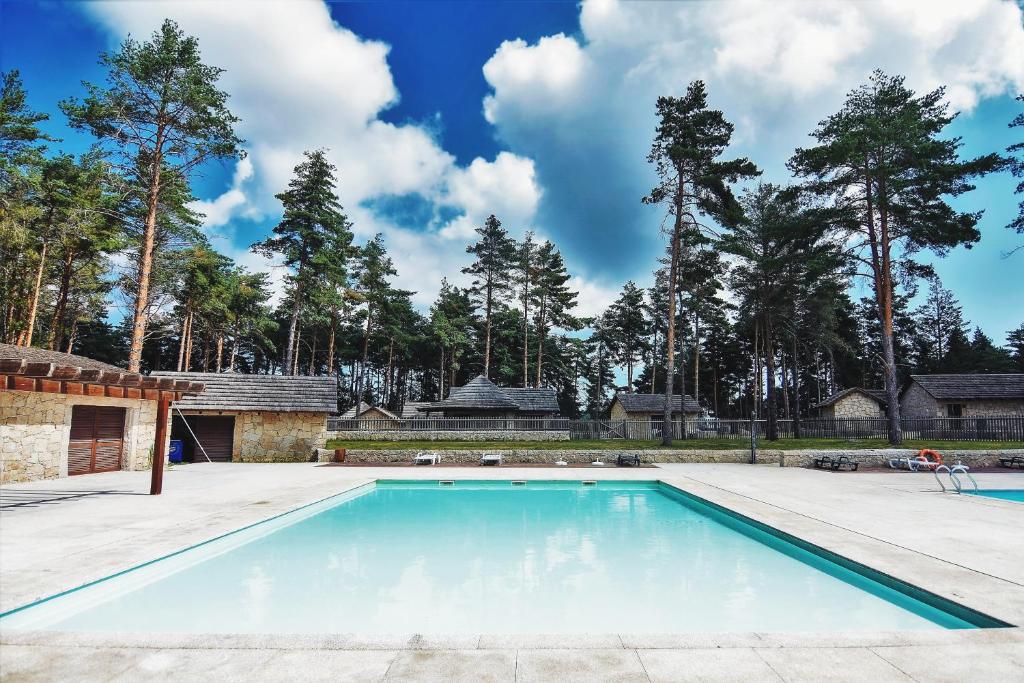
Use the Falperra lake and immediate EM555 approach for a separate lakeside outing, with time for a walk and a picnic instead of assuming it is part of the town’s pavement network. Ask locally about the current circuit, wet ground and shoreline access, and choose footwear and the length of the walk to suit the forecast and your group. A published walking route does not establish step-free passage, lifeguards or permission to swim, and the accommodation’s shared pool has separate opening conditions.
What can I visit in town or on a rainy day?
The Padre José Rafael Rodrigues municipal museum occupies the old Casa do Condado and uses archaeology to explain local settlement through granite, gold and mineral waters. It is a useful cultural counterpoint to the park and lake; Monday closure is published, so confirm the opening day before building a rainy-day plan around it. When the weather allows, add the near-centre forest park or a walk through town, keeping outdoor paths separate from an indoor museum visit and leaving time for a local lunch.
When should I visit?
Late spring or early autumn is a sensible starting point for a trip combining walking, town visits and time outdoors, while summer suits travellers prepared to adjust outings to heat and available shade. Vila Real’s 1991–2020 climate record shows warmer, drier July and August and wetter autumn and winter; this is regional historical context, not a forecast for the town or lake. Check the actual weather, room heating or cooling, outdoor-pool season and the exposed walk between buildings rather than assuming that a thermal destination offers the same facilities in every month.
What local food should I look for?
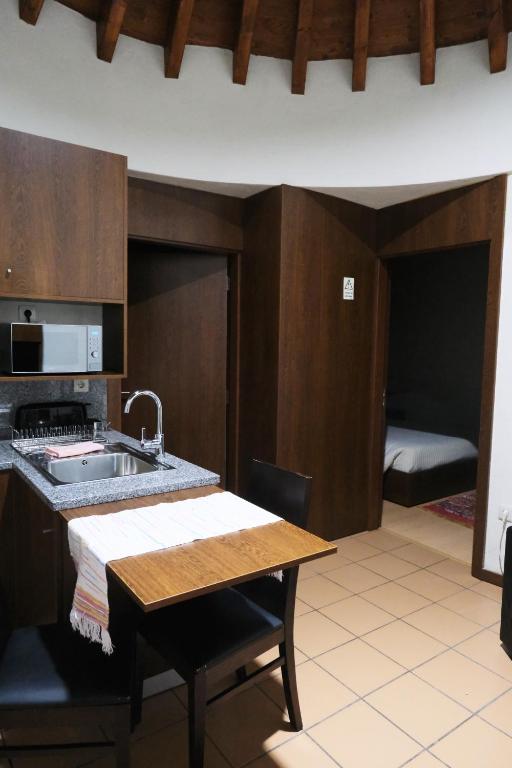
Ask about cabrito com castanhas, young goat cooked with chestnuts, or rice with wild mushrooms; these are among the local dishes highlighted by the municipality. Chestnut pudding and heather honey offer other regional flavours, while the named Doce Aguiar is chestnut-based and Pastel de Aguiar uses mushrooms. Menus and ingredients are seasonal, so check what is being served and arrange dinner before returning to a rural stay, especially if you are relying on its restaurant rather than your own kitchenette.
What should families and travellers with access needs confirm?
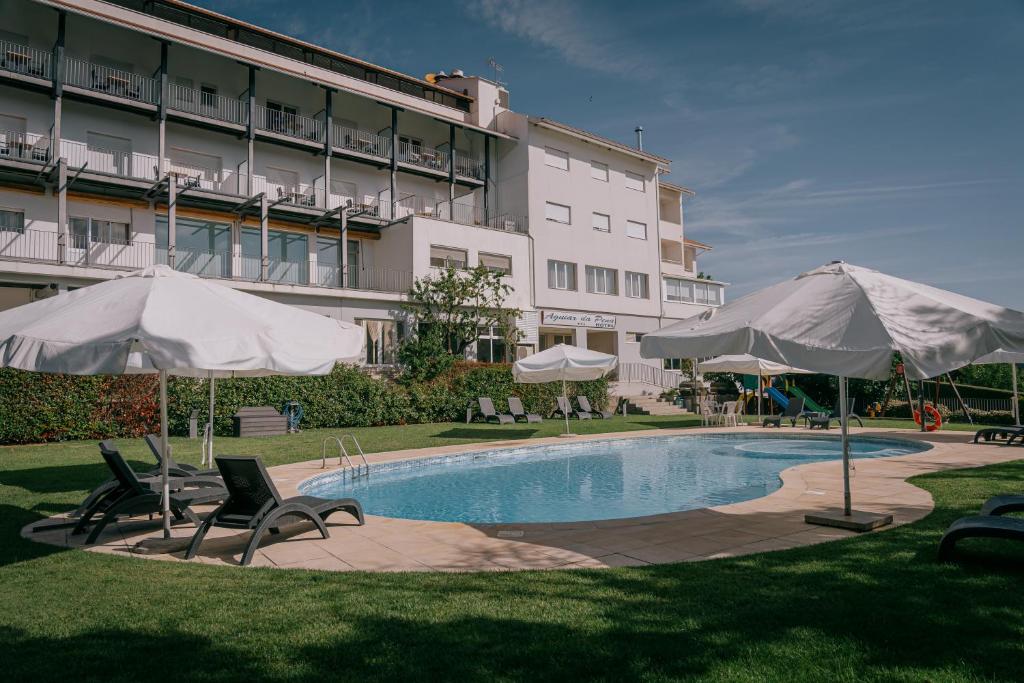
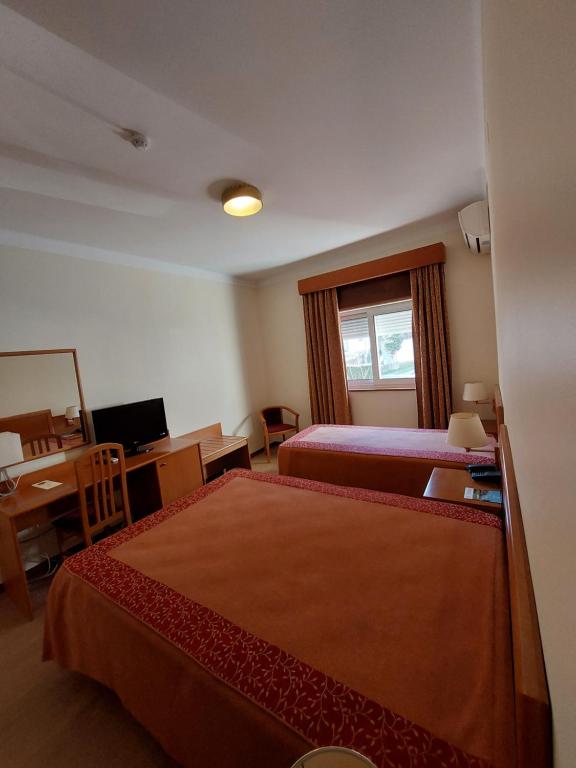
Book the exact bedroom, bathroom and sleeping arrangement: a private hotel room, a one-bedroom bungalow and a larger holiday house do not offer interchangeable capacity, and a sofa bed does not automatically permit an extra guest. Confirm whether your selected category has its own kitchen, whether a cot or additional bed is available, and which pool or spa rules apply to children. Ask for the actual route from parking or the drop-off point to the bedroom, bathroom and meals, including steps and outdoor sections, instead of relying only on a general lift or accessibility label.
Prices are set by the booking site. We may earn a small fee, at no cost to you.