About Crato
Crato is a small Alto Alentejo base for a historic town walk, the fortress-monastery of Flor da Rosa and megalithic monuments in the surrounding countryside. Stay in town to explore its squares, clock tower and castle viewpoint, or choose Flor da Rosa for a village visit centred on the monastery and pottery.
Aldeia da Mata and the separately reached Couto do Saramago estate approach suit a trip organised around driving and time outdoors. The choice matters more than distance on a map: arrange arrival, meals and rural access, and treat seasonal pools as a separate booking check.
Common questions
Which area should I choose for a first stay?
Choose Crato for the historic core, Flor da Rosa for monastery architecture and pottery, or the rural approaches for an estate stay with planned transport. Decide whether you want a kitchen or meals provided, then check the exact accommodation rather than relying on the broad area name.
How can I reach Crato without a car?
CP lists Crato on the Linha do Leste route between Entroncamento and Badajoz. Use the current CP planner for your travel date and connections, then arrange the transfer from the station to your accommodation. Include the airport-to-departure-station transfer when planning a journey from Lisbon, and confirm the return connection before booking.
Will I need a car once I arrive?
You can organise a visit around the historic core or one village, but the three settings and estate entrances are separate road journeys. A car gives flexibility for Tapadão and rural meals; without one, arrange a driver or transfers with a confirmed return. Before relying on a local bus, check its actual stops and operating day against the final stretch to your accommodation.
How many nights should I allow?
Two nights give you time to divide a day between Crato and Flor da Rosa without fitting every visit around arrival. Three nights allow a separate rural outing, a prearranged winery visit or time at the accommodation. Keep the outdoor part flexible when heat, rain or transport connections affect the plan.
What is worth seeing in Crato itself?
Follow the municipal heritage walk through Praça do Município, the Grand Prior’s balcony and the streets around the clock tower and parish church. Continue towards the castle remains and viewpoint, leaving time for the Municipal Museum if a visit is available. Ask the tourist office about current museum access and guided visits rather than assuming every building opens on arrival.
How should I plan Flor da Rosa’s monastery and pottery visits?
The monastery was founded in the fourteenth century for the Order of the Hospital, and its fortress-like church gives the village a distinct focus. The municipal tourist office is based there and organises monument and historic-core visits. Contact it about current access, and arrange any pottery workshop or artisan visit in advance.
Can I visit Tapadão and take country walks?
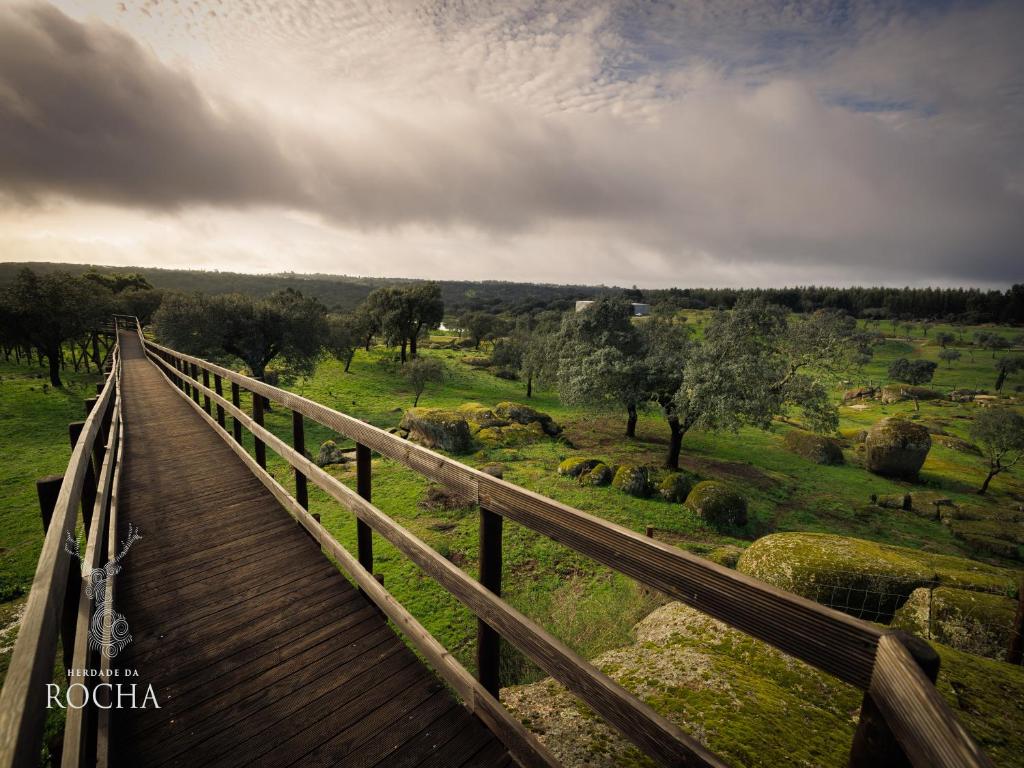
The municipal megalithic itinerary identifies Anta Grande do Tapadão and Penedos de São Miguel on the approach from Aldeia da Mata towards Crato and Flor da Rosa. Check the current access track and use suitable footwear, since the municipality warns about winter mud and intense summer sun. The Couto do Saramago estate entrance uses a separate branch from the EM363 and is not the Tapadão walking route.
When is a comfortable season to visit?
Spring and autumn suit village visits and outdoor archaeology. Summers are generally hot and dry, so start walks early and plan breaks in the shade; autumn brings more rain. Winter mornings can be cool, and rain can leave rural tracks muddy, so check the forecast and access conditions before travelling.
What local food should I look for?
Try ensopado de borrego, a lamb stew, or migas de batata, a potato dish, followed by tecolameco, the local almond-and-egg sweet. The municipal tecolameco recipe also uses butter and pork fat, so check ingredients if you have dietary requirements. Arrange rural dinners and winery visits directly, and buy provisions before a stay with your own kitchen.
What should families and travellers with access needs check?
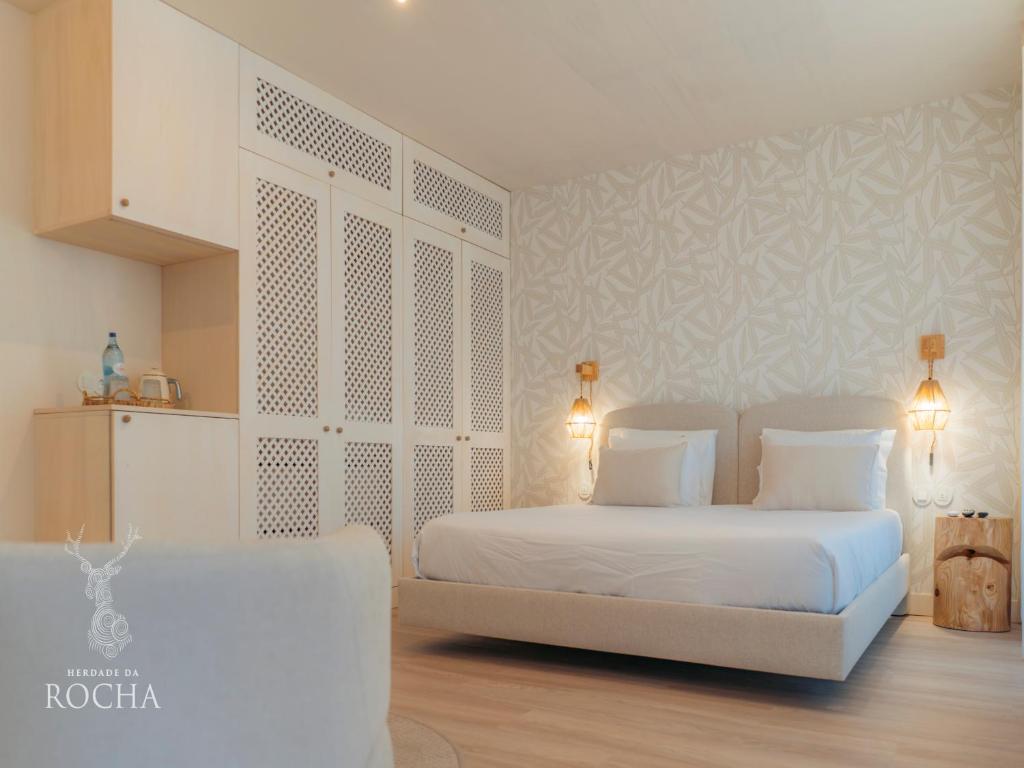
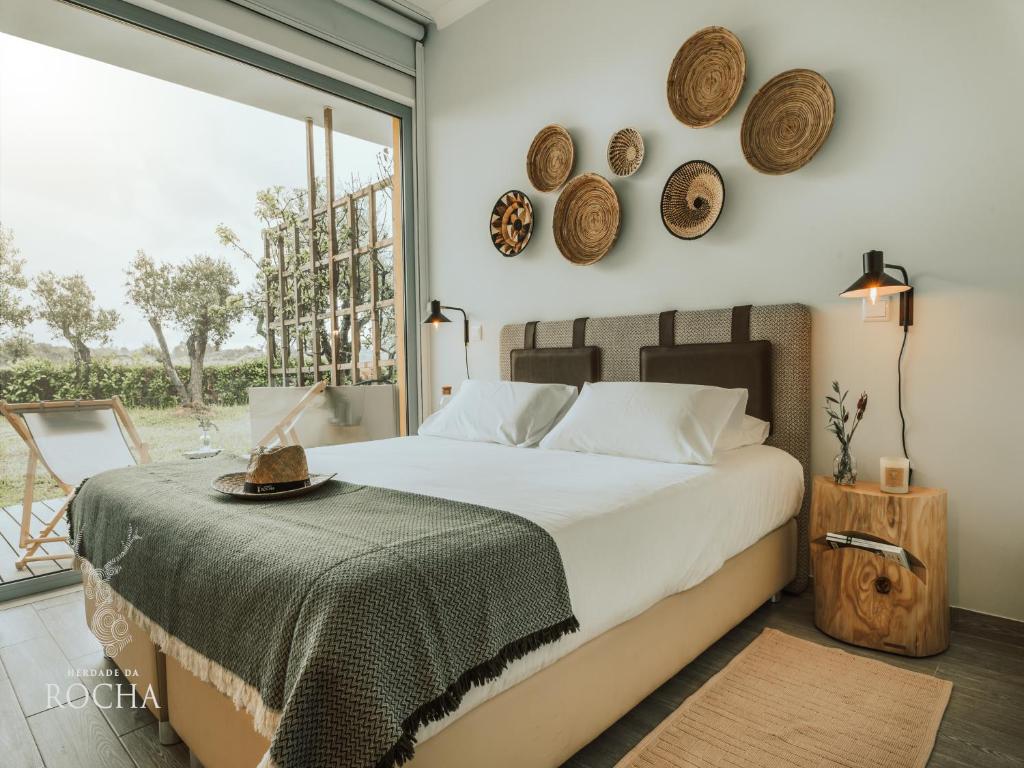
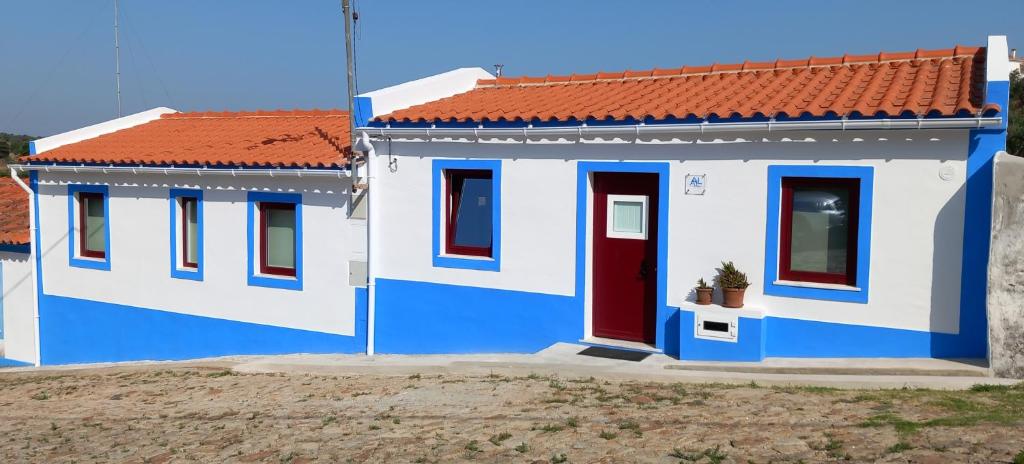
Confirm the exact bedroom and bathroom layout, permitted occupancy and any stairs between the entrance and your room. A whole house with a kitchen, a historic bedroom and a suite on an estate provide different arrangements; terraces and kitchens do not belong to every category. Ask separately about outdoor-pool dates, any paid spa access and the arrival route, and confirm heating or air-conditioning for your season.
Prices are set by the booking site. We may earn a small fee, at no cost to you.