About Porto Santo
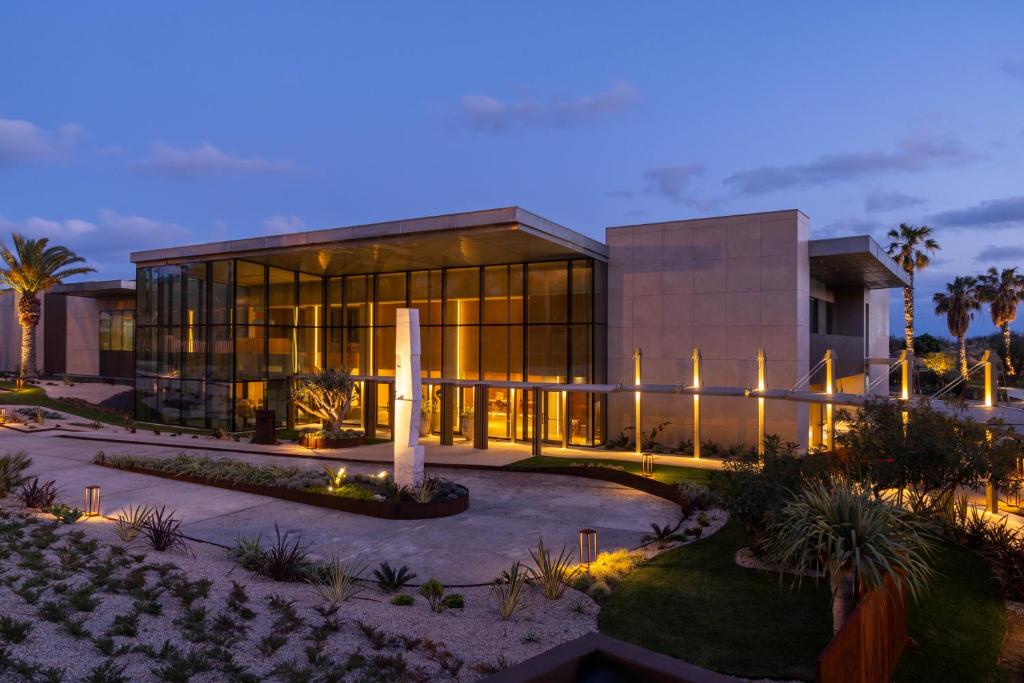
Porto Santo stretches a nine-kilometre sandy beach along its south coast, with a compact town and volcanic hills beyond. An overnight stay leaves time for the sand, a museum visit and meals without organising everything around a ferry departure. Vila Baleira puts shops and cultural stops close at hand; Campo de Baixo offers garden hotels near the beach; Cabeço da Ponta and Calheta suit resort stays or private rooms near the western shore.
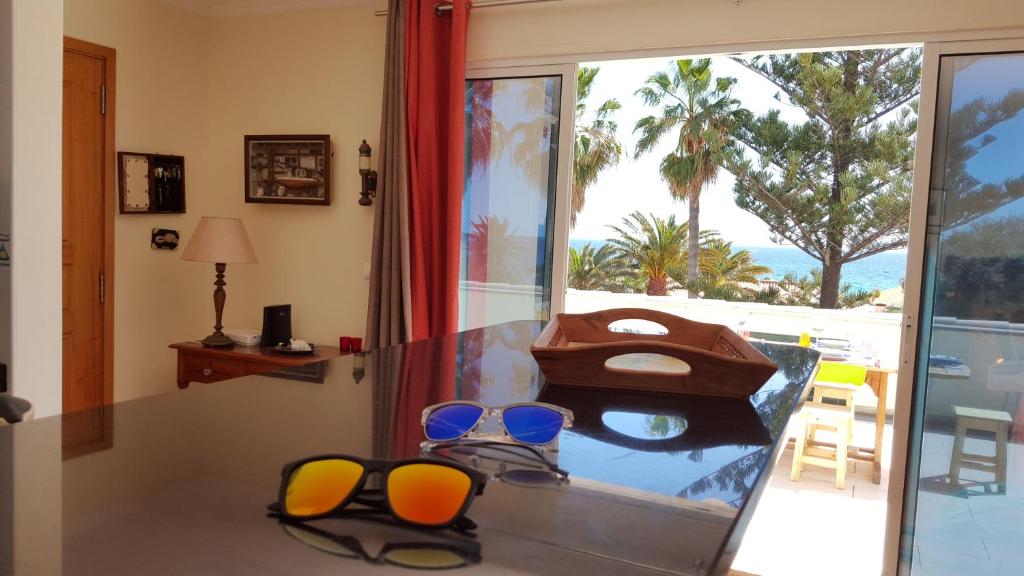
The hills require a separate outing. A sea-view address still needs a closer look at beach access, transport, the room layout and which restaurants operate during your dates.
Common questions
Where should I stay on a first visit to Porto Santo?
Vila Baleira is the easiest starting point for combining the beach with shops, cafés and cultural visits on foot. Choose the middle or western coast if the accommodation itself is a main part of the holiday, and plan town visits around actual transport. Staying near the sand does not mean every room has a sea view or direct beach access.
How do I reach the island and get to my accommodation?
Check flights for your exact dates, or take the ferry from Funchal; Porto Santo Line gives the crossing as about two hours and fifteen minutes. The ferry arrives at Porto de Abrigo, not Vila Baleira's old pier, and the timetable does not guarantee a sailing every day. The operator asks foot passengers to arrive thirty minutes before departure and vehicles one hour before; arrange the transfer from the port or airport separately.
Do I need a car, or can I use buses and walk?
A town-based beach stay can work without a car, using walking, taxis and selected buses. SIGA line 994 follows the Centre–Calheta corridor, but only some journeys serve the airport, and school-term, holiday and weekend tables differ. A car or prearranged transfer gives more flexibility for hill walks and scattered viewpoints; check the return journey before leaving the coastal strip.
How many nights are useful?
Two nights allow a town visit and time on the beach without fitting everything between ferry sailings. Three or four nights give more room for a hill walk, a slower coastal outing and weather changes. For a longer stay, compare cooking facilities and restaurant opening days so that the meal routine suits you.
What is worth planning beyond the beach?
The church and Casa Colombo museum in Vila Baleira make a cultural outing, Calheta offers the western shoreline, and Pico de Ana Ferreira has distinctive rock columns. Check the museum’s current calendar before visiting, including its regular Sunday and public-holiday closures. Judge swimming by the day’s sea conditions rather than the appearance of the sand or water.
Which hill walks are currently available?
IFCN's notice reopens Porto Santo's PR1 Pico Branco–Terra Chã and PR2 Pico do Castelo from 18 November 2026, while PR3 Levada do Pico Castelo remains closed. PR1 is about 2.7 kilometres each way; check the exact route, current status, weather and required registration before departure. These are Porto Santo routes, so do not use information for Madeira's different PR1, and arrange transport back from the trail.
When is a good time for a beach and walking stay?
Summer is generally warmer and drier in the island's climate records, while autumn and winter bring more rain. Late spring or early autumn can suit a mixed walking-and-beach plan, with wind layers and flexible outings. Outside the main season, confirm pools, spa access and restaurant service rather than assuming every advertised facility operates throughout the year.
What local food should I look for?
At Calheta, local tourism highlights grilled limpets with bolo do caco and garlic butter. The round bread is a useful introduction to the island's food, alongside whatever fish and other dishes a restaurant actually offers that day. Check whether your booking includes meals, and reserve or confirm dinner service if you stay away from the town centre.
What should families and travellers with limited mobility check?
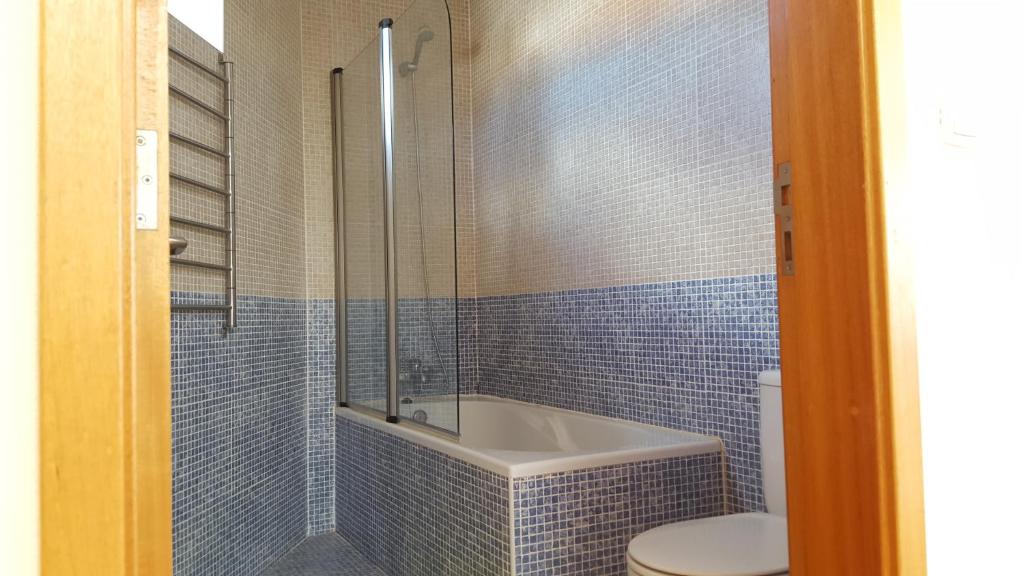
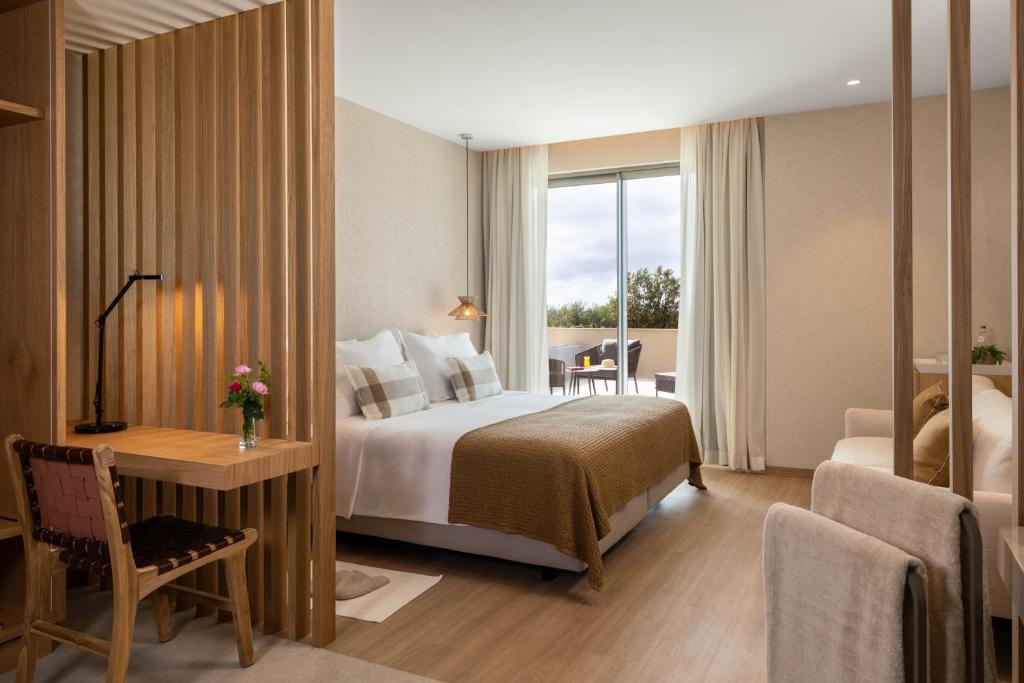
Compare bedrooms, bathrooms and cooking equipment in the exact category: a suite with a living area, a two-bedroom apartment and a villa without a kitchen serve different needs. Some western apartments are in a separate block with stairs or a ramp, and a hostel listing may mix private ensuite rooms with dormitories. Ask for the whole route from arrival to the room, restaurant, pool and beach, together with any child rules or seasonal closures.
Prices are set by the booking site. We may earn a small fee, at no cost to you.