About Flores, Azores
Flores rewards a stay that leaves room for changing weather and time outdoors. Santa Cruz, on the eastern coast, puts the airport, everyday shopping and cultural visits within a practical base. On the western side, Fajã Grande offers village life beneath high green cliffs, with waterfalls and a rocky bathing coast.
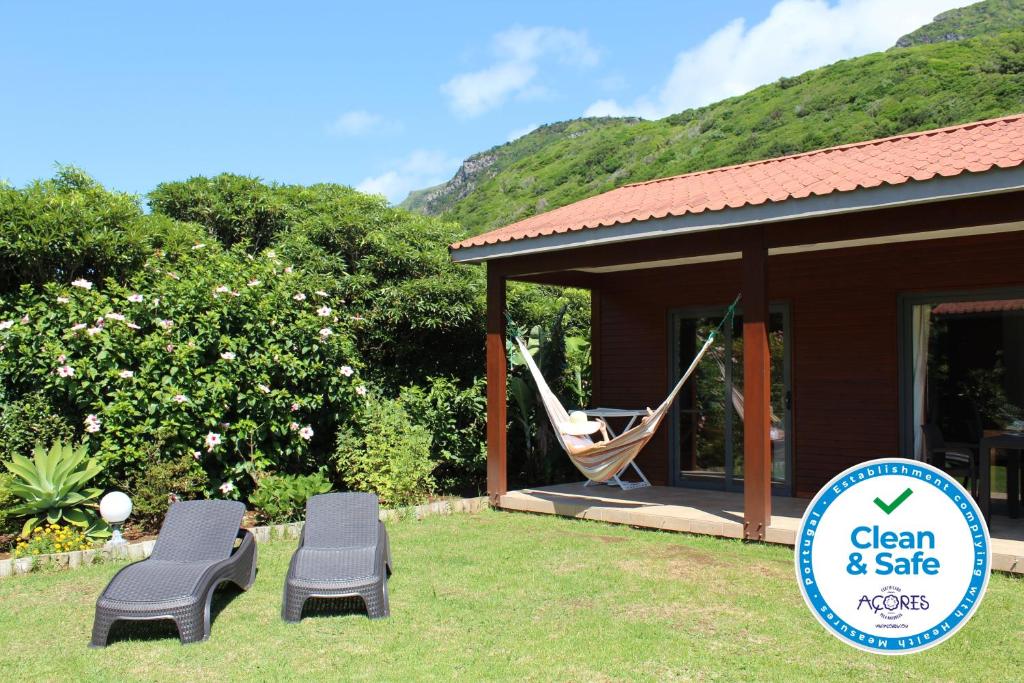
Nearby Cuada gives a different experience: restored stone houses in a rural hamlet between Fajã Grande and Fajãzinha. Choose according to how you want to spend evenings, not simply the view in a photograph. A kitchen, a restaurant reservation and the return journey matter when you settle away from the main town.
Common questions
Which base is best for a first visit?
Santa Cruz makes a short stay easier when arrival arrangements, shops and planned excursions come first. Fajã Grande gives more of the west-coast village atmosphere and suits several nights with some local walking and cooking. Cuada is the choice for a restored rural hamlet and meals planned around the accommodation. One base is usually enough for a short visit; choose it around your transport and evening routine rather than changing houses simply to cover both coasts.
How do I reach Flores and my accommodation?
Flores Airport is at Santa Cruz. ANA’s current destination list includes SATA Air Açores services linking Ponta Delgada, Horta, Terceira and Corvo; check the actual route and date rather than assuming every island has a direct connection. The airport is less than a kilometre from Santa Cruz’s centre, but the final walk depends on the address. For Fajã Grande or Cuada, arrange a rental car, taxi or transfer before arrival. Leave useful time between island flights and important onward connections.
Can I stay without renting a car?
Yes, with a base and outings arranged around the available transport. UTC’s currently linked timetable states that its Flores buses run only Monday to Friday. Direct Line 5 between Santa Cruz and Fajã Grande is marked July and August only, with a journey of about 35 minutes; other services have school-period notes or different routes. Check the actual day, direction and last return. For weekends, remote viewpoints or a late dinner, organise a taxi, transfer or guided outing rather than relying on the summer route.
How many nights should I plan?
Three or four nights make a useful first stay, leaving time for the western waterfalls, central lakes and a Santa Cruz cultural stop without filling every day with driving. Add time if a Corvo outing is important, because sea conditions may change the plan. A two-night visit can work for one focused area, but arrival and departure consume a larger share of it. Keep the clearest weather window for the landscape you most want to see.
What should I know before walking to waterfalls?
Check current Azores Trails notices: PR01FLO, Ponta Delgada–Fajã Grande, and Stage 2 of GR01FLO are currently closed. PR02FLO, Lajedo–Fajã Grande, is a different 13.2-kilometre linear route rated moderate; PR03FLO, from Miradouro das Lagoas to Poço do Bacalhau, is a difficult seven-kilometre descent. Arrange transport between separate start and finish points, and account for wet stone, stream crossings, rain and fog. For the shorter Poço da Ribeira do Ferreiro visit, follow local access signs and allow for uneven, wet ground. A waterfall pond is not automatically a swimming place.
Can I visit Corvo as a day trip?
Atlânticoline’s Pink Line links Santa Cruz das Flores with Vila do Corvo throughout the year, but that does not mean guaranteed daily departures. Compare its date-specific timetable with sea-tour operators, then confirm the embarkation point and both directions. On Corvo, arrange the onward trip to Caldeirão separately if it is not included. Weather can cancel individual sailings, so leave flexibility and avoid placing the outing immediately before an important flight connection.
When is the most useful season?
Late spring through early autumn is a useful starting point for outdoor days and village stays. Flores Airport’s 1991–2020 climate normals show warmer summers and less rainfall in July and August than in winter, but even those months receive rain. The low coastal station does not describe visibility at the central lakes. Bring rain and wind protection, leave space to change the order of outings, and check sea conditions. In cooler months, confirm heating, restaurant days and transport before booking a remote house.
What local food should I try?
Flores’s traditional cooking includes watercress soup, fish such as oven-roasted albacore and conger stew, and seaweed omelettes called tortas de erva patinha. Yam with smoked sausage and cozinhada de porco reflect the island’s pork traditions. Ask what the kitchen is serving that day and explain any ingredient restrictions directly. Reserve a rural dinner rather than assuming every restaurant opens each evening. For a house stay, buy supplies before settling in and distinguish a private kitchen from communal cooking space.
What should families or travellers with mobility needs check?
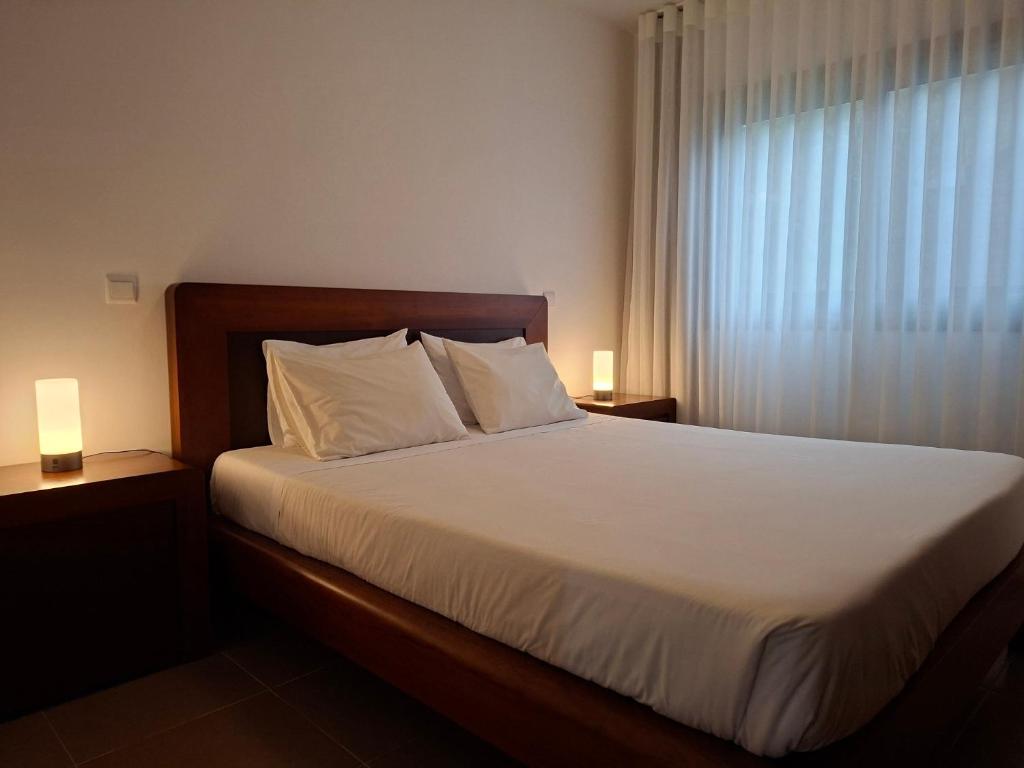
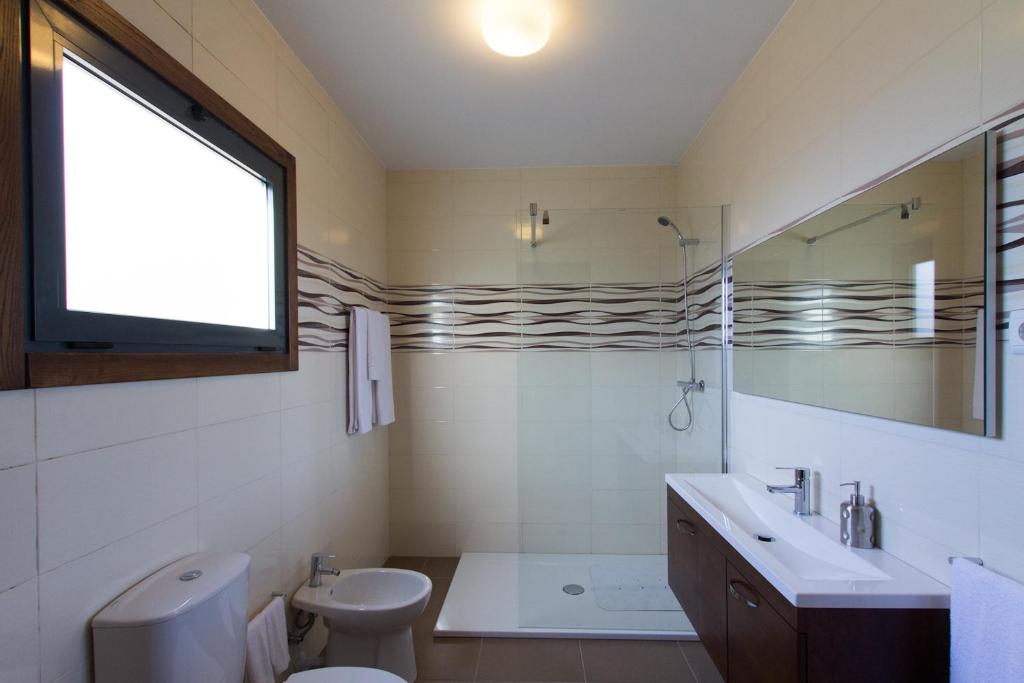
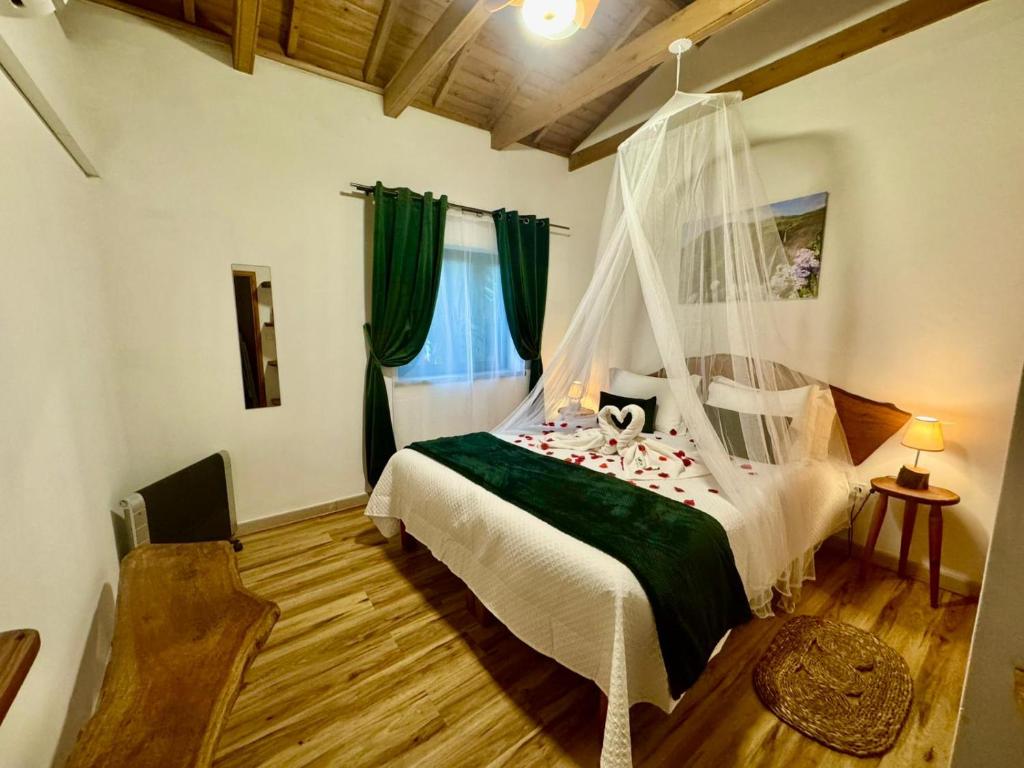
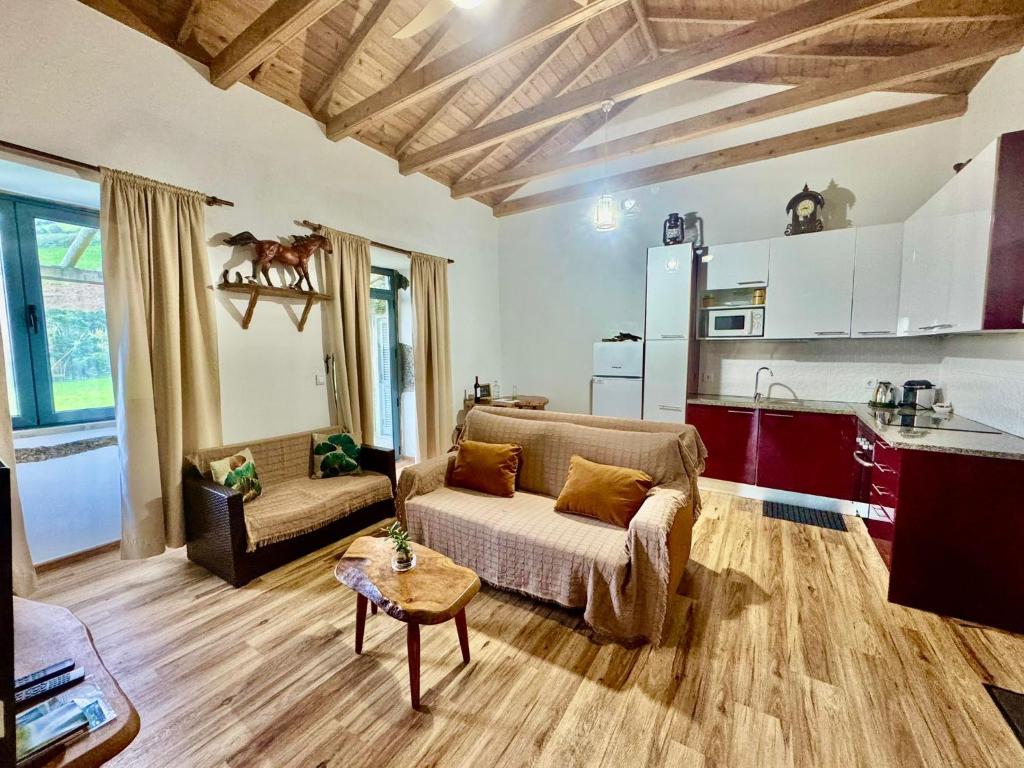
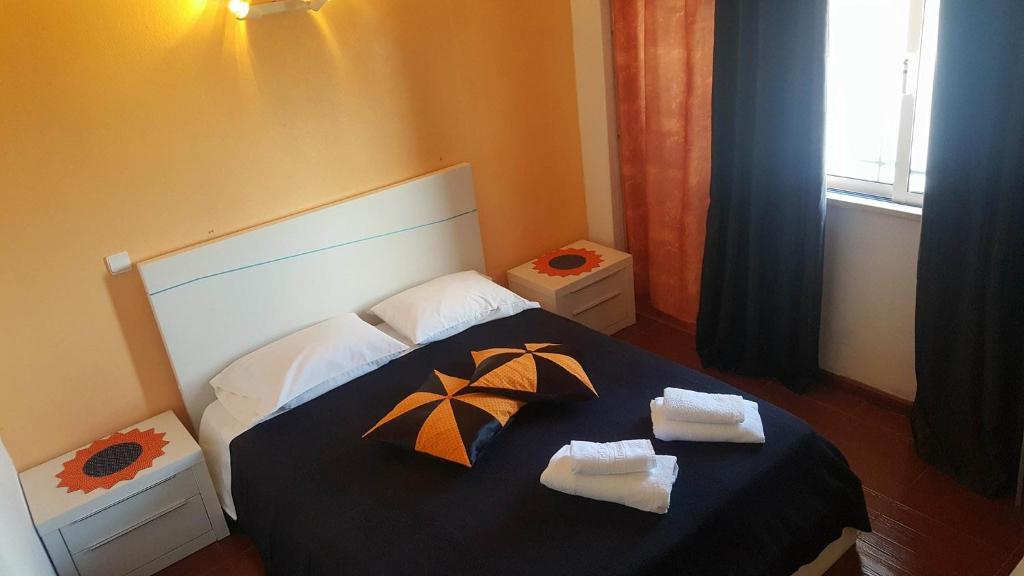
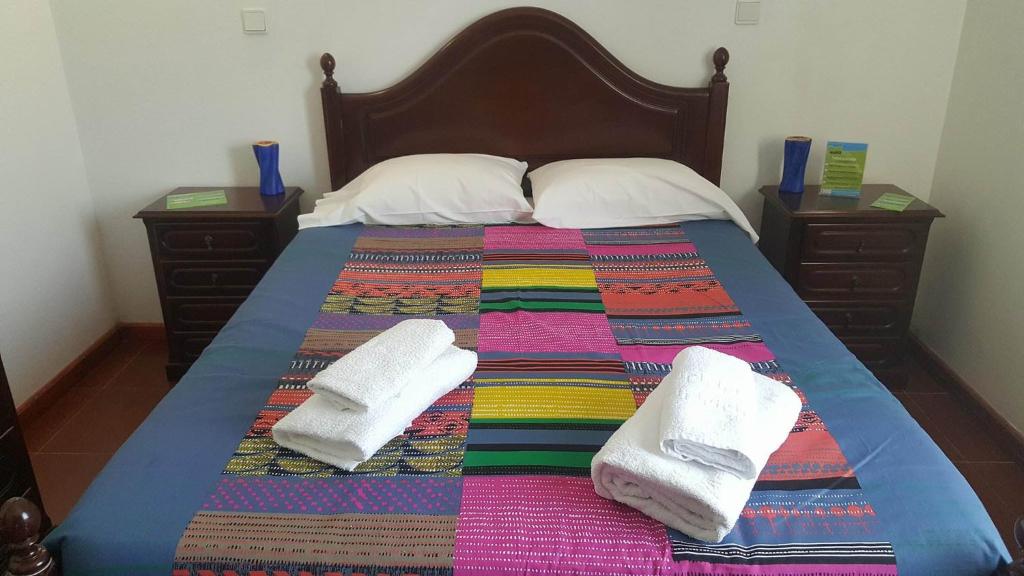
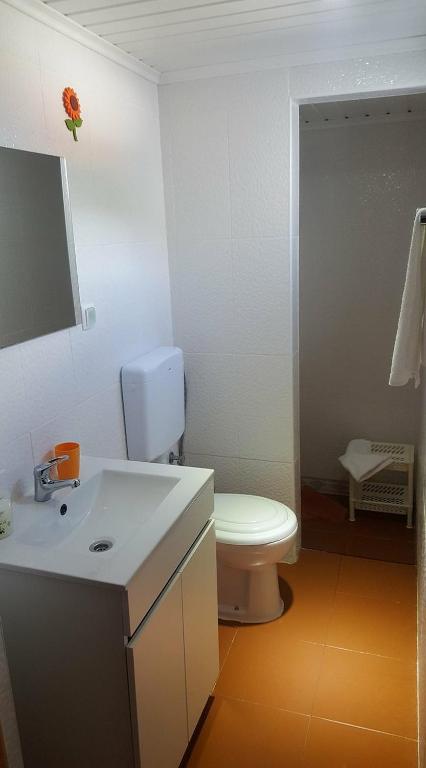
Ask for the actual floor plan, bathroom arrangement and bed sizes. A house with two separate bedrooms differs from one bedroom and a sofa bed in the living room. Confirm whether cooking and laundry facilities are private or shared, and agree any cot or extra bed directly. At a traditional hamlet, check the route from parking to the house and restaurant, including steps and uneven paving. A garden, sea view or accessible-property label alone does not establish that the selected unit meets your needs.
Prices are set by the booking site. We may earn a small fee, at no cost to you.