About Velas
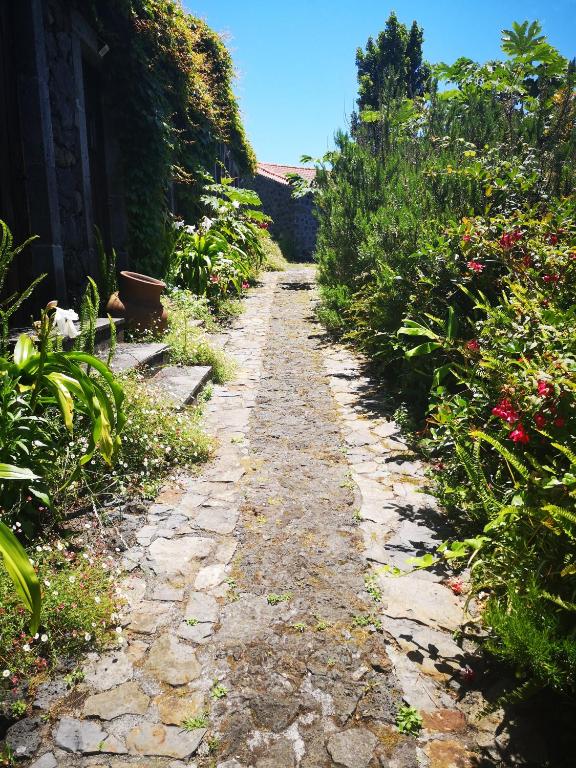
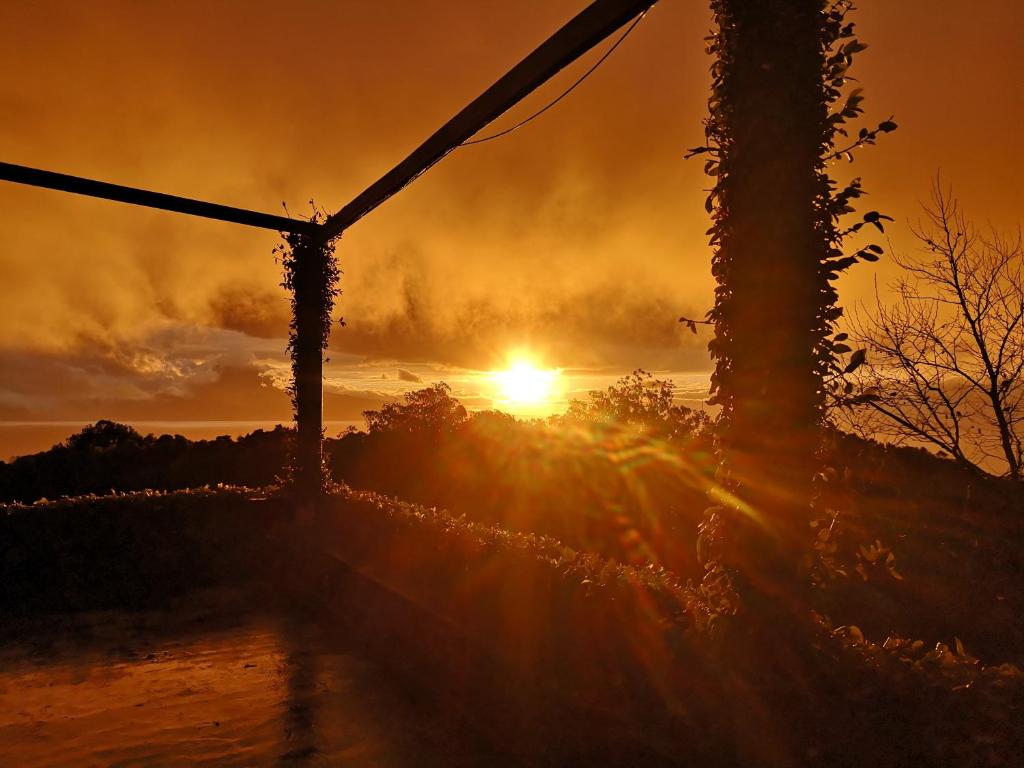
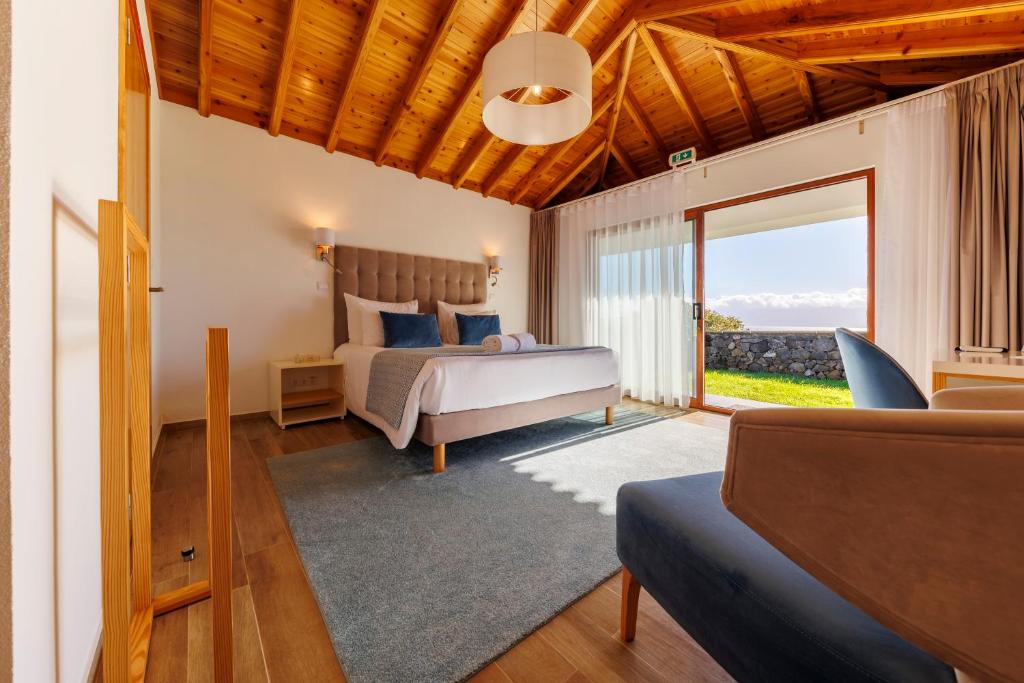
Velas offers a useful western base on São Jorge, with a harbour, a compact historic centre and meals that can be reached on foot. The main church, Sacred Art Museum and town hall give a short visit more substance than a ferry stop. Beyond town, Queimada and Santo Amaro offer hillside accommodation looking across the channel, while Urzelina and Ribeira do Nabo bring farms, wooded cabins and a coastal village with a surviving volcanic-era bell tower.
These settings suit different daily routines. Stay centrally for easy evenings, or arrange transport and groceries before choosing a rural retreat for longer mornings outdoors.
Common questions
Where should I stay without a rental car?
Velas town gives the easiest combination of restaurants, the ferry port and excursion meeting points. You can combine a central stay with prearranged taxis or guided trips for the ridge and remote coastal platforms known as fajãs. Queimada and Urzelina can also work with organised transfers, but check the final access and meal plan before booking. A property offering help with a driver does not automatically include transport for every outing.
How do I arrive from the airport or another island?
Arrange a taxi, transfer or rental car from São Jorge Airport to the exact property. For a ferry, search Atlânticoline by date and the port of Velas; services may use Madalena or Cais do Pico on Pico, so read the actual itinerary. Passenger availability and vehicle space are separate. Check service notices before leaving and leave room for disruption before an onward flight. An island-hopping plan should follow the selected sailing, not assume every port has the same daily connections.
How many nights are useful?
Two nights suit a short western-island visit with Velas, Urzelina and a cultural or food stop. Three or four nights give more room for a substantial walk, a coastal outing and a day moved because of poor visibility. A rural property also rewards time for cooking, terraces and slower breakfasts. Add nights if you intend to explore distant fajãs rather than trying to combine them with a ferry arrival or departure.
Can I use buses between the three areas?
Rumo à Natureza publishes a south-coast service through Urzelina, Queimada, Santo Amaro and Velas. Its current posted weekday timetable has one journey in each direction; Saturday uses a different route that includes Ribeira do Nabo. Check the date, direction and last return, and arrange another option for Sunday or evening travel. Confirm any port pickup directly rather than assuming a bus will meet your ferry.
What should I plan before hiking to Pico da Esperança?
The official PR04SJO runs from Pico do Pedro over the central ridge to Fajã do Ouvidor. It is a 16.9-kilometre linear route with a published average of four hours, so arrange the start and finish separately and allow extra time for stops. The authority recommends good weather and visibility on the high ridge. Check the current trail alerts before setting out; the separate PRC05SJO Fajã d’Além trail is currently listed as closed. Choose a shorter cultural outing when conditions do not suit the walk.
Is this a beach holiday base?
Think of rocky coastal bathing and hotel pools rather than an uninterrupted sandy resort strip. Poça dos Frades in Velas is a natural bathing area, separate from any accommodation pool. Sea state, entry conditions and local notices matter, even when a terrace has a clear ocean view. Check the precise way down and the return climb. For children or anyone who needs predictable access, compare the actual hotel pool and its opening period before booking.
What local food should I make time for?
Try São Jorge DOP cheese and ask about the different maturities. A visit to a cheese producer can add context, but arrange it in advance rather than arriving during production; Queijaria Canada in Santo Amaro requests prior notice. The island is also known for spiced pastries called espécies. Clams from Caldeira de Santo Cristo have restricted harvesting and are not a promise on every menu. Confirm rural dinner days and make any special food visit a separate plan.
Which season is best for walking and rural stays?
Late spring through early autumn is a useful starting point for combining outdoor days and time at the accommodation. IPMA’s Horta coastal record provides regional context: summers are warmer and generally less rainy, but rain remains possible year-round. It is not a forecast for Velas or São Jorge’s high ridge. Keep a spare day, pack rain protection and check ferry notices. In cooler months, ask about room heating, restaurant days and pool operation.
What should families and travellers with mobility needs confirm?
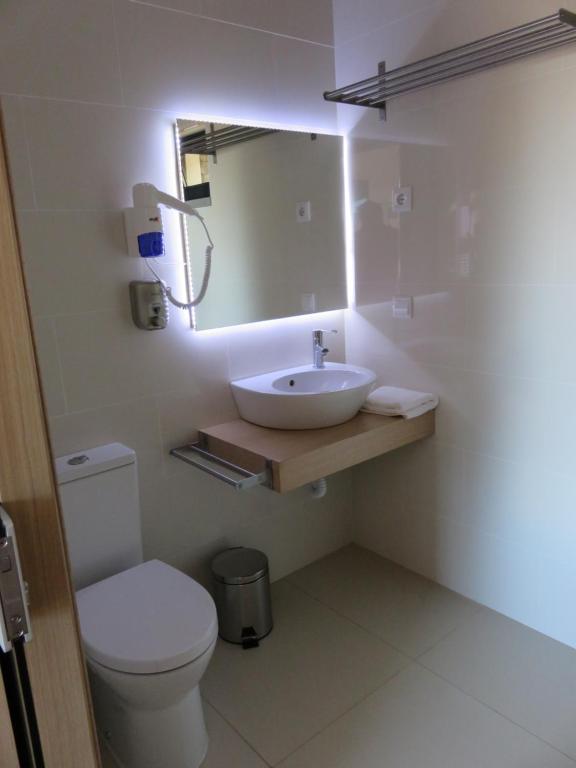
Request the actual bedroom, bathroom and kitchen layout. A sofa bed in the living area is not a second bedroom, and a communal farm kitchen differs from a kitchen inside your cabin. Confirm whether children can stay, ask about cots and check the exact route from parking to the room, meals, terrace and pool. An adapted unit does not describe every path around a wooded or hillside property. Discuss ferry boarding and any transfer assistance directly with the relevant operator.
Prices are set by the booking site. We may earn a small fee, at no cost to you.