About São Roque do Pico
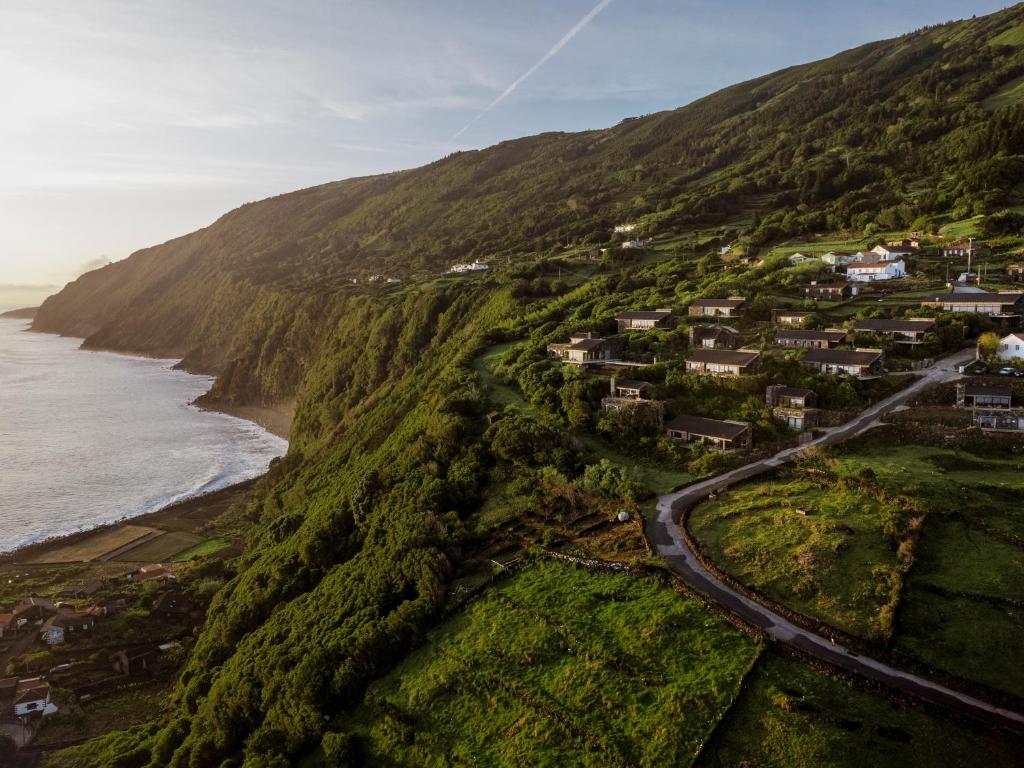
São Roque do Pico gives a northern base with a working harbour, industrial whaling history and villages looking across the channel to São Jorge. Around Cais do Pico, the former whale-processing factory now holds a museum, while town streets provide a practical setting for meals and supplies. Farther east, Prainha combines basalt houses, old vineyard walls and coastal walking; Santo Amaro adds boatbuilding heritage and hillside accommodation around Terra Alta.
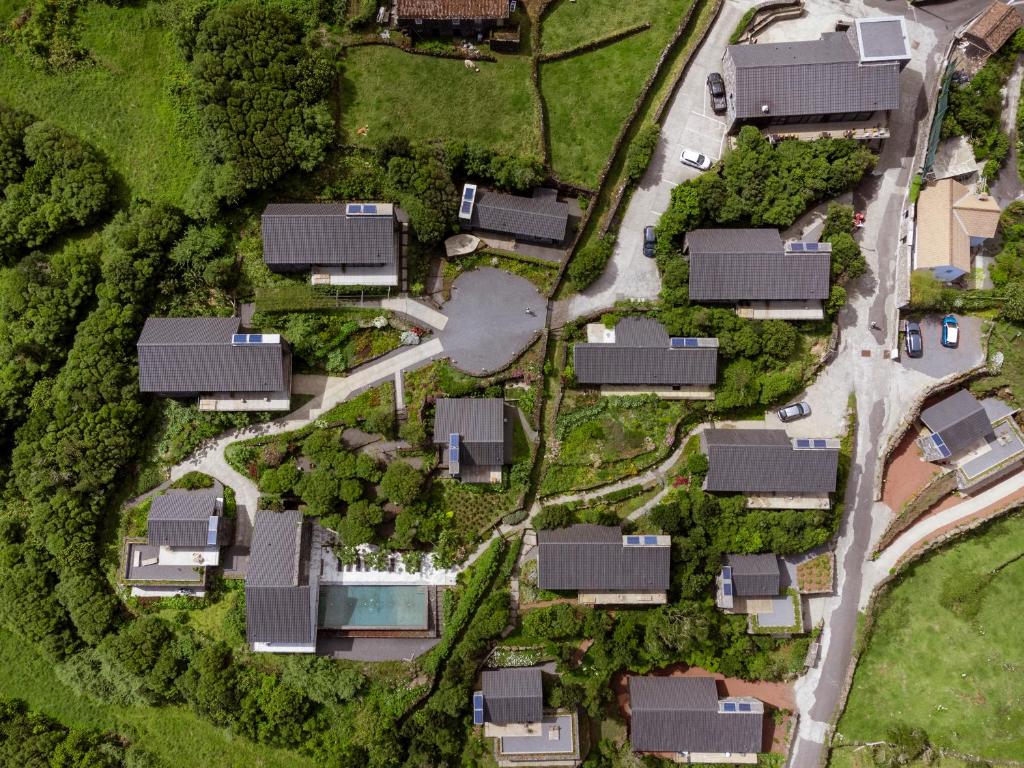
Choose the town for simpler daily logistics, a village house for cooking and local walks, or a villa with time to enjoy its setting. These places need different transport plans, especially after dinner.
Common questions
Where should I stay without a rental car?
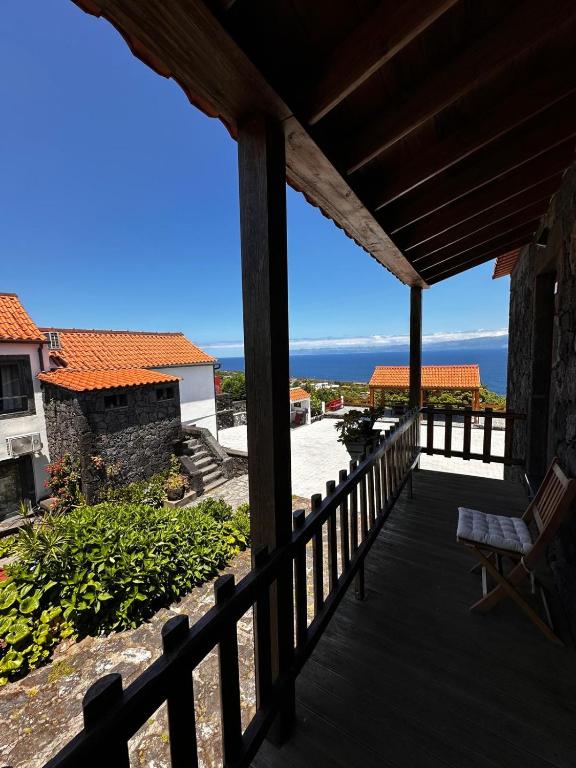
São Roque town is the most practical starting point for shops, meals and prearranged excursions. Choose the exact address carefully, because the harbour and houses on nearby slopes do not offer the same walk. Prainha can work for a few days of village walking if you organise arrival, supplies and onward trips. The Terra Alta hillside needs a more deliberate transfer plan. Arrange the return from dinner before relying on a rural view as your main reason to book.
How do I arrive by air or ferry?
From Pico Airport, arrange a rental car, taxi or transfer to the actual property. For boats, search Atlânticoline by date and read the arrival port: São Roque’s Cais do Pico and Madalena on the western side of the island are different landings. Confirm passenger places and vehicle space separately, then plan the road connection. Horta Airport is on Faial and requires an additional island crossing. Check service notices and leave a buffer before an onward flight.
Can I use buses along the north coast?
UTC’s Line 1 links the Madalena–Piedade corridor through the airport, São Roque, Prainha and Santo Amaro. The published table separates weekdays, Saturdays, and Sundays or public holidays, with school-day notes for some journeys. Check the actual direction, stop and last return for your date. This is a scheduled island bus, not a frequent flight shuttle, and it does not take you to every hillside entrance. Use an arranged transfer when the final connection does not fit.
How many nights should I allow?
Two nights suit a focused visit to São Roque’s industrial museum and one stretch of the northern coast. Three or four give more room for the Prainha walk, a Santo Amaro outing and time at a house or villa. Add a day if climbing Pico is a priority, so poor visibility need not consume the entire stay. A slower village booking also benefits from time to buy food, cook and enjoy the setting without packing each morning.
Which walks need advance planning?
PRC09PIC, Prainha do Norte, is a circular 8.8-kilometre route with a published average of three hours. It begins and ends at Largo Dr José Machado Serpa, linking village, agricultural and coastal paths; allow extra time for stops and check current trail alerts. Climbing Mount Pico is a separate mountain day with a road transfer, booking and registration through the mountain authority. Follow its weather decisions and guidance on accredited guides. A pleasant coastal forecast does not establish safe summit conditions.
Is this a sandy beach or swimming-pool holiday?
The north coast offers rocky bathing places rather than a continuous sandy resort strip. Poças de São Roque and Poça Branca are public natural bathing areas; Canto da Areia provides a small sandy option near Prainha. Check sea state, local notices and the entry route before swimming. A sea-facing cottage does not automatically include a hotel pool. If predictable pool time matters, choose accommodation with that facility and confirm its current operation and the route from your unit.
What food should I make time for?
Pico’s protected-origin cheese, fish caldeirada and octopus cooked with local wine give a meal a strong island identity. Ask what is available that day and reserve a wine visit separately from your driving plans. In a village house, buy supplies before settling in and confirm which restaurants serve dinner on your dates. A private kitchen makes cooking flexible; a shared kitchen needs a different routine. Do not assume a rural property’s breakfast or restaurant is included in every reservation.
Which season works best?
Late spring through early autumn is a useful starting point for combining coastal walks, bathing and time outdoors. IPMA’s Horta coastal record offers regional context: summer is generally warmer and less rainy than winter, but rain can occur throughout the year. That station is on Faial, not a forecast for São Roque or Pico’s summit. Keep plans flexible, bring rain and wind protection, and check transport notices. In cooler months, ask about room heating, pool operation and dinner arrangements.
What should families and travellers with mobility needs check?
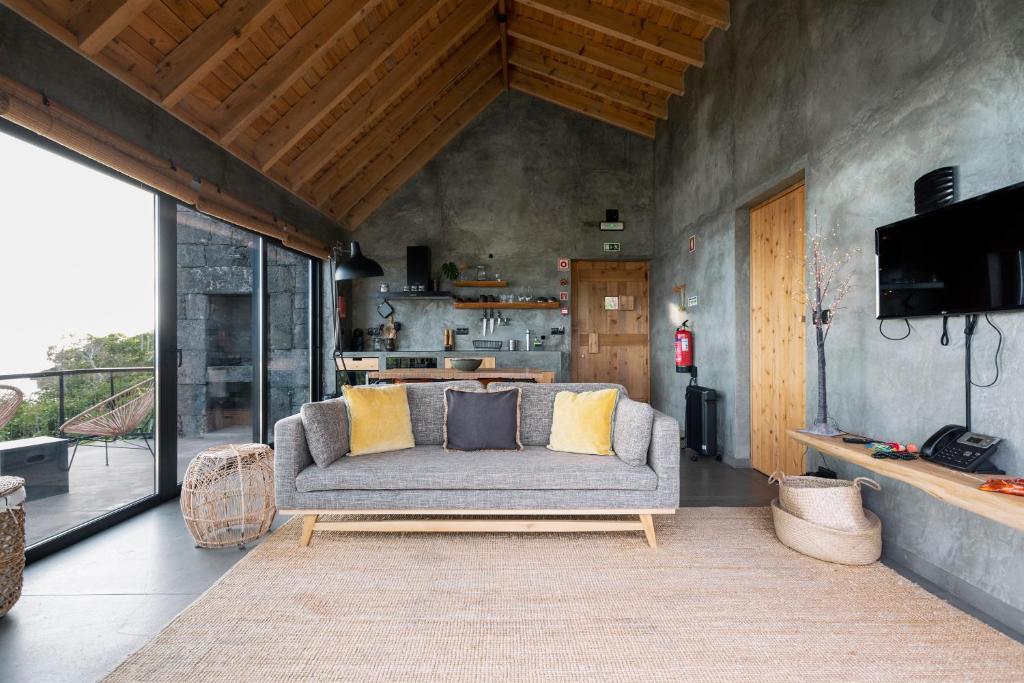
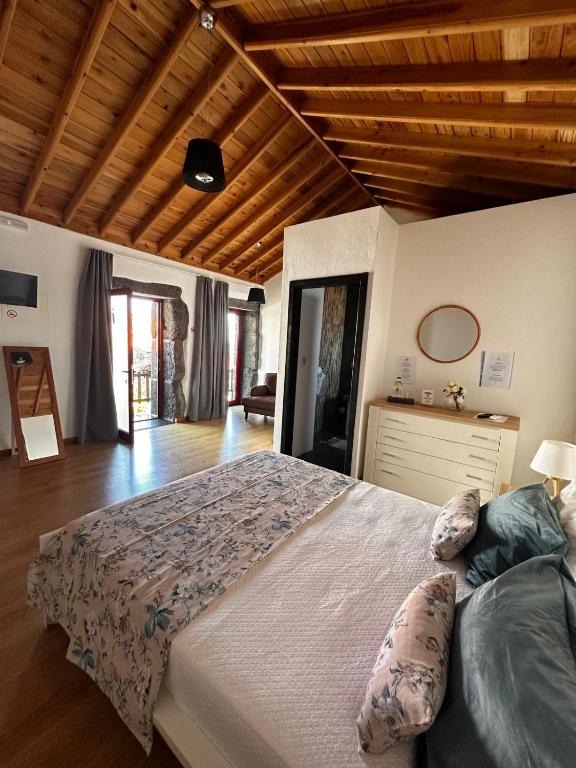
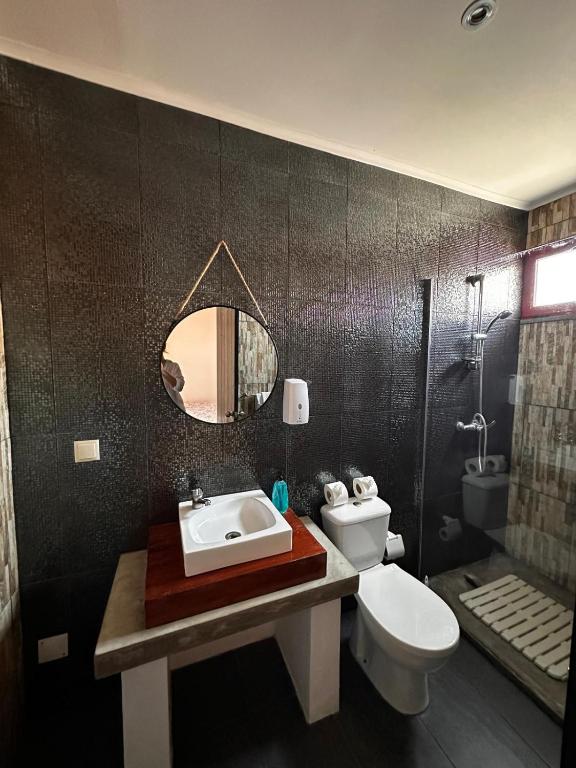
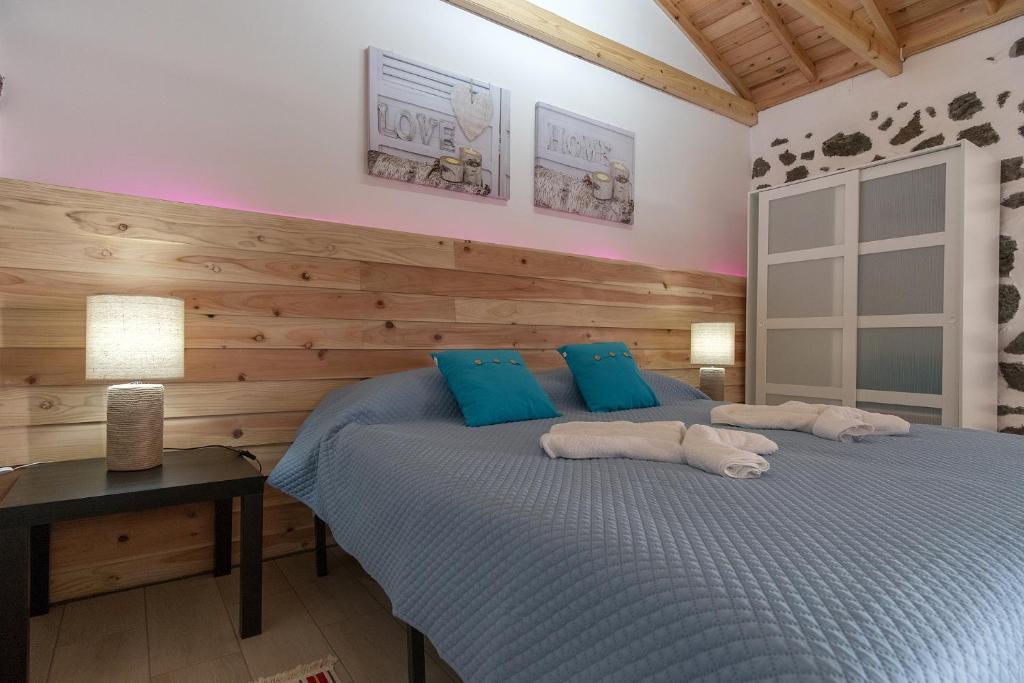
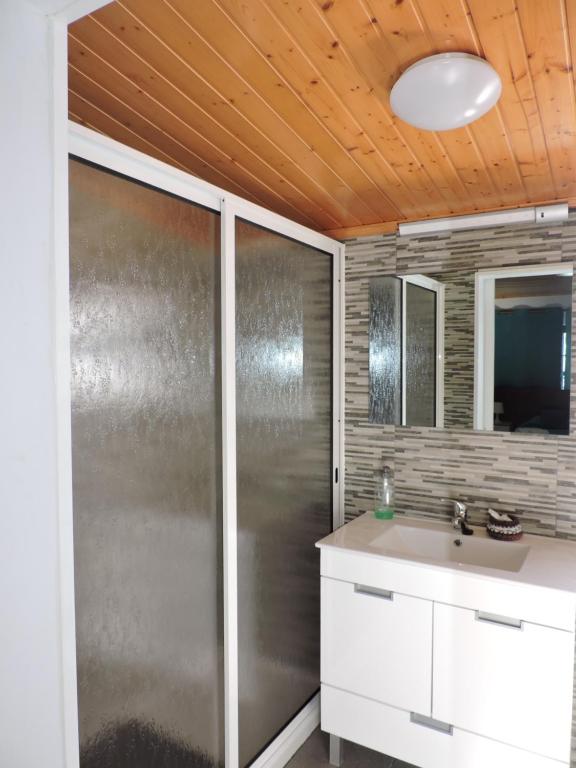
Request the floor plan, bed arrangement and number of bathrooms for the exact unit. A one-bedroom house with a sofa bed differs from a two-bedroom villa, and neither label guarantees two bathrooms. Confirm cots and children’s eligibility directly. Ask whether the kitchen and laundry are private or shared, and check steps between parking, reception, your room, meals and any pool. A sea view, a ground-floor category or a village address alone does not establish an accessible route.
Prices are set by the booking site. We may earn a small fee, at no cost to you.