About Domžale and Trzin
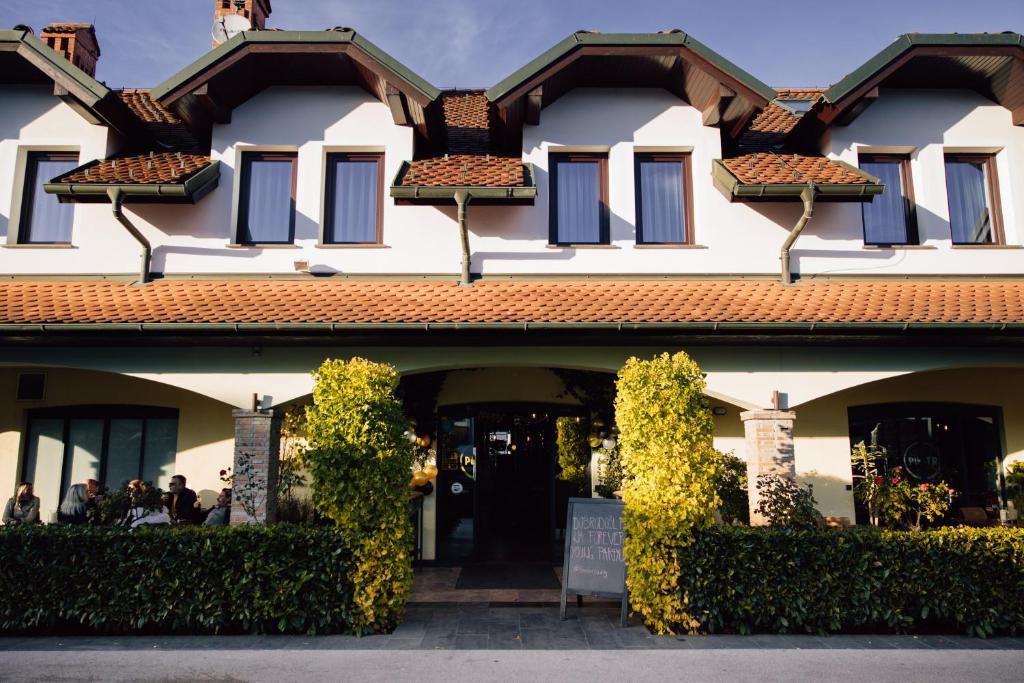
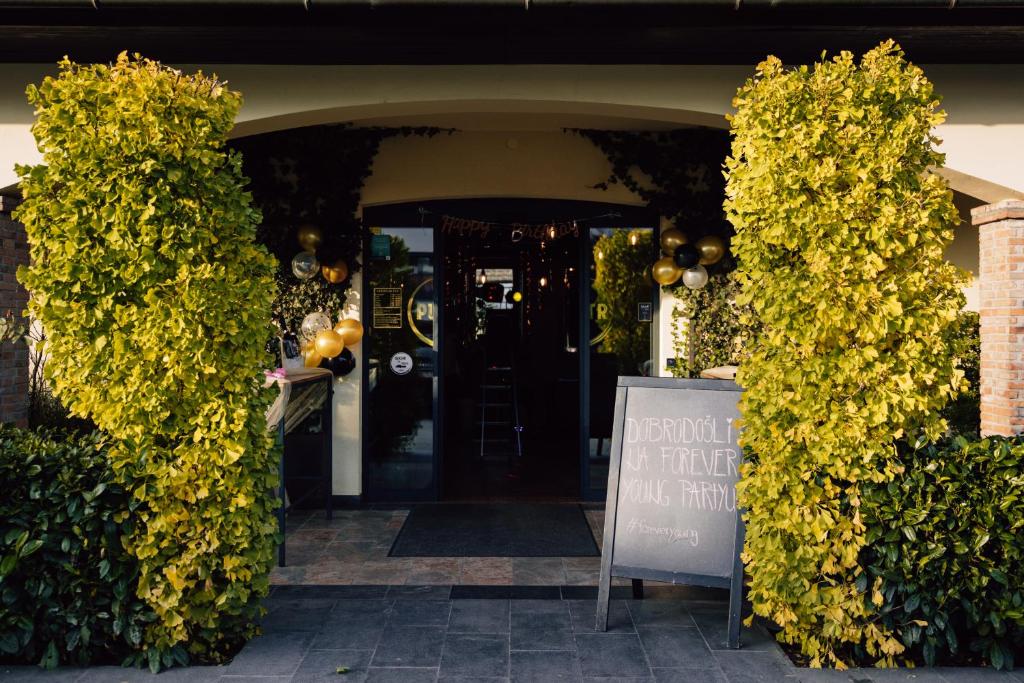
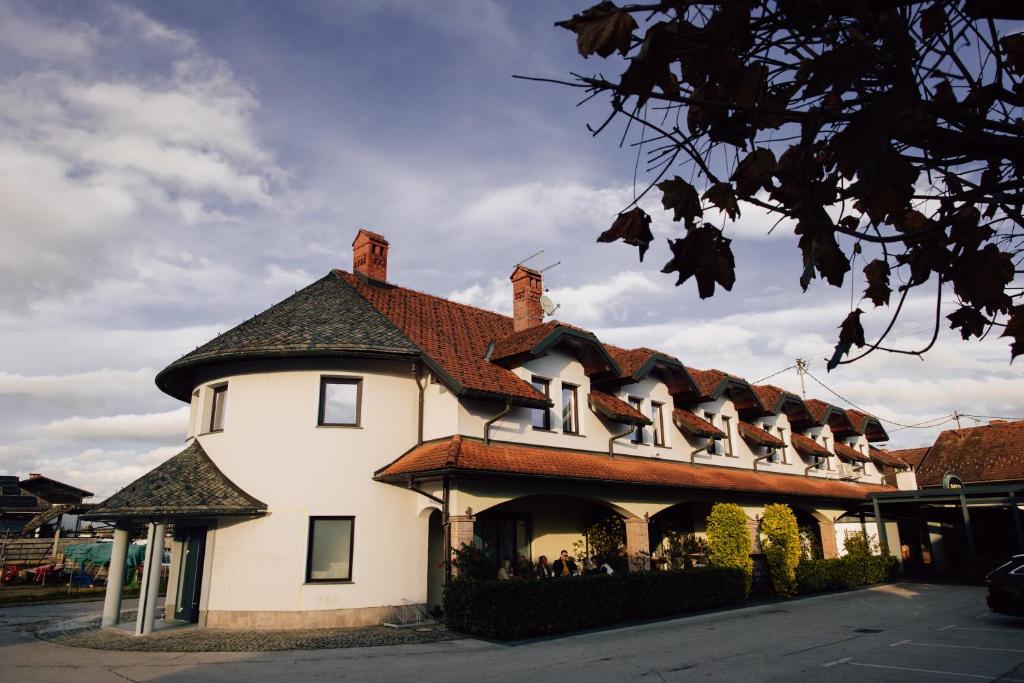
Domžale and Trzin offer a few quieter days around Ljubljana, with straw-hat heritage, riverside paths and wooded hills giving the stay its own purpose. Domžale is a working town rather than a preserved old centre: come for the craft museum, a walk beside the Kamniška Bistrica and a family trail on Šumberk.
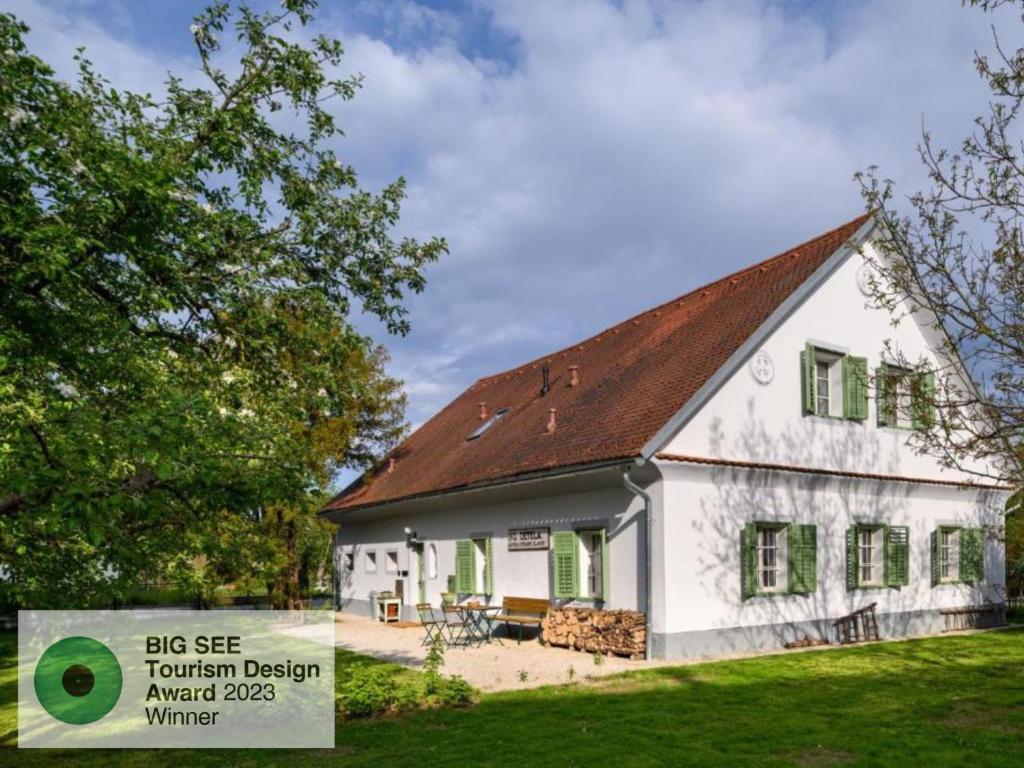
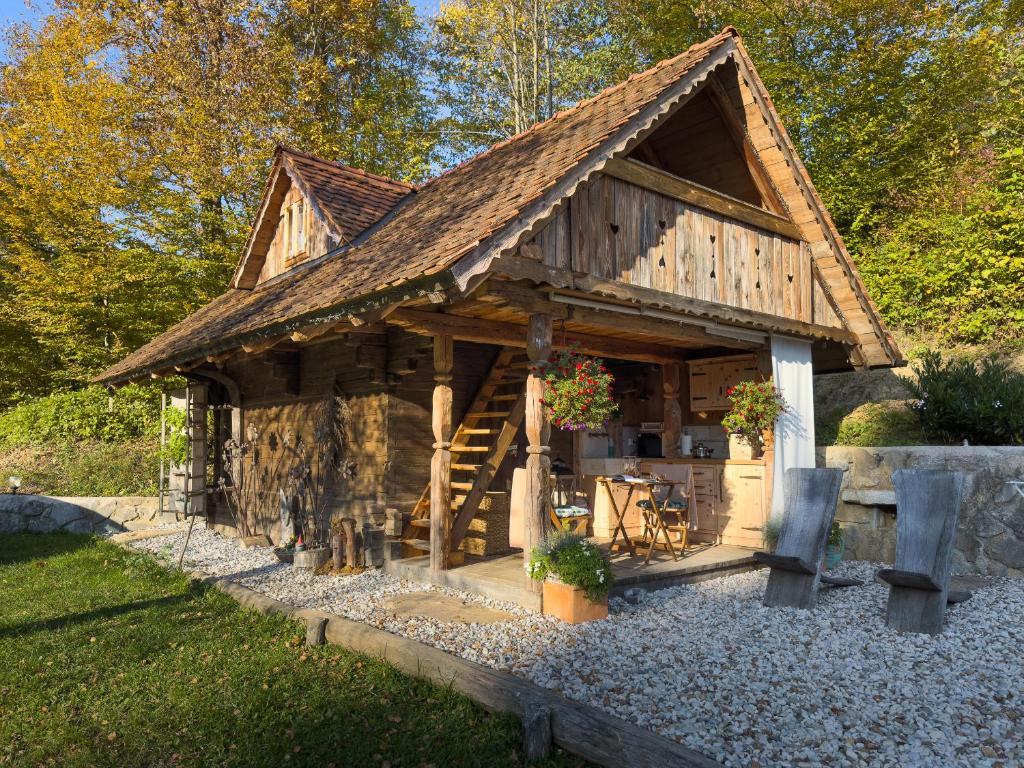
Trzin puts small village stays near the railway, while Dob and the Brdo hills offer more individual country addresses. Choose by the rhythm you want: shops and trains within reach, an apartment for evenings together, or a country house where the setting is part of the holiday.
Common questions
How many nights should I stay?
Two or three nights leave room for Domžale’s craft heritage, a riverside walk and a forest outing without turning the stay into a sequence of transfers. Add another night if you want a full day in Ljubljana as well. The best reason to sleep here is the time between visits: cooking in an apartment, sitting in a courtyard or returning to a small country house after walking.
How do I arrive from Ljubljana by public transport?
The Ljubljana–Kamnik railway serves Trzin, Domžale and Rodica. Many scheduled trains reach Domžale in about 25 minutes, but service patterns vary by day and the nearest station depends on your address. Check the travel date in the Slovenian Railways planner, including replacement services and weekend restrictions. A recently added Sunday evening connection does not mean there are frequent trains throughout Sunday. Agree the final walk or pickup before arriving with luggage.
Can I manage the stay without a car?
A well-chosen Domžale address can work for shops, the museums and walks from town. Old Trzin can also suit a rail-based stay once you have checked the station and the walk to your apartment. For Dob, ask about the actual bus stop and return service; for the Brdo hills, a car or arranged transfers are more practical. Confirm the return journey before setting out, particularly for dinner or a Sunday outing.
Where should I walk or cycle beside the river?
The Green Axis follows the Kamniška Bistrica through the area. The tourism office describes a 14.6-kilometre walking circuit from Domžale through Količevo, Radomlje and Homec, returning past Šumberk, but you can enjoy a much shorter out-and-back from the sports park. Paths occur on both banks without forming a continuous path along every stretch. Check bridges and current conditions, choose a suitable turnaround and arrange bicycle hire and storage before making cycling the main plan.
What is a good outing with children?
The Magical Šumberk trail follows a fox’s search for a lost straw hat, starting by Češmin Park and continuing towards the river and wooded hill. Its published route is about 3.5 kilometres with 134 metres of ascent, and the suggested three hours allow time for the story and activities. Ask at Kavarna Češmin about the booklet and available languages. This is a forest outing with climbing, so assess the path separately before bringing a pushchair.
Which museums explain the area’s history?
The Straw Hat Museum presents more than 300 years of local hat-making through materials, tools and finished hats; group demonstrations need an arrangement. Menačenk’s house combines the former Ahčin family home and tailoring workshop with sculptures by France Ahčin and a herb garden. Both have limited opening days, so check before planning a rainy Sunday around them. In Trzin, the Jefačnik homestead exhibition is closed until further notice after flood damage; confirm any alternative cultural visit locally.
Can I visit the cave and Krumperk Castle?
Železna jama at Gorjuša is a small cave with two chambers, passages and unusual bent formations, accompanied by a caving museum. Visits follow a limited Sunday schedule or need an arrangement with the caving club; confirm the guided visit and access before travelling there. Nearby Krumperk Castle is privately owned and its interior is not open to visitors. Treat it as an exterior stop, and arrange any separate visit to the neighbouring equestrian facilities in advance.
When is the best season to come?
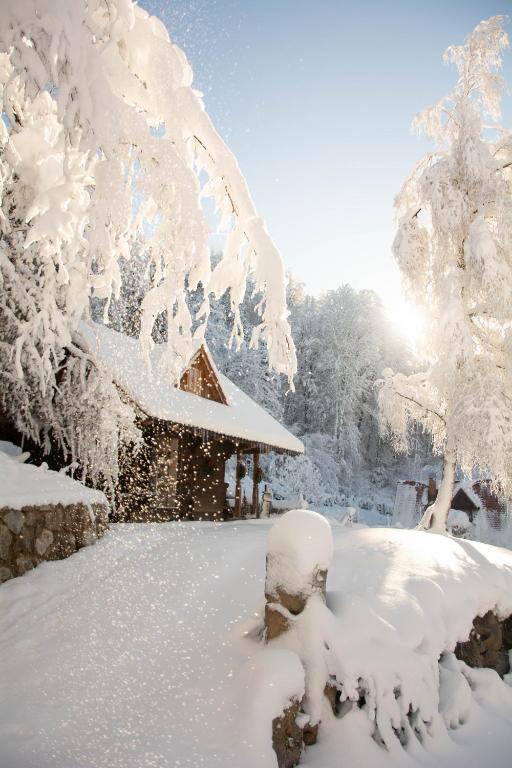
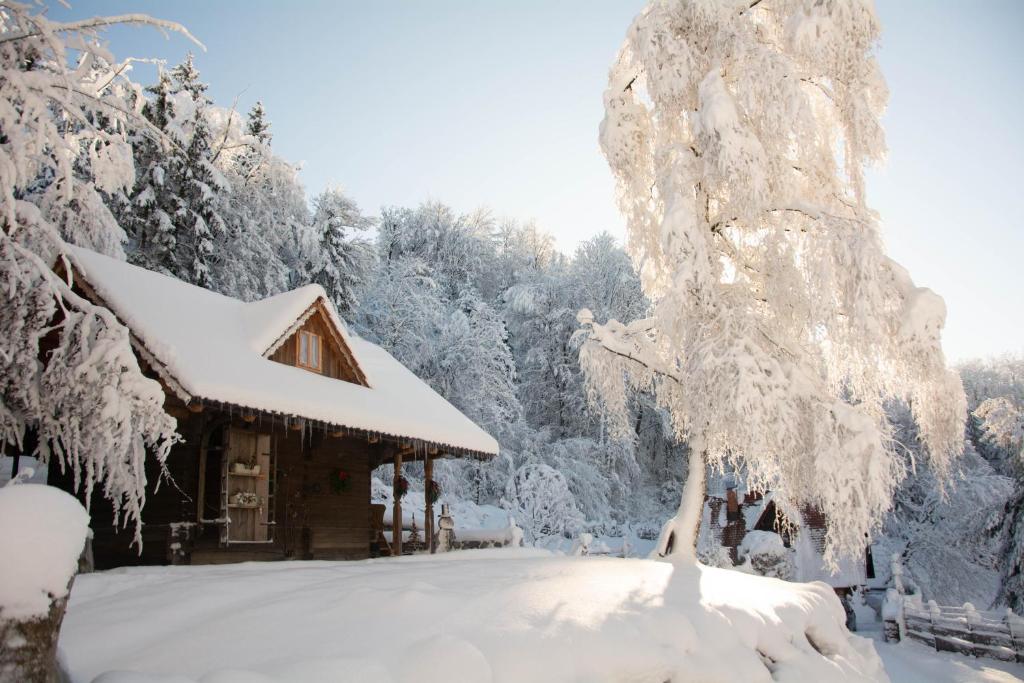
The warmer months suit river walks, wooded hills and evenings in a garden, with shade and a flexible plan useful on hot or wet days. Domžale’s annual Straw Hat Fair usually takes place in June; check the current programme if craft demonstrations are part of the reason for coming. In winter, match walks to daylight and ground conditions, and check museum opening days. A country stay can still work, provided heating and the final road approach suit your plans.
Should I plan to cook or eat out?
A kitchen makes several nights easier, especially in the Brdo hills or when arriving after restaurants have finished serving. Buy the first meal’s ingredients before heading out of town and check whether your unit has a full kitchen, a kitchenette or only drink-making equipment. For a small hotel or restaurant stay, confirm breakfast and dinner separately: lodging can continue when the restaurant is closed. Discuss vegetarian meals, allergies and other dietary needs before relying on one nearby kitchen.
What should I check before choosing a room?
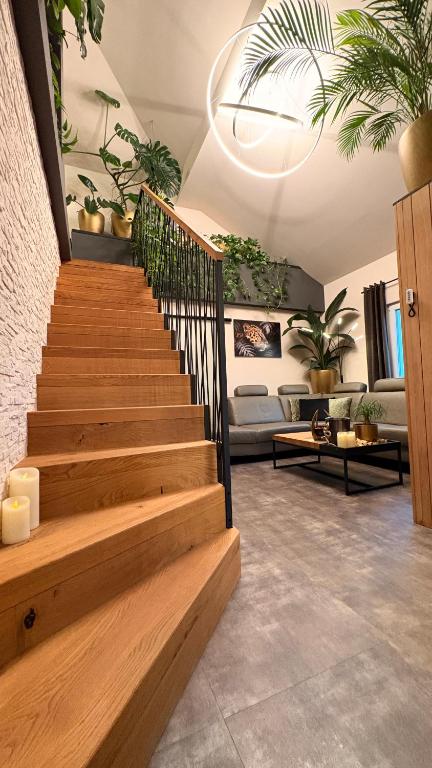
Compare the number of bedrooms and ordinary beds with the advertised capacity, particularly in studios and rooms using sofa beds or bunks. Ask whether the bathroom is inside the room, across a corridor or separated by a curtain, and confirm stairs and late-arrival instructions. In historic houses, check cooling, ventilation and the position of the room relative to roads and church bells. If a sauna or hot tub matters, ask what is private, what is included and how its use is arranged.
Prices are set by the booking site. We may earn a small fee, at no cost to you.